
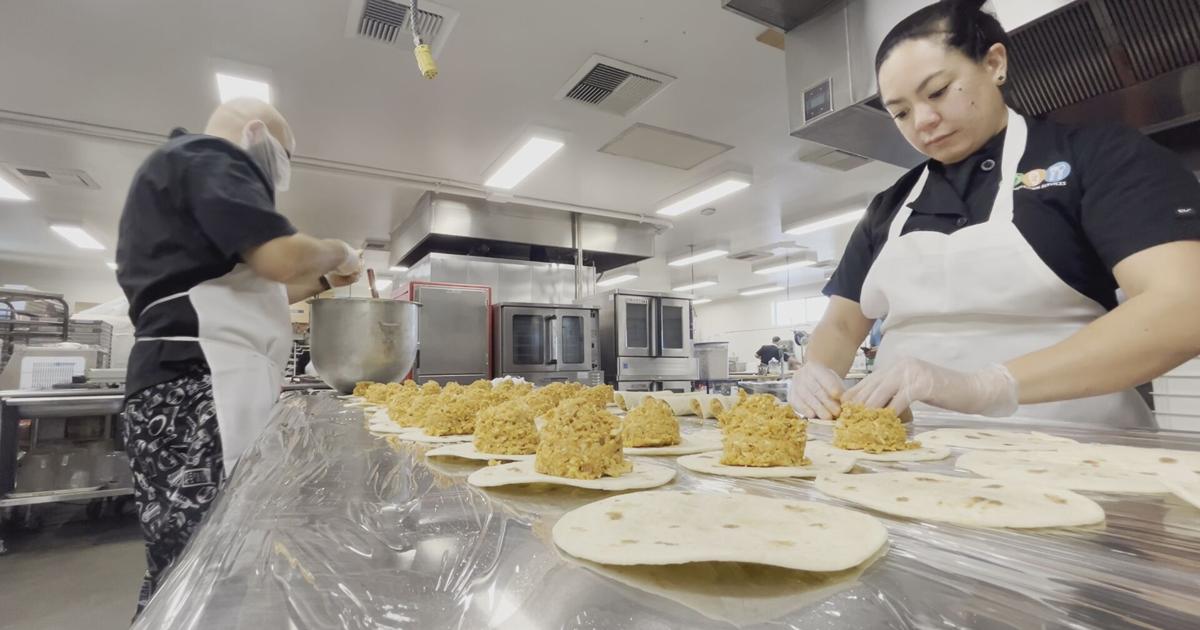
CHICO, Calif. — While an exact figure is difficult to pin down, roughly one-third of California’s more than 1,000 school districts prepare at least some cafeteria meals from scratch. Chico Unified School District is among them — and district leaders say the effort is paying off.
Inside a Chico Unified production kitchen, staff members are preparing everything from sauces to baked goods by hand.
“I’m making mac and cheese sauce from scratch,” one cook said while working in the kitchen.
Scratch cooking is what sets Chico Unified’s meal program apart from many districts across the state, according to Vince Enserro, the district’s director of nutrition services.
“We do approximately 7,500 lunches every single day, and we do approximately 4,500 breakfasts every day,” Enserro said.
He estimates about 40 percent of the food served to Chico students is now made from scratch. The program began several years ago but was significantly disrupted by the Camp Fire and later the COVID-19 pandemic, which led to staffing shortages and operational setbacks.
“It’s taken us this long to get to that point, where we’ve now hired a production chef, we have two chefs in our production kitchen, and we also have bakers in our production kitchen,” Enserro said.
Nutrition officials say scratch cooking allows greater control over ingredients, making it easier to reduce salt, sugar, unhealthy fats and preservatives while increasing the use of fresh foods. The result is meals with fewer calories and more nutrients.
One example is the district’s breakfast muffins, which are baked from scratch. A four-ounce muffin served at school contains about 300 calories, compared with a similarly sized store-bought muffin that can range from 600 to 900 calories, Enserro said.
The district currently offers roughly a dozen scratch-made menu items, and Enserro says student response — especially among middle and high schoolers — has been overwhelmingly positive.
“We get kids saying, ‘Oh my gosh, this is like Chipotle,’ or ‘this is like whatever,’” he said. “It’s been amazing. The response this year has been absolutely amazing.”
District officials hope the improved quality and taste will encourage students to eat on campus rather than choosing fast food off campus.
The meals are provided at no cost to families under California’s Universal Meals Program, which offers free breakfast and lunch to all K-12 students regardless of income. Supported by state funding, the initiative makes California the first state in the nation to guarantee free daily school meals for every public school student.