
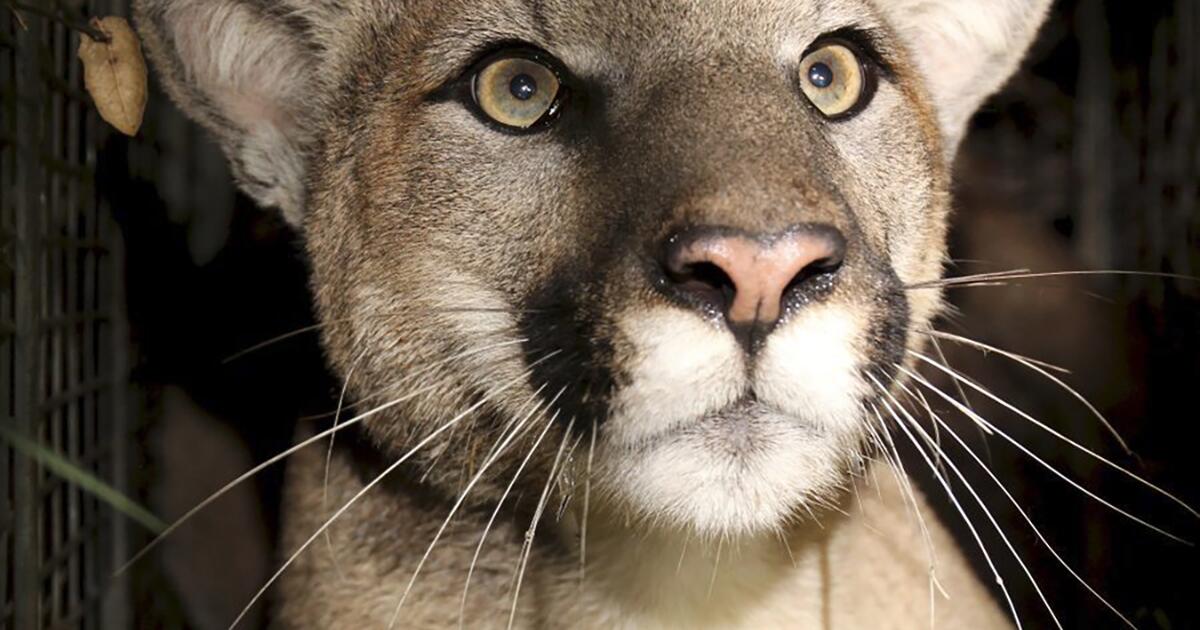
While many view Los Angeles as a concrete jungle, there’s another side of the city more akin to the wild. L.A. lies within a biodiversity hot spot, with ecologically rich habitats such as the Santa Monica Mountains boasting endemic plants and animals not seen anywhere else on Earth.
According to iNaturalist, a site where users identify and upload their wildlife observations, more than 7,500 distinct animals have been spotted in L.A. County, including 52 endangered species. The county hosts more bird varieties than any other in the United States, and boasts a population of mountain lions that coexists among millions of (human) residents.
But wildlife in L.A. lives on the edge. Threats like habitat loss, fragmentation and exposure to rodenticide poisons present an existential crisis for our wild neighbors. Last month, the state’s Department of Fish and Wildlife made a formal recommendation to protect Southern California’s mountain lions as a threatened population under the state’s Endangered Species Act.
However, the California Department of Pesticide Regulation is now proposing changes that would further harm mountain lions — and all of California’s wildlife — by increasing their exposure to harmful rodenticides.
It has been three years since the iconic Hollywood mountain lion known as P-22 died after being struck by a car near Griffith Park. Thanks to monitoring conducted by the National Park Service, we know P-22 suffered from chronic anticoagulant rodenticide poisoning throughout his life, including five blood-thinning rat poisons that are currently restricted. This may have been due to direct exposure, or from eating rodents and other animals that had preyed upon poisoned critters.
Scientists at the National Park Service who monitored P-22 throughout the years were able to treat him with vitamin K injections and topical medication; otherwise, he wouldn’t have survived the multiple rodent poisons found in his system. But his story is the exception. Untold numbers of anonymous California wildlife succumb to disease and death every year due to continued environmental exposure to rodenticide.
Last November, a report from state wildlife officials found blood-thinning rat poisons in more than 69% of wildlife tested, including 95% of mountain lions and 100% of golden eagles. Hawks, owls, bears, bobcats and coyotes are also frequently found to be poisoned, and anticoagulant rat poisons have been confirmed as the cause of death for San Joaquin kit foxes, a federally endangered species.
Despite evidence of escalating harm, the California Department of Pesticide Regulation’s current proposal would roll back existing restrictions on usage of the most toxic rat poisons. These rollbacks would allow increased rodenticide usage at more than 100,000 new locations statewide, including roadways, parks and wildlife areas.
Increasing the use of anticoagulant rat poisons would only result in more inhumane wildlife deaths. Instead of expanding the use of these dangerous, long-lasting poisons, California must do more to stop the increase in non-target wildlife deaths by further restricting their use and by promoting more effective, humane methods of preventing rat infestations.
The most effective long-term answer to rodent infestations is to eliminate easy access to food, water and shelter. Rodent-proofing garbage containers and the sealing of homes and buildings from rodents are essential. Short of these kinds of changes, no amount of rat poison can fix the problem.
Pesticide manufacturers argue that it’s impossible to control rat populations without the most dangerous poisons. But the on-the-ground reality shows a different picture.
Since restrictions on the most dangerous anticoagulant rat poisons in commercial and residential settings went into effect in 2021, data suggest that safer, alternative rodent control methods have proven effective. According to public records from seven major county public health departments, there has been no significant increase in rodent-related complaints since anticoagulant rodenticide restrictions took effect.
The powerful anticoagulant rat poisons at issue here make up only a handful of products. There are more than 100 rodent control chemicals that remain available for use on private land under current regulations, including humane types that do not move up the food chain, such as chemicals that control rodent fertility.
State regulators can play an important role in making sure Californians’ choices start with reasonable, humane solutions instead of the widespread, ineffective use of anticoagulant rat poisons that will continue to harm and kill our wildlife. Backsliding on important rat poison protections within ecologically diverse urban areas like Los Angeles will only push our wildlife closer to the edge.
Tony Tucci is chair and co-founder of Citizens for Los Angeles Wildlife.