
California is seeing a major drop in fraud and theft associated with food and cash benefits thanks to new technology, Gov. Gavin Newsom’s office said. According to state data shared exclusively with KCRA 3 on Thursday, there has been an 83% decline in theft associated with Electronic Benefits Transfer, also known as EBT. The EBT system is used to provide benefits through programs such as CalFresh, the Supplemental Nutrition Assistance Program (SNAP), and the California Work Opportunity and Responsibility to Kids (CalWORKs). KCRA 3 Investigates has reported that the state’s EBT system has been the target of organized crime, losing millions per month to fraud and theft for years. Data provided by the California Department of Social Services showed that in January 2024, the figure was at $20.9 million per month. But that has changed drastically over the last year, the Newsom administration said, with the help of the state’s newer Office of Data and Innovation (ODI) and new card technology. As of November 2025, the monthly loss is down to approximately $3.6 million per month.”In the fight against benefit theft, data is more than a tool—it’s a necessary partner. In California, we’re leading the way by turning innovation into action by stopping theft and ensuring benefits reach those who truly need them,” Gov. Newsom said in a statement. In an exclusive interview with KCRA 3, ODI Director Jeffery Marino credited the drop in fraud losses to upgrades the office helped develop. For instance, ODI created a predictive data model to identify suspicious transactions and users who have been compromised or are likely to be compromised. Instead of reacting, the Department of Social Services can be proactive and reset the pin for those users most at risk for fraud. “When we are talking about EBT, we are not talking about operating within a modern banking system. This is a legacy government system that we are dealing with,” Marino said. “It has not benefited from those years of innovation in the private sector. That’s really some of the constraints we have been working within in order to implement these new advanced analytics.” Some of those advancements include chip and tap technology in the EBT cards. California was the first state in the nation to launch them, and several other states and the federal government are looking to follow. Marino said the system has significantly improved the delivery of the benefits because the possible victims of fraud no longer have to be surprised that their card has been drained and go through the lengthy process of recouping the benefits. Instead, they are getting notified if they are at risk and quickly having their pin changed so they can “move on with their lives,” Marino said. “We’ve done a hand-off and built out that capacity and now they’re going to continue to make progress,” he said of CDSS. “We’re proud to have implemented effective strategies to mitigate EBT theft, which go a long way toward protecting the benefits that many California families rely on,” CDSS Director Jennifer Troia said. “We are grateful to our many partners across the state for their continued efforts to help us protect these critical benefits.”Newsom’s administration acknowledged, though, that there is more work to be done and said CDSS continues to work with local and state authorities to try to prevent and stop fraud. What is ODI? California’s Office of Data and Innovation was created by Gov. Newsom when he first took office in 2019. Newsom has long been behind a push to make government more innovative, efficient and engaging. The topic is at the center of a book he wrote in 2014 called “Citizenville: How to Take the Town Square Digital and Reinvent Government.”Newsom’s ODI has been growing since and is currently comprised of 67 employees who are mostly technology experts. Records show the office has been working with a state budget of about $27 million to $28 million a year. The governor’s proposed budget for the upcoming year for the office dips slightly to $22 million. The office’s director, Marino, was a data journalist and digital marketing consultant from 2018 to 2020 for a variety of publications and technology companies, including The Motley Fool, Opendoor, Symbihom, The L.A. Times and the Boulevard Sentinel.Marino confirmed that state agencies can essentially pick up the phone and ask for ODI’s help. When asked if the office is in high demand, Marino immediately nodded, “Yes.” “In the past year or so, that demand has really spiked,” he said, likening the office to a start-up in state government. “As we have built momentum and shown examples like this where access to your data and designing some solid processes can result in millions of dollars of savings and great customer experience, yes, our phones are pretty much ringing off the hook.” He said a few departments they’re working with now include the Department of Water Resources, the State Water Board, Housing and Community Development, and the Department of Human Resources. Newsom’s office also credited the office with the technological and overall improvements at the DMV, the use of wildfire technology and streamlining the state’s hiring system. Marino also said ODI has reached out to the entire state workforce to ask what the administration should be focusing on to improve government. He said the office is putting together a report on the findings and will release it to the public soon. KCRA 3 Political Director Ashley Zavala reports in-depth coverage of top California politics and policy issues. She is also the host of “California Politics 360.” Get informed each Sunday at 8:30 a.m. on KCRA 3.See more coverage of top California stories here | Download our app | Subscribe to our morning newsletter | Find us on YouTube here and subscribe to our channel
SACRAMENTO, Calif. —
California is seeing a major drop in fraud and theft associated with food and cash benefits thanks to new technology, Gov. Gavin Newsom’s office said.
According to state data shared exclusively with KCRA 3 on Thursday, there has been an 83% decline in theft associated with Electronic Benefits Transfer, also known as EBT. The EBT system is used to provide benefits through programs such as CalFresh, the Supplemental Nutrition Assistance Program (SNAP), and the California Work Opportunity and Responsibility to Kids (CalWORKs).
KCRA 3 Investigates has reported that the state’s EBT system has been the target of organized crime, losing millions per month to fraud and theft for years. Data provided by the California Department of Social Services showed that in January 2024, the figure was at $20.9 million per month.
But that has changed drastically over the last year, the Newsom administration said, with the help of the state’s newer Office of Data and Innovation (ODI) and new card technology. As of November 2025, the monthly loss is down to approximately $3.6 million per month.
“In the fight against benefit theft, data is more than a tool—it’s a necessary partner. In California, we’re leading the way by turning innovation into action by stopping theft and ensuring benefits reach those who truly need them,” Gov. Newsom said in a statement.
In an exclusive interview with KCRA 3, ODI Director Jeffery Marino credited the drop in fraud losses to upgrades the office helped develop. For instance, ODI created a predictive data model to identify suspicious transactions and users who have been compromised or are likely to be compromised. Instead of reacting, the Department of Social Services can be proactive and reset the pin for those users most at risk for fraud.
“When we are talking about EBT, we are not talking about operating within a modern banking system. This is a legacy government system that we are dealing with,” Marino said. “It has not benefited from those years of innovation in the private sector. That’s really some of the constraints we have been working within in order to implement these new advanced analytics.”
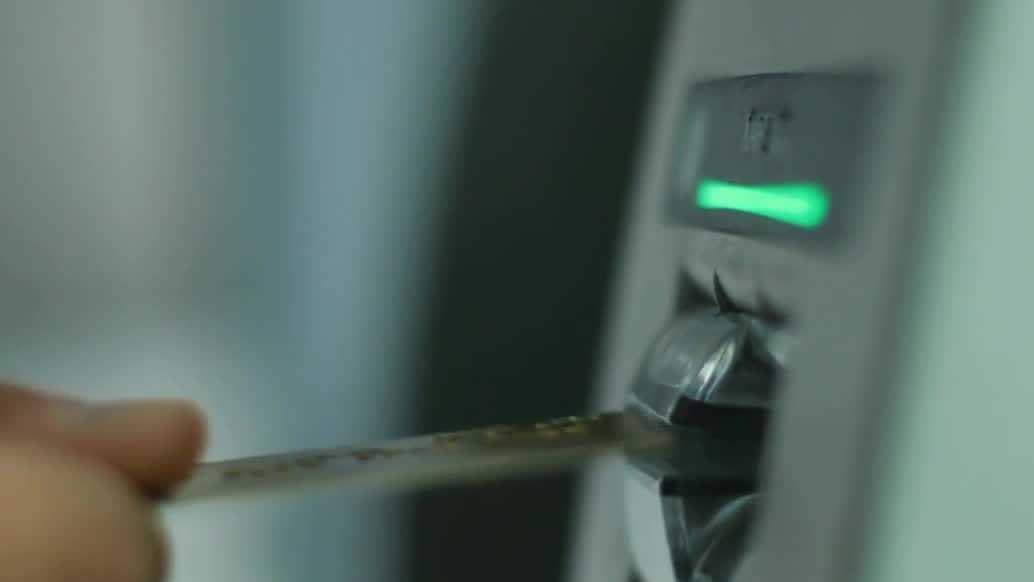
Some of those advancements include chip and tap technology in the EBT cards. California was the first state in the nation to launch them, and several other states and the federal government are looking to follow.
Marino said the system has significantly improved the delivery of the benefits because the possible victims of fraud no longer have to be surprised that their card has been drained and go through the lengthy process of recouping the benefits. Instead, they are getting notified if they are at risk and quickly having their pin changed so they can “move on with their lives,” Marino said.
“We’ve done a hand-off and built out that capacity and now they’re going to continue to make progress,” he said of CDSS.
“We’re proud to have implemented effective strategies to mitigate EBT theft, which go a long way toward protecting the benefits that many California families rely on,” CDSS Director Jennifer Troia said. “We are grateful to our many partners across the state for their continued efforts to help us protect these critical benefits.”
Newsom’s administration acknowledged, though, that there is more work to be done and said CDSS continues to work with local and state authorities to try to prevent and stop fraud.
What is ODI?
California’s Office of Data and Innovation was created by Gov. Newsom when he first took office in 2019. Newsom has long been behind a push to make government more innovative, efficient and engaging. The topic is at the center of a book he wrote in 2014 called “Citizenville: How to Take the Town Square Digital and Reinvent Government.”
Newsom’s ODI has been growing since and is currently comprised of 67 employees who are mostly technology experts. Records show the office has been working with a state budget of about $27 million to $28 million a year. The governor’s proposed budget for the upcoming year for the office dips slightly to $22 million.
The office’s director, Marino, was a data journalist and digital marketing consultant from 2018 to 2020 for a variety of publications and technology companies, including The Motley Fool, Opendoor, Symbihom, The L.A. Times and the Boulevard Sentinel.
Marino confirmed that state agencies can essentially pick up the phone and ask for ODI’s help.
When asked if the office is in high demand, Marino immediately nodded, “Yes.”
“In the past year or so, that demand has really spiked,” he said, likening the office to a start-up in state government. “As we have built momentum and shown examples like this where access to your data and designing some solid processes can result in millions of dollars of savings and great customer experience, yes, our phones are pretty much ringing off the hook.”
He said a few departments they’re working with now include the Department of Water Resources, the State Water Board, Housing and Community Development, and the Department of Human Resources.
Newsom’s office also credited the office with the technological and overall improvements at the DMV, the use of wildfire technology and streamlining the state’s hiring system.
Marino also said ODI has reached out to the entire state workforce to ask what the administration should be focusing on to improve government. He said the office is putting together a report on the findings and will release it to the public soon.
KCRA 3 Political Director Ashley Zavala reports in-depth coverage of top California politics and policy issues. She is also the host of “California Politics 360.” Get informed each Sunday at 8:30 a.m. on KCRA 3.
See more coverage of top California stories here | Download our app | Subscribe to our morning newsletter | Find us on YouTube here and subscribe to our channel