
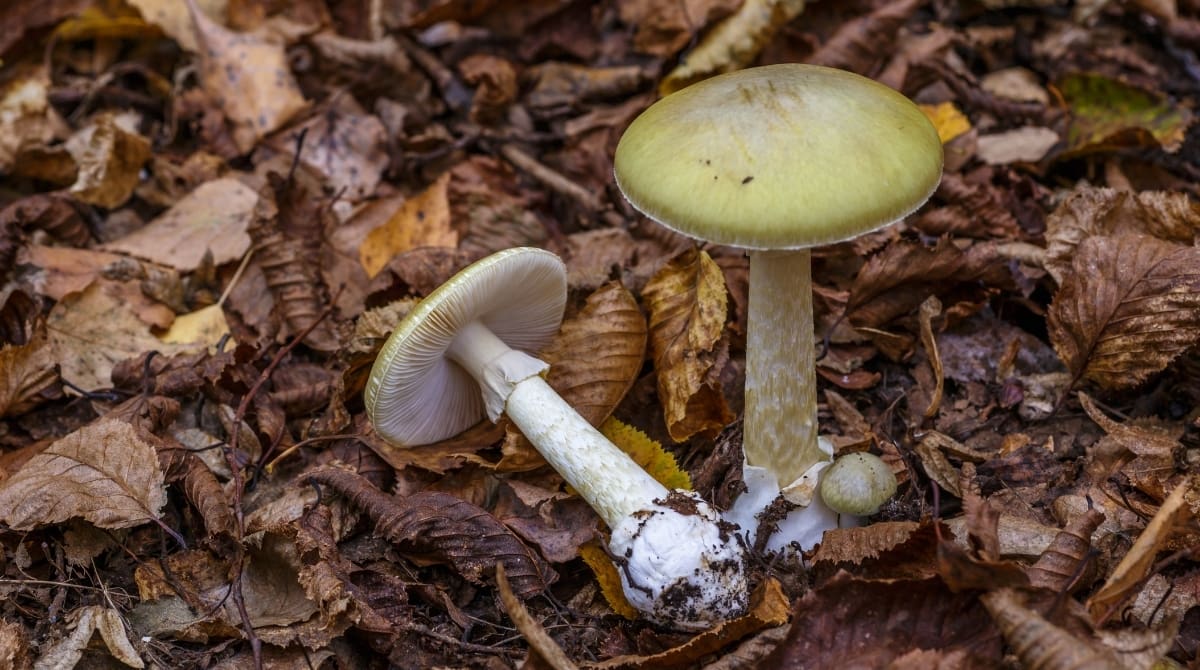
California is witnessing an unprecedented outbreak of illnesses linked to the accidental consumption of Death Cap mushrooms, with three deaths reported since November 2025, according to the California Department of Public Health (CDPH).
A total of 35 cases and three deaths from Death Cap mushroom poisoning were reported between November 18, 2025, and January 5, 2026, CDPH said. Counties with hospitalizations included San Luis Obispo, Alameda, Contra Costa, Monterey, San Francisco, San Mateo, Santa Clara, Santa Cruz, and Sonoma.
Between mid-November and early December 2025, the California Poison Control System identified 21 cases of toxic mushroom poisoning, according to CDPH’s earlier advisory. Multiple patients required intensive care, with one patient needing a liver transplant.
A range of poisonous wild mushroom species routinely grow in many regions of California, especially after wet weather, CDPH said. Two of the most toxic mushrooms during the rainy season are the Death Cap mushroom (Amanita phalloides) and the Western Destroying Angel mushroom (Amanita ocreata).
Death Cap mushrooms are typically found near oaks and other hardwood trees, including pine trees.
The department warned that poisonous mushrooms can look and taste similar to edible mushrooms and may also resemble mushrooms sold at grocery stores.
Foragers in California face increased risk, CDPH warned. People who have recently arrived in California and are accustomed to foraging in their home countries may mistake poisonous mushrooms for safe varieties foraged or cultivated elsewhere.
Some common early symptoms of mushroom poisoning include stomachache, diarrhea, nausea, vomiting, fatigue, and a dip in blood pressure, according to the advisory. Symptoms may not appear until six to 24 hours after eating poisonous mushrooms.
Mild symptoms, like nausea, can be a sign of a more serious reaction, CDPH said. Although early symptoms may go away within a day, patients can develop serious to fatal liver damage in two to three days.
CDPH strongly advised seeking immediate medical help if someone has consumed a toxic mushroom and not waiting for symptoms to appear. Treatment becomes increasingly difficult once symptoms begin.
If possible, bring any uneaten mushrooms or photos of the mushrooms (including the cap, stem, and underside) when seeking medical care. This can help identify the mushroom and assist with treatment.
How to Stay Safe
The best way to stay safe is to not consume wild mushrooms, CDPH said, advising the public to avoid eating mushrooms picked by others.
Since most poisonings happen to children aged under 6 years, parents and guardians are advised to watch children closely when they play in areas where mushrooms grow.
Pets should also be kept away from wild mushrooms, as animals can also be poisoned, CDPH said.
Mushrooms should only be bought from trusted grocery stores and retailers and care must be taken when buying mushrooms from street vendors.
Cooking, boiling, freezing or drying toxic mushrooms does not make them safe to eat, CDPH said.
While only touching a poisonous mushroom is not always risky, it is advisable to always wash your hands after touching one.
Toxic mushrooms should be disposed of by putting them in a sealed bag and placing them in the regular garbage or the municipal compost bin. Poisonous mushrooms should not be put in home compost.