
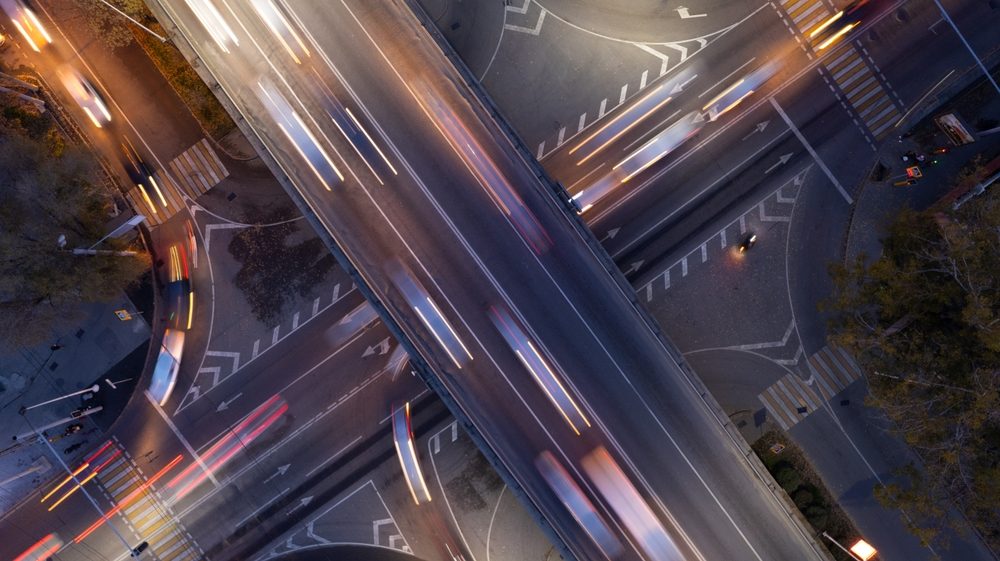
San Jose consistently reports one of the highest traffic-collision burdens among large California cities. While collisions occur citywide, San Jose’s crash data show that a small number of intersections and roadway corridors account for a disproportionate share of serious crashes.
This guide highlights the most dangerous roads and intersections in San Jose and why you should consider partnering with a San Jose car accident lawyer if you’ve been involved in a car wreck. Don’t wait to contact our law team to get a free consultation.
What Makes a Road Dangerous?
A “dangerous” road is not defined by one factor alone. According to San Jose transportation safety analyses and California crash reporting systems, high-risk roads often share several characteristics:
High traffic volumes combined with frequent turning movements Multiple lanes with short merge or weave zones Inadequate sight distance or lighting, especially at night Speed differentials between through traffic and turning vehicles Heavy pedestrian or cyclist activity Proximity to commercial centers or transit routes
A majority of severe and fatal crashes occur on a small percentage of city streets, often arterial roads designed to move high volumes of traffic quickly.
Public crash data is available through the City of San Jose’s open data portal and the California Statewide Integrated Traffic Records System (SWITRS), which compiles police-reported crash information.
For a free legal consultation, call (877) 735-7035
Intersections Frequently Identified as High-Crash Locations in San Jose
Based on multiple years of annual crash data, Vision Zero analyses, and transportation safety reviews, the following intersections are frequently identified as among the most dangerous roads and intersections in San Jose:
Capitol Expressway & Story Road: A major intersection that handles heavy commuter traffic, includes complex turning movements, and has several retail centers nearby. Tully Road & Capitol Expressway: This crossing features high-speed traffic patterns mixed with dense local traffic and pedestrians. Curtner Avenue / Tully Road & Monterey Road: A multi-road junction with complicated signal timing and congestion during rush hour. King Road & Story Road: A busy route where residential streets and commercial traffic intersect. Capitol Avenue & McKee Road: Close to schools, bus routes, and shopping areas, creating pedestrian and turning conflicts. Blossom Hill Road & Snell Avenue: A commercial corridor with heavy congestion as well as frequent lane changes and short turning lanes. Capitol Expressway & Senter Road: Known for high truck traffic and significant commuter volumes. King Road & Tully Road: A high-turnover intersection with multiple points of vehicle conflict. Senter Road & Tully Road: Functions as a regional connector, carrying a mix of local and through traffic. U.S. 101 Ramps at Tully Road: Areas where freeway merge and diverge movements meet congested surface streets.
If you’ve been injured or if you’ve lost a loved one in a San Jose car accident, get a free consultation with a San Jose personal injury lawyer.
High-Risk Highways, Corridors & Interchanges
Beyond individual intersections, San Jose transportation safety reports consistently identify several high-injury corridors:
King Road
King Road is a popular corridor. It has high vehicle turnover and multiple conflict points, contributing to an elevated number of car accidents and pedestrian accidents in San Jose.
Highway 17
Highway 17 connects San Jose to Santa Cruz and features steep grades, sharp curves, and heavy commuter and truck traffic, all of which increase the likelihood of collisions along this route.
Pacheco Pass
Pacheco Pass, a rural and hilly segment east of San Jose, has higher speeds, variable weather conditions, and limited passing opportunities, which contribute to wrecks.
Mount Hamilton Road
This is a narrow, winding roadway with steep grades and limited visibility. The layout and difficulty of this road can increase the number of motor vehicle accidents.
State Route 9
SR 9 is a curvy, forested route with frequent tourist traffic and sharp turns. This route is associated with higher injury and fatal crash rates.
Capitol Expressway
Capitol Expressway is frequently mentioned in San Jose Vision Zero analyses due to its high speeds, heavy traffic volume, and multiple high-crash intersections along its corridor.
Tully Road
Tully Road is a major east-west arterial in San Jose, with dense commercial access points and frequent turning conflicts that contribute to an elevated crash risk.
Monterey Road
Monterey Road is a long corridor connecting central and southern San Jose. It is historically associated with serious crashes, largely due to traffic volume and commercial access points.
U.S. 101 Interchanges
The U.S. 101 interchanges in San Jose are areas where on- and off-ramps connect directly to busy surface streets, creating merge and diverge points that can increase the likelihood of collisions.
Click to contact our personal injury lawyers today
Factors That Increase Risk on These Corridors
Several conditions can contribute to higher crash risk on the aforementioned roadways and corridors.
Heavy truck volumes, short acceleration and deceleration lanes, reduced nighttime visibility, wet pavement, and construction or temporary lane shifts all create challenges for drivers, increasing the likelihood and severity of collisions.
San Jose, California, drivers may also run into unexpected traffic patterns or sudden stops, particularly near commercial areas and freeway ramps. Being aware of these risk factors and adjusting driving behavior accordingly can help reduce the chance of accidents and improve overall roadway safety.
Complete a Free Case Evaluation form now
Common Dangerous Road and Intersection Factors & Prevention Tips
Certain roadway design features, traffic patterns, and driver behaviors repeatedly appear in areas with higher crash rates. This could explain why some dangerous intersections and corridors pose greater risks than others.
San Jose intersection and highway accidents occur most frequently when these factors are present:
High-speed traffic mixed with frequent turning movements Short or poorly marked merge lanes Inconsistent or confusing signal timing School zones and transit stops without adequate buffers Distracted or aggressive driving behaviors
If you’ve been injured in an intersection accident or a highway accident, call the team at J&Y Law to learn about your legal options.
Prevention Tips for Drivers
No road is ever completely free of danger, but by driving defensively and staying alert in areas known for higher crash risks, you can greatly lower your chances of being involved in a serious accident. Here are some practical tips for staying safe while driving in San Jose:
Reduce speed on known high-injury corridors Use extra caution when turning left or merging Avoid distractions, especially at complicated intersections Expect pedestrians and cyclists near commercial and transit areas Allow additional travel time to reduce risky maneuvers What to Do if You’re Hit on One of These Dangerous Roads
If you are involved in a crash on a high-risk San Jose roadway:
Call 911 right away if anyone is hurt and get medical help Take photos of the vehicles, road, traffic signals, and anything around the accident Get information from the other driver and any witnesses, like names and phone numbers See a doctor as soon as possible, even if you don’t feel seriously injured Request a copy of the police report or accident report Notify your insurance carrier Preserve all medical records, bills, and repair estimates
Early documentation is critical, particularly when roadway design, traffic conditions, or visibility may have contributed to the collision.
Call J&Y Law: Free Crash Review
If you were injured in a crash at one of the most dangerous roads and intersections in San Jose, J&Y Law offers a free crash review. An experienced car accident attorney in San Jose can evaluate how roadway conditions, traffic patterns, and driver behavior may have contributed to your injuries and help you understand your legal options.
To learn more about car accident claims and how legal representation can help, visit our car crash FAQ page.
Call or text (877) 735-7035 or complete a Free Case Evaluation form