
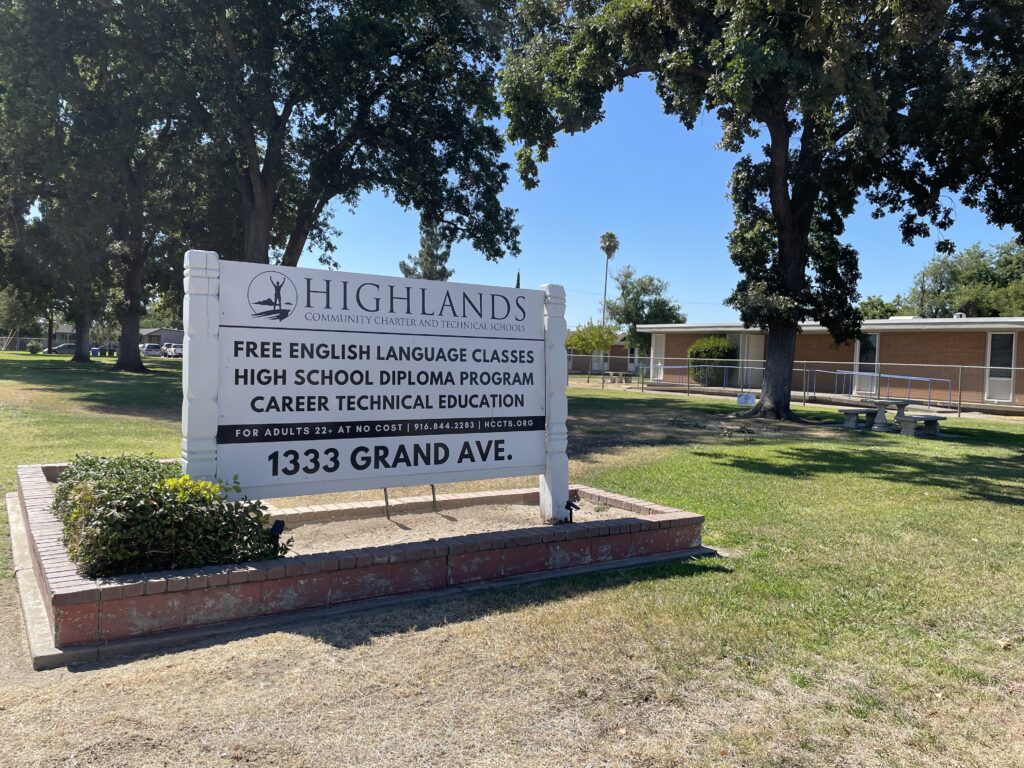
A vote by the Twin Rivers Unified School District board this week does not bode well for the future of Highlands Community Charter and Technical Schools, which has been under scrutiny since a state audit found it had received more than $180 million in K-12 funds it was not eligible to collect.
The board voted Tuesday night not to allow Highlands to revise the charters of its two schools to modify its locations to 13 school sites and two administrative sites — all in Sacramento County. The change would have saved school funds and addressed violations made when the charter expanded its operations without the district’s approval, according to the agenda item.
But more importantly, the vote, which went against the recommendation of Twin Rivers Unified staff, may indicate how the board will vote later this month when it decides whether to close Highlands Community Charter and Technical Schools.
The Sacramento County charter operates Highlands Community Charter School and the California Innovative Career Academy, a virtual school. The schools help adult students, many formerly incarcerated and new immigrants, to earn a diploma, improve English language skills, or learn a trade.
The audit of the charter was one of the reasons California state legislators have been considering increased charter school oversight.
Highland’s new executive director, Jonathan Raymond, was surprised by the vote, which came without explanation. “It was a vote against a really underserved community, refugees and immigrants, and we’re the only option for them. So, we fight on,” he said.
School board members could not be reached for comment by press time.
Twin Rivers Unified, as authorizer of the charter school, has also been under considerable pressure since the report by the California State Auditor’s Office was made public. The audit blamed the school district, the Sacramento County Office of Education and the California Department of Education for not taking appropriate action after a 2018 Fiscal Crisis and Management Assistance Team (FCMAT) report revealed problems with the charter.
In June, shortly before the state audit was made public, Twin Rivers Unified also put the charter school on notice. Along with some of the same violations found by the state, the district said the charter school had not submitted an independent audit and operated at locations its board had not approved.
At its peak, the charter had expanded to more than 50 school sites throughout the state and had about 13,700 students. After closing most of its sites in June, its enrollment is down to 1,500 students.
At a December hearing on whether to close the charter, Highlands leaders asked Twin Rivers Unified trustees to allow them to revise their schools’ charters and remain open. They proposed a material revision that would include a new list of locations, adding 11th grade, and outlining plans for seven career technical programs. Currently, the school serves adult students in first, second and 12th grades.
The charter school submitted a revised proposal on Jan. 2 that only included a list of school sites. Raymond told EdSource that Twin Rivers staff recommended addressing changes to the education program when it files a petition for renewal in 2027.
The vote to deny the charter revision means the school will have to use an already approved list of schools, which includes all of the schools in the proposed charter revision, except for a site in Folsom that houses some of the staff for its virtual program. The staff will be moved by the end of the month, Raymond said on Wednesday.
Highlands will not be required to reopen schools on the formerly approved list that it is not currently using, according to Raymond.
If the Twin Rivers Unified board votes to revoke the charters of Highlands Community Charter and Technical Schools, school leaders could appeal to the Sacramento County Office of Education or ask its board to take over as authorizer of the charter.
After Tuesday’s meeting, Raymond and his staff are looking at their options.
“We will exhaust every avenue we have to keep our school going, to enable us to continue to make the reforms that are necessary, so we can serve this really important and vulnerable population of immigrants and refugees who are even more vulnerable right now because of everything that’s going on in the country,” Raymond said.