
Gavin Newsom has a problem.
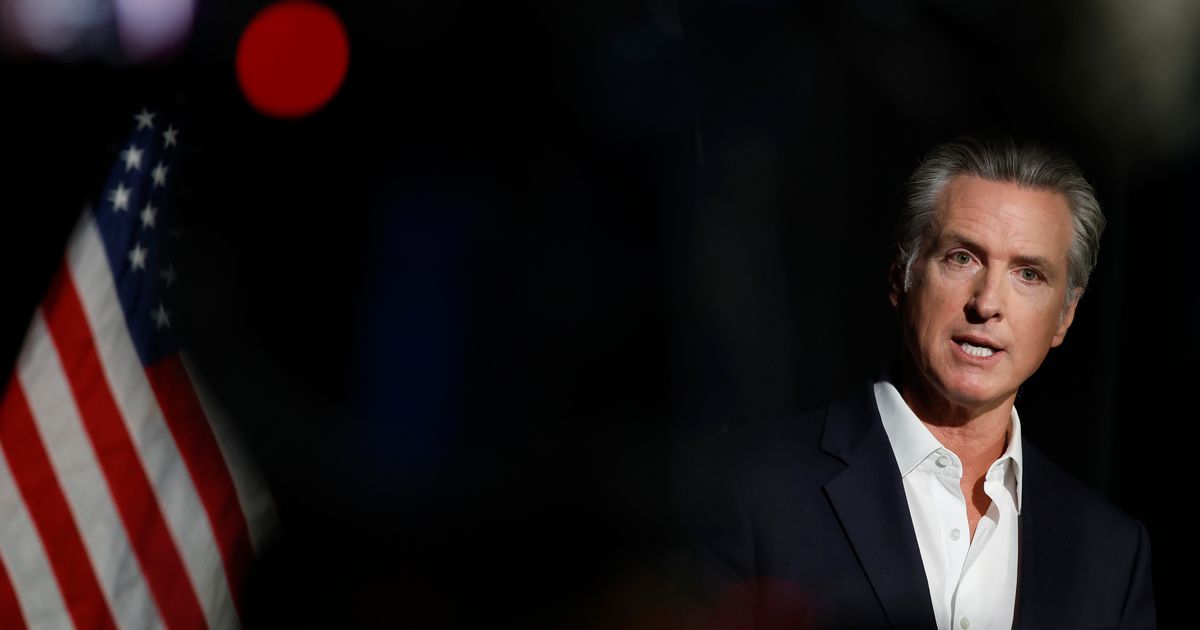
Photo: Justin Sullivan/Getty Images
Gavin Newsom is widely expected to run for president in 2028. But he faces some major problems during his last year as governor of California. He’s required to balance his budget. But that’s led him to propose some social-spending cuts that have upset progressives and union leaders, particularly when they were compounded by even greater cuts from Trump’s Republican Congress. Now these progressives are pushing a ballot initiative to recoup some of that lost money with a 5 percent tax on California’s 200 (or so) billionaires.
This “billionaire tax” has garnered national headlines and a show of resistance from the targeted one-percenters, particularly in Silicon Valley. Google co-founder Larry Page cited the threat as the reason he’s moving to Delaware. Other rich tech executives have threatened to follow him, and also to raise heaven and earth (and a lot of money) to defeat the tax at the polls. They’ve even talked about funding a primary challenge to Silicon Valley representative Ro Khanna (another potential 2028 Democratic presidential candidate) after he made some positive noises about wealth taxes.
Newsom doesn’t want to leave Sacramento for the national campaign trail fresh from presiding over the decline or death of Silicon Valley. Nor does he want to be associated with a big tax increase.
So, after issuing a series of muted warnings about the billionaire-tax proposal, Newsom came out strongly against it this week, as the Guardian reported:
In interviews with Politico and the New York Times published on Monday, Newsom described his office’s efforts to kill the proposed billionaire tax and told the Times he would “do what I have to do to protect the state”. As a direct-to-voters ballot initiative, Newsom would not have the power to veto the tax if the proposal passed.
But as Politico also quickly noted, Newsom’s trumpet blast is best understood as a let’s-make-a-deal overture to the unions backing the tax (especially the health-care-industry powerhouse SEIU-UHW and its president, Dave Regan), who could withdraw the initiative if their underlying concerns are addressed:
[D]espite the gulf between them, both Newsom and Regan have ample experience forging deals to clear labor initiatives off the ballot — including with each other. In 2022, the Newsom administration and a labor coalition that included Regan struck an agreement to raise the state’s minimum wage for health care workers to $25 an hour.
A deal won’t be easy to reach without some sort of tax-increase proposal. But it would save everybody on both sides of the issue the huge amounts of money they are sure to expend on a ballot fight. And avoiding this ideologically charged collision would also protect Newsom’s reputation as a politician with a foot in both the labor-progressive and business-friendly “centrist” camps of his party. If push comes to shove, Newsom has made it clear that sacrificing hard-core progressive support down the road by helping kill the billionaire tax is a risk he’s willing to take.
In any event, you can expect Newsom to continue burnishing his credentials as a Democrat who gets under Trump’s skin with perpetual social-media trolling. That could go a long way toward making him acceptable to people who might otherwise consider him too cautious or too solicitous of oligarchs.
Sign Up for the Intelligencer Newsletter
Daily news about the politics, business, and technology shaping our world.
Vox Media, LLC Terms and Privacy Notice