
One year after California’s Proposition 36 went into effect, increasing penalties for certain repeat theft and drug crimes, opinions remain divided on its effectiveness.The measure, which received overwhelming support from voters, allows petty theft or shoplifting to be charged as a felony if the person has two or more related prior convictions. The same applies to possession of hard drugs like fentanyl, cocaine, or meth if the individual has two or more prior drug convictions. In addition, Prop 36 established a new process for defendants or suspects to undergo treatment in lieu of time in prison or jail.”As of December 18, 2024, the way in which we filed drug possession cases changed drastically,” said Stanislaus County’s Assistant Chief Deputy District Attorney Dannica Molina. “The goal is treatment.”Now, more than one year in, many are evaluating whether it is accomplishing that goal. “Prop 36 is a failure,” said Jennifer Jennison, Stanislaus County’s Chief Public Defender.”It seems to be working here for us,” Molina said.In the first 10 months of the new law, the Stanislaus County District Attorney’s Office said it charged 770 people under Prop 36 with felony drug charges. That is more than other counties in the Sacramento Valley, including more populous areas like San Joaquin and Sacramento counties. “It’s disheartening. It’s completely frustrating,” Jennison said.Data from the DA’s Office in Stanislaus County shows that out of the 770 charged at the time, 145 had chosen treatment. That means that they had to plead guilty or no contest to the felony, they were supposed to get a substance abuse and mental health assessment, and then they could begin treatment.If they complete the treatment successfully, then their case should be dismissed. KCRA 3 Investigates asked about some of the challenges that came up in the first year of the law’s implementation.“I think some of the challenges would be getting them into that treatment,” Molina said. “Some of them are in custody at the time of their assessment. And, so, the assessment may come back that they are amenable to treatment and that they wish to actually participate. But sometimes their intake appointments aren’t until weeks later, because this program is new. We are still making those adjustments to make sure that we have the services for everyone who wishes to participate in them.”But the county’s Chief Public Defender sees it as more than just a sign of growing pains.”The majority of the individuals charged need something more than a simple outpatient program,” Jennison said. “They are receiving a 15-minute assessment. They’re answering questions, many of them while they’re still in the jail, about their most recent substance use. And they’re getting a piece of paper that’s telling them, go do outpatient treatment.”Jennison believes that this is simply setting people up to fail.Numbers from other Northern California counties show that most people are not choosing treatment. Data from Yolo County from Dec. 18, 2024, through November 5, 2025, showed that 10 defendants out of the 80 charged at the time had opted for treatment.Assistant Chief Deputy District Attorney Garrett Hamilton said it’s not a number that the office is happy about, but that it is still “better than where we were before Prop 36.”Before Prop 36, the cases would be misdemeanors.“If you charge it as a misdemeanor, I mean, you might as well give ‘em a voucher to buy drugs from a drug dealer,” Hamilton said. “It’s gonna have absolutely no effect on them at all. In fact, they probably won’t come to court, let alone get convicted and use probation to fix their demons.”Hamilton believes that Prop 36 has not given counties the tools to make a difference, but he accused the public defender’s office of trying to thwart the success of the new law.“There’s definitely an emphasis on not getting people through the Prop 36 treatment program at the Public Defender in Yolo County,” Hamilton said.Tracie Olson is Yolo County’s chief public defender and the president of the California Public Defenders Association.“We all identified pretty early that Proposition 36 was a trick,” she said.She said it re-criminalized behavioral health issues without funding treatment. “But the real crux, the real trick, in my opinion, of what this law did is if somebody even is in treatment and doing very, very well, if they have a relapse and they have a they suffer a conviction that’s related to that relapse, the judge has no discretion but to terminate them from treatment and send them to prison or jail,” Olson said.She said that flies in the face of what experts would say, which is that relapse is part of recovery.”We still value treatment. We still want our clients to get better. We just want them to be better in a system that’s going to be effective for them,” Olson said.There are other avenues for defendants to receive treatment without automatically getting a felony on their record if things do not go well. For instance, the mental health diversion program allows people to seek treatment without requiring them to first plead guilty or no contest to the charges against them.This story was produced as part of “California Politics 360.” See more from the program here. See more coverage of top California stories here | Download our app | Subscribe to our morning newsletter | Find us on YouTube here and subscribe to our channel
One year after California’s Proposition 36 went into effect, increasing penalties for certain repeat theft and drug crimes, opinions remain divided on its effectiveness.
The measure, which received overwhelming support from voters, allows petty theft or shoplifting to be charged as a felony if the person has two or more related prior convictions. The same applies to possession of hard drugs like fentanyl, cocaine, or meth if the individual has two or more prior drug convictions.
In addition, Prop 36 established a new process for defendants or suspects to undergo treatment in lieu of time in prison or jail.
“As of December 18, 2024, the way in which we filed drug possession cases changed drastically,” said Stanislaus County’s Assistant Chief Deputy District Attorney Dannica Molina. “The goal is treatment.”
Now, more than one year in, many are evaluating whether it is accomplishing that goal.
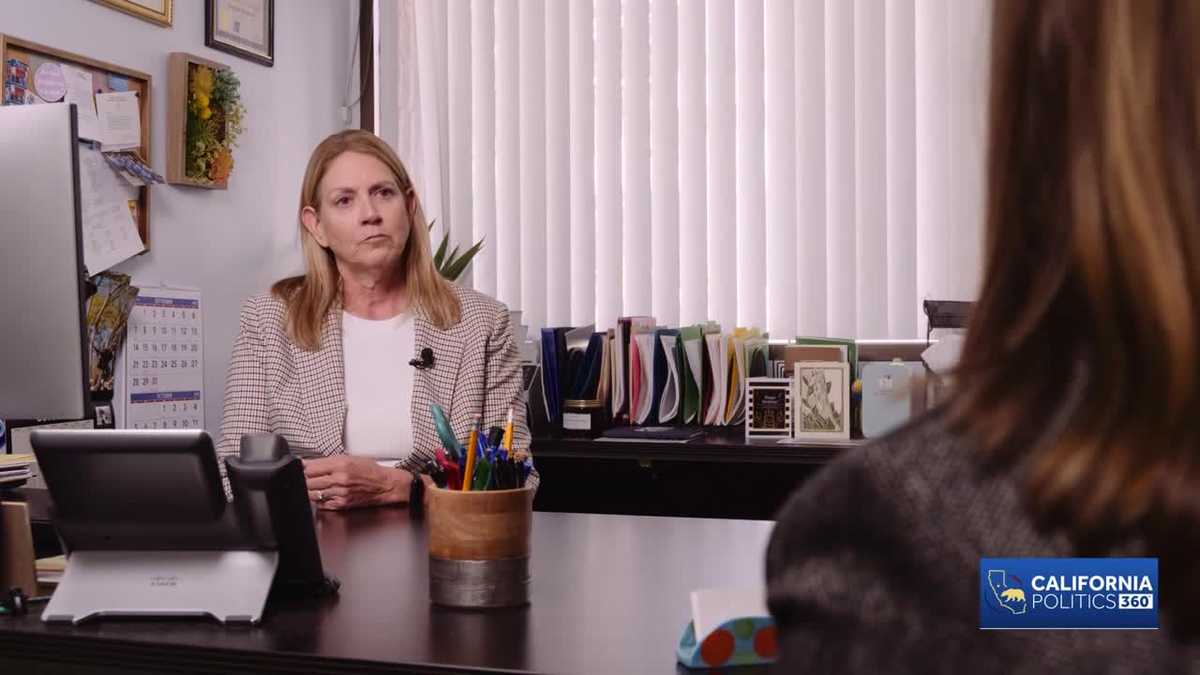
“Prop 36 is a failure,” said Jennifer Jennison, Stanislaus County’s Chief Public Defender.
“It seems to be working here for us,” Molina said.
In the first 10 months of the new law, the Stanislaus County District Attorney’s Office said it charged 770 people under Prop 36 with felony drug charges. That is more than other counties in the Sacramento Valley, including more populous areas like San Joaquin and Sacramento counties.
“It’s disheartening. It’s completely frustrating,” Jennison said.
Data from the DA’s Office in Stanislaus County shows that out of the 770 charged at the time, 145 had chosen treatment.
That means that they had to plead guilty or no contest to the felony, they were supposed to get a substance abuse and mental health assessment, and then they could begin treatment.
If they complete the treatment successfully, then their case should be dismissed.
KCRA 3 Investigates asked about some of the challenges that came up in the first year of the law’s implementation.
“I think some of the challenges would be getting them into that treatment,” Molina said. “Some of them are in custody at the time of their assessment. And, so, the assessment may come back that they are amenable to treatment and that they wish to actually participate. But sometimes their intake appointments aren’t until weeks later, because this program is new. We are still making those adjustments to make sure that we have the services for everyone who wishes to participate in them.”
But the county’s Chief Public Defender sees it as more than just a sign of growing pains.
“The majority of the individuals charged need something more than a simple outpatient program,” Jennison said. “They are receiving a 15-minute assessment. They’re answering questions, many of them while they’re still in the jail, about their most recent substance use. And they’re getting a piece of paper that’s telling them, go do outpatient treatment.”
Jennison believes that this is simply setting people up to fail.
Numbers from other Northern California counties show that most people are not choosing treatment.
Data from Yolo County from Dec. 18, 2024, through November 5, 2025, showed that 10 defendants out of the 80 charged at the time had opted for treatment.
Assistant Chief Deputy District Attorney Garrett Hamilton said it’s not a number that the office is happy about, but that it is still “better than where we were before Prop 36.”
Before Prop 36, the cases would be misdemeanors.
“If you charge it as a misdemeanor, I mean, you might as well give ‘em a voucher to buy drugs from a drug dealer,” Hamilton said. “It’s gonna have absolutely no effect on them at all. In fact, they probably won’t come to court, let alone get convicted and use probation to fix their demons.”
Hamilton believes that Prop 36 has not given counties the tools to make a difference, but he accused the public defender’s office of trying to thwart the success of the new law.
“There’s definitely an emphasis on not getting people through the Prop 36 treatment program at the Public Defender in Yolo County,” Hamilton said.
Tracie Olson is Yolo County’s chief public defender and the president of the California Public Defenders Association.
“We all identified pretty early that Proposition 36 was a trick,” she said.
She said it re-criminalized behavioral health issues without funding treatment.
“But the real crux, the real trick, in my opinion, of what this law did is if somebody even is in treatment and doing very, very well, if they have a relapse and they have a they suffer a conviction that’s related to that relapse, the judge has no discretion but to terminate them from treatment and send them to prison or jail,” Olson said.
She said that flies in the face of what experts would say, which is that relapse is part of recovery.
“We still value treatment. We still want our clients to get better. We just want them to be better in a system that’s going to be effective for them,” Olson said.
There are other avenues for defendants to receive treatment without automatically getting a felony on their record if things do not go well. For instance, the mental health diversion program allows people to seek treatment without requiring them to first plead guilty or no contest to the charges against them.
This story was produced as part of “California Politics 360.” See more from the program here.
See more coverage of top California stories here | Download our app | Subscribe to our morning newsletter | Find us on YouTube here and subscribe to our channel