
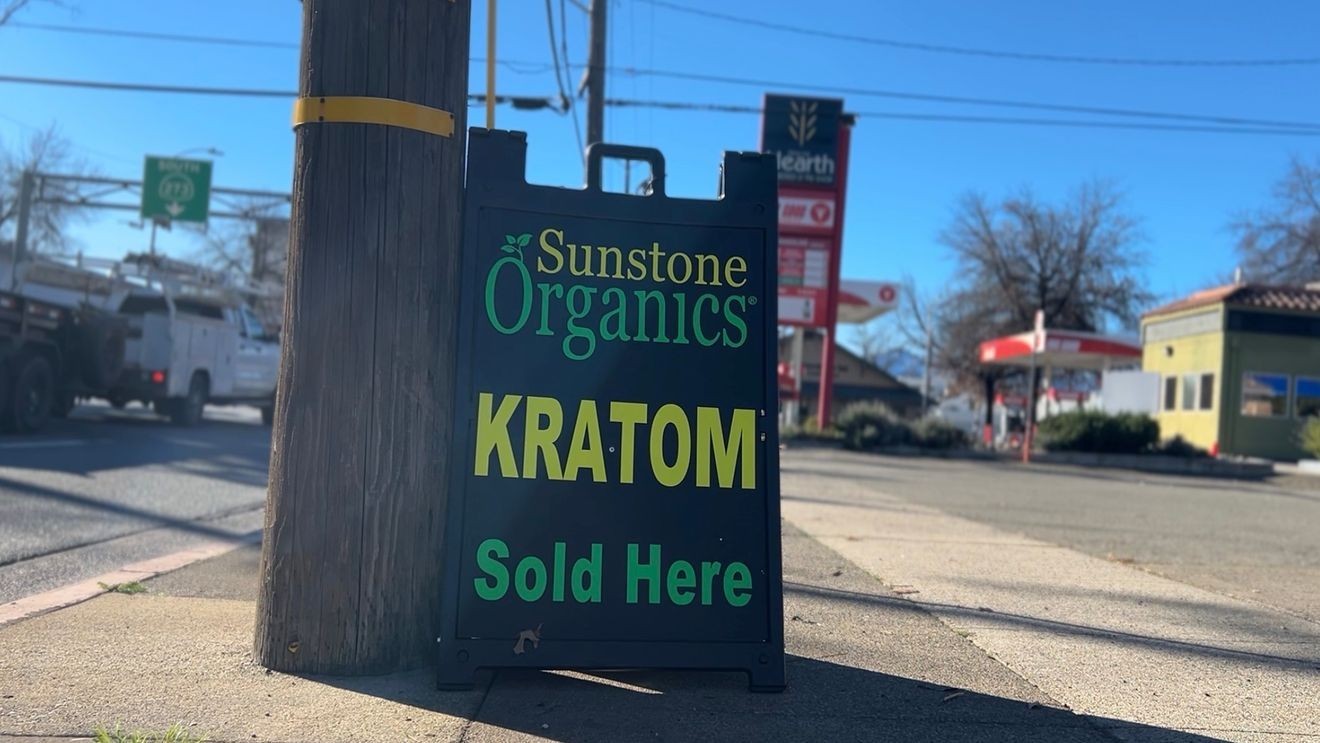
SHASTA COUNTY, California — California’s Department of Public Health put out a public notice that they would be enforcing a ban on the sale of any and all Kratom products or synthetic derivatives like 7-OH. Warning they had already put retailers on notice earlier in the month and enforcement would begin immediately, working in conjunction with the state’s licensing and tax agencies.
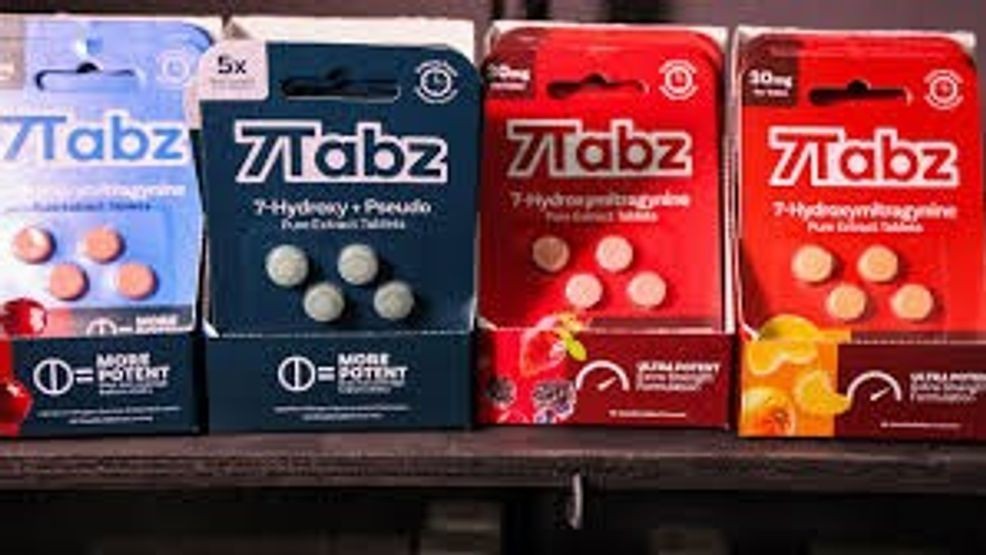
Kratom and its synthetic offshoot, 7-OH, can be found in a variety of forms across retailers. The CDPH says all of them are not legal for sale. Photo provided by CDPH
Kratom and its synthetic form 7-hydroxymitragynine, commonly known as 7-OH, can be found in a variety of products at most gas stations and tobacco shops. CDPH officials stated all of these products are being sold in violation of federal and state law, as no Kratom or product has been approved for sale by the FDA. Despite this they claim Kratom and 7-OH manufacturers advertise their products as treatments for dietary issues, anxiety, opioid addiction, and other medical concerns.
Related Coverage
Kratom debate intensifies as availability raises concerns in Redding
Redding clinic stresses community collaboration to tackle local substance use crisis
Officials concerns around the products stem from several deaths across the country in 2025 that were attributed in part to kratom or 7-OH products, including six deaths in Los Angeles County. They cited the Sherman Food, Drug, and Cosmetic Act as what gives them the power to restrict the sale of misleading or adulterated products. After further questions a CDPH spokesperson clarified they consider all Kratom derived products to be under this classification, and have already confiscated over $5,000,000 worth of merchandise.
Working with both the California Department of Alcohol Beverage Control and California Department of Tax and Fees the CDPH shared they are cracking down on both manufacturers and retailers. Having already sent out letters to both demanding they cease creating or selling kratom or 7-OH products or face enforcement. Which can range from fees up to $1,000 per day to total revocation of their operating permits or license.
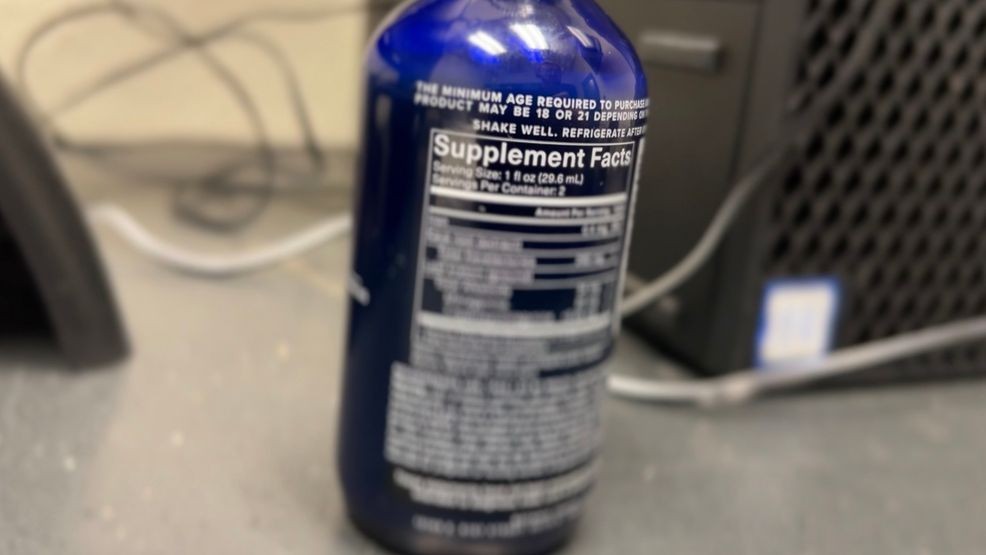
There are no regulations around kratom products currently, and while Lowe shared many natural kratom products have labels saying the products are not for people under 21 it is rare for retailers to ask for ID due to the lack of requirement. A Northstate News employee purchased this bottle and was not asked to prove their age. Photo taken at KRCR January 16th, 2026.(KRCR)
There is no criminal punishment possible, as currently California does not have any laws on the books actually regulating the sale of kratom or 7-OH products. Although this move comes as two regulatory bills move through the statehouse, Senate Bill 758 which would make it a misdemeanor for the sale or manufacturing of synthetic 7-OH products, and Assembly Bill 1088 which bans the sale of any kratom product to anyone under 21.
Matthew Lowe, Executive Director of the Global Kratom Coalition shared they support both bills. Lowe claimed he and many natural kratom manufacturers are given a bad name by manufacturers of the synthetic 7-OH. Explaining the chemical it uses is derived from a small portion of the total makeup of natural kratom products, but is what creates the more intense opioid-like effects seen in some kratom products.
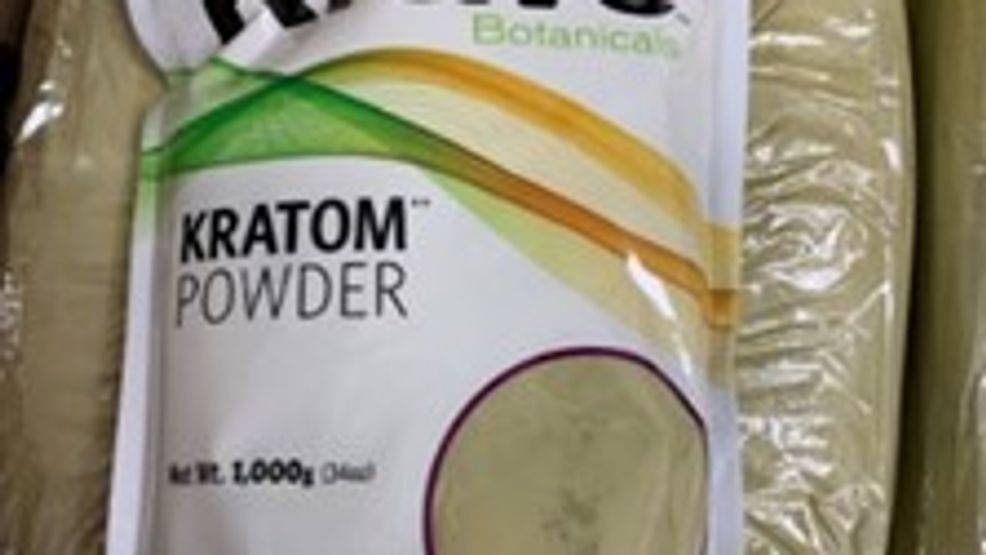
Kratom and its synthetic offshoot, 7-OH, can be found in a variety of forms across retailers. The CDPH says all of them are not legal for sale. Photo provided by CDPH
“That’s how these products are being sold,” Lowe said referring to several 7-OH brands that advertise themselves as opioid replacements. “That’s illegal because you’ve created a drug. If you’ve created something that can replace Percocet it should of followed the same regulatory pathway that Percocet did.“
Lowe also claimed 7-OH products typically use misleading advertising targeting both adults and children.
However the CDPH’s warning does not differentiate between natural and synthetic versions. Stating they consider both kratom and 7-OH products as dangerous products that violation of federal law and state law. Citing side effects like addiction and withdrawal symptoms, anxiety, seizures, and fatal respiratory depression.
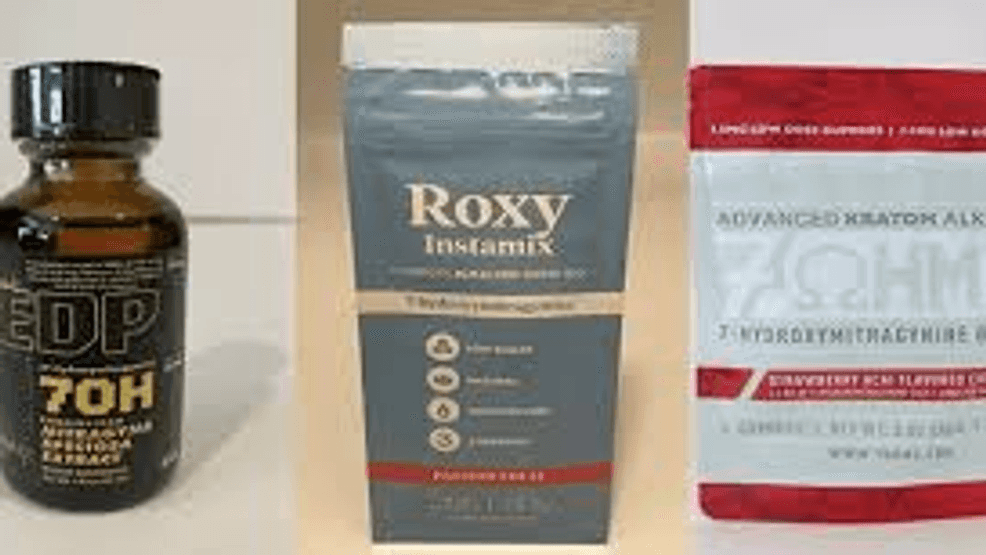
Kratom and its synthetic offshoot, 7-OH, can be found in a variety of forms across retailers. The CDPH says all of them are not legal for sale. Photo provided by CDPH
Shasta County Public Health Department shared they have seen few impacts or deaths attributed to kratom products. However the Northstate News has spoken with several residents who admitted they have suffered from addiction to kratom.