
California’s star is dimming.
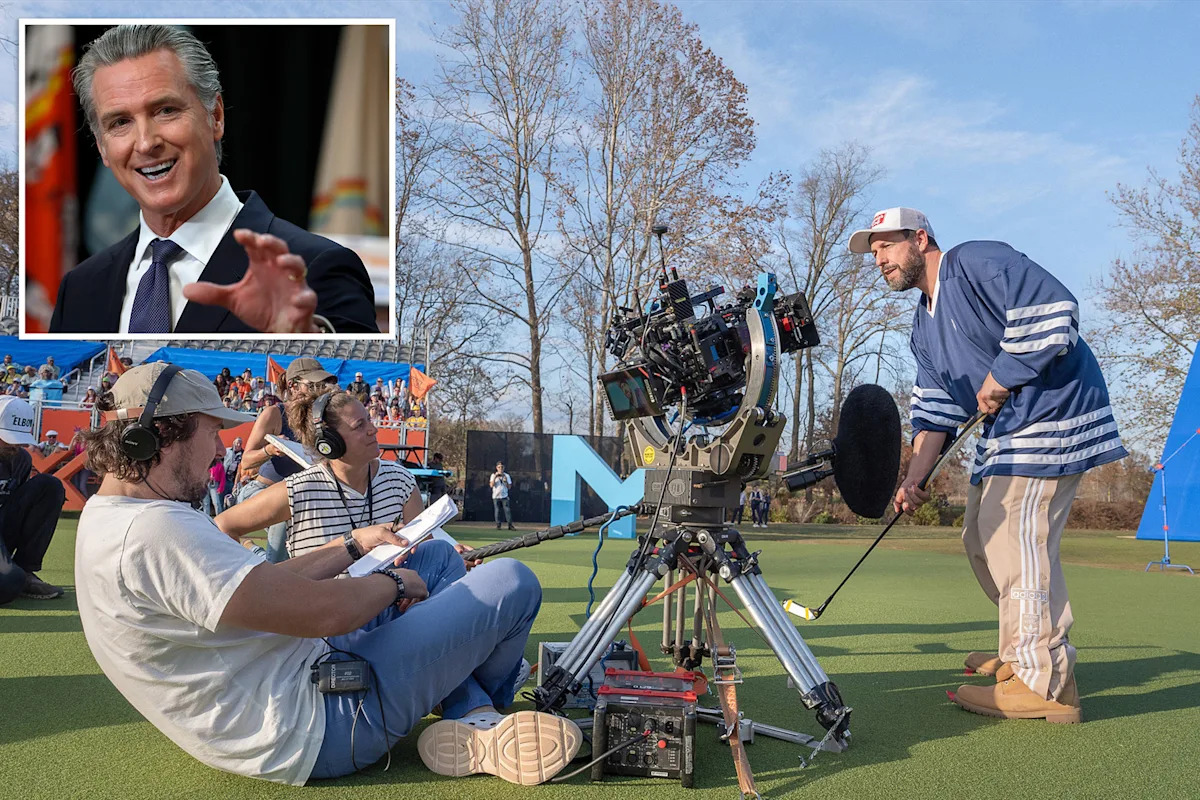
The Golden State could be losing more than $1 billion in film and TV production spending to rival states — even after Gov. Gavin Newsom rolled out record tax incentives to keep Hollywood at home.
California saw 20% fewer movie and TV projects filming in the state compared to a year ago, while spending on big and small screen productions also fell 22%, according to a new data analysis by The Hollywood Reporter.
The slump came even after Democrat Newsom signed legislation doubling California’s film and TV tax credit program from $330 million to $750 million annually, in an effort to keep such projects local.
“Although our overall numbers remain low, there are dozens of incentivized projects that have yet to begin filming,” FilmLA Vice President Philip Sokoloski told The Hollywood Reporter, urging patience as the expanded incentives begin to take effect.
Los Angeles alone logged just 19,694 filming days last year — a 16.1% drop from 2024 — underscoring how sharply production activity has slowed even in Hollywood’s backyard.
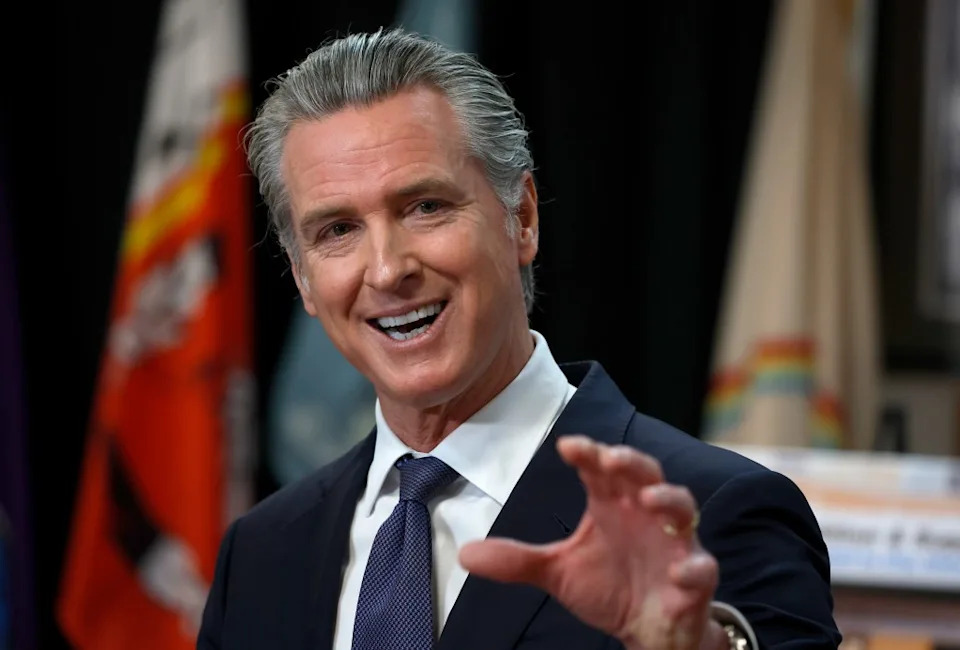
Even with Gov. Gavin Newsom’s record Hollywood tax incentives, California saw 20% fewer movie and TV projects filming in the state. Getty Images
Meanwhile, rival states are cashing in.
New York had a 31% jump in film and TV production as Hollywood increasingly looked elsewhere, according to a report from industry tracker ProdPro.
In New Jersey, filming surged 75% in the fourth quarter and production spending rose 12%, fueled by generous tax breaks and new studio developments, the report found.
Netflix’s “Happy Gilmore 2” recorded $152.5 million in qualified spending in the Garden State during a 60-plus day shoot, according to industry data — a single production budget that rivals what many smaller California projects spend combined.
New Jersey is also building massive new studio infrastructure to lock in that momentum. Netflix is investing $1 billion in a new East Coast production hub with 12 soundstages, while Paramount and Lionsgate have inked long-term leases at newly constructed studio lots.
Illinois also posted major gains, with filming up 70% year-over-year and spending climbing 46%.
Chicago is fast becoming a Midwest production hub, hosting major TV franchises like “Chicago Fire,” “Chicago P.D.,” “Chicago Med” and FX’s “The Bear,” as studios spread projects across cheaper, incentive-friendly states.
The shifts suggest California is losing well over $1 billion in production spending to other states — even after rolling out its biggest incentive boost yet.
The Newsom administration pushed back on the idea that Hollywood was abandoning California, arguing the incentive expansion was already showing results.
“California remains the top destination for film and television production,” said Tara Gallegos, deputy director of communications for the governor’s office.
“In 2025, the Governor more than doubled the state’s Film and Television Tax Credit program — from $330 million to $750 million — and implemented key updates to keep production, below-the-line jobs, and investment rooted in California.”

Netflix’s “Happy Gilmore 2” recorded $152.5 million in qualified spending in New Jersey during a 60-plus day shoot, according to industry data. Netflix/Courtesy Everett Collection
Officials said major studios and streamers were still choosing California, citing recent tax-credit recipients including Apple TV+’s “The Studio” and “Bad Monkey,” HBO’s “The Pitt,” CBS’ “Matlock,” Warner Bros.’ “Joker: Folie à Deux,” Netflix’s “Beverly Hills Cop 4,” Fox’s “This Is Us” and Universal’s “Nope.”
According to Newsom’s office, applications for the tax credit have jumped more than 400%, and 42 new projects were announced in just the last two months of 2025. The California Film Commission has green-lit 28 new titles to begin filming soon, forecasting $562 million in total economic activity from those shoots.
“These tax credit programs directly benefit the below-the-line workforce — the electricians, set builders, costume designers, camera operators, and thousands of other skilled professionals who bring stories to life,” Gallegos said, adding that the expanded program is now one of the largest capped film incentives in the nation.
Still, industry analysts warn that California faces stiff competition not just from other states, but globally.
Overall US production fell 4% in the fourth quarter, while Canada and the UK both posted double-digit growth, signaling that studios are now hunting worldwide for the cheapest locations.