
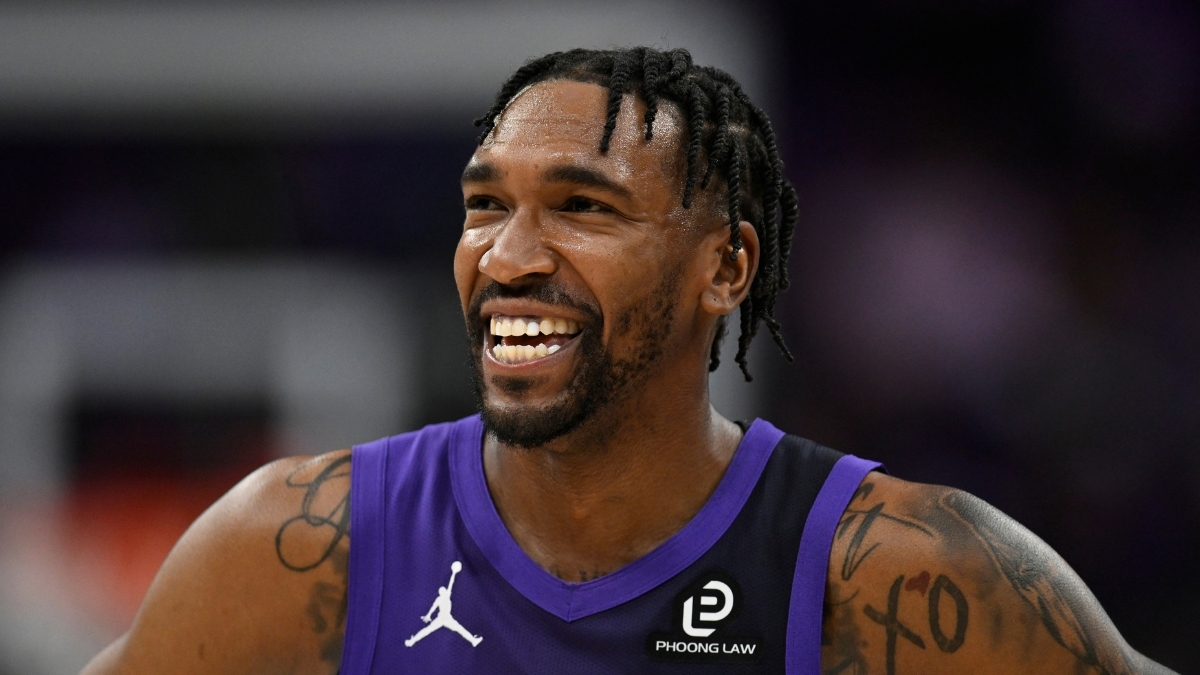
In the NBA, disappointment is relative to expectation. A team can sit comfortably above .500 and still feel as though it is underachieving if its internal goals are loftier than the standings suggest.
That is where the Houston Rockets currently reside. At 25–15, Houston is firmly in the playoff mix and positioned fifth in the Western Conference. On paper, that is progress. In reality, this was a group that entered the season believing it could challenge the Oklahoma City Thunder at the top of the conference. Being part of the pack instead of dictating it has left the Rockets searching for marginal upgrades rather than sweeping changes.
The Sacramento Kings are operating from a very different emotional baseline. At 10–35, Sacramento owns one of the league’s worst records and has slipped well below even modest preseason expectations. The Kings are not a piece away. They are a direction away.
That divergence creates an opening. One team is trying to stabilize and sharpen. The other needs to cash out and reset. A trade between Houston and Sacramento could serve both purposes.
Houston Rockets Land Malik Monk in NBA Trade Scenario
Sacramento Kings Receive:
Houston Rockets Receive:
Why the Sacramento Kings Do the Deal
There was a time not long ago when Malik Monk carried real first-round-pick value. That perception has softened, not because Monk has forgotten how to score, but because of a shifting market and a changing role.
Monk is averaging 11.9 points, 2.0 rebounds, and 2.3 assists across 35 games this season. Over his last six outings, his production has ticked up to 14.2 points and 3.3 assists in just 23.0 minutes per game, a reminder that his offensive punch remains intact. Still, Sacramento is staring at a long runway back to relevance, and Monk’s timeline no longer neatly aligns with it.
The contract context matters as well. Monk is in the first season of a four-year, $78 million deal signed in July 2024 using Early Bird rights. The agreement averages roughly $19.5 million annually and includes a player option for 2027–28. For a rebuilding team, that is meaningful salary committed to a player who does not raise the floor enough to justify holding through a reset.
In return, the Kings would prioritize flexibility over upside. Finney-Smith’s start in Houston has been uneven, but Sacramento would not be acquiring him to anchor a playoff run. They would be acquiring an expiring-value veteran whose defensive reputation could be rehabilitated and potentially flipped later. Capela offers similar logic as a movable veteran center, while the three second-round picks quietly do the heavy lifting. For a franchise short on draft capital, volume matters.
At this stage, the Kings’ priority should be extracting whatever value exists from their veterans and committing fully to a rebuild. Moving Monk at his current market level, rather than waiting for further depreciation, fits that mandate.
Why the Houston Rockets Do the Deal
Houston did not sign Finney-Smith and Capela with the intention of turning around and dealing them. Circumstances changed. The loss of Fred VanVleet has created a real need for secondary ball-handling and on-demand offense, especially in late-clock situations.
Monk addresses that directly. He can create his own shot, but he is also comfortable operating without the ball, an important distinction on a roster that continues to develop multiple playmaking hubs. His presence would allow Alperen Şengün, Reed Sheppard, and Amen Thompson to grow into expanded responsibilities without being overextended.
The risk is obvious. At his best, Finney-Smith is a more complete two-way contributor than Monk. If his struggles in Houston are simply rust or role-related, the Rockets could look back on this deal with regret. They would also be sacrificing frontcourt depth by moving Capela.
Still, Houston is operating from a position of relative strength. Most of its core is under 25, and the organization has already moved beyond asset accumulation into refinement. Monk is not a swing-for-the-fences acquisition. He is a targeted one, designed to stabilize the offense and raise the team’s half-court ceiling.
Bigger Picture for Malik Monk
Both teams are disappointing, but the implications are very different.
Houston is in its third competitive season after a prolonged rebuild. Outside of Kevin Durant, the Rockets’ most important pieces are still early in their careers. There is time to adjust, recalibrate and layer in complementary talent without panic.
Sacramento does not have that luxury. The Kings are worse than they have been in years, and the long stretch of mediocrity before this collapse has left little margin for error. Continuing to tread water offers no upside. Coming ashore and starting over does.
A deal like this would not fix everything for either side. It would, however, align each franchise more closely with where it actually is rather than where it hoped to be. Sometimes, that is the most important move of all.