
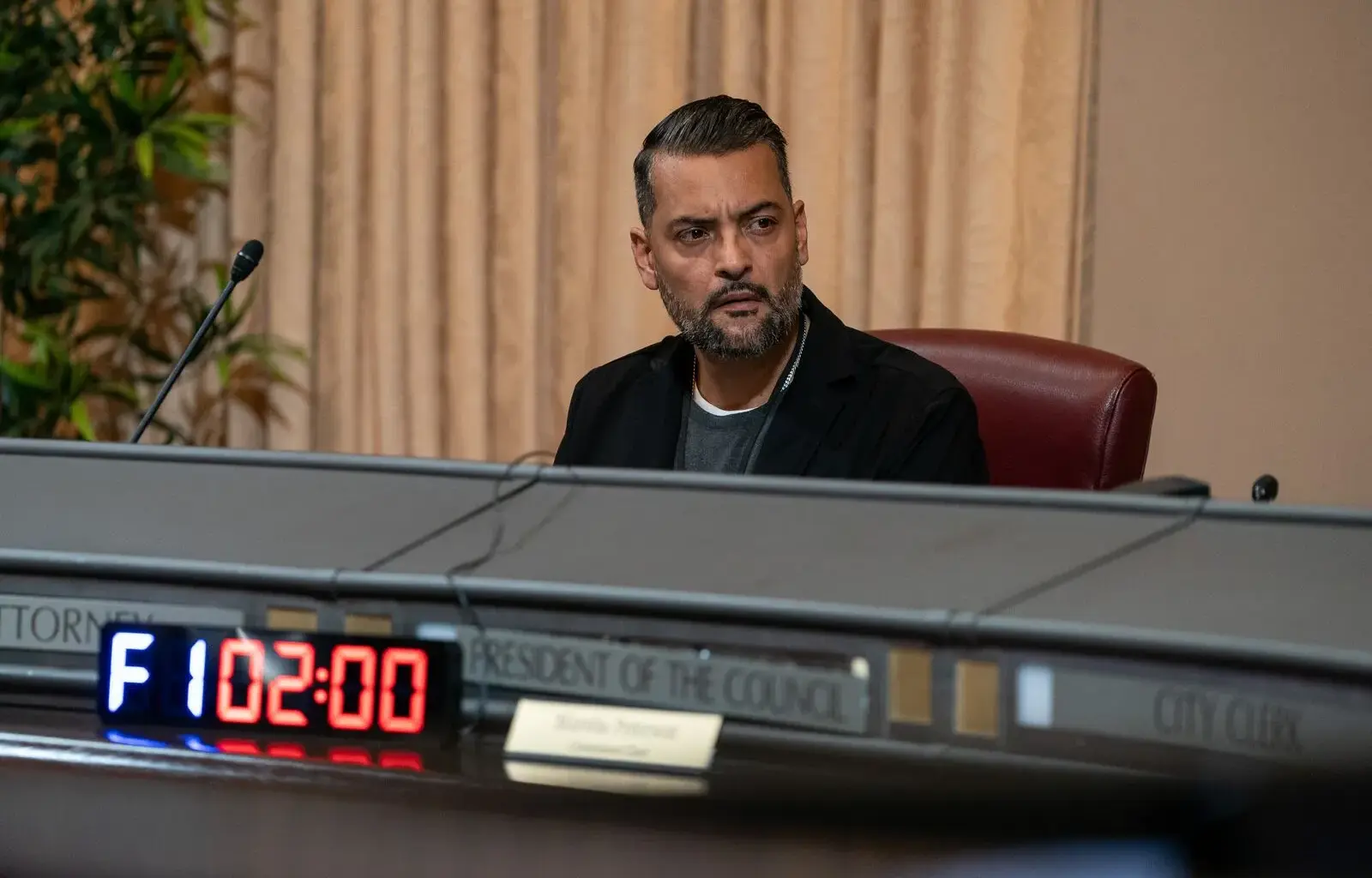
Oakland leaders have declined for the second time to reappoint two incumbents to the Police Commission, the civilian body overseeing the Oakland Police Department.
At the City Council meeting Tuesday night, all but two council members — Carroll Fife and Noel Gallo — voted to reject the nominees submitted by the Police Commission Selection Panel in December: Ricardo Garcia-Acosta, chair of the commission, and Omar Farmer, an alternate commissioner. The commissioners’ terms expired in October, but both have continued to serve in a holdover capacity.
The council’s months-long kerfuffle over whether to retain Garcia-Acosta and Farmer represented an unusual degree of involvement in a typically straightforward, uncontroversial process.
Garcia-Acosta and Farmer have faced opposition from anti-civilian police oversight activists who have argued that the commission, during their tenures, has been too hostile to the police department. They believe the commission’s scrutiny of OPD’s policies and practices, as well as its team of civilian investigators who examine police misconduct cases, is partly to blame for OPD’s many problems, including low staffing and difficulty recruiting and retaining officers.
“I do not think an appointed volunteer should have this much power without accountability,” Oakland resident Anand Joshi said at an October meeting of the City Council.
Supporters of the two commissioners say the council’s involvement in picking commissioners is an “unprecedented assault” on the Police Commission’s independence. In an email sent Tuesday before the council meeting, the Anti Police-Terror Project, an activist group critical of the police, wrote that the council’s decision is “a sharp departure from long-standing City Council practice,” and that it “undermines voter-approved oversight structures, and signals a dangerous shift toward police union influence over civilian accountability.”
learn more about the police commission

Oakland Police Commission shakeup continues at City Hall
January 8, 2026Jan. 8, 2026, 4:08 p.m.
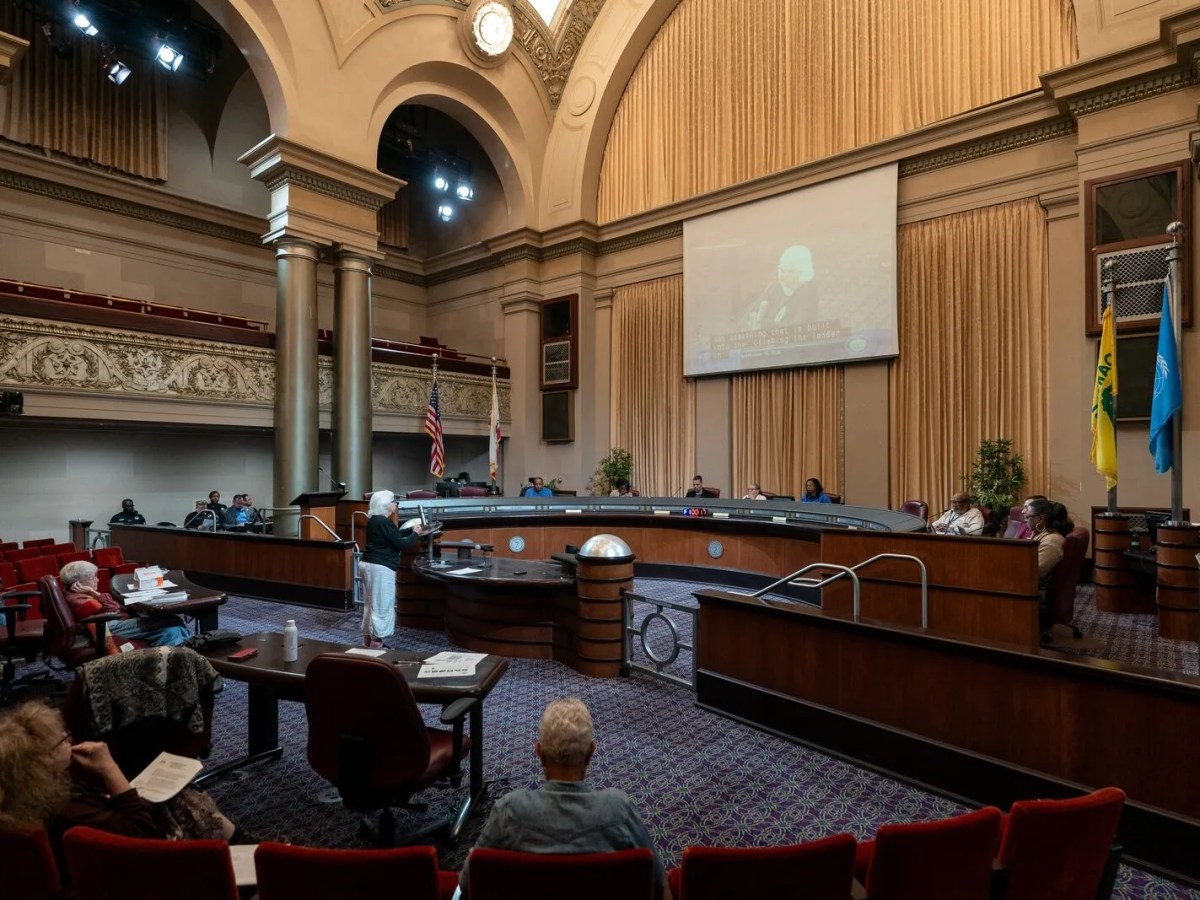
What is the Oakland Police Commission?
November 5, 2025Nov. 5, 2025, 10:56 a.m.
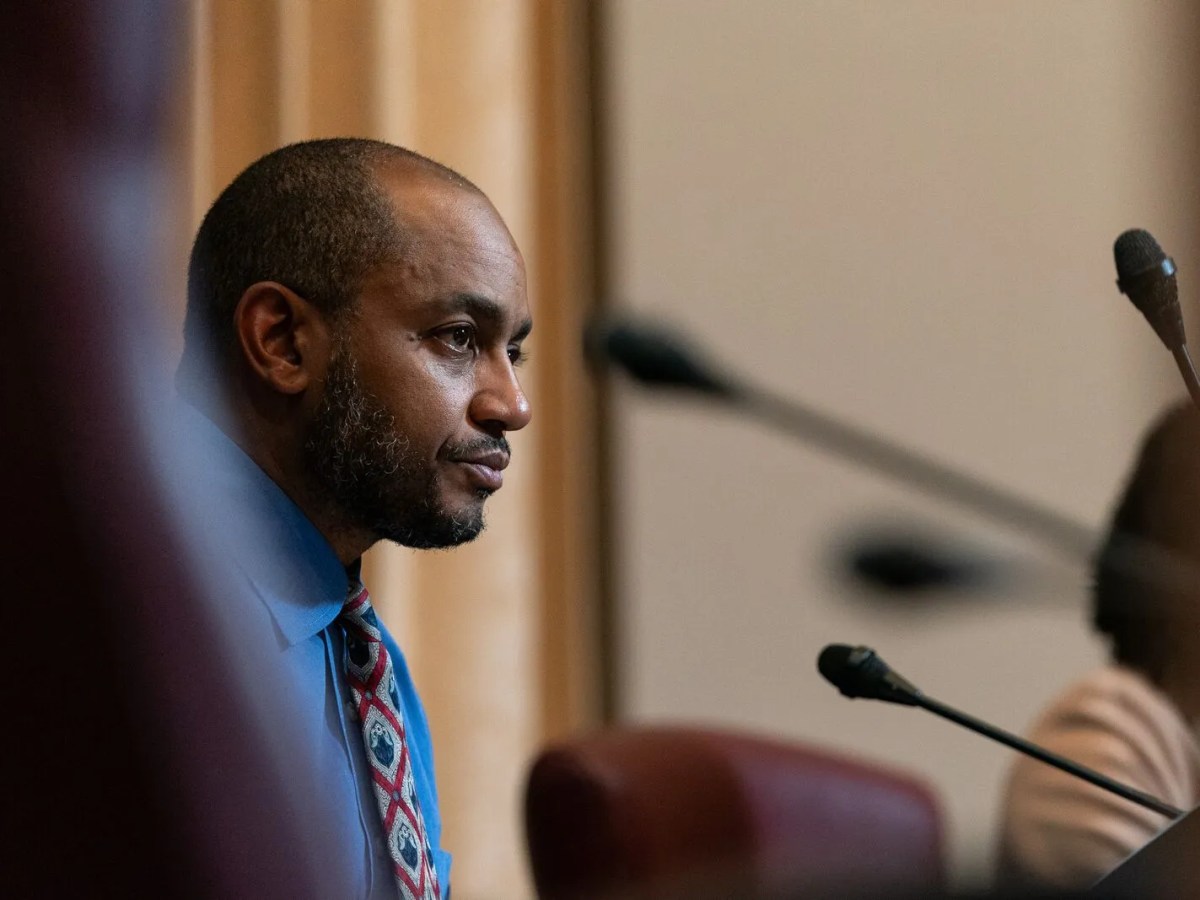
After OPD chief’s resignation, Oakland City Council deals a blow to police oversight
October 22, 2025Oct. 23, 2025, 8:24 a.m.
The council’s decision to reject Garcia-Acosta and Farmer also represents a kind of deadlock. The City Council cannot choose new members of the commission on its own. The two open seats can only be filled by people nominated by the Police Commission Selection Panel, and the panel has repeatedly put forward Garcia-Acosta and Farmer’s names.
Meanwhile, two other nominees to the Police Commission, retired superior court judge Evelio Grillo and retired fire engineer Douglas Wong — selected by Mayor Barbara Lee — were approved yesterday by the council with no debate about their records or the process that went into nominating them.
Concerns with the process, or a broader attempt to reshape the Police Commission?
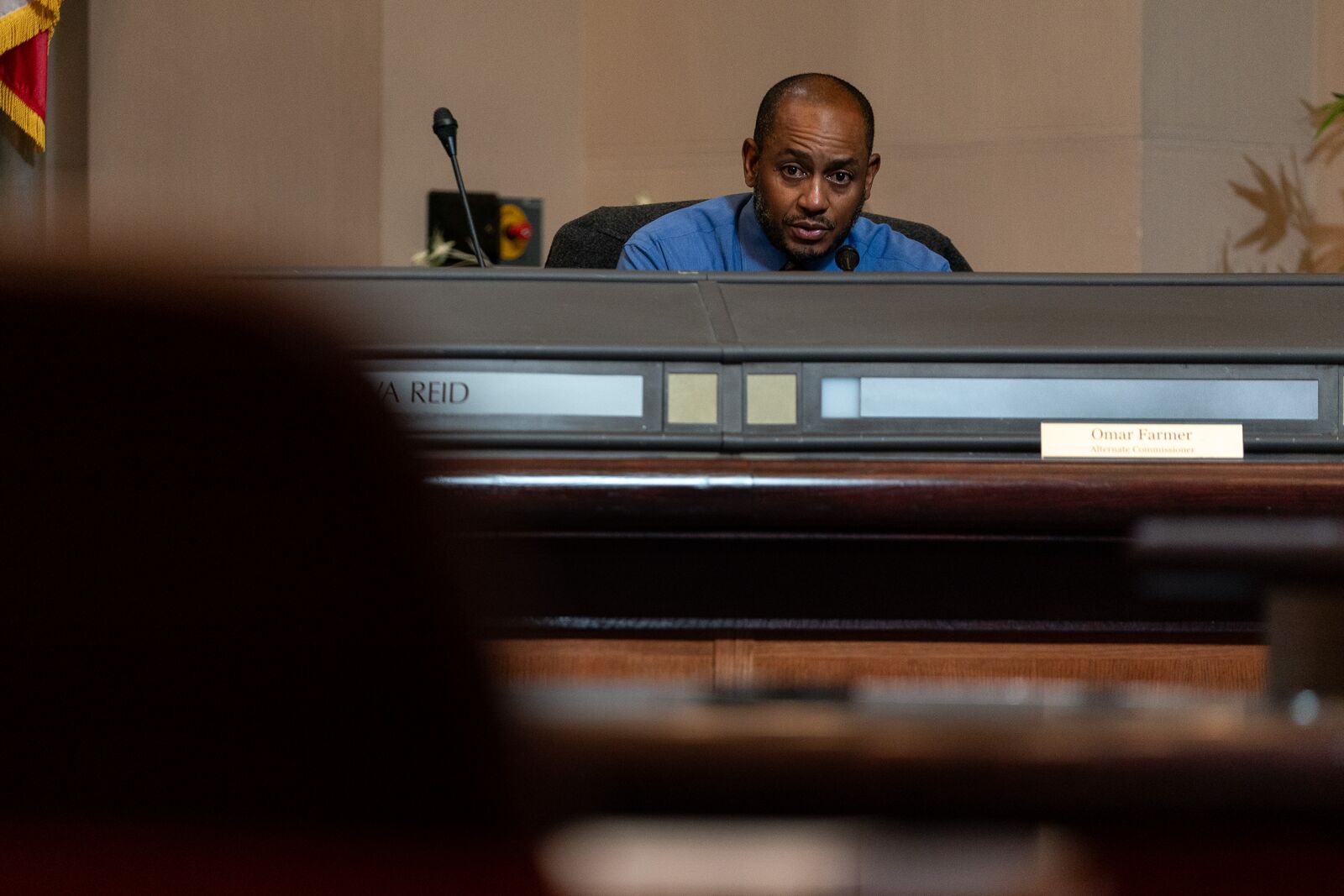 Alternate Police Commissioner Omar Farmer was one of two commissioners whose reappointments were turned down by the City Council on Tuesday night. Credit: Jungho Kim for The Oaklandside
The selection panel — an independent, nine-member volunteer board tasked with reviewing applications and nominating candidates to the Police Commission — received 13 new applications since October, far fewer than the over 100 applications it received when the commission first formed in 2016. But the selection panel last month resubmitted Garcia-Acosta and Farmer’s names, citing their qualifications and community support.
Supporters of the panel say fewer people are applying to become police commissioners because, as time has passed, interest in the job has naturally waned. They also say the work is difficult, takes up a lot of time, is unpaid, and commissioners are sometimes subject to criticism, making it hard to recruit for.
Most of the council members who turned down Garcia-Acosta and Farmer’s reappointments cited concerns about the selection panel not interviewing new applicants since October. District 4 Councilmember Janani Ramachandran said interviewing other candidates for the commission should have been “the bare minimum.”
“The majority of Oakland residents think we appoint and hire people based on nepotism and political favoritism,” she said. “It is the city’s job to talk to the people who are interested in these jobs, or else we’re going to continue to look like a walled-up ivory tower.”
Fife and about a dozen community members who spoke at the meeting objected to these concerns. They said the council is overly worried about the selection process rather than the candidates themselves.
“I’ve not heard one of my colleagues talk about what the problem is with these two people,” Fife said during the meeting. “I’ve only heard about the process, which is fine, but that’s not what we’re here to discuss tonight.”
“The only process we should concern ourselves with tonight is the process of independence,” the District 3 councilmember added. “We are losing that independence by trying to move pieces around the chessboard when the selection committee has made their decision twice now.”
Monique Rivera, a selection panelist appointed by Gallo, defended the panel’s process and nominations.
“I think our selection was well done,” she told the council.
In October — with the exception of Fife, who was traveling for a political conference at the time — the council unanimously rejected the same slate of commissioners, citing the same issues with outreach and recruitment.
That vote was probably influenced by the arguments of Rajni Mandal, a Montclair resident and public safety activist who has frequently criticized the commission at past meetings.
In October, Mandal, an author for Oakland Report, a publication highly critical of civilian police oversight that was run for part of last year by a former OPD officer, sent the council members a letter highly critical of Farmer, urging them to vote against any slate from the selection panel that nominated him. The commission’s independent legal counsel sent Council President Kevin Jenkins a letter several days later, rebutting Mandal’s claims.
“The attacks that were made against Omar and Ricardo were because people don’t want a strong police commission,” said Oakland resident Paula Hawthorn.
Did the police union sway the City Council?
Requesting anonymity due to concerns about retaliation, a member of the Police Commission told The Oaklandside that a council member informed them that Jenkins, citing pressure from the Oakland police union, instructed fellow council members to reject Garcia-Acosta and Farmer’s reappointments.
While there are no city laws prohibiting the police union from lobbying the council, the commissioner argued the union should not hold such sway over civilian police oversight.
“I think this is a massive step backwards,” the commissioner told The Oaklandside. “I think it’s going to be disruptive to the commission and our work.”
Jenkins did not respond to calls, texts, and emails from The Oaklandside for this story.
Some public commenters also accused the council of being influenced by the Oakland police union.
“The only thing that seems to matter is the lobbying efforts of the police union,” said Millie Cleveland with the Coalition for Police Accountability, an activist group. “We cannot have a police commission based on the fox guarding the henhouse.”
Lorelei Bosserman, a former member of the selection panel, said questions surrounding the integrity of the selection process are misleading.
“Please don’t fall for all the red herrings,” Bosserman urged the council members during public comment.
In an interview with The Oaklandside before the council meeting, Sergeant Huy Nguyen, president of the Oakland Police Officers Association, described claims that the union was attempting to undermine oversight as “rumors by a bunch of folks who want to lie.”
But the East Bay Times recently reported that the police union has lobbied city council members on the issue, which Nguyen confirmed.
“Why do we continue to lose police chiefs in this department? It’s no different from why we lose police officers in this city,” Nguyen told The Oaklandside on Tuesday. “We’ve got to evaluate the relationship between the commission and the council to retain the talent in our city.”
No one from OPD or the Oakland Police Officers’ Association, the police union, attended the council meeting in person.
“I want to hear from the Oakland Police Department and the Oakland Police Officers’ Association if they feel that this is hindering their ability to do police work,” Fife said at the meeting. “I don’t want to hear that from Rajni Mandal or any member of the public; I want to hear that from them.”
Garcia-Acosta and Farmer will continue to serve on the commission until their replacements are nominated by the selection panel and approved by the City Council, a process that could take months.
Next week, the Police Commission, City Attorney’s Office, and OPD will update a federal judge on the status of final reforms under the Negotiated Settlement Agreement, the court oversight program OPD has been under since 2003. They’re also likely to discuss the search for the next permanent police chief, a process that will involve input from the commission and the mayor’s office. Former Chief Floyd Mitchell resigned from the department last year after just 19 months on the job.
Speaking with The Oaklandside after the council meeting, Garcia-Acosta said he wants to continue serving on the commission because of “my love for this city.”
“We are approaching an incredibly important juncture with federal oversight, and I’ll be weighing my options and doing what’s in the best interest for the city of Oakland,” he said.
“*” indicates required fields