
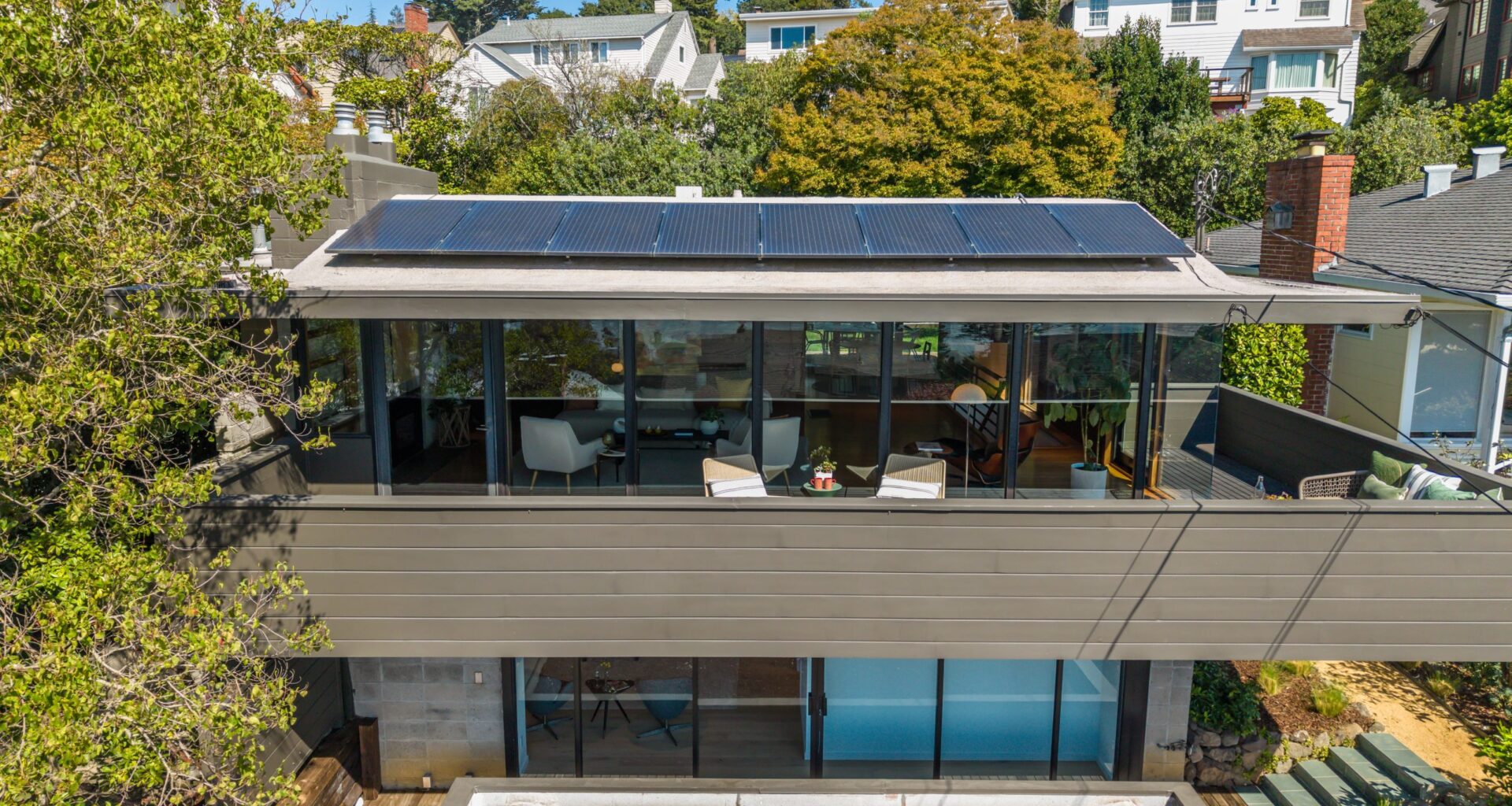
On Jan. 1 the city of Berkeley implemented a critical new measure toward reaching its ambitious goal of zero-net energy consumption for new and existing buildings, and it has a big impact on people selling and buying homes. Also, homeowners staying put can consider it as a road map for updates.
The Building Emissions Saving Ordinance (BESO) that once required only an assessment of energy efficiency at the time of sale, now demands further action from sellers and buyers.
Berkeley has long been at the forefront of climate action. In 2006, voters overwhelmingly passed Measure G, committing the city to an 80% reduction in greenhouse gas emissions, from 2000 levels, by 2050.
Three years later, the city adopted its Climate Action Plan, for new and existing buildings to achieve zero-net energy consumption through increased efficiency and the use of renewable energy sources.
What BESO compliance means
Under the new requirements, single-family homes, as well as buildings with up to four units, must earn a certain number of “credits” when they change ownership. These credits come from energy efficiency and electrification upgrades, like installing heat pump HVAC systems and water heaters, solar panels with battery storage, improved insulation, electrical panel upgrades and EV chargers.
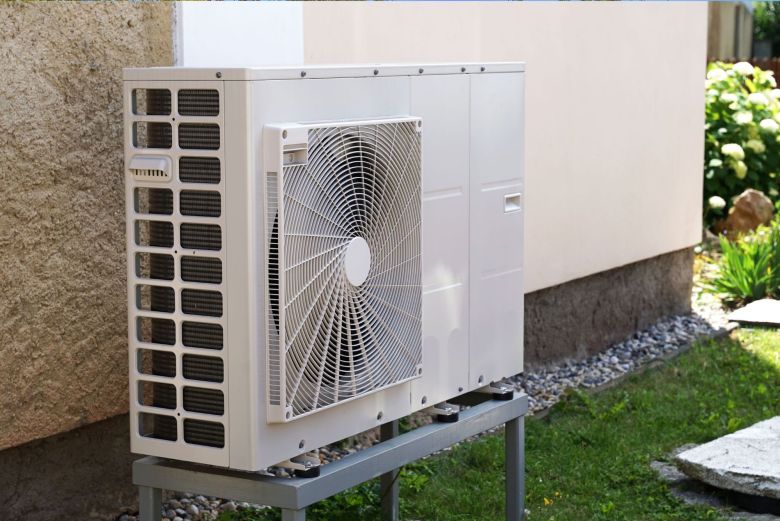 This exterior compressor is one part of a heat pump HVAC system that provides both efficient heating and cooling. Courtesy of Megan Micco
Sellers can no longer defer hiring an assessor to generate a home energy report and score. After receiving their score, they will now have a strategic choice: complete some number of efficiency upgrades to achieve the required six credits before listing or defer compliance to the buyer by paying a non-refundable $2,500 deposit to the city.
“That deferral option is really important for sellers to understand,” says Megan Micco, a Berkeley real estate agent with Compass. “When you choose to defer, you’re effectively giving the buyer a $2,500 credit — money that could otherwise be used for compliance upgrades or negotiated as part of your sale price.”
Buyers are increasingly sophisticated about energy efficiency. They understand that an older gas furnace isn’t just an environmental concern; it’s a future expense they’ll have to manage. BESO compliance is about more than checking a regulatory box; it means positioning one’s home as a modern, clean energy property that aligns with where the market is heading.
This isn’t just about selling in 2026
While BESO compliance is required at the time of sale, the broader conversation about electrification applies to all Berkeley homeowners, who will eventually face these decisions, whether they’re planning to sell or not.
“I encourage all my clients to think about their timeline proactively,” Micco advises. “If your gas water heater is 8 years old, you might have a few years before it needs replacement. But in 2027, you won’t be able to replace it with another gas unit. The question is: Do you wait until it fails and you’re making decisions under pressure, or do you plan ahead, access current incentives, and make the upgrade on your terms?”
Regional air quality regulations
Berkeley’s BESO requirements aren’t happening in isolation. In March 2023, the Bay Area Air Quality Management District (BAAQMD) adopted groundbreaking rules to phase out the sale of gas furnaces and water heaters, which emit nitrogen oxide. Starting in 2027, only zero-NOx water heaters can be sold or installed in the Bay Area. In 2029 that applies to furnaces and in 2031, to large commercial water heaters.
Gas stoves were notably exempted from these regulations, but the message is clear: the Bay Area is moving away from gas-powered appliances. The BAAQMD estimates these rules will prevent up to 85 premature deaths annually and generate $890 million in health benefits by reducing NOx emissions and particulate matter.
“What this means for Berkeley homeowners is that electrification isn’t just a nice-to-have — it’s becoming inevitable,” Micco explains. “The question isn’t whether to electrify, but when, and how to time it for maximum benefit and cost savings.”
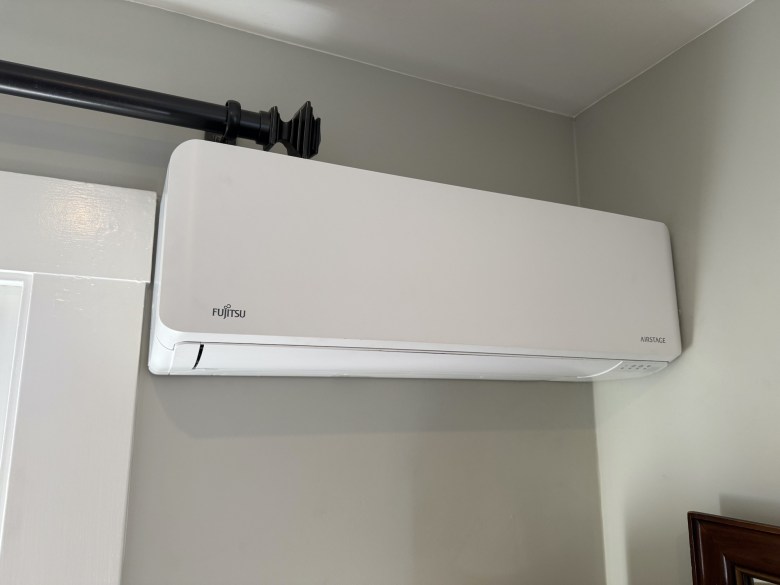 A mini-split offers room-by-room temperature control along with lower utility bills. Courtesy of Megan Micco
The financial case for early action
Homeowners who begin the electrification process now have several distinct advantages over those who wait:
Lower operating costs: Heat pump technology is remarkably efficient. While heat pumps cost more upfront than traditional gas systems, they can reduce energy bills significantly. With both labor and material costs continuing to increase, these upgrades are likely to be more expensive in the future.
Access to current incentives: While most federal tax rebates expired at the end of 2025, many state and local rebates are still available. However, funding levels and program availability can change over time.
Improved comfort and safety: Heat pumps provide both heating and cooling, making homes more comfortable year round. Eliminating gas appliances also means reducing methane emissions that impact both climate and health.
Market positioning: As the 2027 BAAQMD deadlines get closer, homes with modern, electric systems will stand out. Buyers are paying attention to total cost of ownership, and a home that’s already compliant with both BESO and future BAAQMD requirements is more attractive.
Enhanced resale value: This is where it all comes together. “I’ve watched the Berkeley market shift dramatically over the past few years,” Micco says. “Buyers are willing to pay a premium for homes that won’t require immediate upgrades, that have lower operating costs, and that align with their environmental values. Electrification isn’t just about being a good environmental steward, it’s also a smart financial decision that protects and enhances your home’s value.”
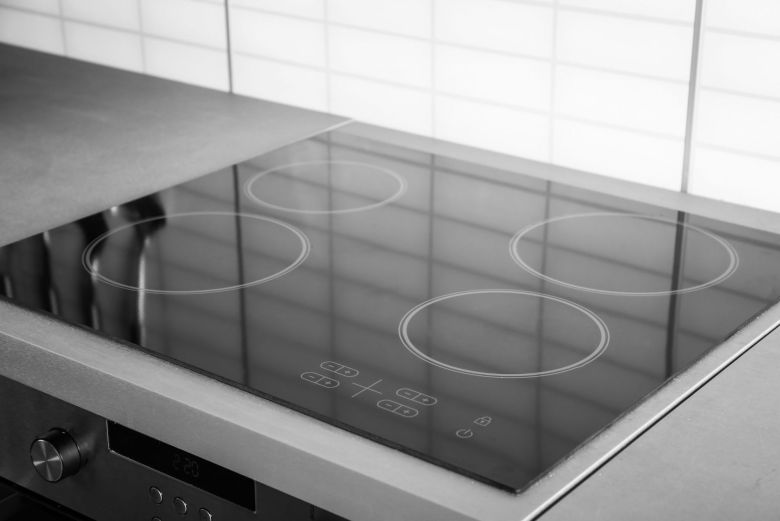 An electric induction range earns 2 of 6 credits toward BESO compliance. Courtesy of Megan Micco
Understanding the options
The complexity of BESO compliance can feel overwhelming. Different homes have different starting points, and the most cost-effective path forward depends on specific factors like the age and condition of existing equipment, electrical panel capacity, insulation levels, and one’s budget.
To help homeowners navigate these decisions, Micco’s team developed a BESO Compliance Calculator that evaluates a home’s current condition, estimates the credits needed, projects the costs of various upgrades (including available rebates), and shows different paths to compliance.
“*” indicates required fields