
Before the sun had even risen on Thursday morning, Jan. 22, hundreds of volunteers had already fanned out across Long Beach to participate in one of the city’s most important responsibilities – conducting its annual homeless point-in-time count.
Residents, city staffers, elected officials and community leaders set out to tally and survey people who are homeless on the streets of Long Beach on Thursday. The annual count of people who are both sheltered and unsheltered takes place at the beginning of each year and provides the city with a better understanding of the scale and demographics of homeless people in the city, officials said. It also provides an opportunity for volunteers to learn more about their unhoused neighbors.
Long Beach’s Department of Health and Human Services uses the data collected during the annual point-in-time survey to determine the scope of homelessness, define existing resources available and identify gaps to better serve those without permanent housing.
More than 300 volunteers gathered at The Grand Long Beach on Thursday morning to check in with their teams and see what areas of the city they would be assigned to survey. There were about 70 groups of three to five people, one of the biggest turnouts the city has had for the count thus far, said Mayor Rex Richardson.
“It’s super important that we continue our commitment and fidelity to data, especially and in particular now,” Richardson said before volunteers headed out. “We are one of three cities in the state with a public health department. We depend on federal, state, county and regional dollars, so it’s important that we keep this up now more than ever, since we know federal funding is uncertain.
“We know that even state funding on homelessness was cut in half this past year,” the mayor added, “so we need to make sure that we go out and we make the case that we’re continuing to do the good work, but there’s still a lot of need in our communities and we not going to stop until everyone in our community has a pathway home.”

Volunteer Austin Metoyer, right, interviews a person experiencing homelessness during the 2026 Point in Time Count, an annual street and shelter count of homeless people in Long Beach on Thursday, January 22, 2026. (Photo by Drew A. Kelley, Press-Telegram/SCNG)
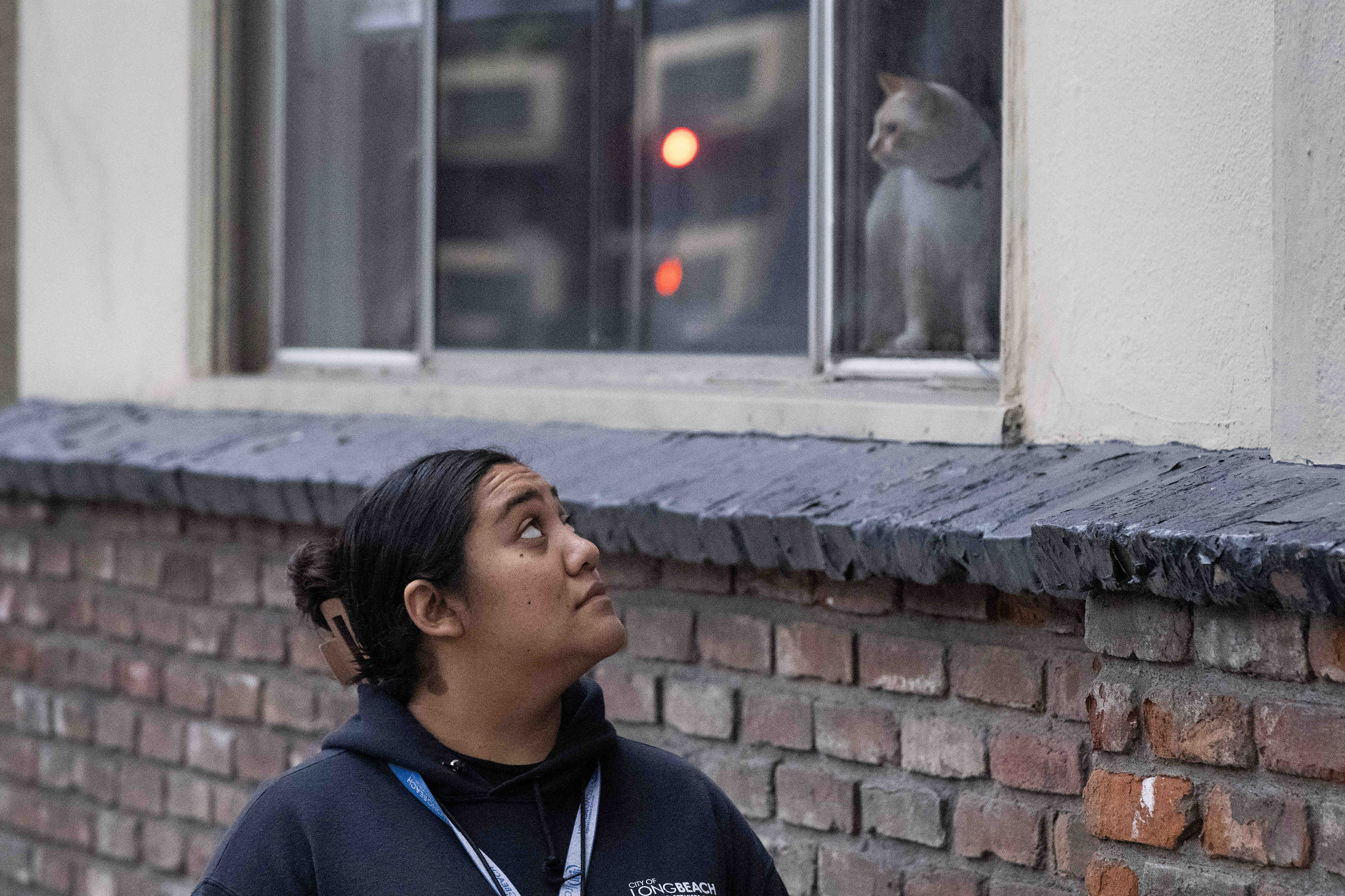
Katelyn Jaramillo spots a cat during the 2026 Point in Time Count, an annual street and shelter count of people experiencing homelessness in Long Beach on Thursday, January 22, 2026. (Photo by Drew A. Kelley, Press-Telegram/SCNG)
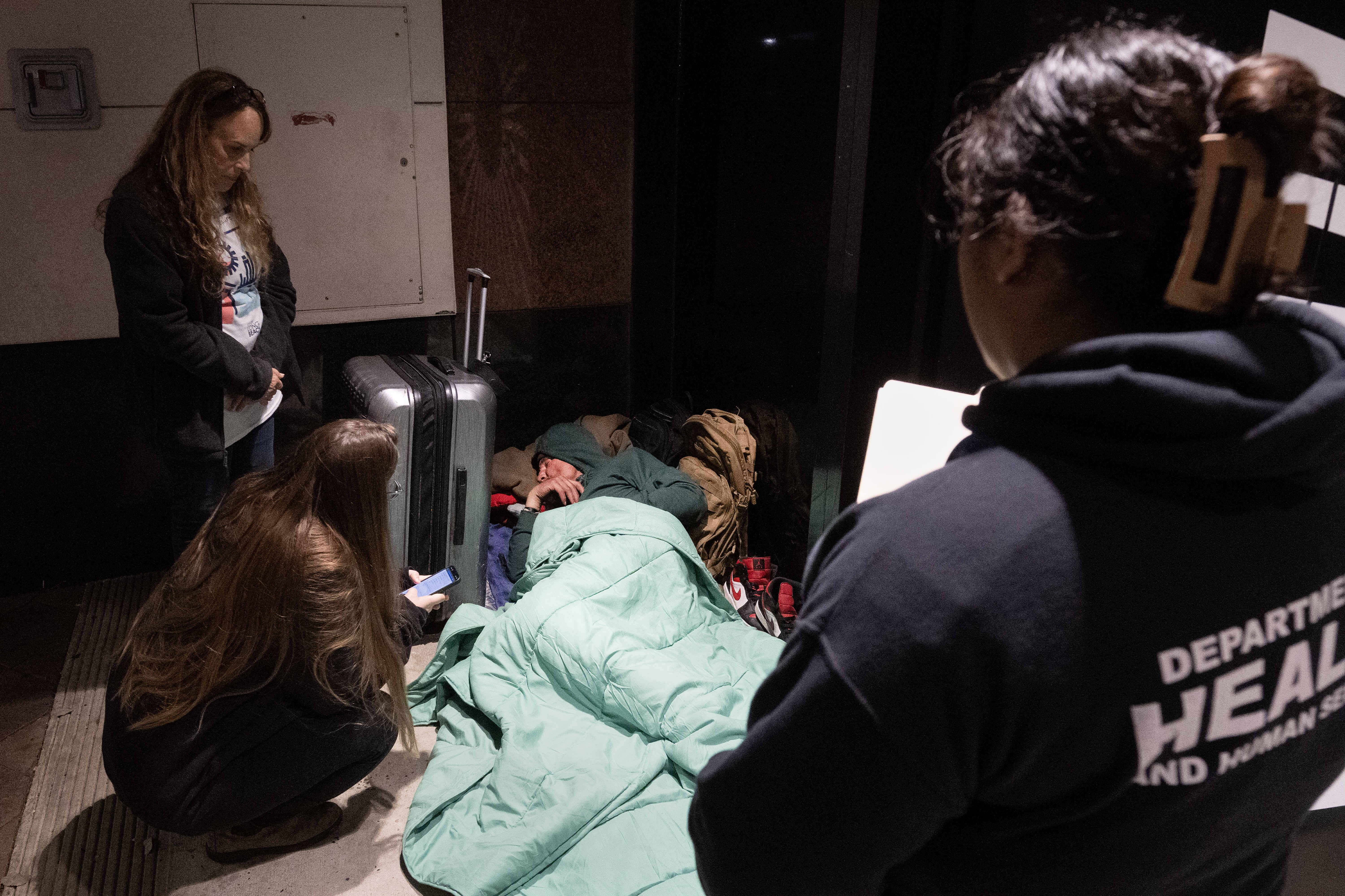
Volunteers speak with a person experiencing homelessness during the 2026 Point in Time Count in Long Beach on Thursday, January 22, 2026. (Photo by Drew A. Kelley, Press-Telegram/SCNG)
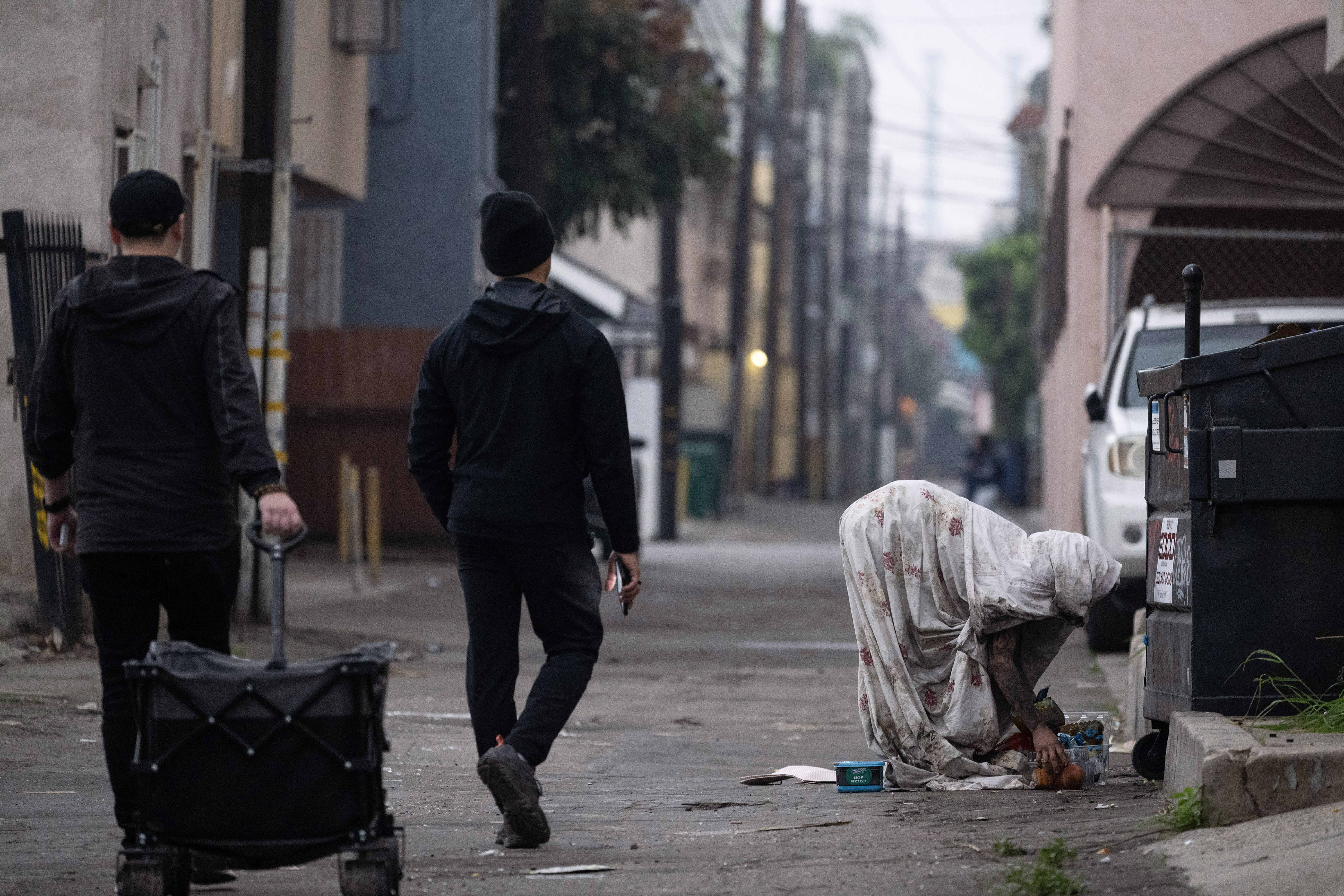
Volunteers approach a person experiencing homelessness during the 2026 Point in Time Count in Long Beach on Thursday, January 22, 2026. (Photo by Drew A. Kelley, Press-Telegram/SCNG)
Katelyn Jaramillo leads a group of volunteers during the 2026 Point in Time Count, an annual street and shelter count of people experiencing homelessness in Long Beach on Thursday, January 22, 2026. (Photo by Drew A. Kelley, Press-Telegram/SCNG)
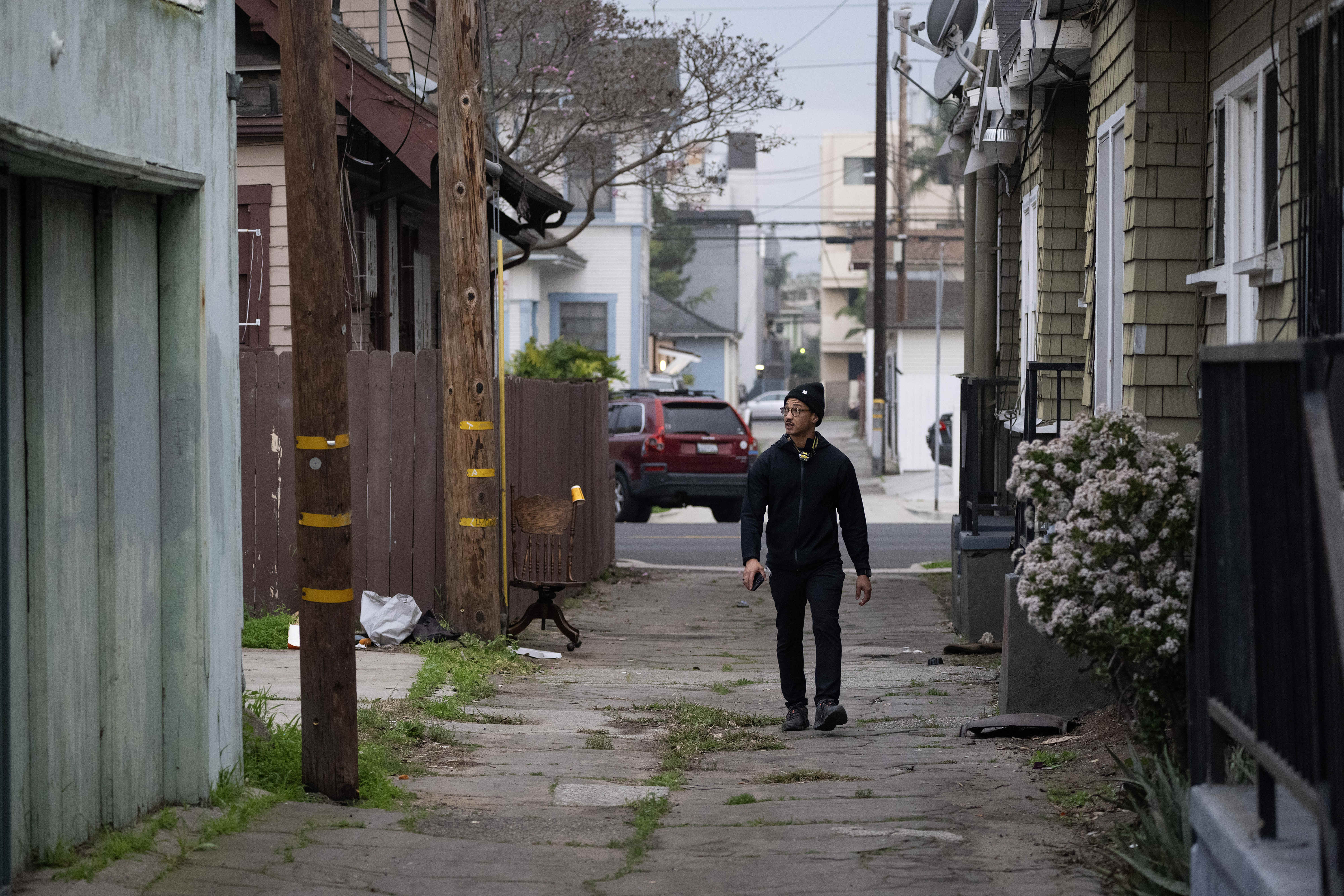
Volunteer Austin Metoyer checks an alley for people experiencing homelessness during the 2026 Point in Time Count in Long Beach on Thursday, January 22, 2026. (Photo by Drew A. Kelley, Press-Telegram/SCNG)
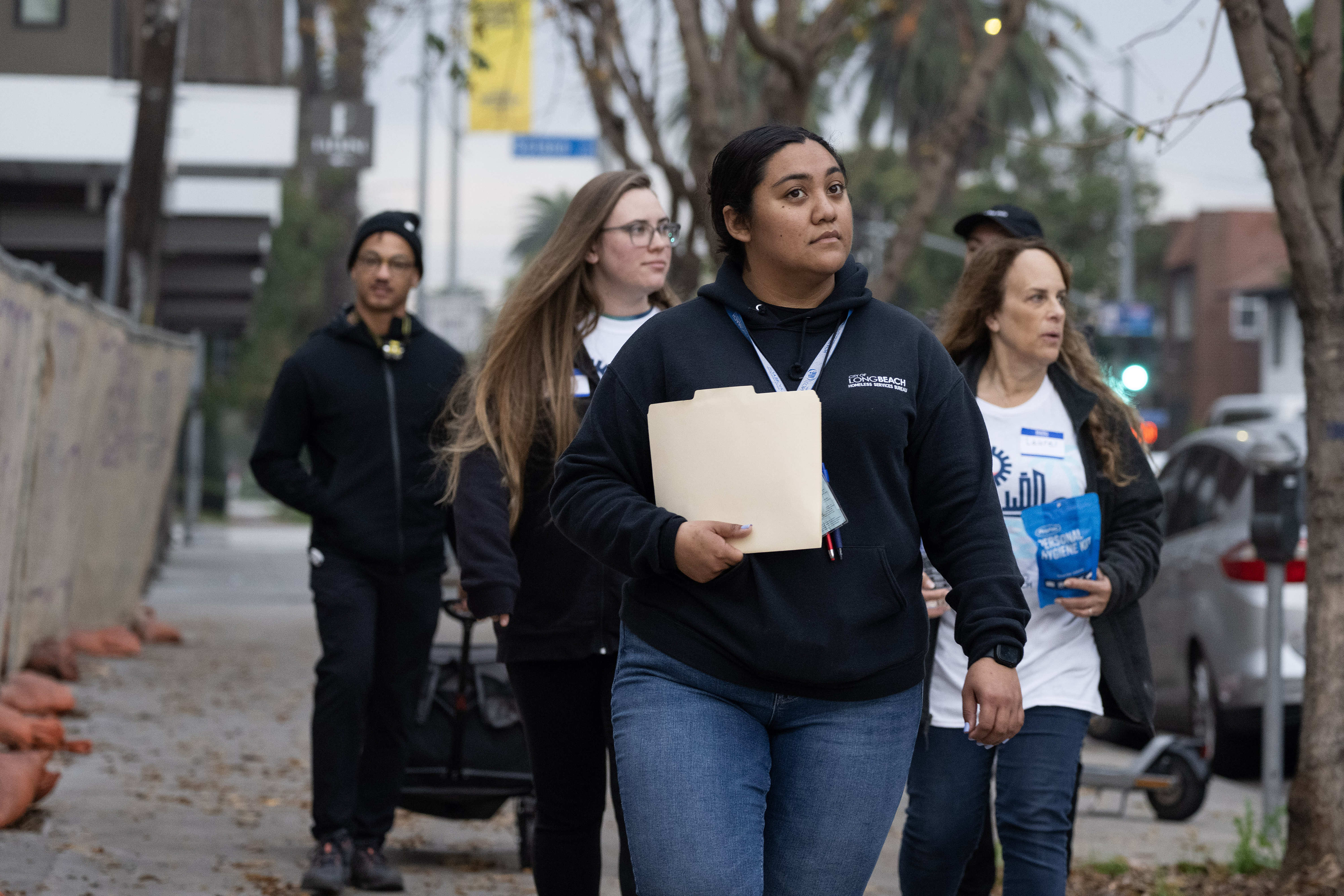
Katelyn Jaramillo, center, leads a group of volunteers during the 2026 Point in Time Count, an annual street and shelter count of people experiencing homelessness in Long Beach on Thursday, January 22, 2026. (Photo by Drew A. Kelley, Press-Telegram/SCNG)
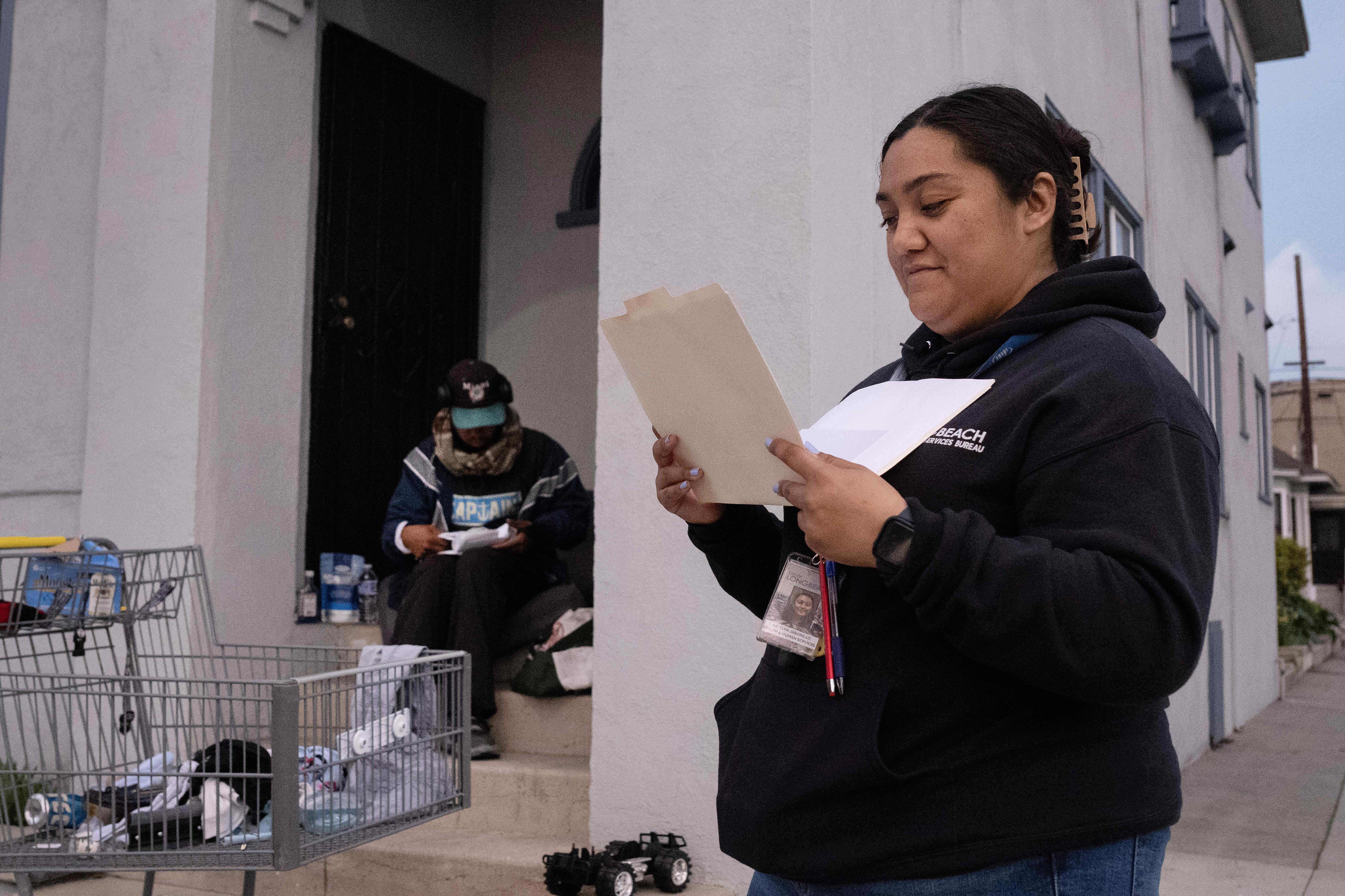
Katelyn Jaramillo leads a group of volunteers during the 2026 Point in Time Count, an annual street and shelter count of people experiencing homelessness in Long Beach on Thursday, January 22, 2026. (Photo by Drew A. Kelley, Press-Telegram/SCNG)
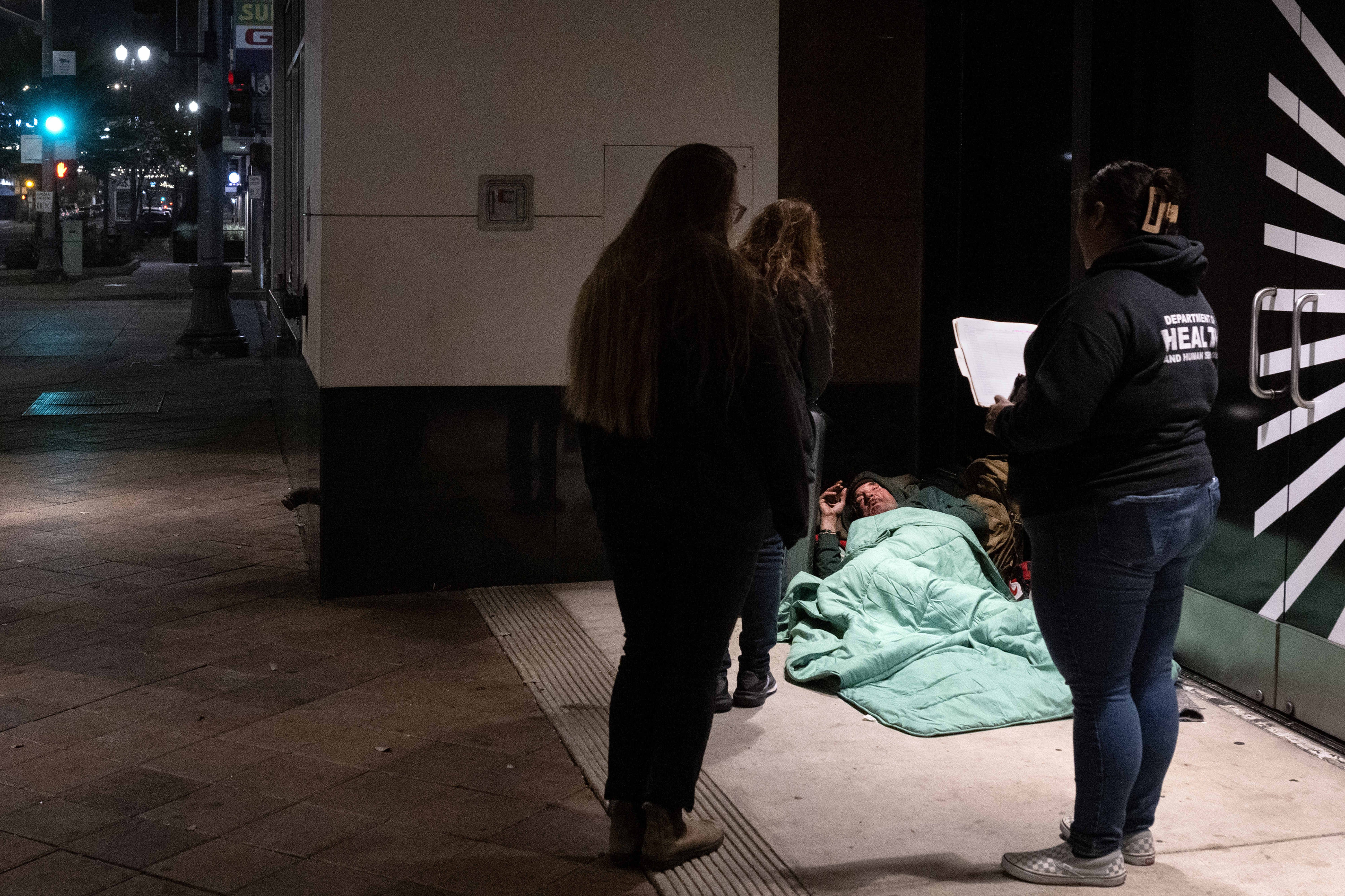
Volunteers approach a person experiencing homelessness during the 2026 Point in Time Count in Long Beach on Thursday, January 22, 2026. (Photo by Drew A. Kelley, Press-Telegram/SCNG)
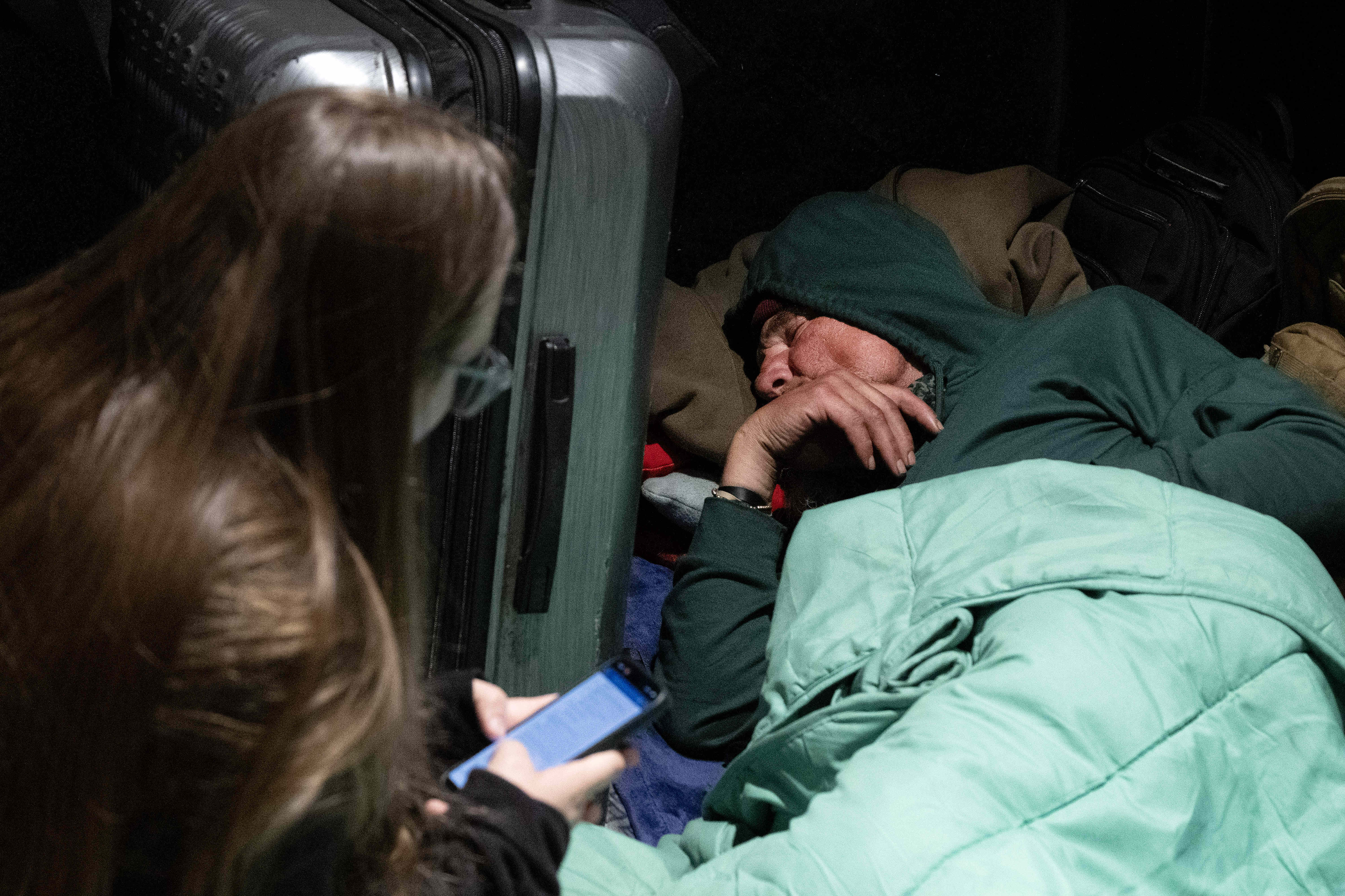
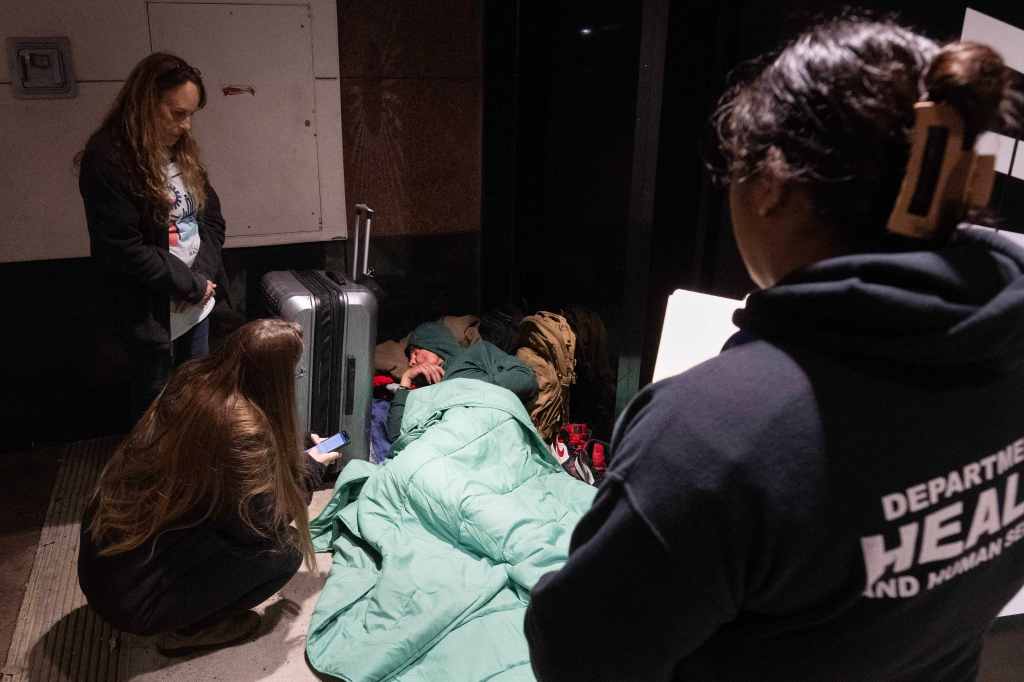
Volunteer Sophia Perry, left, interviews a person experiencing homelessness during the 2026 Point in Time Count, an annual street and shelter count of homeless people in Long Beach on Thursday, January 22, 2026. (Photo by Drew A. Kelley, Press-Telegram/SCNG)
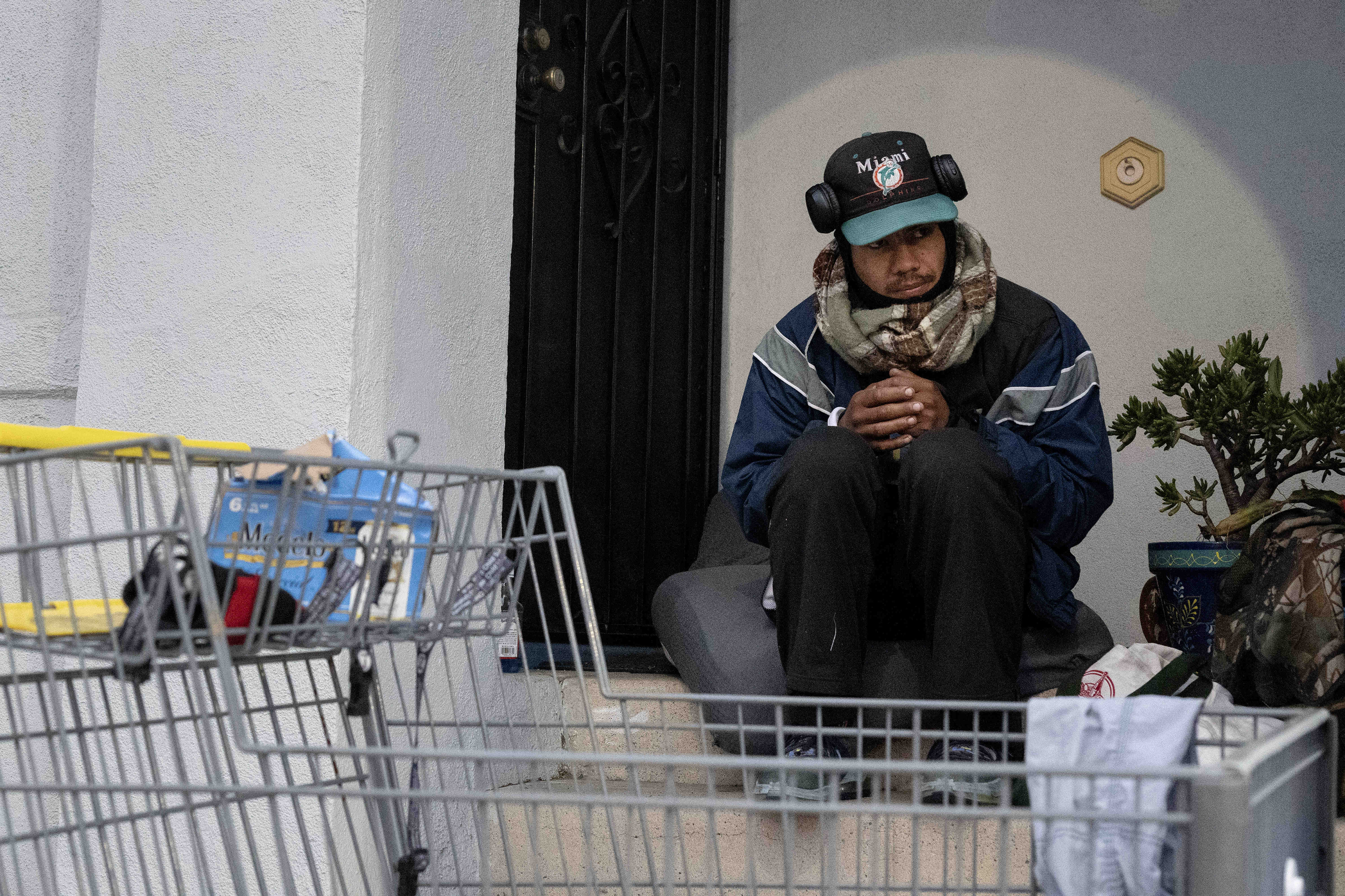
A person experiencing homelessness is interviewed during the 2026 Point in Time Count, an annual street and shelter count of homeless people in Long Beach on Thursday, January 22, 2026. (Photo by Drew A. Kelley, Press-Telegram/SCNG)
Show Caption
1 of 11
Volunteer Austin Metoyer, right, interviews a person experiencing homelessness during the 2026 Point in Time Count, an annual street and shelter count of homeless people in Long Beach on Thursday, January 22, 2026. (Photo by Drew A. Kelley, Press-Telegram/SCNG)
Besides funding for services and housing being at-risk, many homeless individuals and families are also facing the impacts of ongoing immigration raids – including in Long Beach. But those effects may be hard to identify if people are more hesitant to answer the local survey, said Homeless Services Bureau Manager Paul Duncan.
“If anything, that may be a chilling factor with people being more hesitant, a group of people you don’t know coming up to you, people might be a little more on edge,” Duncan said. “One thing that we anticipate could be a factor of that is more visual counts versus demographics, which the more demographics we can get, the better the accuracy, of not only the overall number but who is actually experiencing homelessness, what are the causes, what are the demographics and who is being disproportionately impacted.”
Homeless people statewide have also been faced with the impacts of local governments increasing enforcement and citing people after the U.S. Supreme Court’s decision in Grants Pass v Johnson. The ruling determined it is not cruel or unusual punishment to arrest or cite people for sleeping out in the open.
In Long Beach, the ruling increased the government’s ability to clear homeless encampments citywide and in “priority focus areas,” which includes several local parks. Last year, the city reported that the Public Works Department conducted more than 2,000 encampment cleanups from July 2024 to February 2025, while the Police Department issued about 350 citations for camping in designated areas or loitering after hours in parks and beaches from June 2024 to February 2025.
The reflection of this year’s volunteers’ efforts will be seen after results are released, which typically happens over the summer.
The 2025 homeless count, for example, showed the impact of those displaced by the Los Angeles wildfires in January 2024. Long Beach had a 6.5% increase in its overall homeless population compared to the prior year, and about 167 people of those surveyed reported being displaced by the wildfires. In total, Long Beach’s 2025 count tallied 3,595 homeless people, and about 1,598 were completely without shelter, the data said.
Other regional government bodies, including the Los Angeles Homeless Services Authroity, also conduct homeless counts. LAHSA’s count was this week as well, kicking off on Tuesday, Jan. 20, in the San Fernando Valley and metro Los Angeles. It will end on Thursday in the Antelope Valley, West and South Los Angeles, and in the South Bay and Harbor areas.
Glendale and Pasadena also conducted their own independent tallies this week.
In Long Beach, volunteers headed out to do their part to help the city better serve its homeless population. Volunteers were provided water, hygiene kits and gift cards to give to homeless people they encountered.
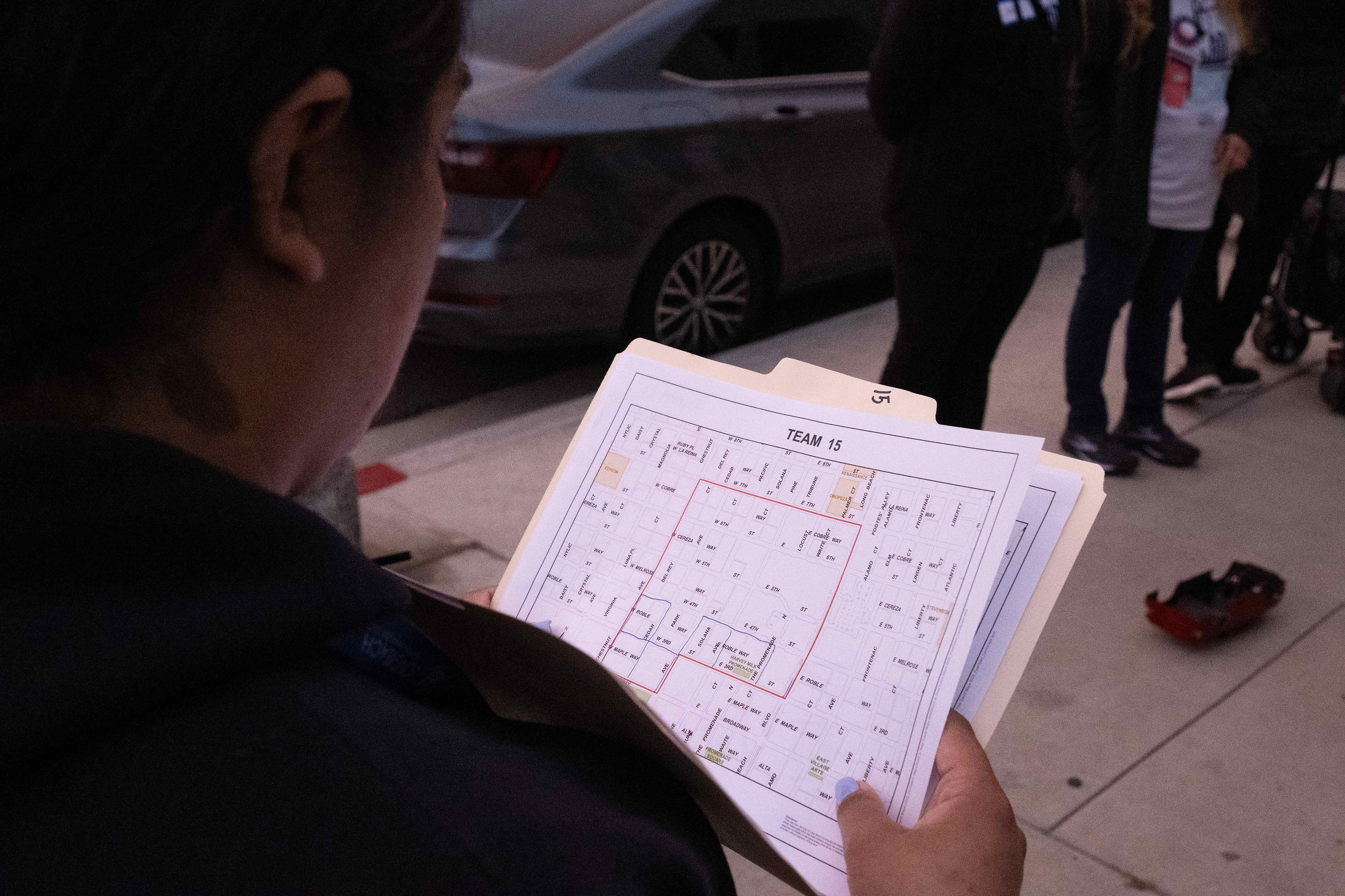
One group was assigned to tally unsheltered people in the downtown area – between Long Beach Boulevard and Chestnut Avenue, from Third to Sevent streets.
This group’s members were a mix of residents, members of the Downtown Long Beach Alliance and health department staff. They walked along the Pine Avenue corridor, as well as residential and commercial areas, checking alleyways and other tucked away places someone may find safe for the night.
For Laurel Perry, a longtime Long Beach resident, helping people who are homeless is something she enjoys doing.
“I want to show my support for those less fortunate,” Perry said about why she joined this year’s count, “and make a difference in the lives of other people.”
She shared a story about a homeless Army veteran named Philip, whom she and two other women in the community helped find resources and shelter in 2021. Philip is only one person, but Perry said she was very grateful to be able to provide that community support to him.
This was the fourth time Perry, 63, had participated in Long Beach’s homeless count. She was joined by her daughter, Sophia, who would help administer the survey to people. Those answering the survey would open one eye or stay in their sleeping positions as the mother and daughter asked them questions, thanked them for their time and told them to be safe.
Perry said she would recommend that other residents participate in the count.
“I have zero fears being out here,” she said. “It’s very organized.”
By 8 a.m., the group had counted 10 people in the area. Some had sleeping bags and others used cardboard boxes to provide some form of warmth; some had suitcases with their belonging, while others had only the clothes on their backs.
As a community leader in the downtown area, Austin Metoyer, president and CEO of the Downtown Long Beach Alliance, said that the annual homeless count is really important for the city.
“I think it’s really important for us to understand who’s living on the streets and the experiences that they’re going through,” Metoyer said. “The only way we can get the necessary resources to folks is by having an accurate count of who’s living on the street, knowing what their needs are and for downtown, we know that we have our fair share of folks that are living on the streets, so we want to make sure that we can ge those resources to them.
This was Metoyer’s sixth time participating in the count, having started back in 2018. The experience was a “real eye opener,” he said, because he was able to learn more about who was experiencing homelessness and the challenges that they face.
“I think a lot of folks have preconceived notions of those who are living on the streets and this is a really good way of learning a little bit more about them,” he said. “If you get a chance to volunteer, I encourage folks to do it.”