
Were it not for Donald Trump dominating the U.S. political landscape in a way that few people ever have, a great deal more attention would be paid to the civil war now playing out in Democratic circles.
The infighting was triggered by the publication last March of “Abundance” by progressives Ezra Klein, a columnist for The New York Times, and Derek Thompson, a staff writer for The Atlantic. They argued that elected Democrats had enacted laws and regulations that were meant to prevent bad development but had made them so powerful that they could be used to block almost any development — starting with housing, transportation and basic infrastructure. They called for streamlining the regulatory state in a way that maintained smart standards but also made quick progress plausible and possible.
Their most powerful example was what happened after the Biden administration obtained $42 billion in 2021 to build broadband internet networks in poor rural areas. But states couldn’t obtain grants until they’d completed a 14-stage approval process required by Biden’s own Commerce Department. The result: By the time Joe Biden left office in January 2025, not a dime had been disbursed.
After “Abundance” came out, it received many rave reviews — but also sharp criticism that it was parroting criticisms offered by Republicans while not giving enough credit to the purity of Democrats’ intentions and the nobility of their social justice agenda.
This led to a cutting rebuke by the most popular Democrat of all. “You want to deliver for people and make their lives better? You’ve got to figure out how to do it,” former President Barack Obama said in July. “I don’t want to know your ideology, because you can’t build anything. It does not matter.”
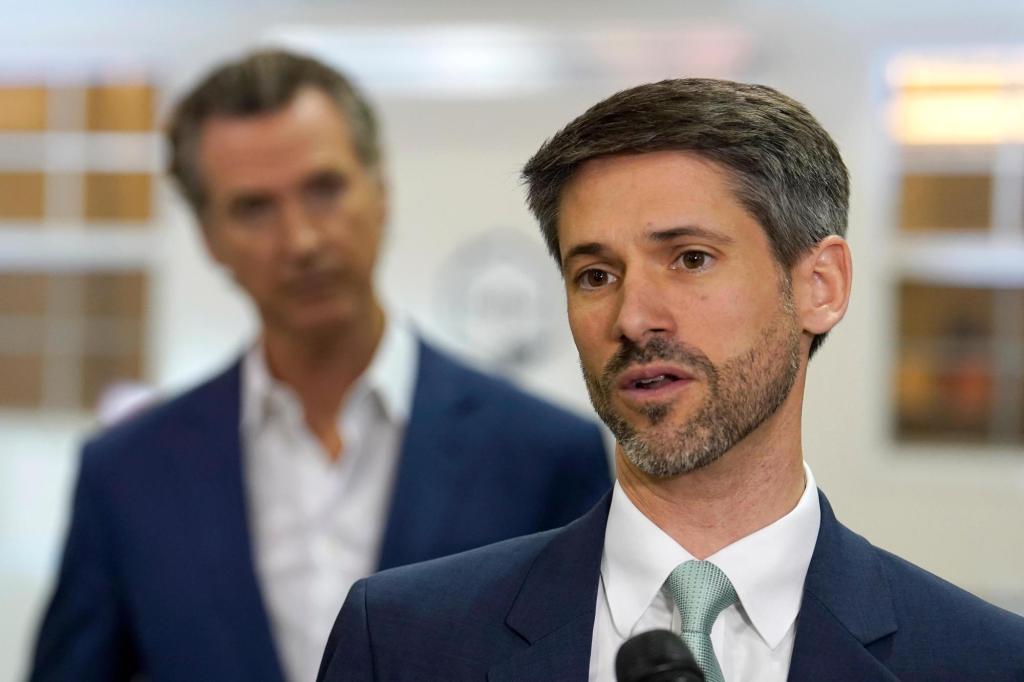
This backdrop is why it was so heartening to hear that San Jose Mayor Matt Mahan is leaning toward joining the California governor’s race. In August, he delivered a blistering critique of his fellow state Democrats. Though Gov. Gavin Newsom has embraced the abundance agenda, especially in limiting obstacles to housing, Mahan was unsparing in his criticism. From Newsom on down, he wrote, elected Democrats “need to own up to the truth. And the truth is that California has the highest unemployment rate in the nation, at 5.5%, and nearly half the nation’s unsheltered homeless people. We have the highest energy and housing costs in the continental United States, and, largely because of these high costs, the highest effective poverty rate in the nation.”
Mahan running for governor would force the California Democratic Party to finally confront the fact that even as its power has grown, life has never gotten better for most Californians. It would lessen the chance that the governor’s race devolved into a substance-free scrum over who can say the harshest things about Trump. And it would bring voices like Mahan and Rep. Scott Peters, D-San Diego, far more into the party’s mainstream. In an essay published by the U-T in July, Peters wrote that America needs more progress and less process.
In California, that requires more elected officials to realize that it’s not enough to believe in the right things and have the right goals. They need to actually accomplish something.