
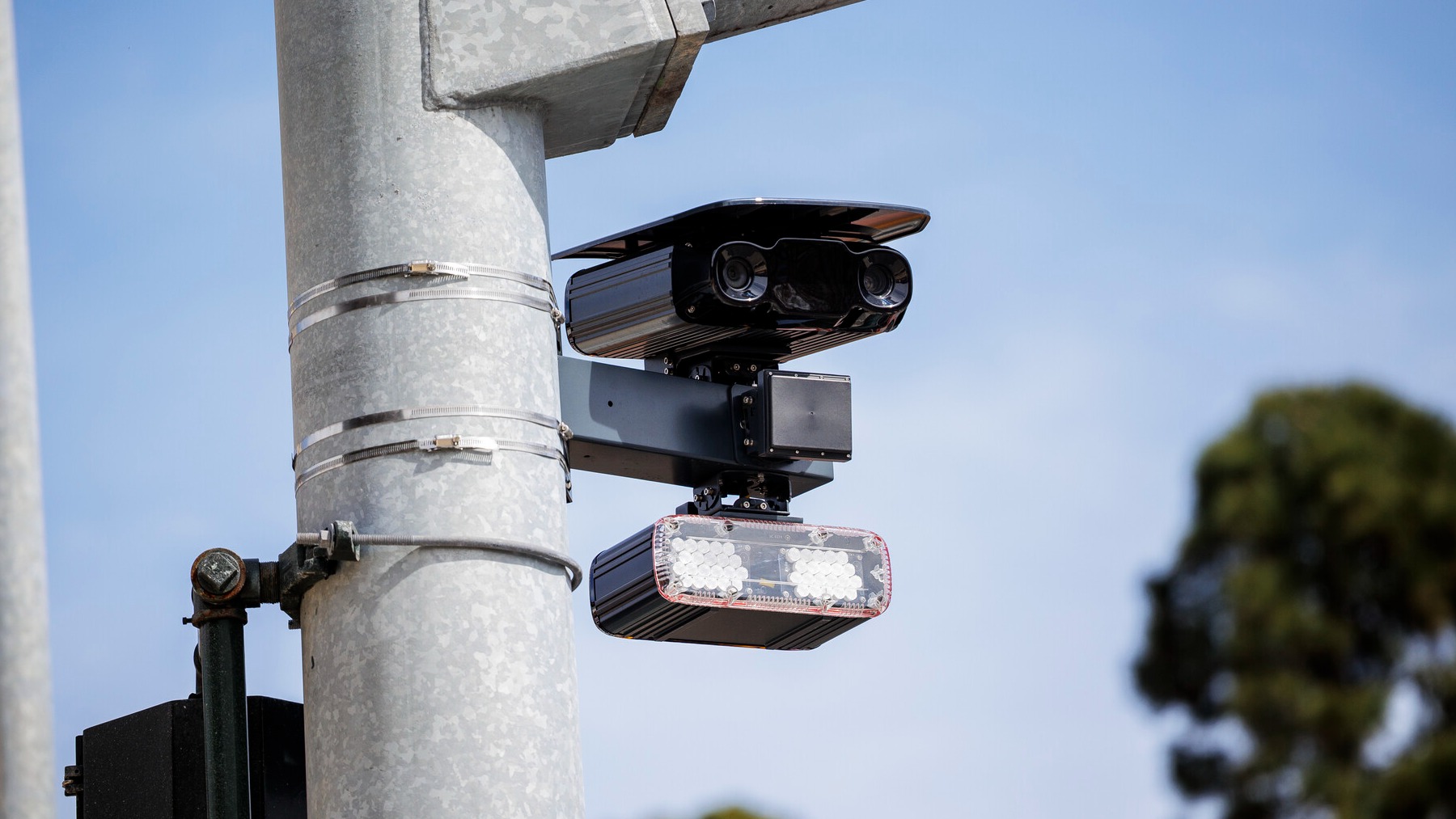
Oakland, California, implemented a new traffic rule to encourage drivers to lower the speed. The main idea behind this rule is to reduce the driving speed and increase safety on the roads. To make this possible, it was necessary to use automatic cameras to detect when a car goes too fast and issue fines. So, to learn more about this traffic rule in Oakland, you should keep reading.
How the speed rule works
The rule is applied to vehicles going 11 miles per hour or over the allowed limit in certain roads. These are the key points:
60-Day Warning Period: when the cameras are first installed, drivers will not receive fines immediately. For the first 60 days, the city issues warnings so people can get used to the system.
Fines After the Warning Period: after the 60 days, fines are issued based on how fast a driver is going over the limit:
11 to 15 mph over → $50 fine
16 to 25 mph over → $100 fine
26 mph or more over → $200 fine
More than 100 mph → $500 fine (maximum)
Financial Assistance: the city may reduce fines for people with low income or those receiving public assistance such as SNAP benefits.
The goal of this warning period is to allow drivers to adjust their speed before receiving fines.
Cameras
The main reason for using cameras is road safety. Exceeding the speed limit is one of the most common accidents, so reducing the speed can save lives.
The cameras will be installed in 18 locations of the city. However, Oakland is one of the cities in California joining this initiative, for example, San Francisco already uses similar systems.
Mayor Barbara Lee explained that the goal is to change drivers’ behavior and not issuing fines.
Fines
Fines issued by these cameras are considered non-moving violations. This means:
Unfair speed fines
In case you feel like you have received a fine, but it’s unfair, you can do a few things:
Dispute the officer’s judgment: if the ticket was based on the officer’s opinion rather than clear evidence, you can argue that your speed was safe in the situation.
Dispute the evidence: you can provide photos, diagrams, or witnesses to show that the ticket was incorrect.
Mistake of fact: if you made a reasonable mistake, such as unclear lane markings, this can be argued in court.
Necessary speed to avoid harm: in some situations, speeding might have been necessary to prevent an accident. This argument is only valid if you did not continue to speed unnecessarily afterward.
Consult a traffic attorney: lawyers can provide free consultations to determine if a case can be successfully contested.
Locations and pilot program
The program is part of a pilot initiative with six other California cities using similar systems, each using similar systems to monitor vehicle speed. The cameras are placed strategically on streets where speeding is most common, focusing on areas with the highest risk of accidents.
Verra Mobility, the company managing the program, emphasizes that these cameras are solely designed to detect speed violations and that their main goal is to save lives by reducing accidents and encouraging safer driving throughout the city.
So…
By paying attention to your speed and adjusting accordingly, you’re not only protecting yourself but also helping prevent accidents that could harm pedestrians, cyclists, and other drivers.
Oakland’s goal is clear: slower streets mean safer streets, and every driver has a role in making that a reality. Let’s hope this initiative is a success and the number of accidents is lower.