
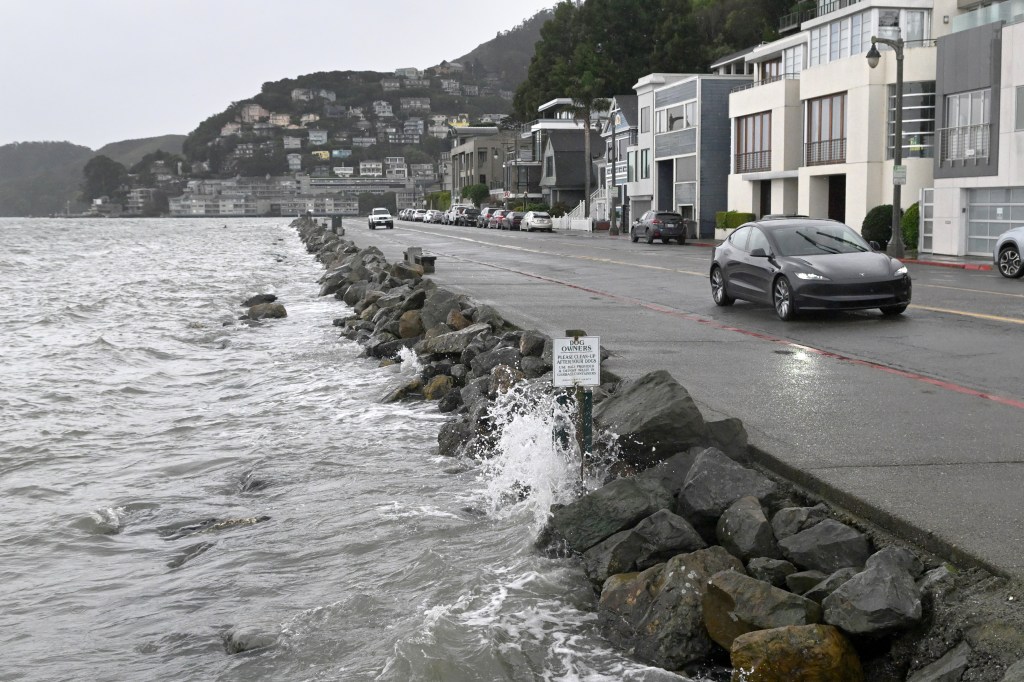
The record king tides in early January were dramatic and disruptive, but not as devastating as they might have been in Sausalito. With heavy rain and storm surge at the highest tides since the 1980s, some streets, businesses and shoreline dwellings experienced unprecedented flooding and property damage. Although our main thoroughfare, Bridgeway, was threatened, it remained serviceable. No major landslide or collapse caused irreparable personal injury.
Were we lucky that the confluence of rain, wind and rising seas left most of us relatively unharmed? It was more than luck.
In the days leading up to the storm, city employees, public utility workers, local businesses and residents cleared storm drains, filled sandbags, placed valued goods out of harm’s way, put out warning e-messages, cones and signs, and performed countless other tasks to prepare for the deluge. Although these efforts often go unnoticed, they deserve our praise and gratitude.
And yet, despite the proactive work of many, it was not enough to prevent the forces of nature from overwhelming many places near our waterfront. We have much more work to do.
“We” means working together. We need to recognize that we share responsibility to protect our threatened shore. Governments, businesses and individuals must work together. According to Sir David Attenborough, “If working apart we are a force powerful enough to destabilize our planet, surely working together we are powerful enough to save it.”
There are encouraging signs of cooperation close to home. Sausalitans are working with local and regional officials to develop better methods of handling high tides and the flow of storm water. Some of these potential “fixes” are small (such as replacing or relocating a drain outlet, pump or cover). Others are more complex, such as trying to mitigate chronic flooding on Gate 5 road near Heath Pottery, ICB/ART and the Seahorse restaurant and entertainment venue. At best, however, these are short term solutions.
Sausalito Resiliency and Sustainability Manager Catie Thow Garcia warns that king tides are higher and more frequent than before, and “could become a monthly event by 2050.” The grant-funded Shoreline Adaptation project that she supervised will continue with increased participation by waterfront businesses and workers. By working cooperatively, the participants in the next phase will try to develop longer term plans that can protect and preserve the existing human activities that take place along our shoreline.
Measures to adapt to sea-level rise are likely to be controversial, expensive and beyond the current capacity of the property owners and the city to construct and maintain. So should we give up and retreat? No.
Environmentalist Leah Thomas put it this way: “We should care about the protection of people as much as we care about the planet. … Humans are a part of our global ecosystem and we don’t exist separately from nature.”
Creative engineers and environmental stewards around the world are trying to develop methods to adapt to sea level rise without sacrificing the human activity that takes place at the water’s edge. Let’s see what might work here.
Finding effective methods of protecting the waterfront is difficult enough. Paying for them can be daunting.
One potential financing mechanism is a “Geologic Hazard Abatement District” that would depend on increased special assessments to pay for climate adaptation measures. Creating a GHAD is challenging. Before it can be established, a costly engineering study is required to justify the assessment amounts. After that, property owners with the majority of assessed value can reject the formation of the district.
There is an alternative that does not involve special assessments. In California, creating an “Enhanced Infrastructure Financing District” does not increase tax rates, but uses the future increase in tax receipts over time (“tax increment”) to finance infrastructure projects. Unlike redevelopment agencies that were curtailed more than a decade ago, tax increment revenues in EIFDs can only be spent on infrastructure such as roads, affordable housing or climate adaptation projects. Importantly, these revenues are subject to local, not state or federal control.
It’s high time to move beyond analysis and discussion. Let’s collaborate and decide to do something about the threats to our shore.
Sausalito Mayor Steven Woodside is former county counsel of Marin.