
Top Takeaways
Districts that haven’t faced abuse allegations still pay due to insurance pooling.
The Bass Lake Joint Union Elementary School District has paid nearly $150,000 since Assembly Bill 218 became law.
The costs of settling childhood sexual abuse claims under Assembly Bill 218 are not just hitting school districts that have been sued by victims.
Districts that have not faced any abuse allegations involving employees are also paying for settlements because nearly all the state’s school districts obtain liability insurance through obscure public agencies called Joint Power Authorities that pool costs. These authorities, commonly called JPAs, pay settlements when a member district is sued, often after years of legal wrangling.
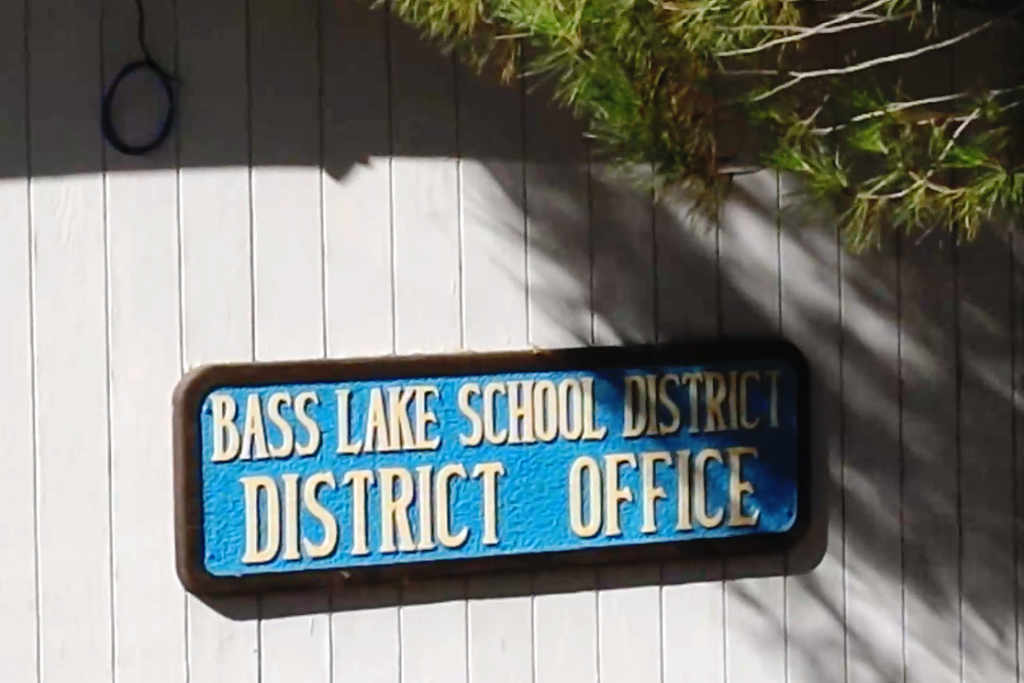
The Bass Lake Joint Union Elementary School District in Madera County, not far from Yosemite National Park, is experiencing such costs. It enrolls about 800 students and hasn’t been sued for past childhood sexual abuse. Neither has members of its current insurance JPA, Tara Campanella, the district’s chief business officer, said in an interview.
But that hasn’t stopped the district from being affected by AB 218. It also faces costs from AB 218 settlements, she said. That’s because an insurance JPA that Bass Lake left about 20 years ago has faced settlements for abuse claims that occurred when Bass Lake was a member.
What are we supposed to do? Our budget’s only $15 million, so $150,000 is a teacher’s salary and benefits.
Tara Campanella, Bass Lake Joint Union Elementary School District
Even though the district is no longer with that authority, the Schools Excess Liability Fund, known as SELF, is still responsible for contributing to settlements if the underlying abuse occurred while it was a member of SELF.
Bass Lake has paid SELF nearly $150,000 since AB 218 became law, including nearly $87,000 last year, records show.
To a small rural district, that’s significant money, Campanella said.
“What are we supposed to do? Our budget’s only $15 million, so $150,000 is a teacher’s salary and benefits. We’re having to make cuts and prioritize things,” she said.
The district has about 800 students, with 73% eligible for free or reduced-priced meals, well above the state average. Data show the district’s pass rate for English is 36%, which is 13 points below the state average.
“We have a reading intervention teacher, and we can’t afford to pay for her,” Campanella said. “But our students’ reading scores are really bad. So, what are we supposed to do? We can’t cut that teacher, but we have to, probably.”
Bass Lake is not alone in contributing to settlements from past abuses involving other schools.
“Several hundred” other districts are in the same position, Dave George, SELF’s CEO, told EdSource in an interview. Agreements to share insurance costs mean those districts “are essentially bound to each other in perpetuity.”
That money comes from member districts’ budgets. George said he believes “all but two (school) districts” in the state have belonged to SELF at some point since it was formed in 1986.
SELF received a total of 412 claims through Oct. 31, 2024, involving 632 plaintiffs from districts statewide, according to its 2023-24 report on AB 218 sexual abuse claims, the most recent data available.
Roughly half of those claims have been settled for $145.4 million, with the remaining claims pending as new ones come in. George said an updated report is a few weeks from publication.
All the money to pay for the settlements is coming from SELF members, George said. “This is a hundred percent of how this is being funded. There is never a magic pot of insurance money out there.”
At Bass Lake, Campenella urged lawmakers to “look at the big picture” and provide districts with relief from the costs. If they don’t, she added, she’ll be “reducing programs that are needed for my students.”