
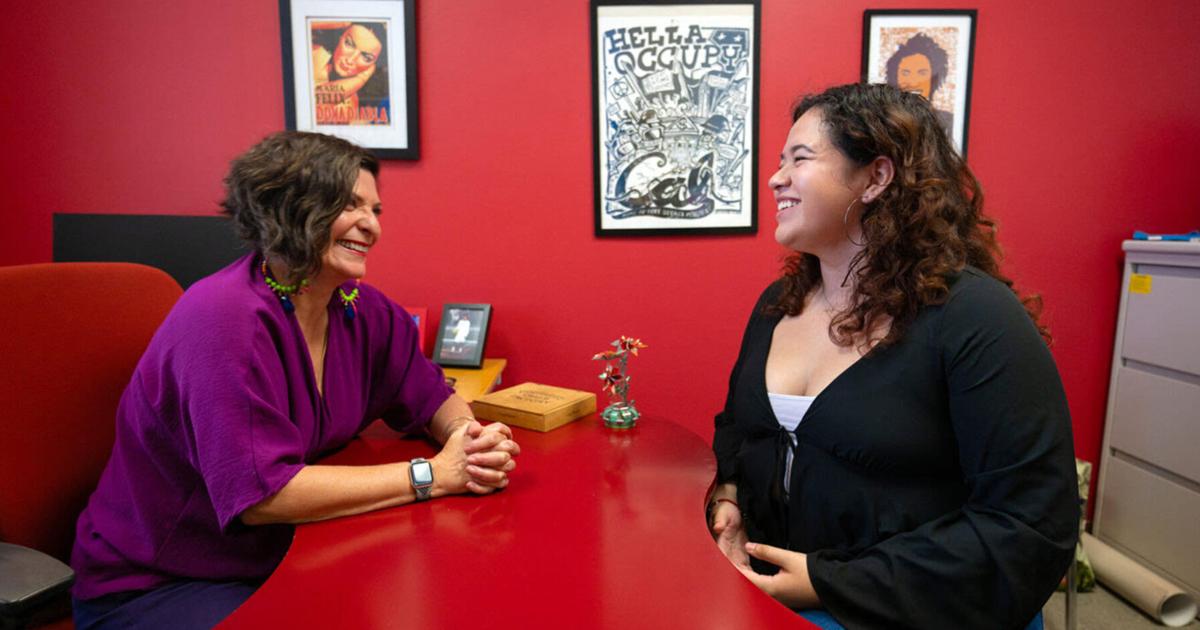
The use of Wikipedia is not allowed for research in some classrooms, but in a selection of courses taught by ethnic studies, gender and women’s studies and performance studies professor Juana María Rodríguez, students are not only encouraged to use Wikipedia, but are creating and editing Wikipedia pages themselves.
Beginning in 2016, Rodríguez has assigned her students to create and edit Wikipedia articles about LGBTQ+ people, with a particular focus on queer and transgender people of color. She has incorporated the assignment into three of her classes: “Documenting Marginal Lives,” “Queer of Color Cultural Production” and “Queer of Color Critique.”
“I want my students to think of themselves as not just consumers of knowledge but as being able to produce knowledge as well,” Rodríguez said in an email.
Rodríguez has integrated Wikipedia into her curricula in collaboration with Wiki Education, a nonprofit organization that trains faculty in the United States and Canada to assign their students to create content for course-related Wikipedia articles. The organization seeks to fill in “knowledge gaps” on Wikipedia around gender, racial and ethnic diversity.
To date, Rodríguez’s students have added more than 300,000 edits and 3,000 citations to Wikipedia, which have been viewed more than 96 million times — figures that Rodríguez said she is “really proud” of.
Topics covered by Rodríguez’s students range from community activists, such as transgender activists Adela Vázquez and Karla Avelar, to local landmarks such as the White Horse Bar, a gay bar in Oakland. They have also written about cultural topics, including an article about Indigenous drag queens.
Rodríguez said she values the Wikipedia assignments because they provide an opportunity for her students to share their research with a larger audience beyond the class, especially those in school districts where there is limited access to information about LGBTQ+ history.
To emphasize the extent of LGBTQ+ history, students have documented topics such as homosexuality in ancient China to Milton B. Matson, a transgender person in San Francisco in the 1890s. They have also added information to address present-day issues, such as providing information about legal services for transgender migrants in the United States.
Under the Trump administration, Rodríguez believes that efforts to document LGBTQ+ people are more important than ever.
“Right now, the Trump administration is trying to erase the very existence of transgender people, so having information about those histories, as well as present challenges facing queer and trans communities is particularly urgent,” Rodríguez said in an email. “Queer and trans people have always been here and adding that information to the world’s largest open access encyclopedia is one way to make sure that these stories remain available.”