
By Jorgel Chavez, Special for CalMatters
This commentary was originally published by CalMatters. Sign up for their newsletters.
Guest Commentary written by
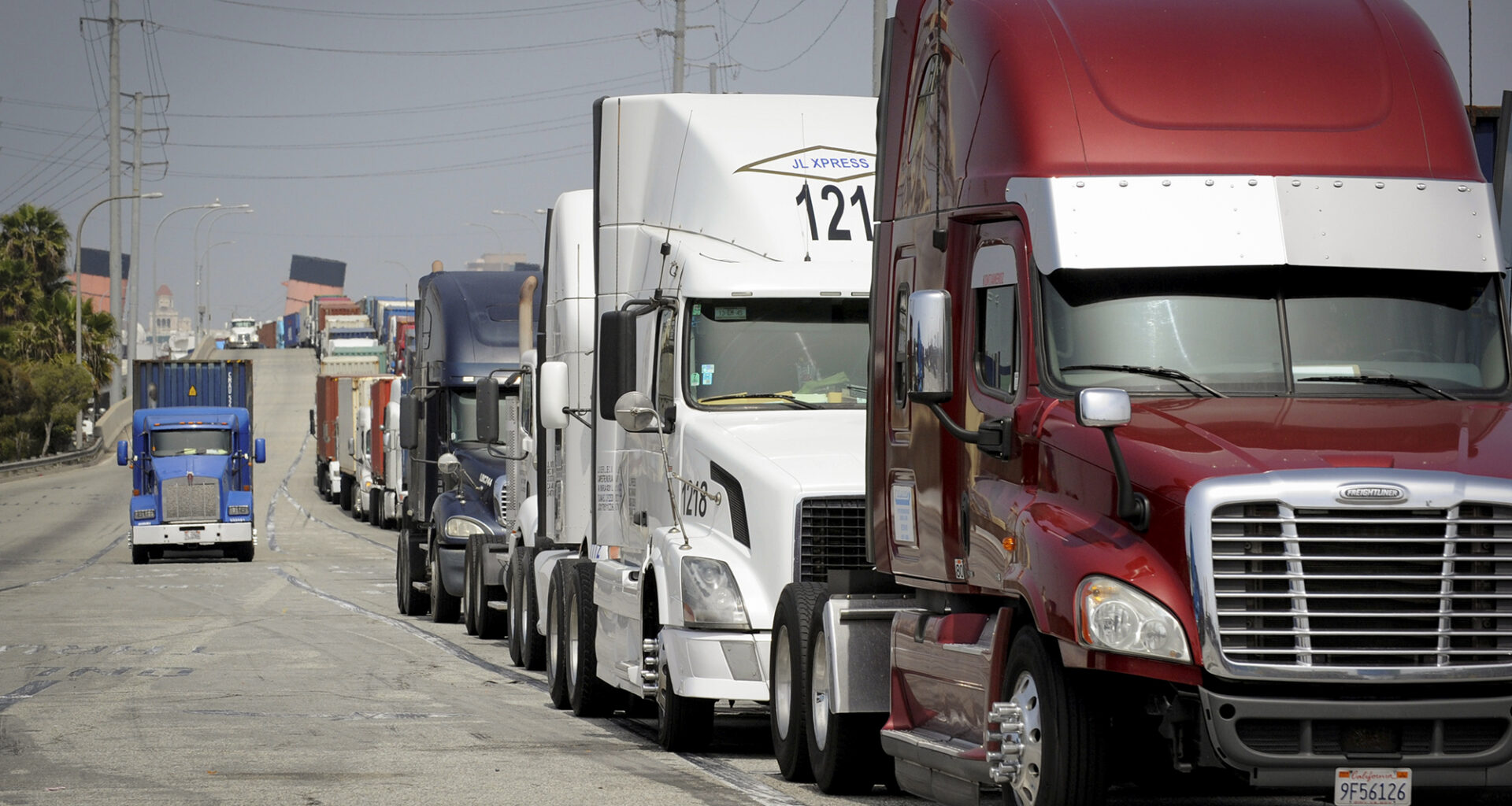
Truck weight is a top concern for southeast Los Angeles County, including Bell Gardens, as Congress considers proposals that would add 11,000 pounds to the current weight limit of 80,000 pounds for semi-trucks.
At least one proposal under consideration would remove truck weight limits entirely.
These bills are aimed at reducing shipping costs for huge corporations. But they also would put our communities at risk, generating serious safety concerns and higher infrastructure costs.
Trucks above the standard 80,000-pound limit cause more crashes and result in a higher rate of fatalities than lighter trucks, a federal study shows. There were more than 12,000 large-truck crashes, resulting in nearly 400 deaths and more than 5,300 injured victims, in California in 2023.
Many of the state’s roads and bridges weren’t designed to have the current level and weight of truck traffic of today. Bigger, heavier tractor trailers will put more strain and inflict more damage on our already heavily used infrastructure.
Clearly California drivers don’t need bigger trucks leaving worse ruts in the roads to swerve around. And anyone who’s traversed the 710 freeway knows trucks are a major contributor to daily gridlock.
Bigger tractor trailers also would add wear and tear to bridges. California’s bridges were never meant to handle 91,000-pound trucks. It doesn’t make sense to increase stress on bridges that are already in poor condition
Of the 1,227 local bridges in Los Angeles County, for instance, 515 are already graded in “fair” or “poor” condition. At least 121 of those bridges would need to be replaced by ones that can support 91,000-pound trucks. The replacement cost: more than $683 million dollars, according to federal bridge data and the Coalition Against Bigger Trucks.
California has 12,426 locally maintained bridges. Of those 7,433 are rated fair or poor by the Federal Highway Administration. A review of federal bridges concludes 2,841 would need replacement to safely accommodate 91,000-pound trucks. The cost would exceed $8.1 billion, much of it coming from county and municipal government coffers.
Opposition to bigger trucks comes from every state and transcends political parties. Recently more than 2,200 local government leaders from all 50 states sent a letter to Congress, saying bigger trucks would make a bad situation worse.
“Much of our transportation infrastructure that connects people to jobs, schools and leisure is in disrepair, in part because local and rural roads and bridges are older and not built to the same standards as interstates,” they wrote.
“Many of us are unable to keep up with our current maintenance schedules and replacement costs because of underfunded budgets. The impacts of heavier or longer tractor-trailers would only worsen these problems.”
As the most populated state, with more than 39 million people, California should be honest about what is safe and efficient for our roads. No time is the right time to add extra weight or length to commercial vehicles using our roadways.
Elected officials and citizens must stand together to support new and innovative ideas in transportation but oppose those that prioritize corporate profit over motorist safety and community infrastructure.
This article was originally published on CalMatters and was republished under the Creative Commons Attribution-NonCommercial-NoDerivatives license.