
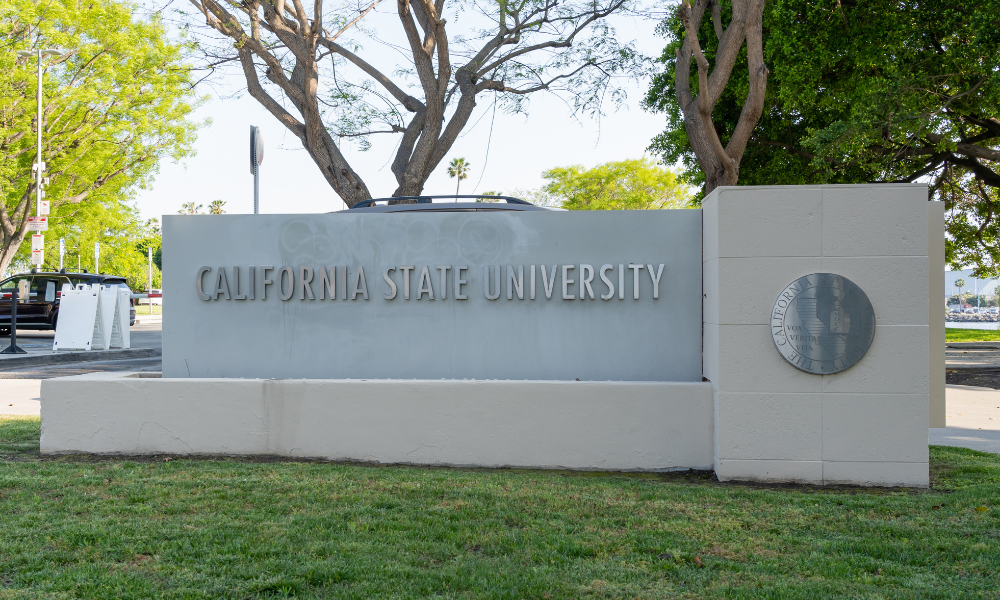
The California Faculty Association, which represents professors, lecturers, coaches, counselors, and librarians across the CSU system, caught wind of the change within two weeks. Faculty members started calling in worried. Some couldn’t get vaccinated because of allergies to vaccine ingredients. Others with compromised immune systems from chemotherapy, organ transplants, or autoimmune diseases rely on high vaccination rates around them to stay safe.
On February 23, 2023, the union sent CSU a letter demanding negotiations. The message was direct: stop rolling out this policy until we can bargain over the health risks to our members.
CSU’s response two weeks later set up the legal battle. On March 8, 2023, the university said it didn’t think student vaccination policies were something it had to negotiate with faculty unions. But CSU offered to sit down informally and hear why the union thought otherwise. The university proposed meeting on March 16, 2023, and asked for alternative dates if that didn’t work.
The union filed an unfair labor practice complaint with the Public Employment Relations Board on March 8, 2023. After CSU reiterated its position on March 15, 2023, the union declined the meeting offer, saying it disagreed that there was no right to formal negotiations and had already filed charges for that reason.
What followed was a journey through California’s labor relations machinery. An administrative judge sided with the union in January 2024, ordering CSU to reverse the policy and make affected employees whole for losses. The Public Employment Relations Board mostly agreed in August 2024 but softened the penalties, declining to order rescission of the policy and instead directing CSU to reimburse the union for wasted resources.