
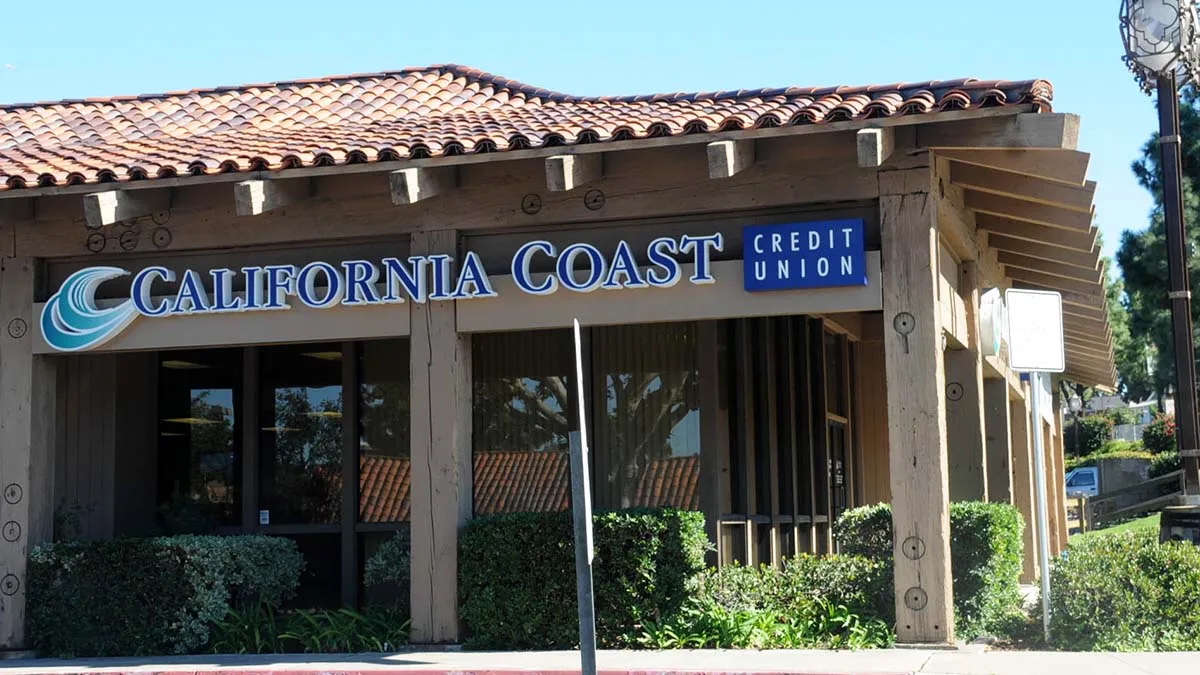
California Coast Credit Union and San Diego Community Credit Union (SDCCU) announced merger last year that’s turned into a legal spat
Deal would have created a southern-California powerhouse with $13.5 billion in assets, 65 branches, 600,000 members
As the integration began, SDCCU says it uncovered serious governance and compliance red flags including marketing in Spanish without disclosures in the same language, use of alternative credit scores and more
Cal Coast CEO Todd Lane said “I am a dictator and I run a dictatorship” according to sworn statement by SDCCU Chief Risk Officer Carolyn Kissick
Ms. Kissick also said in a sworn statement that Cal Coast’s Chief Audit & Risk Officer said of Mr. Lane “It doesn’t matter what I say or what I think, he’s going to do what he wants to do.”
SDCCU this week also raised concerns about Cal Coast’s Chief Audit and Risk Officer’s DUI conviction
SDCCU has proposed putting its CEO, Teresa Campbell at the helm and take a 9-2 board majority, which in turn led to lawsuit by Cal Coast attempting to force merger consummation
It was supposed to be a picture-perfect marriage of California credit unions. But a breakdown in corporate governance has threatened the tie-up long before they could reach the altar.
That’s the case of San Diego Community Credit Union (SDCCU) and smaller peer California Coast Credit Union, which announced a merger that would have created a Golden State powerhouse with $13.5 billion in assets, 65 branches, and 600,000 members. Credit unions operate much like banks, but are effectively owned by members who make deposits.
Unfortunately, SDCCU says it encountered compliance and governance issues as soon as it began to look closely at Cal Coast’s operations. One concern included a marketing campaign in Spanish and failing to furnish contract and disclosure paperwork in the same language.
“The Spanish language issue hits hard,” said former bank regulator and industry veteran David Gibbons, who worked for decades in roles including 27 years at the Office of the Comptroller of the Currency, which oversees national banks and federal savings banks.
He added that processes such as preparing disclosures in the same language as marketing are “not just best practice but good practice.” Mr. Gibbons, who is now CEO of David D. Gibbons & Company, LLC, a consultancy, has served as an expert witness in other matters but isn’t involved in this case.
SDCCU also said it found that certain auto loans were being approved in situations where policy afforded discretion for underwriters to disregard a low FICO credit score when the car dealership provided a higher alternative credit score.

Another regulatory concern centered on laptop computer loans extended at a college bookstore. Cal Coast allegedly marketed and issued loans to San Diego State University students, through the university bookstore, to purchase laptops. But Cal Coast neither reported these as student loans nor conformed to the federal requirements governing them, according to SDCCU.
Yet another worry was Cal Coast’s QCash Loans, which are unsecured no-credit-qualification-required loans (these include payday loans with an annual percentage rate of 28%, according to Cal Coast’s website). The QCash Loans, according to SDCCU, were being issued predominantly to borrowers with verifiably low credit scores, yielding unacceptable credit and default risk.
Such issues triggered alarm bells at SDCCU, given the risk of regulatory trouble and litigation. Indeed, with assets of $13.5 billion in the combined entity rather than Cal Coast’s assets of $3.6 billion, it could be a much juicier target.
But SDCCU didn’t try to kill the deal, instead attempting to find solutions to help comply with key regulations and financial safeguards. When SDCCU proposed to address shortcomings, it said it encountered significant pushback.
SDCCU says that Cal Coastal “balked and chafed” against some of the suggested changes, with the smaller lender referring to them as a “distraction.” The alleged Cal Coast response is captured most poignantly by a sworn testimony by a senior SDCCU executive highly involved in the early days of attempted integration.
Chief Risk Officer Carolyn Kissick, a veteran with 35 years in the financial services industry who herself has experience with merger integrations, said in a sworn statement that she was “berated” by Cal Coast CEO Todd Lane when she urged him to embrace better compliance controls. “He stated, in sum and substance: ‘I run a dictatorship and I am the dictator. I do not care what you say or what you think,’” Ms. Kissick said in her testimony.
Ms. Kissick also said in a sworn statement that Cal Coast’s Chief Audit & Risk Officer said of Mr. Lane “[i]t doesn’t matter what I say or what I think, he’s going to do what he wants to do.”
SDCCU also raised concerns about Cal Coast’s Chief Audit and Risk Officer’s own ability to oversee and enforce compliance. In a court filing this week, SDCCU made a motion to compel additional deposition testimony, on the grounds that the officer refused to provide responses to SDCCU’s deposition questions, and good cause exists for compelling him “to answer questions about his DUI conviction (a matter of public record) under oath.”
“He flies the compliance aircraft, he directs the air traffic around it, and he audits the entire operation,” SDCCU said in the court filing, adding that that his “criminal conduct, coupled with his decision to hide it from the institution, refutes any notion that he functioned as an effective check on Lane’s authority or as a reliable steward of Cal Coast’s compliance, risk, and audit framework.”
In a statement to CorpGov, Cal Coast said “[o]ur CEO did not make that statement, and it does not reflect his leadership approach, or how he engages with employees, partners, or the communities we serve. It’s unfortunate they would resort to this disparaging tactic. Cal Coast has operated in full compliance with all laws and regulations. We are routinely examined by both state and federal regulators and audited continuously. We remain committed to the merger process and to acting in the best interests of our members and community.”
Regulators would likely not take kindly to such an alleged attitude by a credit union CEO, according to Mr. Gibbons, who said “a CEO who is that domineering creates potential for poor attitude and culture throughout the organization and it reflects a lack of discipline.” Regarding the “dictator” comment, Mr. Gibbons said the statement was so brash that it could conceivably make the difference between an institution, or the individual, getting a formal enforcement action (e.g. Cease and Desist Order) or not.
Unlike a publicly-listed bank which is required by the SEC to have a certain number of independent directors, credit unions use volunteer boards. Regardless, the board has an obligation to govern. “You still need good governance,” Mr. Gibbons said.
SDCCU has proposed leadership and board changes that it believes would help shore up Cal Coast’s corporate governance: Mr. Lane would be replaced by SDCCU CEO Teresa Campbell and SDCCU would have 9-2 board majority.
Cal Coast in turn has sued SDCCU to force the merger through, employing a law firm that reportedly bills $3,000 an hour. With many more hearings scheduled deep into the year, the saga could drag on for some time at the expense of depositors.
While Cal Coast may have flown under the radar as a smaller lender, its attempted transformation into a larger institution comes with much more scrutiny. Mr. Lane and Cal Coast may soon find that corporate governance is, well, kind of a big deal.
Register for our weekly newsletter HERE
Contact:
Click HERE to follow us on LinkedIn
The post Stay Classy, San Diego: Corporate Governance Turned Asunder at Cal Coast Credit Union appeared first on CorpGov.