
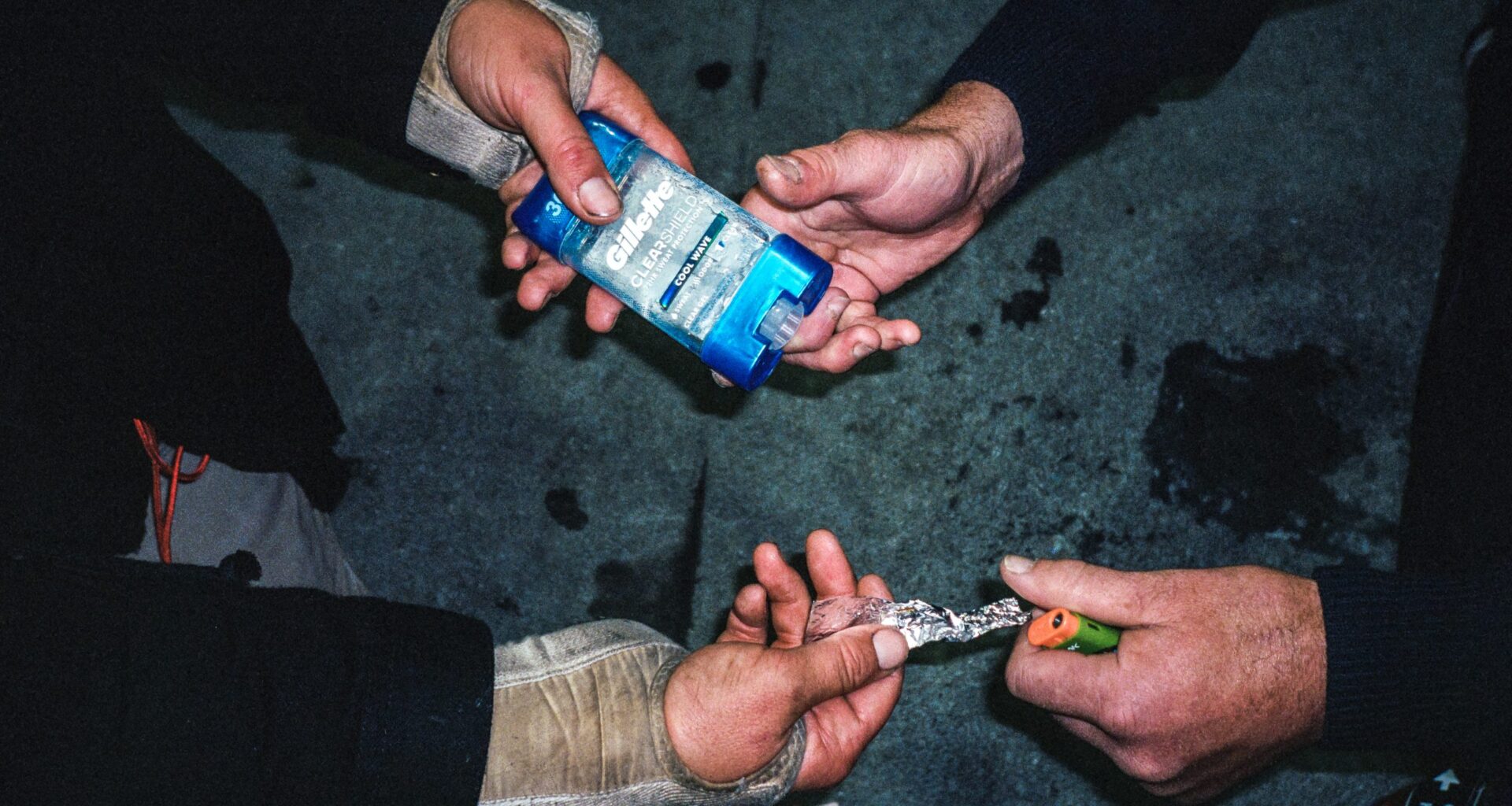
San Francisco, like the rest of the country, experienced fewer homicides, aggravated assaults, and robberies last year, but in drug offenses, San Francisco’s profile was sharply different. The rate of drug offenses jumped by nearly 54 percent.
Elsewhere, arrests for the manufacture, sale, and possession of illicit drugs, rose on average by 7 percent, according to a January study by the Council on Criminal Justice, a nonpartisan think tank.
San Francisco, however, counted just under 9 arrests for every 1,000 residents in 2025, a nearly 54 percent increase from 2024.
Of the 19 cities that reported 2024 and 2025 drug offense rates to the Council on Criminal Justice, four others also saw more than a 20 percent increase. After San Francisco, Austin had the highest spike at 46 percent.
Meanwhile, deaths from accidental drug overdoses in San Francisco fell slightly between 2024 and 2025, from 635 to 621. Provisional data from the National Center for Health Statistics indicates that drug overdose deaths also continued to decline nationwide.
It is unclear from the study why drug offenses are on the rise. San Francisco police officers, for their part, say they are making more arrests and writing more citations than ever before.
In March of last year, San Francisco police officers made 520 drug arrests or citations — the highest tally since 2018. A quarter of all drug arrests in the city that month were concentrated around 16th and Mission, where there was an active police presence.
The reported rate of drug offenses in San Francisco has risen even when compared to pre-pandemic years.
The Council on Criminal Justice study found that violent crime and most property crimes in 40 large American cities fell to or below 2019 levels last year, with crime rates in San Francisco largely mirroring this trend.
But not drug offenses. While the average rates of drug crimes in 16 other U.S. cities were down from their 2019 levels, the rate of drug offenses in San Francisco increased by 121 percent between 2019 and 2025.
Just two other cities in the study saw an increase between 2019 and 2025: Austin (27%) and Dallas (210%).