
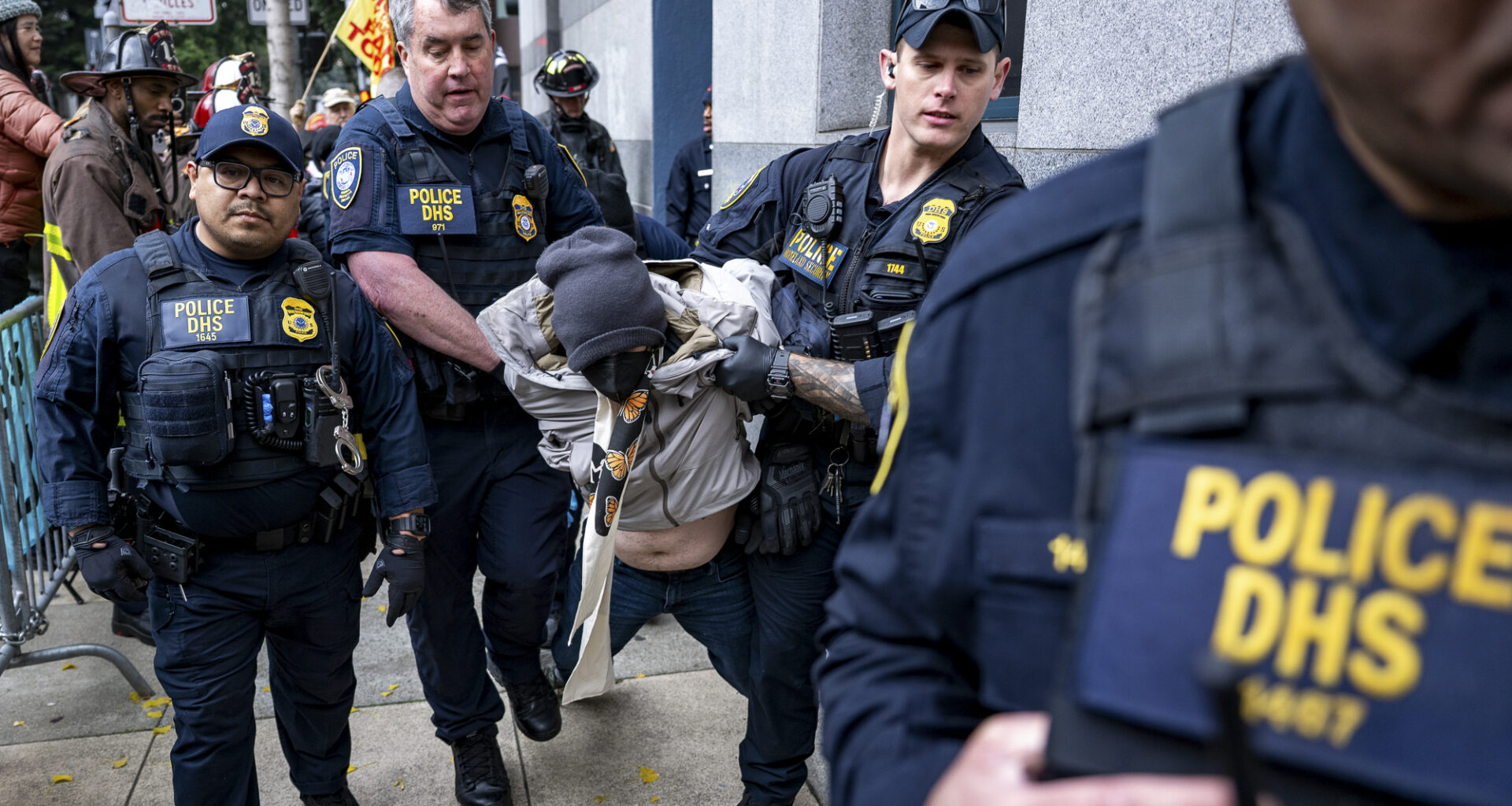
“Today we are deliberating an issue to try to solve and also remedy the fear that folks are living with,” said Senate President pro Tem Monique Limón, D-Santa Barbara. “In combination with the fact that we have not seen due process.”
Wiener argued that existing law makes it difficult for victims to receive damages in federal court. For example, the Federal Tort Claims Act protects the government from liability arising from decisions made by individual officers and requires plaintiffs to first file an administrative claim.
Supporters of SB 747 include the Prosecutors Alliance, a coalition of progressive district attorneys, and Inland Coalition for Immigrant Justice, which advocates for immigrants in California’s Inland Empire.
The bill is opposed by organizations representing California police officers, sheriffs and Highway Patrol officers.
They argued the change will undercut an existing state law, known as the Bane Act, which requires Californians who sue law enforcement officials to show that a civil rights violation was accomplished through “threats, intimidation, or coercion.”
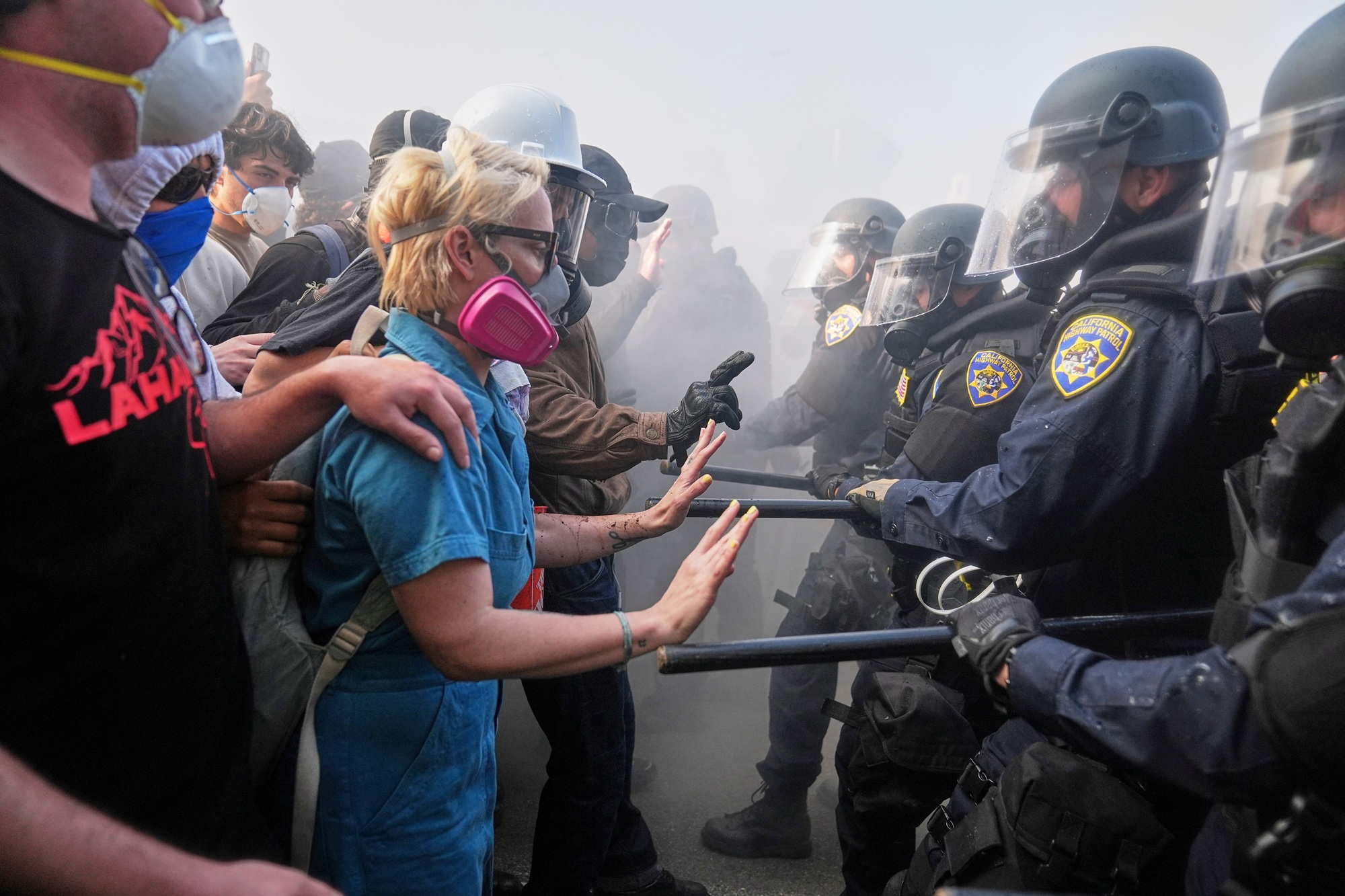 Protesters against President Donald Trump’s immigration crackdown confront police on the 101 Freeway near the Metropolitan Detention Center in downtown Los Angeles on June 8, 2025. (Jae C. Hong/AP Photo)
“The question before you is not whether accountability should exist, but what creating a second, overlapping state system actually adds — other than more litigation and more risk for those on the front lines,” said Sen. Suzette Martinez Valladares, R-Santa Clarita.
During debate on the Senate floor, Wiener said local police officers and sheriffs can already be sued under federal law for violating constitutional rights.
“The liability that local and state police officers face will be the same after this is signed into law as before,” Wiener said. “It doesn’t change that.”
Senate Bill 747 now heads to the state Assembly.
In an analysis of SB 747, staffers on the Senate Judiciary Committee wrote, “the bill is very likely to be challenged by the federal government if signed into law.”