
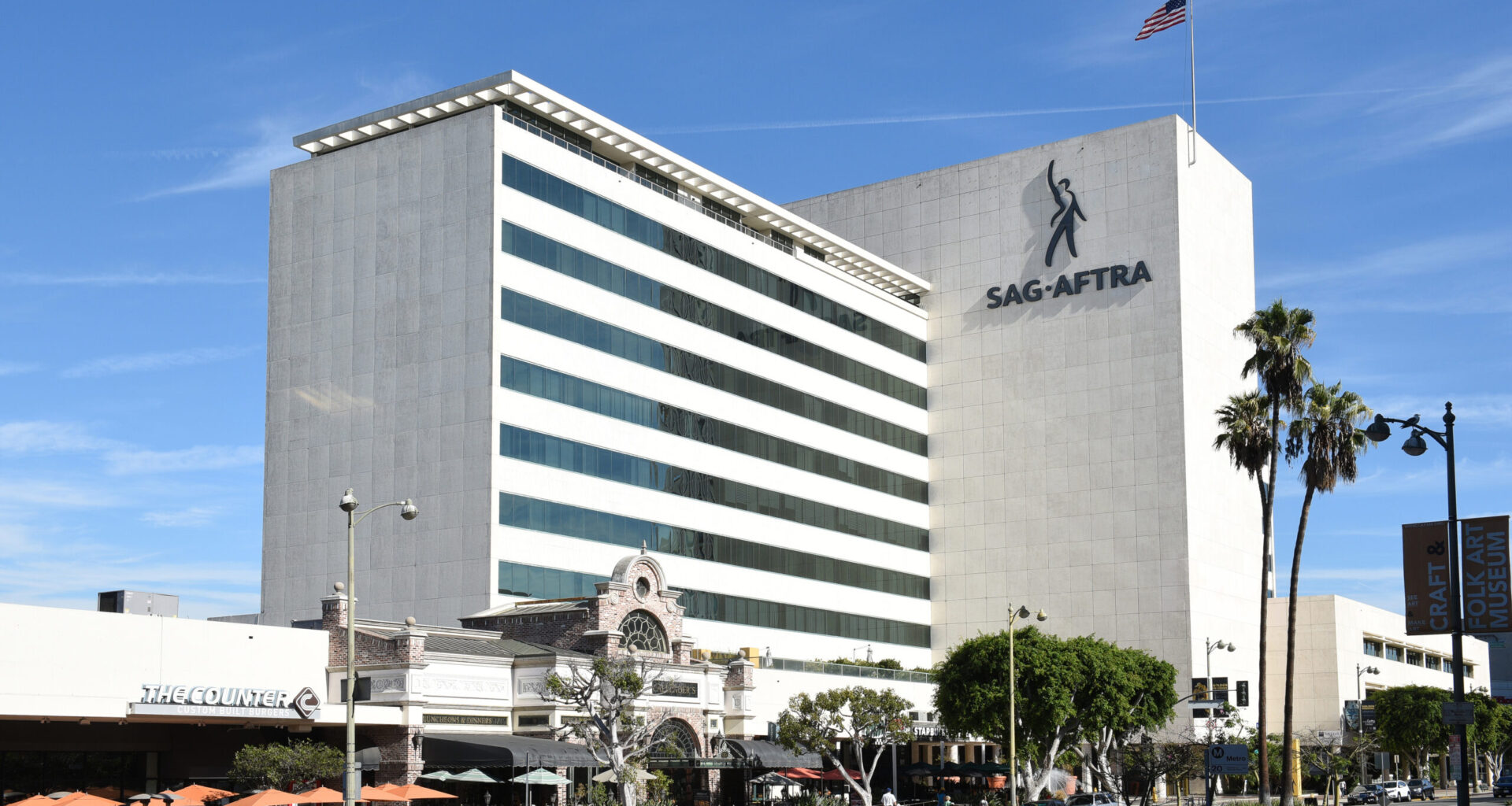
SAG-AFTRA President, Sean Astin, talks about protecting working actors as technology, streaming economics and production patterns continue to reshape the city’s creative workforce
As Los Angeles continues to recalibrate after years of labor unrest and production slowdowns, the actors’ union SAG-AFTRA is preparing for a pivotal round of contract negotiations with the Alliance of Motion Picture and Television Producers. Talks are scheduled to begin February 9, 2026, well ahead of the current contract’s June 30 expiration. A move that reflects both caution and urgency in an industry still feeling the aftershocks of the 2023 strikes.
For Los Angeles, these negotiations are not abstract labor politics. SAG-AFTRA represents more than 160,000 performers nationwide, many of whom live and work in Southern California. The outcome of the 2026 talks will shape whether acting remains a viable middle-class profession in a city increasingly defined by a widening gap between marquee talent and working performers.
In a recent interview with Deadline, SAG-AFTRA President Sean Astin framed the upcoming negotiations as an effort to bring stability and clarity to an industry that has changed faster than its contracts. Astin emphasized that beginning talks early is about preparation rather than brinkmanship. He described a leadership approach focused on transparency, education and direct engagement with union members so they understand how contract language affects their day-to-day livelihoods.
Astin also acknowledged the toll that the 2023 strikes took on Los Angeles. Soundstages went dark, crews scrambled for alternative work and small businesses tied to production felt the impact almost immediately. According to Astin, avoiding another prolonged shutdown is a priority, but not at the expense of addressing unresolved structural issues that continue to erode job security for actors.
Streaming Economics and the AI Question
One of the clearest through lines in Astin’s remarks was how dramatically the economics of acting have shifted in the streaming era. While blockbuster salaries still dominate headlines, Astin stressed that most SAG-AFTRA members rely on residuals, health benefits and steady employment to stay afloat in a city where the cost of living continues to climb. Streaming platforms disrupted that system, often offering smaller residuals and less transparency about viewership and revenue.
For many working actors in Los Angeles, those changes have translated into fewer qualifying weeks for health insurance and more pressure to take nonunion or short-term work. Astin described these realities as central to the 2026 talks, noting that a contract that does not reflect how content is produced and distributed risks leaving performers behind.
Artificial intelligence looms as perhaps the most complex issue on the table. Advances in voice replication, digital doubles and performance synthesis have raised concerns that actors’ likenesses could be reused without meaningful consent or compensation. Astin characterized AI as an immediate labor issue rather than a speculative one, particularly in a market like Los Angeles, where background performers, day players and voice actors form a large part of the workforce.
While SAG-AFTRA secured initial AI protections in recent agreements, Astin suggested those measures are only a starting point. Union leaders are now pushing for clearer rules that limit how studios can create and deploy digital replicas and ensure performers are paid when their work or likeness is reused.
Scroll to continue reading
The lessons of the 2023 strike continue to inform the union’s strategy. Astin pointed to the dangers of contracts that lag behind industry practices, arguing that unresolved issues tend to compound until they reach a breaking point. For the union, the goal of the 2026 negotiations is to anticipate change rather than respond to it years later.
Studios, for their part, are also seeking stability. After years of uneven production schedules, shifting audience habits and financial restructuring, another work stoppage would strain an industry already under pressure. Still, SAG-AFTRA leaders have made it clear that they are prepared to take strong action if talks fail to deliver meaningful progress. Astin stopped short of predicting another strike but he framed readiness as a responsibility to union members rather than a threat.
For Los Angeles, the 2026 SAG-AFTRA negotiations represent more than a contract dispute. They are a referendum on whether the city can sustain a creative workforce in an era of rapid technological change and shifting business models. As talks approach, the outcome will determine not only how actors are paid but whether Hollywood remains a place where working artists can build a lasting career.