
Algalita Marine Research and Education, a local nonprofit that works to advance scientific knowledge about the impact of oceanic microplastic pollution, wants to support teachers who are inspiring and empowering their students to reduce plastic pollution.
The nonprofit has revamped its educator mini-grant program to fund teachers’ projects that help address the root causes of plastic pollution, according to its website. Educators play a vital role in shaping how young people understand and respond to the plastic pollution crisis, organizers said, and Algalita wants to support that work.
The educator mini-grant provides $1,000 to 10 awardees — which supports meaningful learning experiences and action-focused projects that empower students to work towards a world where there is no more plastic pollution.
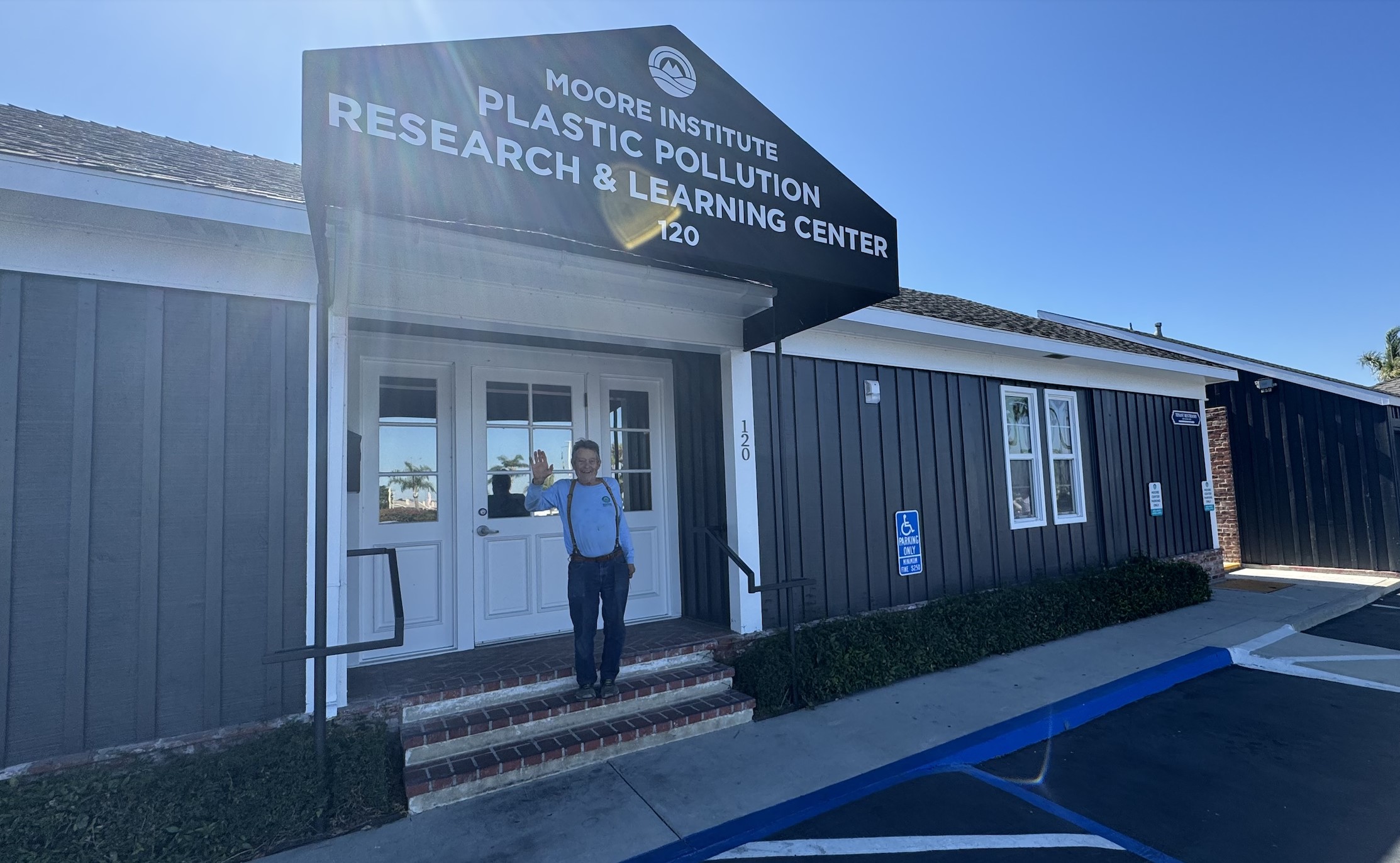
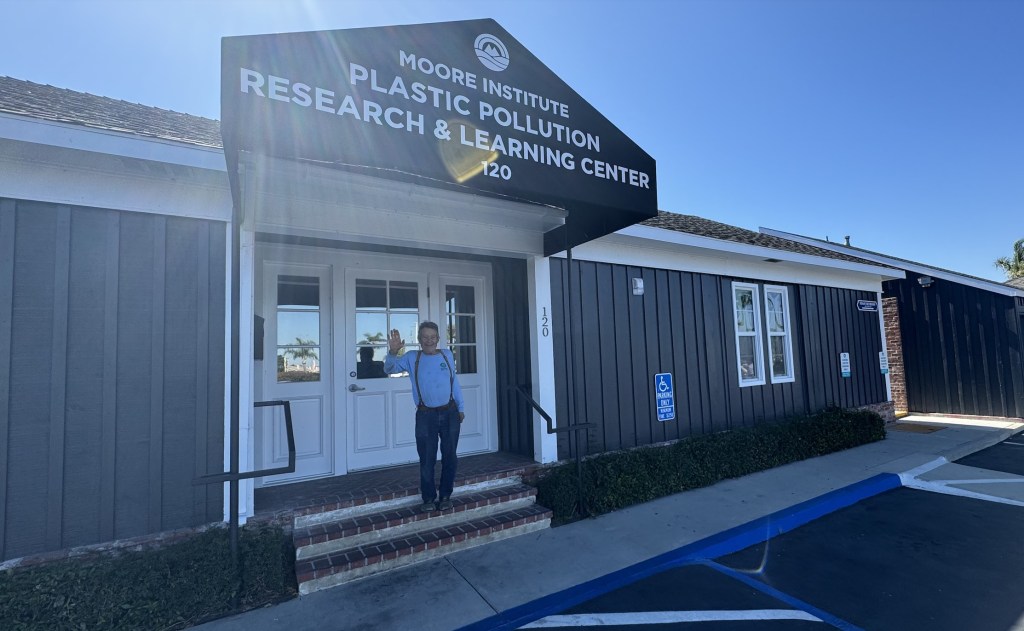
Capt. Charles Moore poses in front of the Moore Institute for Plastic Pollution Research. (Photo courtesy of Algalita Marine Research and Education).
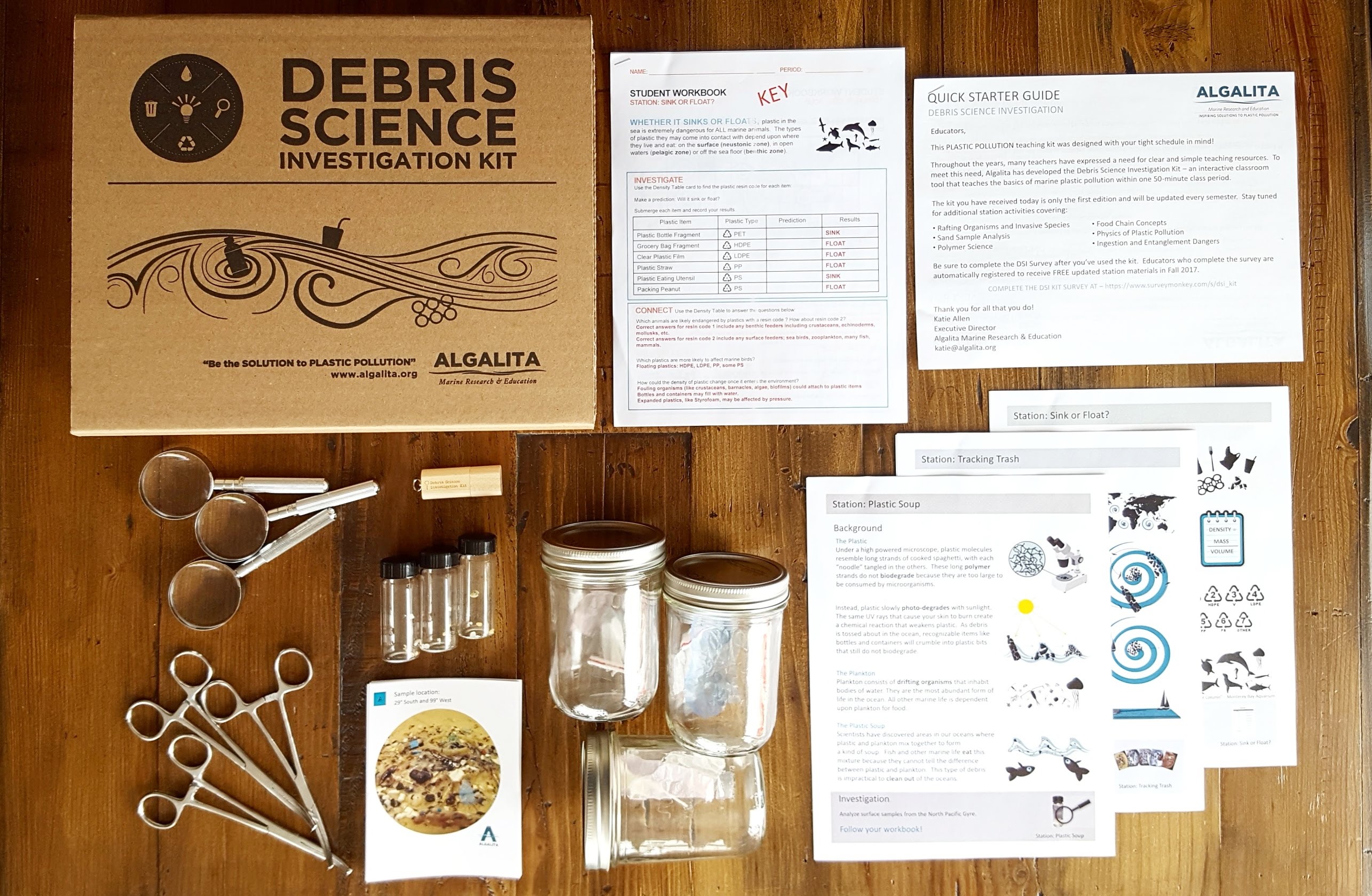
A student education toolkit offered by Algalita. (Photo courtesy of Algalita Marine Research and Education).
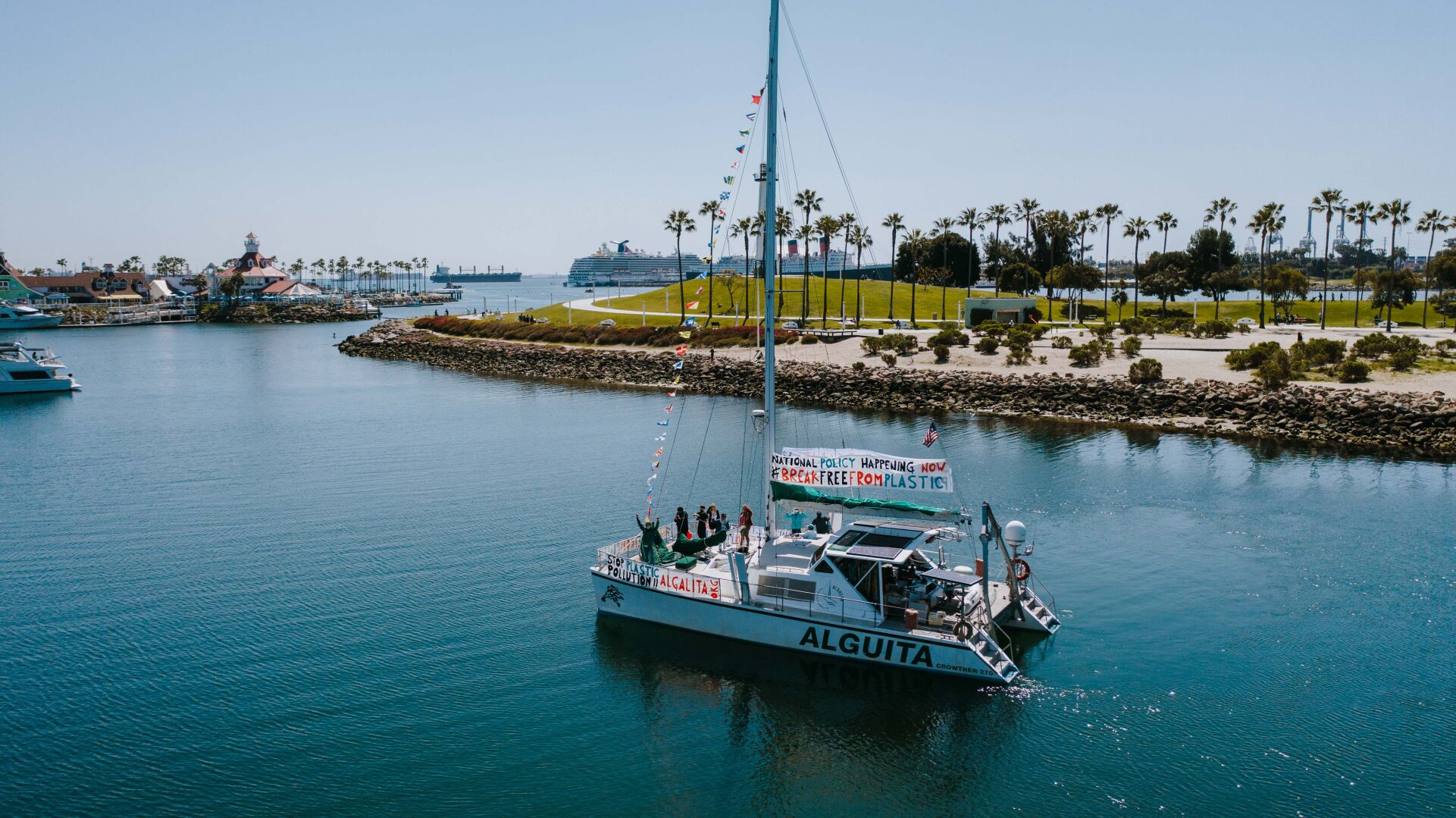
Members of Algalita, aboard Captain Charles Moore’s vessel, Alguita, cruised around the Long Beach coastline Sunday, March 21, to raise awareness of the Break Free From Plastic Pollution Act. The vessel is the same one Moore sailed when he discovered a large garbage patch in the North Pacific in 1997. (Courtesy Algalita)
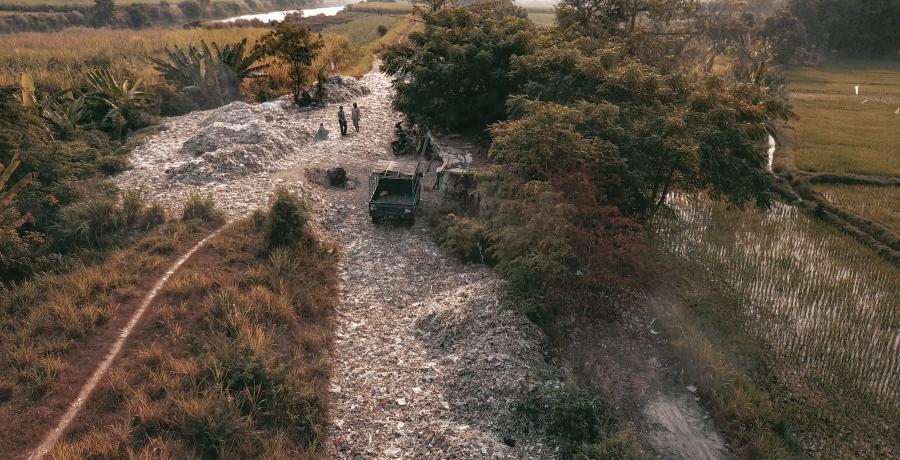
Algalita Marine Research and Education presents a screening of “The Story of Plastic” at the Art Theatre in Long Beach Monday, March 2. (Courtesy of Stiv Wilson)
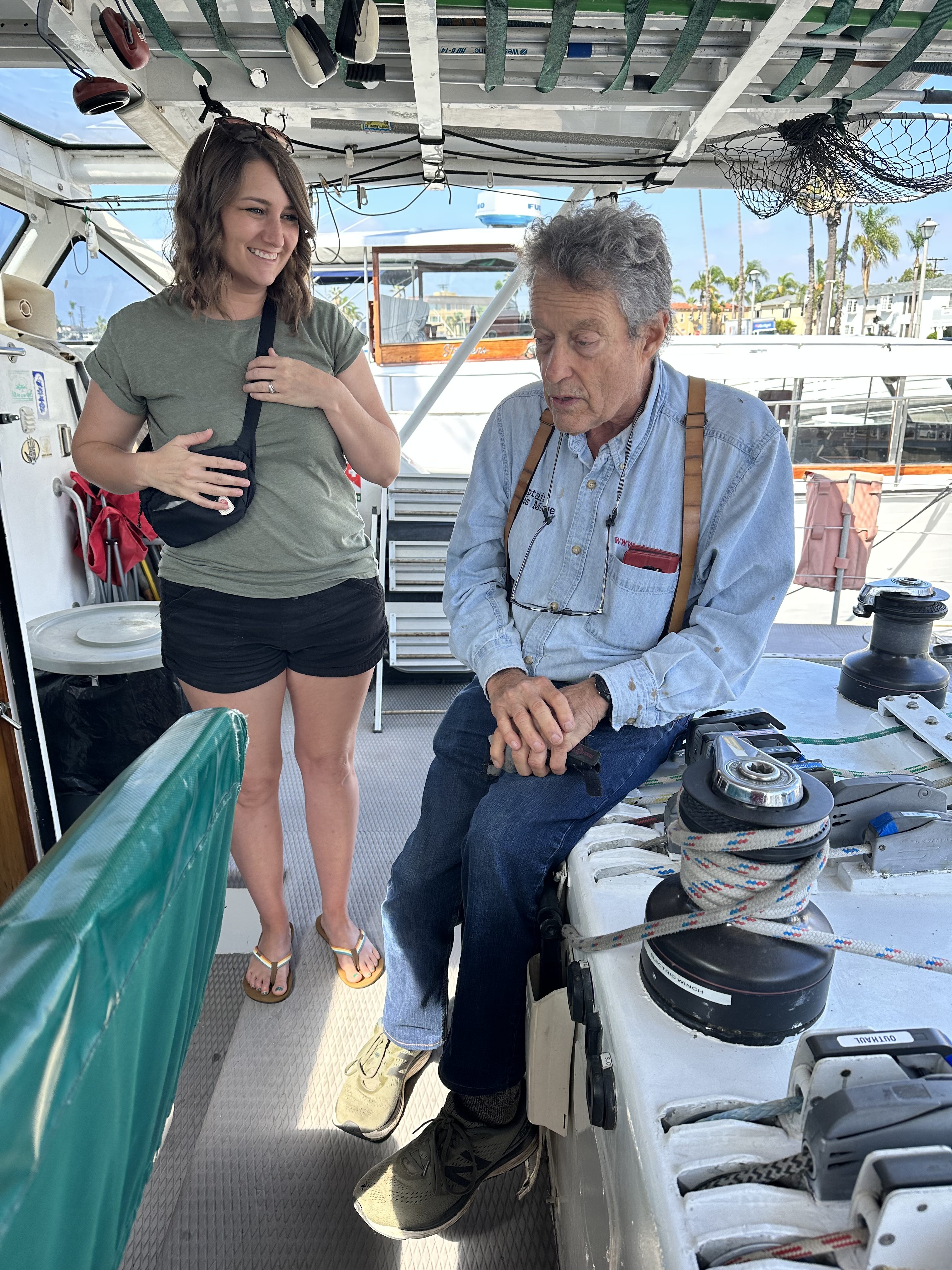
Capt. Charles Moore on his ocean research vessel Alguita, which calls Alamitos Bay home. Moore is selling the 50-foot catamaran. (Photo by Jo Murray, Grunion/SCNG)
Show Caption
1 of 5
Capt. Charles Moore poses in front of the Moore Institute for Plastic Pollution Research. (Photo courtesy of Algalita Marine Research and Education).
From now through March 1, educators in Long Beach and across the United States can apply for the Wayfinder Society Educator Mini-Grant to support classroom or school-based projects during the 2026-27 school year.
Algalita, founded by local resident Capt. Charles Moore in 1994, is an internationally known environmental nonprofit that started the movement to end plastic pollution nearly three decades ago. The organization has worked to revolutionize the plastic pollution conversation by building a web of connections between researchers, activists, industry leaders, educators, and young people across the globe.
The educator mini-grant program was designed to support meaningful, school-based projects that align with the nonprofit’s mission. Funds can be used for expenses related to project goals or materials.
Some project examples include:
Hosting a Fixit Clinic on campus to teach repair skills and keep items in use longer
Starting a thrift closet on campus where students can donate and find secondhand clothing
Leading a field trip to a recycling center, waste facility, refill shop, or repair space to understand real-world waste systems
Investigating microplastics or watershed health through hands-on testing and analysis
Developing a waste-audit and action plan where students analyze their school’s waste stream, identify top plastic sources, and propose system-wide changes to reduce them
Implementing a composting or food-waste reduction program that reduces plastic-lined trash bags, single-use packaging, and overall waste
Creating or expanding a school garden that teaches students about soil health, composting, and growing food without plastic to reduce reliance on plastic-packaged produce and demonstrate regenerative, close-loop systems
Organizing a nature-based field trip that helps students build a personal connection to their local environment and understand how ecosystems are impacted by plastic pollution
To qualify for the mini-grant, you must be a middle or high school educator teaching in a public, private or charter school in the U.S., and demonstrate a commitment to addressing plastic pollution in your classroom, school, community or beyond, according to the nonprofit’s website.
All awardees are required to complete their funded project by the end of the 2026-27 school year. The program also includes a virtual check-in meeting in January 2027 to share project updates, submit a final grant report by May 2027, and integrate at least one Wayfinder lesson and student hub action guide into a class period’s curriculum, as well as a 10-minute presentation about the completed grant-funded project.
Applications are open now through March 1, and awardees will be announced in early April, organizers said. To apply or learn more information about the Wayfinder Society Educator Mini-Grant program, visit algalita.org/wayfinder-society.