

“We will not allow these for-profit corporations to make hundreds of millions of dollars off of human suffering and family separation,” Haney said, flanked by Democratic lawmakers, gubernatorial candidate Tony Thurmond and immigrant advocates. “If you are going to impose this kind of terror on our state and on our people, we are going to tax you for the pain and harm that you’re causing.”
This comes as the fatal shootings of protesters Alex Pretti, an intensive care unit nurse, and Renee Macklin Good, a mother of three, have generated intense backlash in spaces as varied as professional basketball games, social media influencers’ baking feeds and Trump voter surveys.
U.S. Immigration and Customs Enforcement contracts with three private prison companies — Geo Group, CoreCivic and Management & Training Corporation — for about $560 million per year to run detention centers in the state, according to the California Immigrant Policy Center, a bill sponsor. The seven facilities currently jail more than 6,200 immigrants, ICE’s most recent figures show.
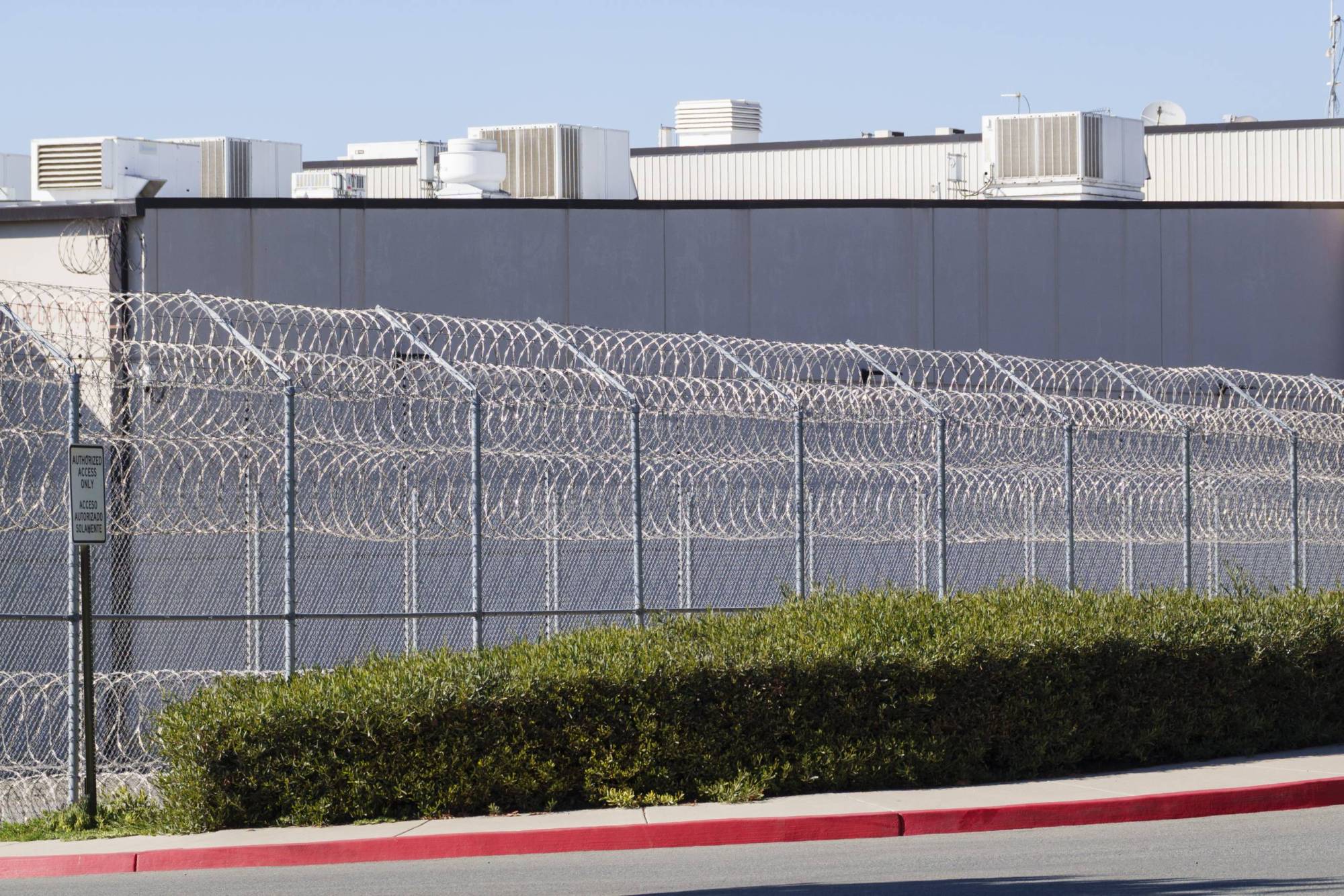 Fences and barbed wire surround the CoreCivic Otay Mesa Detention Center on Oct. 4, 2025, in San Diego, California. (Kevin Carter/Getty Images)
For years, detainees and immigrant advocates, as well as the California Attorney General, have reported that the facilities have failed to meet ICE’s own detention standards, with substandard medical care, unsanitary living spaces, inadequate access to food and other serious problems. Last year, 32 people died in ICE custody nationwide, the most in two decades. So far this year, six more detainees have died.
Alexandra Wilkes, a spokeswoman for the Day 1 Alliance — a trade organization representing Geo Group, CoreCivic and MTC — declined to comment on the new proposed tax, but defended the companies’ records.
“For more than 30 years, contractors have partnered with both Democratic and Republican administrations to provide vital services at their request, including safe, humane housing, quality medical and mental health care, and respectful, dignified care for individuals navigating the U.S. immigration system,” Wilkes said in a statement.
Without the contractors’ critical services, she added, more immigrants would likely be held in overcrowded local jails, alongside potentially dangerous individuals.