
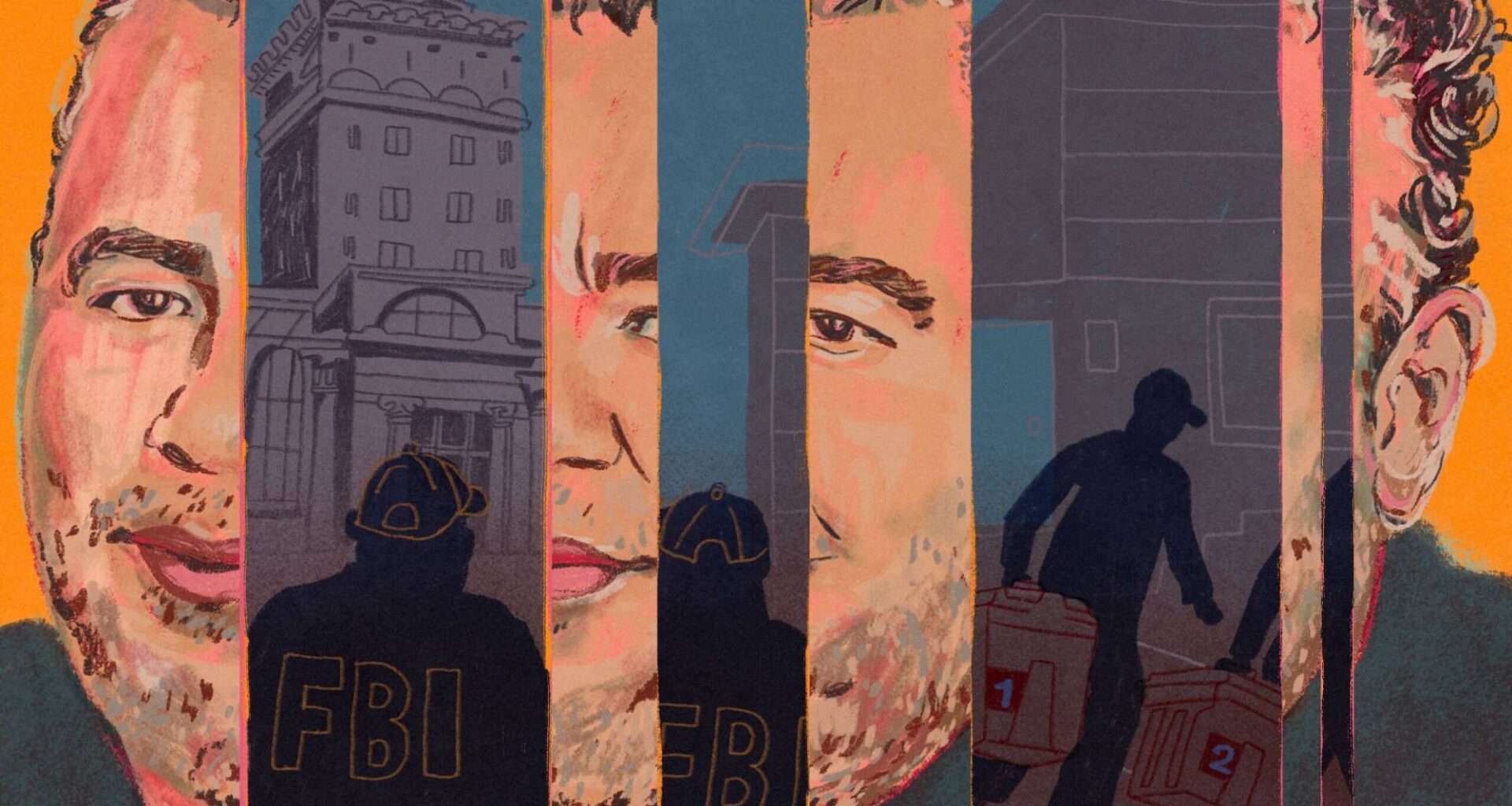
In a legal filing this week, Thao’s attorneys pushed back on that argument, saying that the documentary chain of evidence establishing Thao’s involvement in the scheme relies on Juarez’s text messages and notes.
Prosecutors also pointed out they had warned the magistrate judge in a multipage footnote about information relevant to Juarez’s credibility, and described his possible motivations for cooperating with the government.
They say the affidavit made clear that Co-Conspirator 1 “appears to be … motivated by revenge against the Duongs and a desire to obtain protection from law enforcement from the Duongs, among any number of other potential personal motivations he may have” and also that Co-Conspirator 1 “appears to be talking ‘with the hope of obtaining some form of leniency in exchange.”
Information about Juarez’s past that defendants claim the FBI left out of the affidavit consisted in part of “decades-old unsworn civil complaints,” news articles and other information, they wrote.
Those complaints and other materials, at most, establish “that Co-Conspirator 1 has been repeatedly accused of fraud in civil litigation over the years,” they argued. “It is a far cry, however, from the ‘decadeslong pattern of repeatedly being found liable for defrauding business partners,’ that Defendants purport it to be.”
Prosecutors admit that the FBI agent who wrote the June 14, 2024, affidavit was not aware of every detail of Juarez’s past legal issues when it was filed.
But, they argue, he was not responsible for doing the additional investigation.
Defendants “cite no precedent for the suggestion that agents must search and disclose all court records related to civil lawsuits related to informants, nor could they,” the filing reads. What’s more, they argue, given the information the government did disclose, not including every detail of Juarez’s civil litigation history, “cannot be considered to be reckless or material” — a key element of meeting the Franks standard.
The 2024 shooting
Defendants also accuse the FBI of leaving out key information about a June 9, 2024, shooting that took place in front of Juarez’s Fruitvale home three days after he first spoke with agents.
According to David Duong’s attorneys, the June 14 search warrant affidavit had framed the shooting as a possible attempt to murder Juarez, orchestrated by the Duongs because they had learned he was cooperating with the FBI.
According to prosecutors, FBI agents believed at the time that the shooting could have been a targeted attack by the Duongs.
 A California Waste Solutions worker empties recycling bins in the Rockridge neighborhood on April 22, 2020, in Oakland, California. A campaign finance investigation into the city’s curbside recycling contractor has received renewed attention since the FBI raids. (Yalonda M. James/The San Francisco Chronicle via Getty Images)
“Given that the shooting occurred three days after Co-Conspirator 1 spoke to federal law enforcement, Co-Conspirator 1’s prior allegations that the Duongs had directed an assault on him, as well as suspicious phone tolls leading up to the shooting, the FBI believed that Co-Conspirator 1 may have been part of a targeted attack instigated by the Duongs,” the government’s filing reads.
But Duong’s attorneys allege Juarez lied to law enforcement about what happened that night in an attempt to incriminate the Duongs and save himself from his own legal troubles.
“The affidavit omits evidence, collected by the FBI immediately after the shooting, that suggests the shooting was not an assassination attempt but a botched car burglary,” they wrote.
According to the government’s filing, Juarez had initially reported to OPD and the FBI that he confronted two individuals breaking into this vehicle, one of whom shot at him, and he returned fire. Months later, FBI agents ascertained through analysis of Juarez’s interview after the shooting, surveillance footage and Shot Spotter reports that Juarez likely shot first, rather than returning fire.
When they interviewed him again, he changed his story, they said.
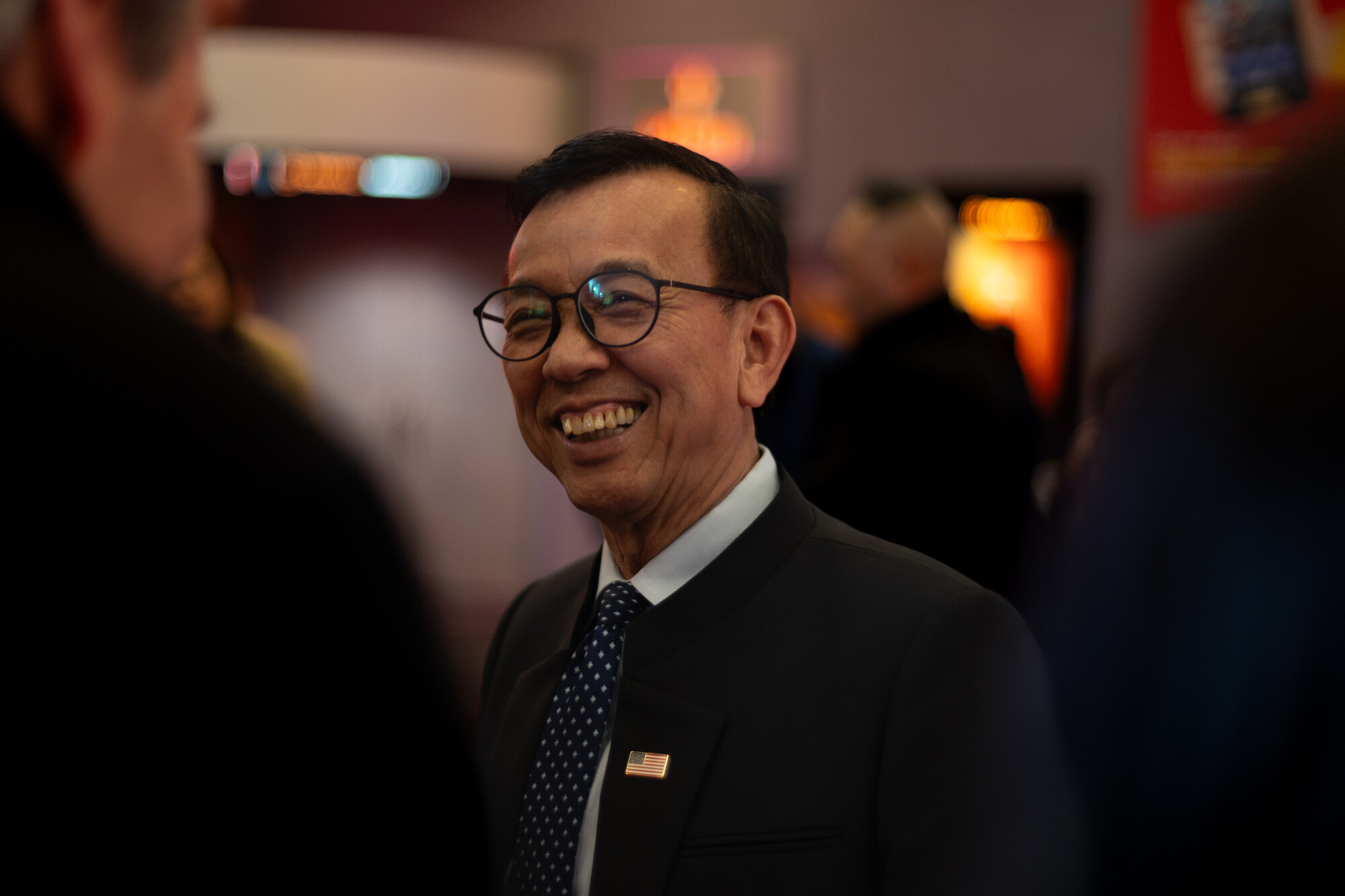 David Duong talks with attendees after a private screening of The King of Trash on Jan. 10, 2026, at Regal Jack London in Oakland. (Gustavo Hernandez/KQED)
“During that interview, Co-Conspirator 1 stated that he shot first after another individual pointed a firearm at him, and he believed his life was in danger,” the filing reads.
Juarez said he couldn’t recall what he initially told OPD about the shooting and that he might have miscommunicated about the sequence of events.
“During that interview, Co-Conspirator 1 continued to state that he believed the shooting was orchestrated by the Duongs,” the filing states.