
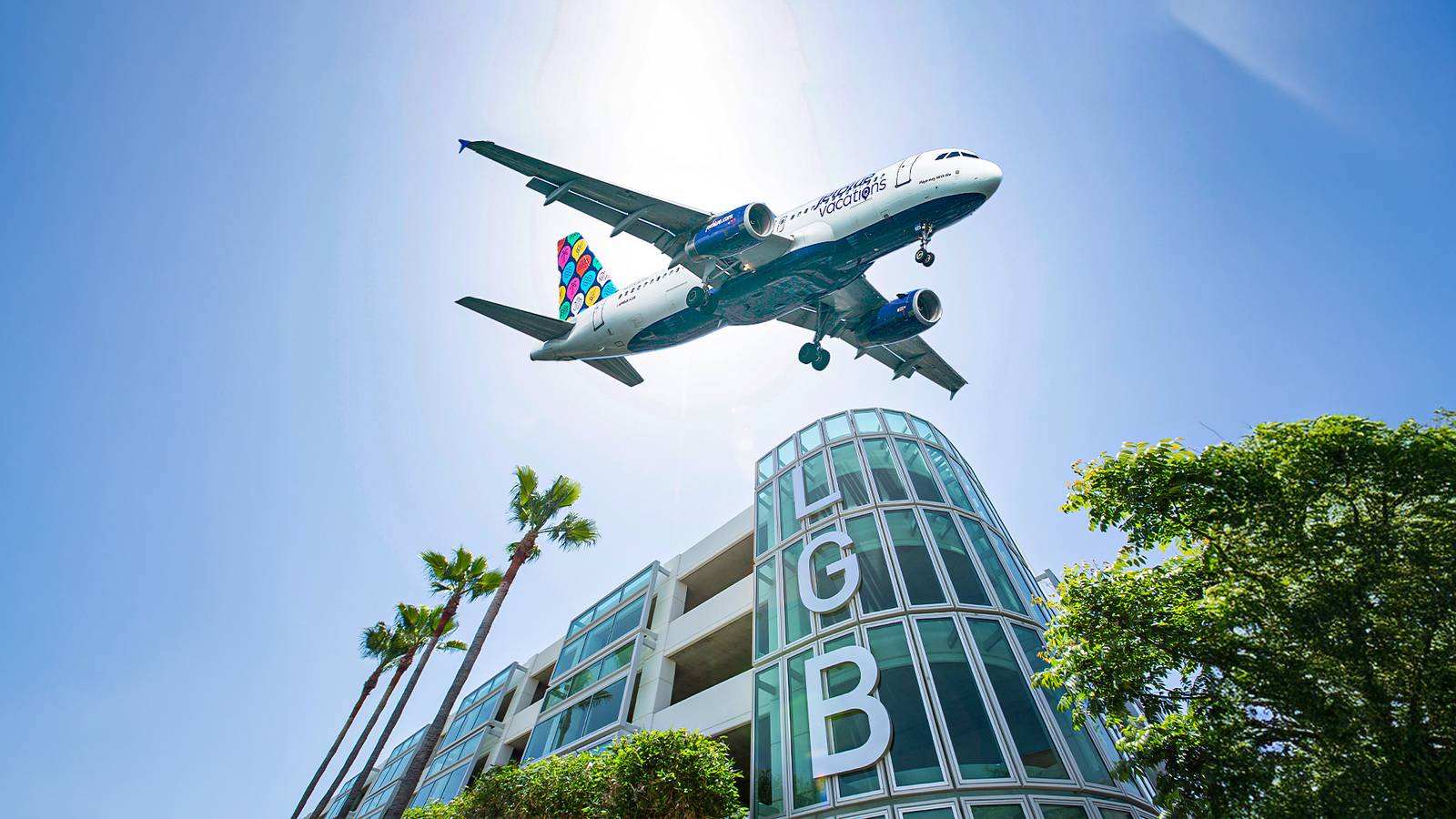
Steadily tightening regulations and operational restrictions alongside an underperforming market led JetBlue to exit Long Beach Airport (LGB) in 2020 and the consolidation of its Southern California operations at  Los Angeles International Airport (LAX). The airline had operated from LGB for 20 years until that point, but a perfect storm of decisions by the city government and reduced traffic due to the escalating COVID-19 pandemic forced JetBlue’s hand.
The conflict between JetBlue and the Long Beach city government was a years-long deterioration of relations, peaking in 2017 when local politics and noise restrictions collided with the airline’s growth plans. Instead of trying to grow at LGB, JetBlue chose to refocus its West Coast operations to LAX, one of the busiest and most globally connected airports in the US. LAX gives the airline better opportunities for expanding domestic and international routes.
Long Beach Vetoes JetBlue
Credit: Shutterstock
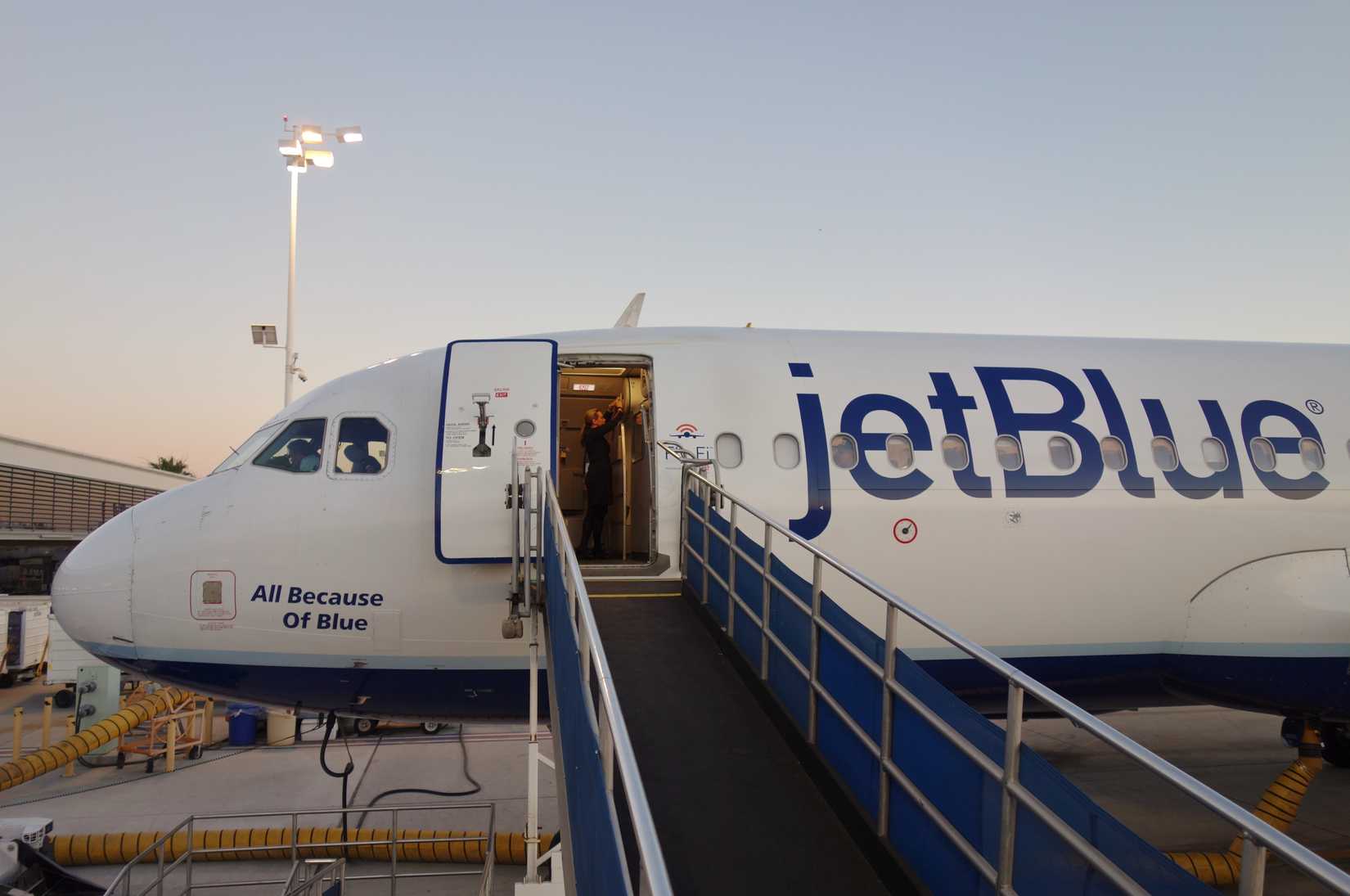
The pivotal moment occurred in 2017 when the Long Beach City Council voted against building a customs facility. JetBlue had intended to use its Long Beach base for lucrative flights to Mexico and Central America. Lacking this capacity, the airline felt it could no longer make the base profitable. As JetBlue’s presence shrank, competitors like Southwest Airlines expanded at LGB, making the market more competitive and harder for JetBlue to defend its share.
City and airport staff recommended approval, citing a study that showed a $20 million facility would be easily paid for by new revenue and tourism. Despite years of study, the City Council voted eight to one to kill the project. JetBlue’s leadership immediately began evaluating its future in the region, as USA Today covered. This disagreement wasn’t the only reason JetBlue eventually withdrew from LGB, but it was part of a broader pattern of operational constraints the airline encountered there.
A major theme in Long Beach has been local resistance to anything perceived as airport expansion. Many residents and neighborhood associations lobbied heavily against the customs facility, saying it would lead to bigger planes, more nighttime activity, and environmental impacts, even though those effects weren’t clearly supported by the airport study. By the time the pandemic hit in 2020, JetBlue’s relationship with the city was so acrimonious that the decision to leave for LAX was viewed as an inevitability rather than a surprise.
LGB’s Non-Negotiable Curfew
Credit: Shutterstock
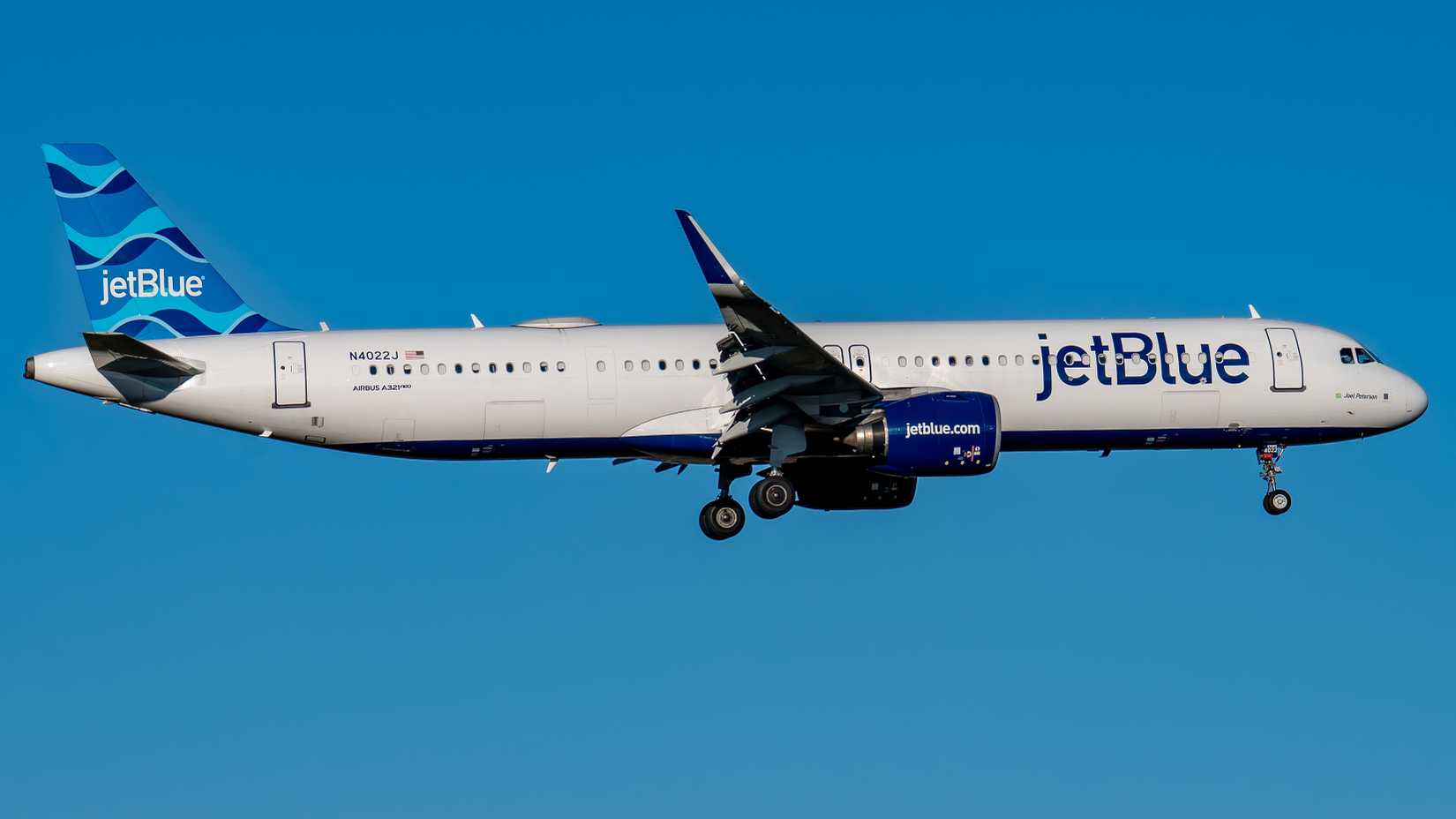
Long Beach has one of the strictest nightly curfews in the US (10:00 PM to 7:00 AM), and JetBlue was the airport’s most frequent violator. JetBlue frequently faced fines for late arrivals from the East Coast, leading to ongoing tension with city leaders. JetBlue argued that many delays were caused by national air traffic control (ATC) issues outside its control, but the city refused to grant exemptions. In 2017 alone, JetBlue paid over $1.2 million in penalties for late arrivals, according to the Orange County Business Journal.
LGB has such a strict noise and flight curfew ordinance because it’s located right next to dense residential neighborhoods. In response to JetBlue’s frequent violations, the city prosecutor increased fines to a flat $6,000 per violation, up from $3,000, and removed the grace period for the first six offenses. Long Beach insisted that fines should be levied unless documentation proves explicit ATC direction. JetBlue was required to obtain official Federal Aviation Administration (FAA) letters to request an exemption from fines.
JetBlue said that it was onerous and often impractical to get such documentation, especially in complex airspace where delays can be caused by multiple factors and the controllers’ discretion. The city was not willing to relax the curfew or pre-approve exemptions, even for ATC delays, because its noise ordinance and political support were rooted in strong community pressure to limit late-night operations.
The LGB noise ordinance is also one of the few in the US to be grandfathered under the 1990 Federal Airport Noise and Capacity Act (ANCA). No other airport operator in the US has succeeded in enacting a similar noise ordinance since 1991. Thus, city leaders also feared that granting frequent exemptions for national ATC issues would be seen as a change to the ordinance, potentially invalidating the entire law and opening the door for the FAA to strip the city of its local control.
Some locals were also described as ‘Not In My Back Yard’ (NIMBY) opponents of growth, which influenced city council decisions. Community groups, such as the Long Beach Small Aircraft Noise Reduction Group (SANeR), continue to sue the city to seek even tighter enforcement of noise rules, such as taxi-back maneuvers by small planes.
Related
JetBlue Dropped This Transcontinental Route 3 Months Ago, But Now It’s Coming Back
The carrier has changed its decision quickly.
JetBlue Gets Evicted
Credit: Shutterstock
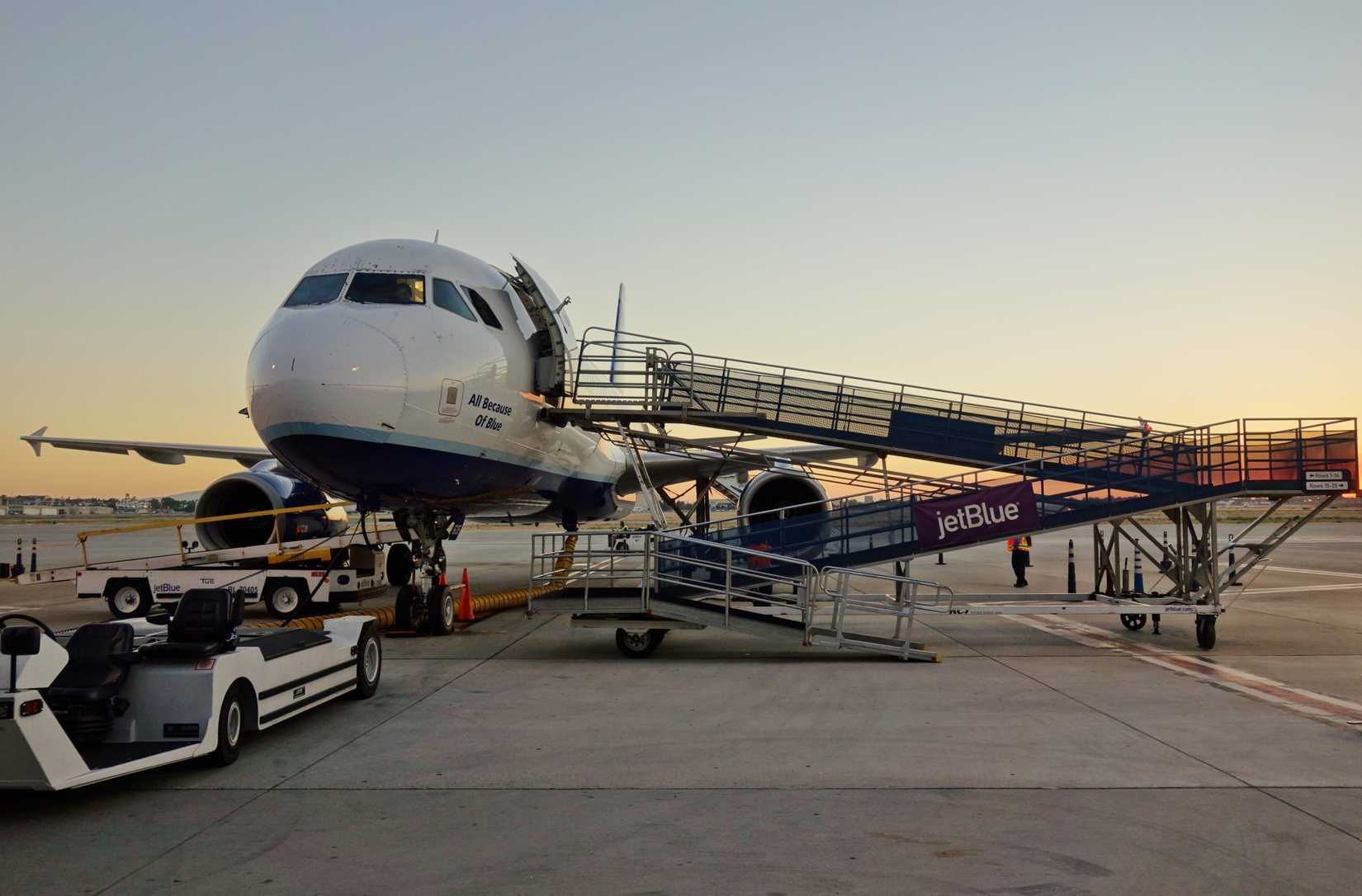
City officials accused JetBlue of ‘slot squatting,’ or holding onto unused flight slots purely to keep competitors like Southwest Airlines out of the market. The city implemented new ‘use it or lose it’ rules, requiring airlines to use their slots at least 70% of the time. In 2019, JetBlue was forced to give up nearly one-third of its slots after failing to meet these minimum usage requirements, which the airline labeled as discriminatory.
To force JetBlue’s hand, the Long Beach City Council unanimously passed a new allocation resolution that significantly raised the bar for usage. By early 2019, JetBlue was operating fewer flights from LGB than it had in the past. Because of this reduction in service, JetBlue failed to meet the airport’s new minimum slot-use standards. Rather than see the city forcibly take the slots away, JetBlue chose to voluntarily relinquish some of its flight slots that year.
Once these slots were surrendered, they were immediately redistributed to Southwest, Delta, and Hawaiian Airlines, effectively ending JetBlue’s dominance at the airport over a year before their total exit in October 2020. JetBlue responded by saying that the decision was punitive and intentionally discriminatory following the fallout of the disagreement over the aborted international customs facility project. When JetBlue announced its full departure in 2020, Long Beach Airport officials stated that the remaining 17 of JetBlue’s permanent slots would be formally reallocated to carriers on the waiting list.
Related
Will JetBlue Join Star Alliance?
While a full merger is unlikely due to regulatory challenges, strategic partnerships, or alliance memberships could be on the table.
LGB Didn’t Add Up
Credit: Shutterstock
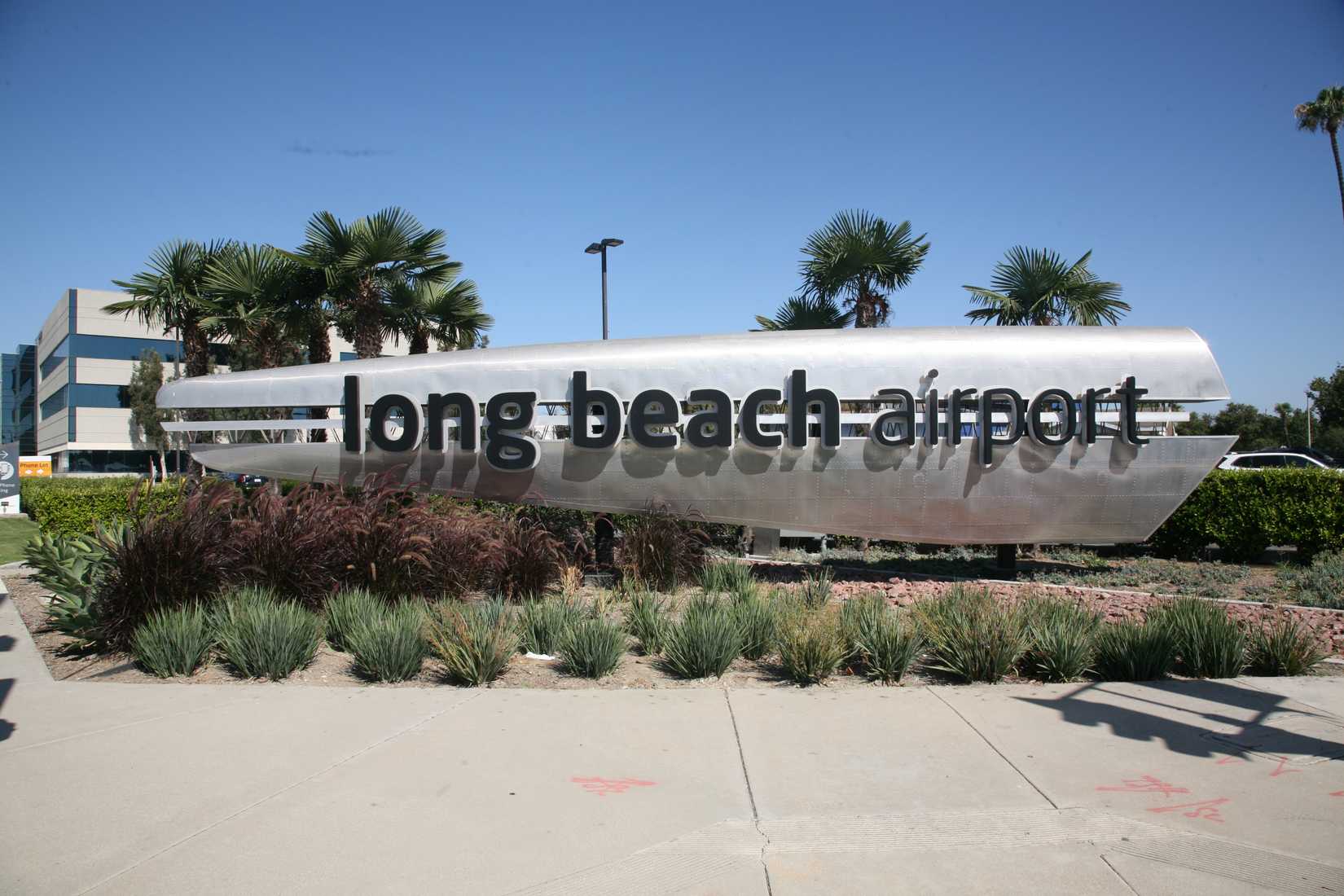
Even before the pandemic, JetBlue’s operation at LGB was not performing well financially relative to other parts of its network, and JetBlue believed it needed additional tools, like international service, to improve performance. Long Beach generally saw lower fares compared to nearby airports. The arrival and rapid expansion of low-cost carriers, particularly Southwest Airlines, created a battle over price competition that forced fares down to levels that were not sustainable for JetBlue’s cost structure.
JetBlue initially envisioned LGB as a potential connecting hub, similar to its East Coast operations. Unlike LAX, LGB primarily served short-haul, intra-California, and Western routes, which did not attract enough premium, business-class passengers who typically generate higher revenue per seat. The combination of the city’s opposition to a customs facility and the limited number of flight slots meant the airline could not build the necessary network connectivity or scale to rival the massive hubs in the region.
JetBlue’s overall network strategy placed much less emphasis on West Coast domestic flying compared to its core East Coast and Caribbean network. While LGB generally had lower landing fees than LAX, JetBlue as a whole faced increasing unit costs as the carrier matured. As such, there was an inability to fully utilize its aircraft and create an efficient network from the constrained LGB base.
Related
What Is Your Favorite Airline For Flights To The Caribbean?
There are relatively few carriers in the United States that specialize in serving leisure travelers the way that JetBlue does. This carrier almost exclusively focuses on serving destinations that are popular with vacationers. Unlike a true low-cost carrier, which competes almost exclusively on price, JetBlue instead chooses primarily to serve destinations that have some element of higher-spending demand. The airline has thus become one of the carriers that offers the strongest schedule to destinations in the Caribbean, especially from its principal operational hubs at John F. Kennedy International Airport (JFK) and Boston Logan International Airport (BOS). Therefore, many have begun to choose the airline for their flights to the Caribbean region. But what do you think? What is your favorite airline for traveling to and from the Caribbean? Why do you think this?
Moving On Up To LAX
Credit: Shutterstock
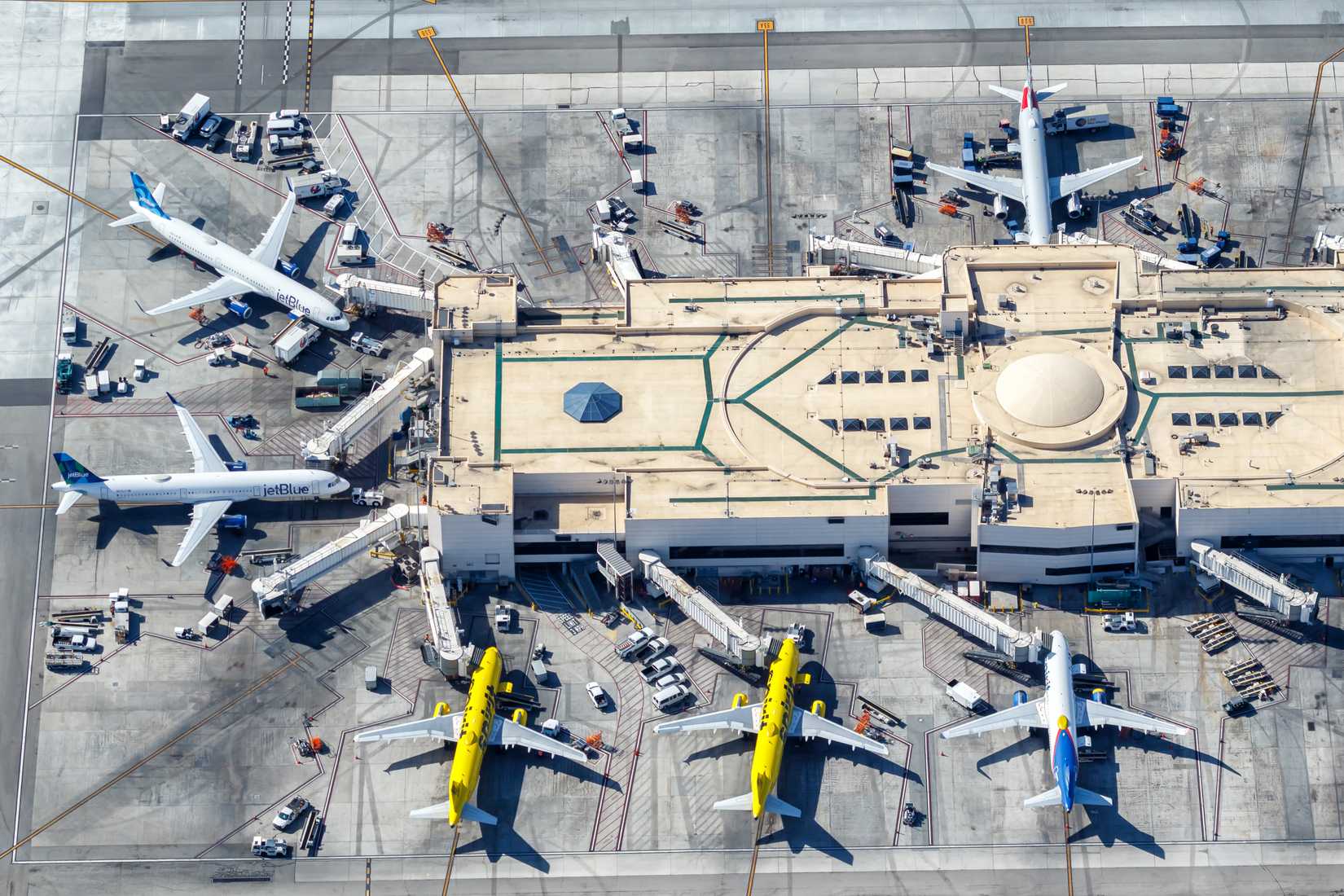
Unlike LGB, LAX operates 24 hours a day, seven days a week. This eliminated the constant threat of fines and operational restrictions caused by LGB’s strict nightly curfew, providing critical scheduling flexibility. LAX also features a full customs and immigration facility, allowing JetBlue to finally launch the lucrative international flights it had long desired. This opened up new markets to destinations in Mexico and Central America.
LAX is the busiest origin and destination (O&D) market in the world, meaning a huge number of travelers start or end their journeys there rather than connecting. This provided a much larger customer base and the potential for higher fares, especially for premium services. LAX allowed JetBlue to expand its highly acclaimed ‘Mint’ premium service on key transcontinental routes. A large international gateway helps JetBlue compete not just domestically but against foreign carriers as well, expanding its brand presence and loyalty base.
Scott Laurence, the airline’s head of revenue and planning, was quoted by Airline Geeks at the time of the move, saying:
“LAX is one of JetBlue’s most successful markets and offers the valuable opportunity to grow significantly both domestically and internationally while introducing our low fares on more routes. The transition to LAX, serving as the anchor of our focus city strategy on the West Coast, sets JetBlue up for success in Southern California.”
LAX may be competitive, but it’s also strategic. Moving to LAX allowed JetBlue to reposition itself in the biggest West Coast market, strengthening its footprint beyond seasonal vacation flying. JetBlue’s move placed its entire Southern California operation under one roof, simplifying network planning and operations. JetBlue can go head-to-head with major airlines on premium business and coast-to-coast routes, leveraging its Mint premium product on high-yield flights.