
California is known for many things. Traffic. Rules. Paperwork. And a love for regulations that can turn simple things into long processes. Most of the time, people grumble and move on. But this time, something feels different.
Lately, the message coming from the state sounds firmer than usual. “Enough is enough.” And for thousands of people, that warning is no longer abstract. It’s starting to affect their daily lives, their jobs, and their future.
When rules quietly start to change
Driving laws change all the time. New deadlines. New documents. New requirements that sound small until they suddenly matter. Most drivers only notice when they are forced to.
One of the biggest changes in recent years was the REAL ID requirement, which affects drivers across the entire country. It didn’t arrive overnight. In fact, it took almost twenty years to fully enforce.
The goal was simple on paper. More secure identification, fewer fake licenses, and better standardization. But in real life, deadlines, delays, and confusion followed.
Why one small symbol suddenly matters
Since May 2025, drivers without a REAL ID–compliant license face real limits. No domestic flights using a standard license. No access to certain federal buildings. A small gold star suddenly decides what you can and cannot do.
For many people, this change was annoying but manageable. Update documents. Book an appointment. Move on.
For others, it became something much bigger.
When paperwork turns into a livelihood problem
Some professions depend entirely on having the right license at the right time. When rules tighten, mistakes matter more. A delay, a mismatch, or an administrative error can suddenly shut everything down.
That’s when frustration turns into fear. Because losing a license doesn’t just mean not driving. It can mean losing income, losing stability, and losing years of work overnight.
And that’s exactly where this situation takes a sharp turn.
This is where California’s DMV and truck drivers collide
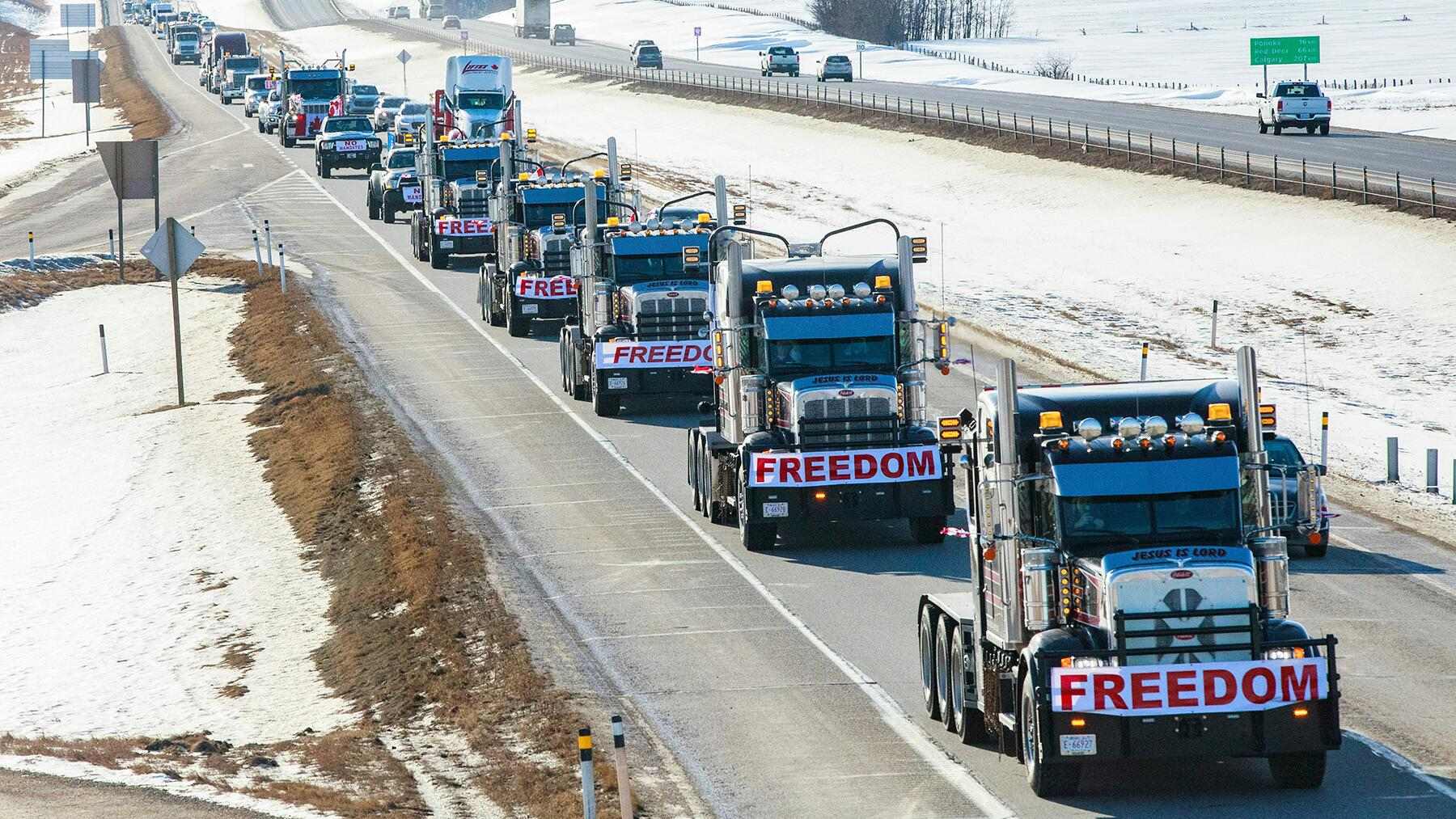
The growing conflict centers on the California Department of Motor Vehicles and around 20,000 commercial truck drivers, many of them Indian and Punjabi Sikh immigrants.
After a federal audit, the DMV terminated thousands of commercial licenses, arguing that some were issued beyond the drivers’ legal stay in the U.S. As a result, truck drivers suddenly found themselves unable to work.
Several organizations, including the Asian Law Caucus and the Jakara Movement, along with affected drivers, have filed a class action lawsuit against the DMV. They argue the problem comes from clerical errors, not from the drivers themselves.
Work stoppages began in January 2026, highlighting how deeply the issue affects the supply chain. Punjabi Sikh drivers alone make up a major backbone of the trucking industry, with around 150,000 drivers nationwide.
Why this fight matters beyond trucking
This dispute isn’t just about licenses. It’s about how bureaucracy, immigration status, and public safety rules collide in real life.
At the same time, California’s DMV is also involved in other high-profile legal battles, including one with Tesla over how its driver-assistance technology is labeled. The agency claims certain terms mislead drivers about how autonomous the vehicles really are.
Taken together, the message is clear. California is tightening control, enforcing rules more strictly, and signaling that patience is wearing thin.
For thousands of drivers, the outcome of this fight will decide more than paperwork. It will decide whether they can keep moving forward — or are forced to stop.