
Reading List
If you buy books linked on our site, The Times may earn a commission from Bookshop.org, whose fees support independent bookstores.
Newly released books reflect current concerns, and so it is no surprise that February’s choices include titles about intersectionality, protest and politics as our country faces tough questions about civil rights. It’s also not surprising that authors, whether novelists or journalists or activists, have discovered creative ways to approach topics that range from fine dining to one of our finest writers, Toni Morrison. Happy reading!
Fiction:
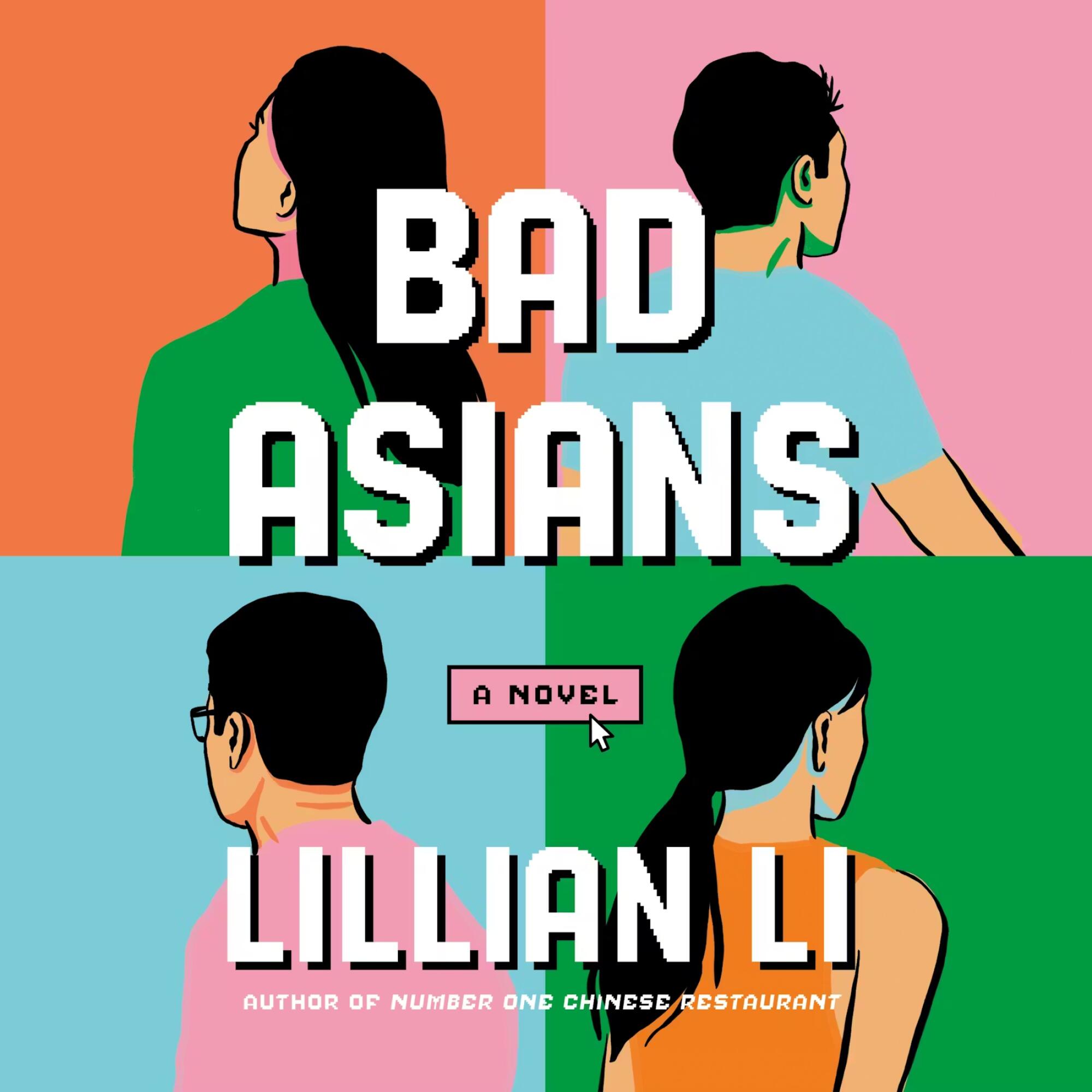
Bad Asians: A Novel
By Lillian Li
Henry Holt: 336 pp., $29
(Feb. 17)
When a high-school frenemy convinces four post-college besties in suburban Maryland to let her make a documentary about them, it goes viral, and all millennial hell breaks loose. Grace Li crafts a film pitting Diana, Justin, Vivian and Errol against each other and against their Chinese families’ expectations. But the real action takes place later, after each friend has had to contend with their own actions in the aftermath of shock, embarrassment and betrayal.
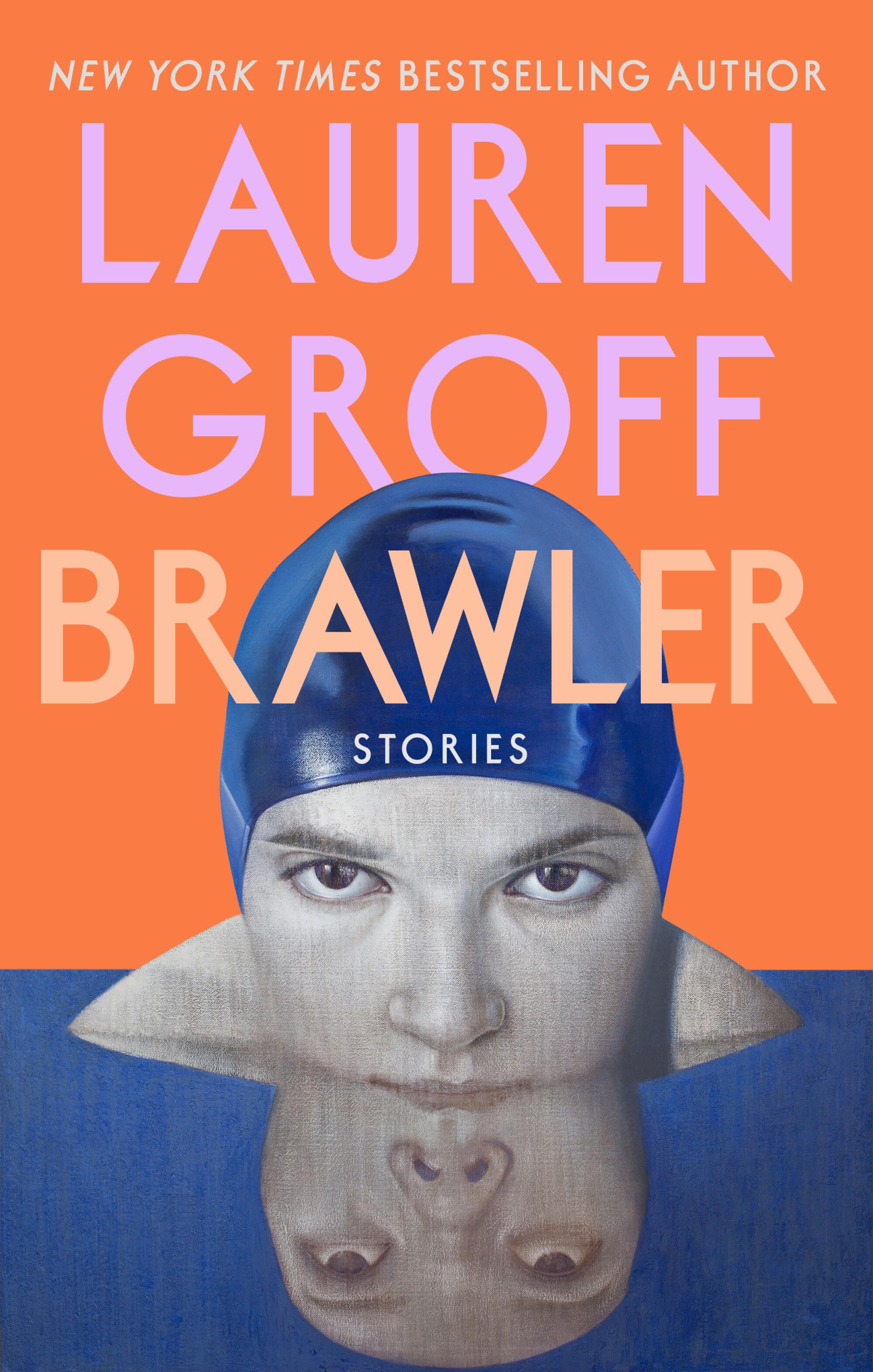
Brawler: Stories
By Lauren Groff
Riverhead: 288 pp., $29
(Feb. 24)
Groff’s 2018 Story Prize-winning collection, “Florida,” focused on perspectives of young women, many of them mothers, in that particular state. In “Brawler,” the brilliant author’s protagonists and locations are more various, and often coping with harrowing transitions, like Joanie in “To Sunland,” who chooses to move into a group home, or Chip in “What’s the Time, Mr. Wolf?,” a product of his upbringing with no role in a new era.
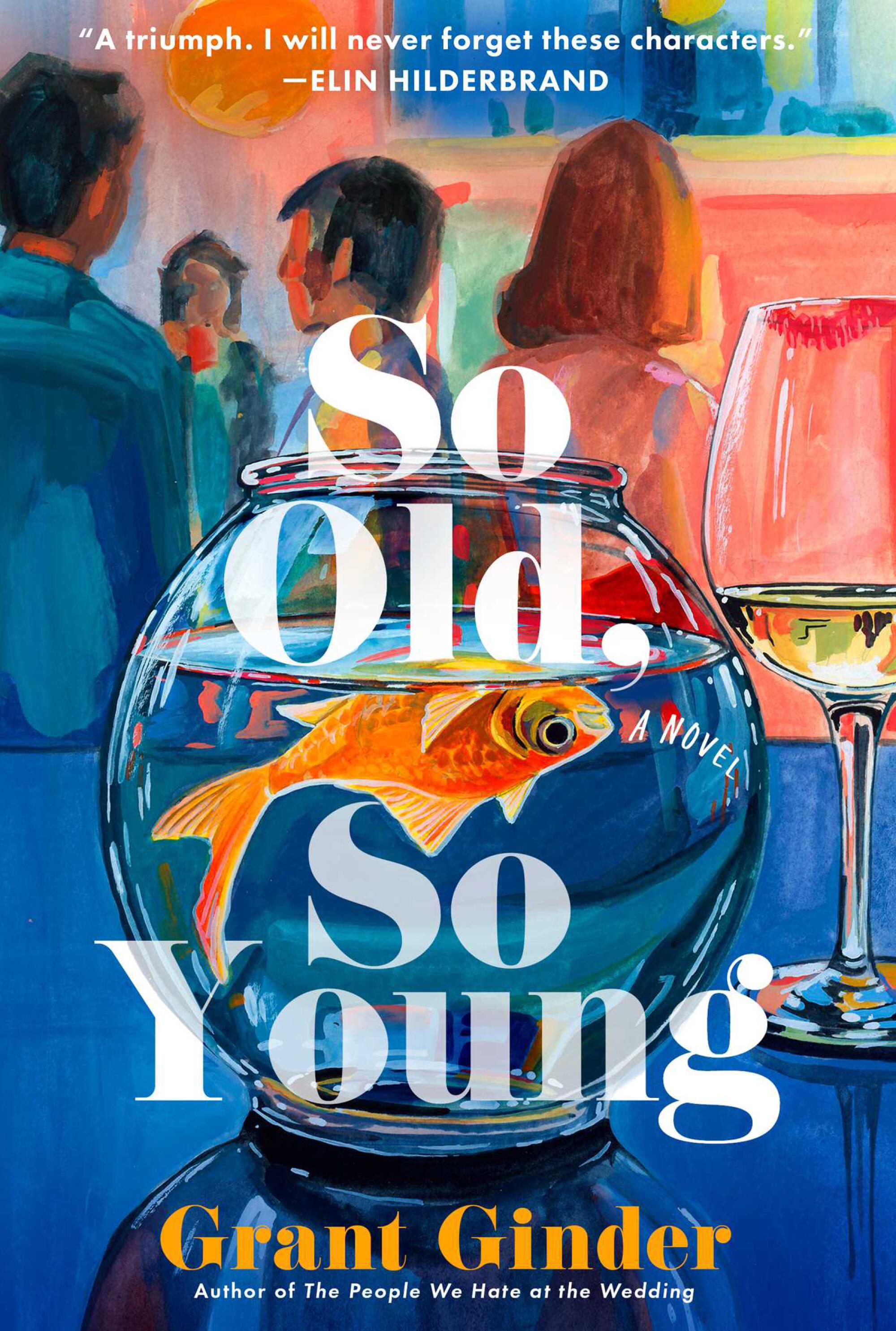
So Old, So Young: A Novel
By Grant Ginder
Gallery/Scout Press: 384 pp., $30
(Feb. 17)
Like a younger version of the recent “Four Seasons” adaptation, Ginder’s University of Pennsylvania 2006 friends meet up across the years — first in 2008 New York City, then 2014 Cancún, 2018 Amagansett, 2022 New Jersey and 2024 Manhattan. The writing is terrifically funny and also grounded, anecdotes filled with slapstick but no punchlines, befitting a story that includes hookups, weddings, children, a funeral and an unknowable future.
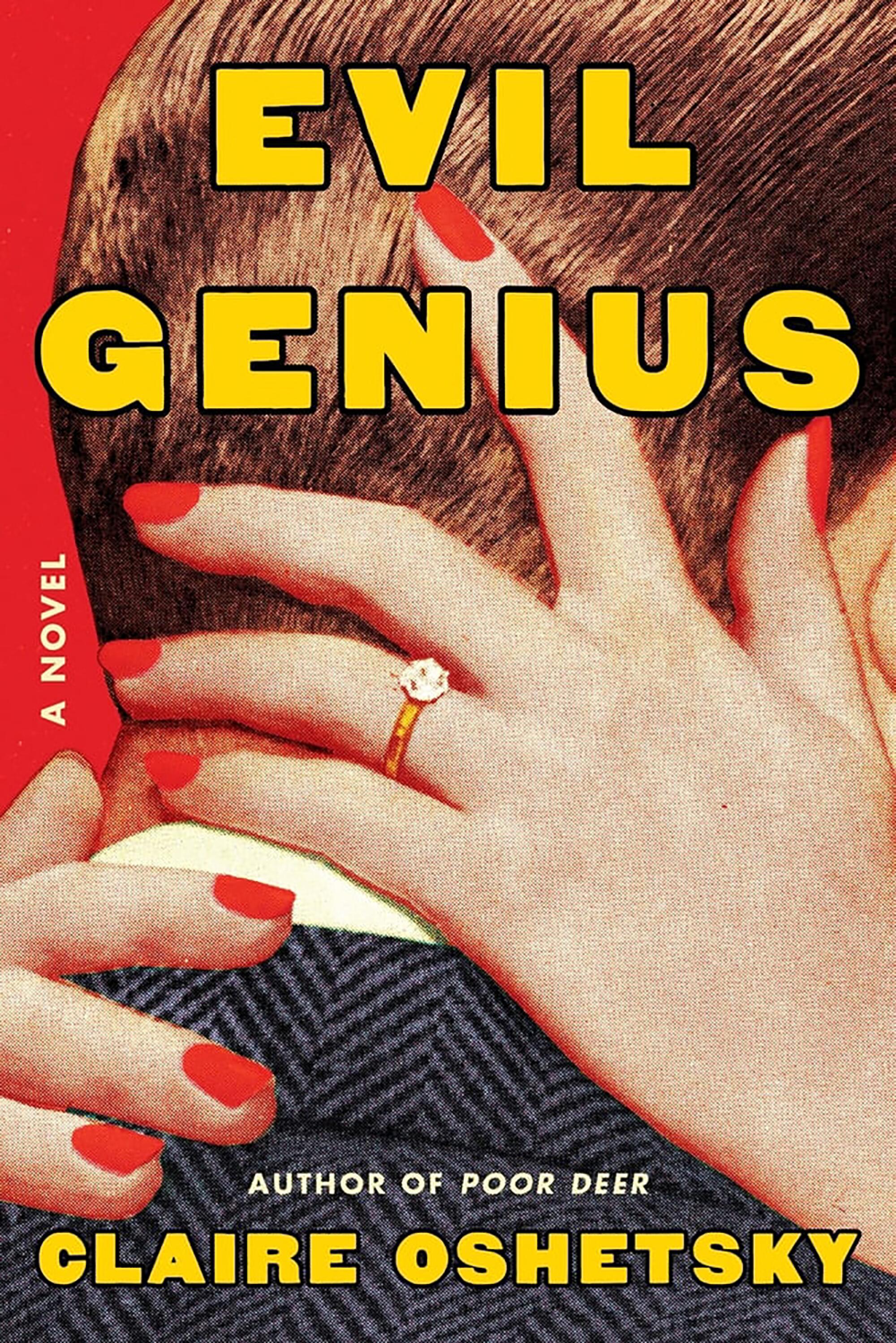
Evil Genius: A Novel
By Claire Oshetsky
Ecco: 240 pp., $29
(Feb. 17)
Set in 1970s San Francisco, this turn-of-the-thumbscrews-tense novel upends noir conventions, placing a drab 19-year-old telephone operator, Celia Dent, center stage. Celia’s marriage to the older Drew is so miserable she fantasizes about stabbing him through the eardrum with a nail file. When her colleague Vivianne is murdered, Celia becomes obsessed. Mutilated fashion dolls and actual corpses accumulate as Celia deems herself “magnificent.”
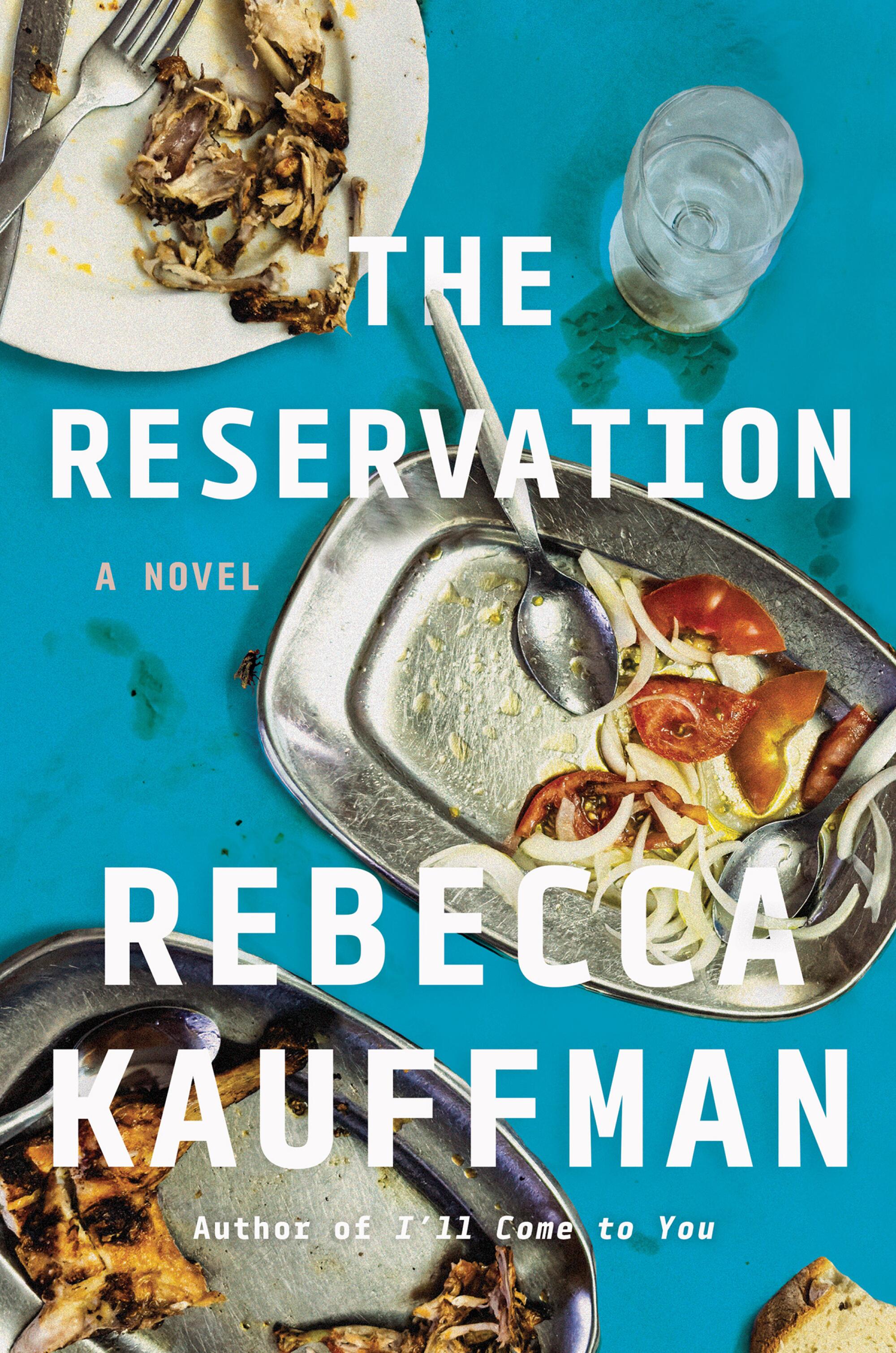
The Reservation: A Novel
By Rebecca Kauffman
Counterpoint: 272 pp., $27
(Feb. 24)
Twenty-two rib-eye steaks are missing from the freezer at Aunt Orsa’s, the only fine-dining establishment in a Midwestern college town and Orsa’s nephew and operations assistant Danny has to find out what happened before a famous author’s event. Yes, it’s a mash-up of locked-room mystery and “The Bear,” but it’s also a beautifully crafted novel in stories that reveals characters’ essential loneliness right beside their cravings for true connection.
Nonfiction:
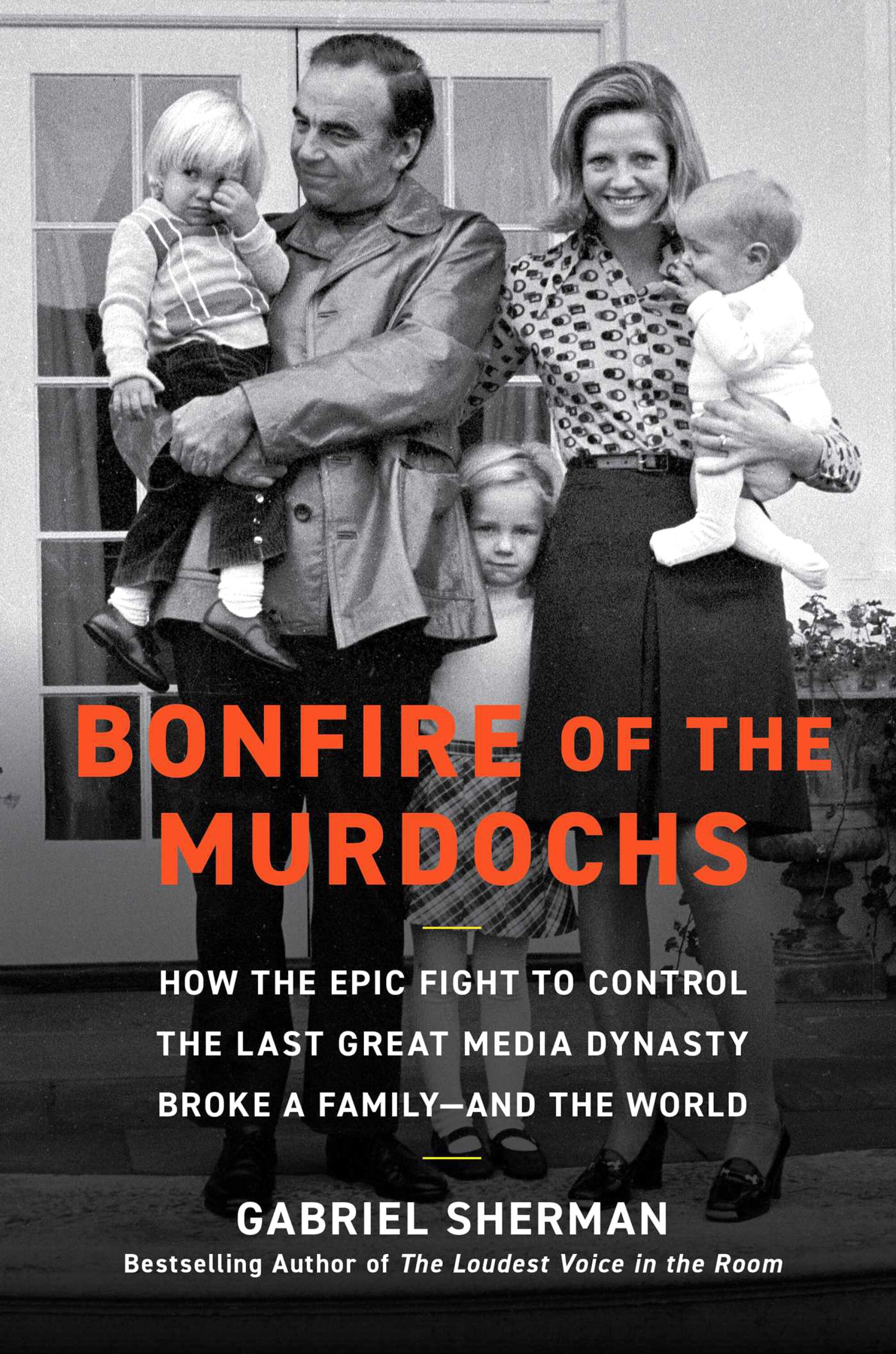
Bonfire of the Murdochs: How the Epic Fight to Control the Last Great Media Dynasty Broke a Family — and the World
By Gabriel Sherman
Simon & Schuster: 256 pp., $29
(Feb. 3)
Impossible not to mention “Succession” — a series that could easily have been a docudrama — given how much and often Rupert Murdoch set his four children against each other as they battled for their billion-dollar-plus shreds of his dynasty. Sherman opens with that 2023 suit by Lachlan Murdoch against his siblings, then traces the family business from its Australian newspaper origins through rag-trade domination to its current grip on right-wing media.
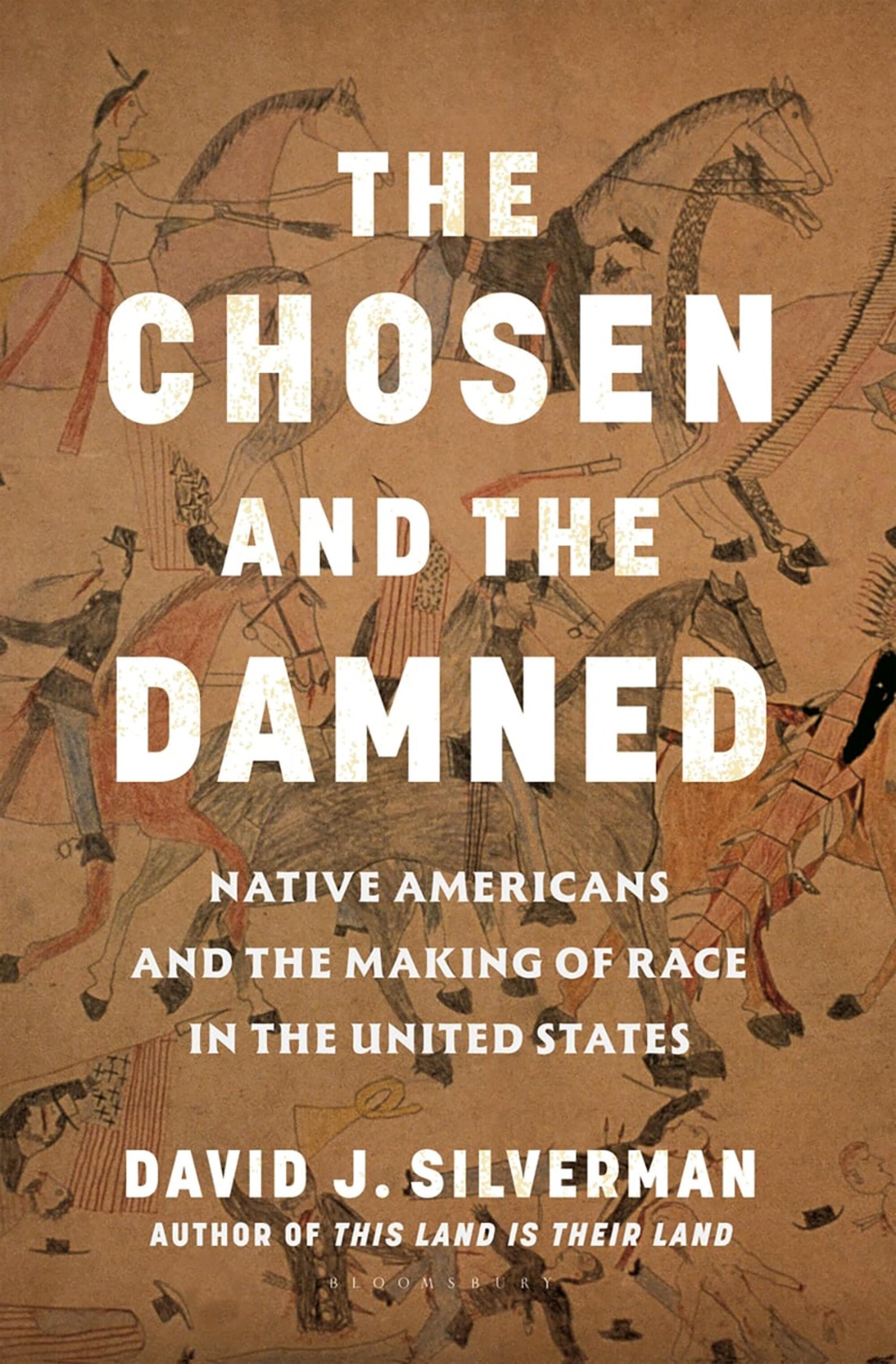
The Chosen and the Damned: Native Americans and the Making of Race in the United States
By David J. Silverman
Bloomsbury: 512 pp., $36
(Feb. 10)
In early voyages to the New World, Euro Americans brought their ideas about identity, spirituality, ethnicity and skin color as they first encountered Native Americans. Historian Silverman shows how the European view of Christian believers as “chosen” versus unbelievers as “damned” has shaped our nation’s history alongside the enslavement and control of peoples from Africa. It’s a potent reminder of Western European hegemony.
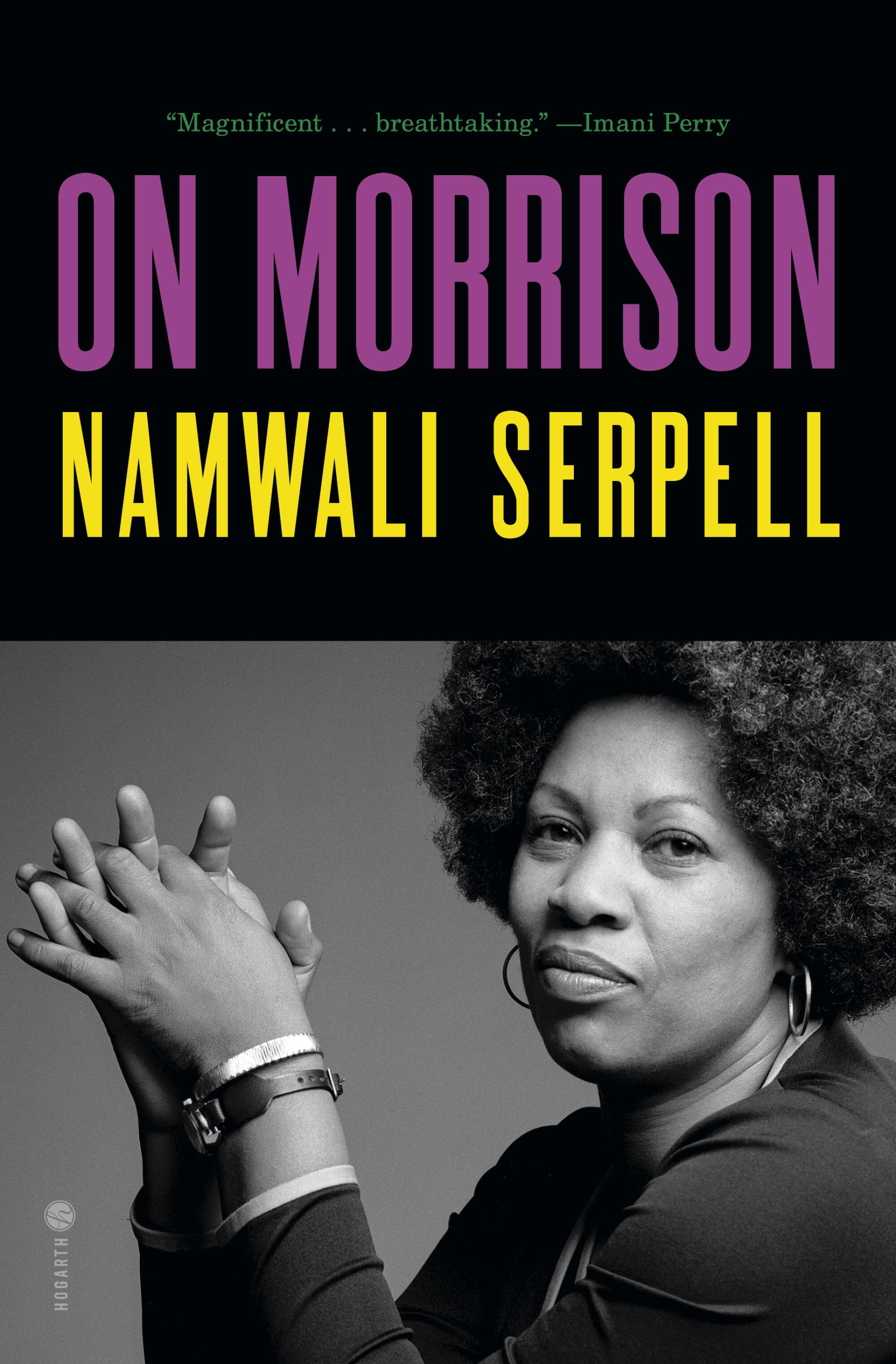
On Morrison
By Namwali Serpell
Hogarth: 384 pp., $32
(Feb. 17)
Herself a lauded novelist, Serpell examines Toni Morrison’s oeuvre with the rigor of an academic and the admiration of a fellow creative. She dives into Morrison’s published work and archives, seeking not just the writer’s ideas on race and identity, but the foundations of how she turned those ideas into art. While this is unquestionably a work of scholarship, it’s refreshingly jargon-free and accessible to most readers of Morrison’s novels and essays.
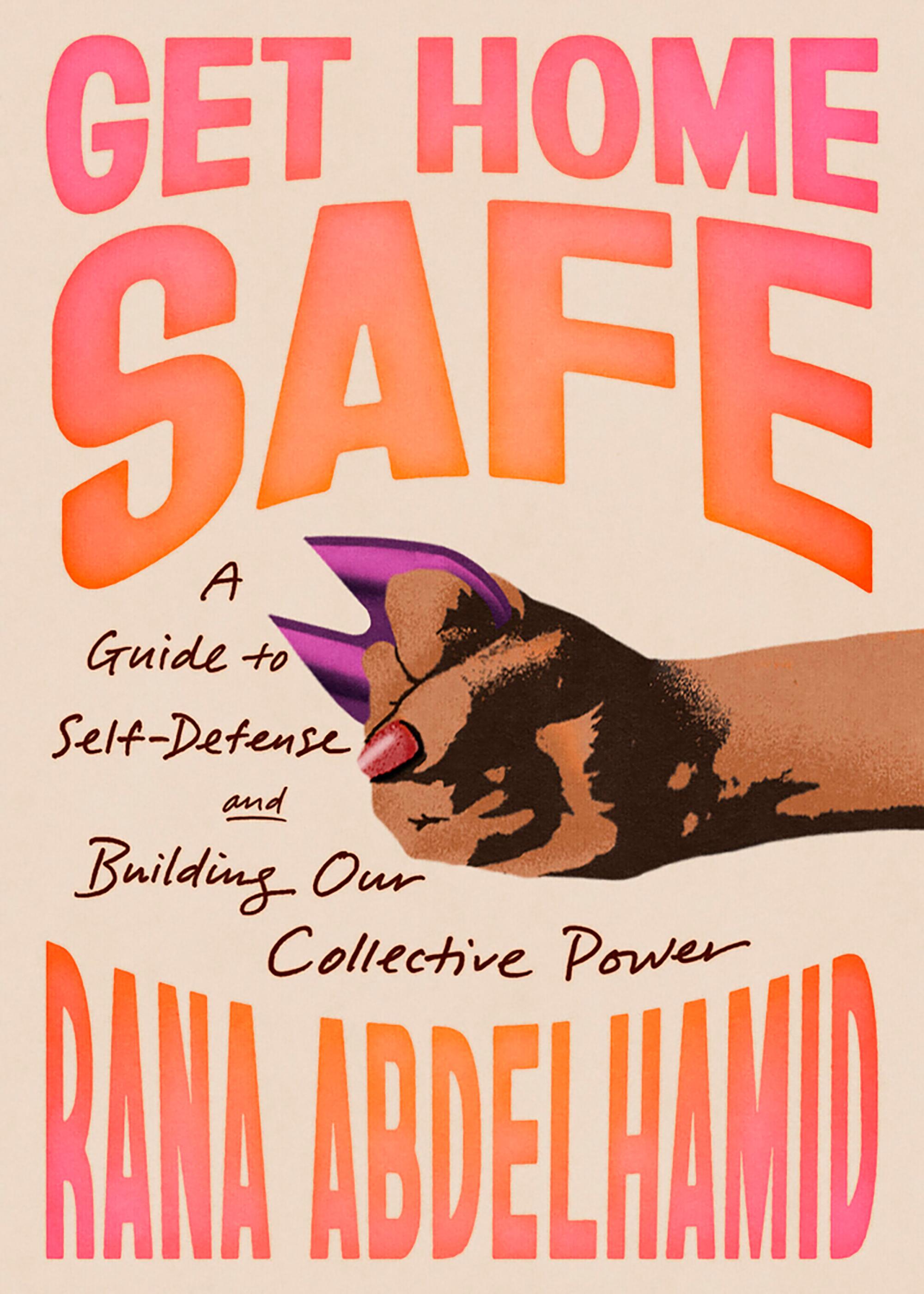
Get Home Safe: A Guide to Self-Defense and Building Our Collective Power
By Rana Abdelhamid
Algonquin Books: 320 pp., $22
(Feb. 24)
Abdelhamid, informally known as “The Mayor of Queens,” experienced a hate-based attack as a teenager, after which she founded Malikah, an anti-violence organization. Her new book provides a blueprint for any marginalized community focused on the safety of its members, and how safer communities can help those people to create influence at different levels of neighborhood, municipal, state and federal governance.
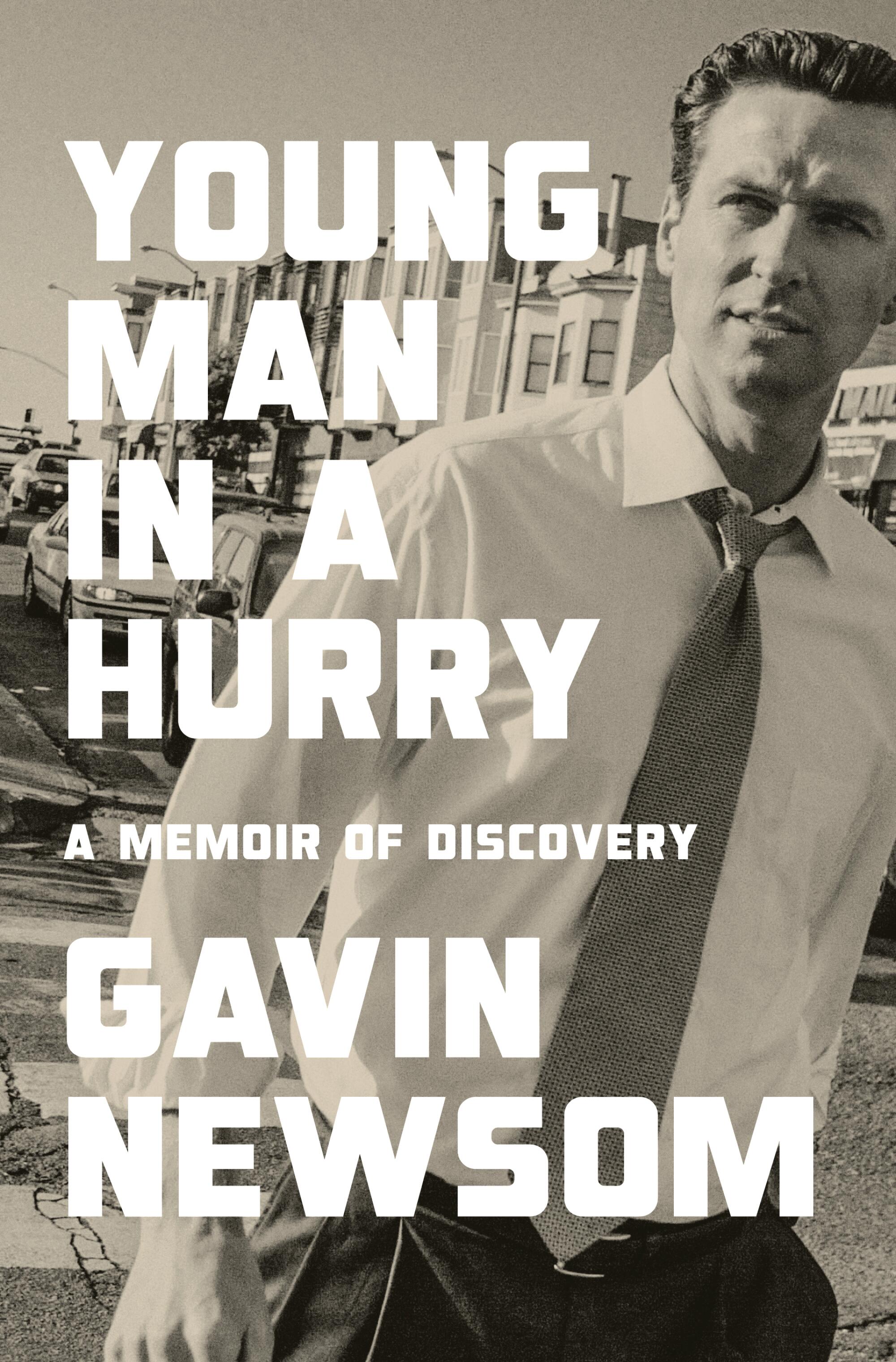
Young Man in a Hurry: A Memoir of Discovery
By Gavin Newsom
Penguin Press: 304 pp., $30
(Feb. 24)
Gov. Newsom says this reflective narrative is “Not your normal political book at all,” however, can any politician claim their memoir is not at all political? It’s easy to see, from the way he centers his story as a sixth-generation Californian who has never lived anywhere else, that he’s a politician, and a good one. It’s tougher to see where he’ll take his belief in an open-arms policy if he chooses to run for an office that takes him to live across the country.
Patrick is a freelance critic and author of the memoir “Life B.”