
Crime on BART trains fell by 41% in 2025 compared to the previous year, according to a Jan. 29 BART press release.
Barnali Ghosh, who represents District 3 — which includes Berkeley — on the BART Board of Directors, said the crime reduction stems from a “multi-pronged approach” to safety.
According to the press release, the decline reflects systemwide trends across its 50 stations. In particular, the press release claims that safety efforts were aided by new fare gates. In August 2025, BART completed the installation of 715 gates across all of its stations, in order to prevent fare evasion and other “unwanted behavior.”
In addition to fare gates, Ghosh pointed to increased visibility of BART police officers, crisis intervention specialists and transit ambassadors on trains and station platforms.
“Over the last few years, BART has also worked on making sure that there is visibility of these folks on our trains,” Ghosh said. “If you’re riding a train, (it’s) very likely you’ll see one of these folks.”
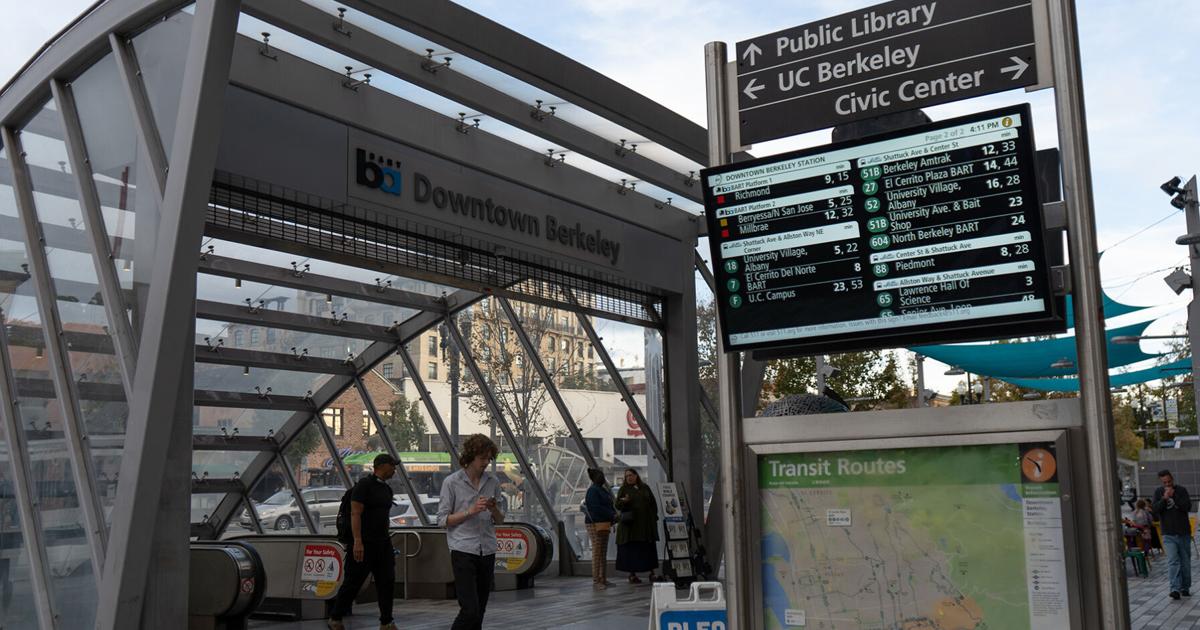
Downtown Berkeley BART Station remains a low-crime station, according to BART data.
Ghosh emphasized that during the coronavirus pandemic, ridership was significantly lower, which contributed to both real and perceived safety concerns. She said having more people on trains has also played a role in improving overall safety.
According to Ghosh, the increase in ridership can also be attributed to UC Berkeley’s adoption of Clipper BayPass, which provides students unlimited access to BART and other regional transit systems, including Caltrain.
UC Berkeley students took approximately 670,000 BART trips between August 2025 and Dec. 31, 2025, according to BART data. Further, a randomized controlled trial conducted by BART from August 2022 to June 2024 found that roughly 390,000 of those trips were attributed to BayPass access.
Additionally, BART reported that December 2025 ridership increased 13.5% compared to December 2024, while BayPass usage rose 157% over the same period.
Dani Alpert, a campus senior, said BayPass allows her and her friends to use BART more frequently, particularly for trips to San Francisco.
“Having the option for it to be affordable definitely makes an impact,” Alpert said.
Campus senior Isabella Lozada agreed, saying BayPass made commuting in and exploring the Bay Area more feasible. “BayPass has been absolutely life-changing for sure,” she said.
Ghosh added that BART continues to focus on station-level improvements, including better lighting and infrastructure upgrades. Yet despite an increase in ridership, Ghosh emphasizes that BART still has not been able to close its budget deficit.