
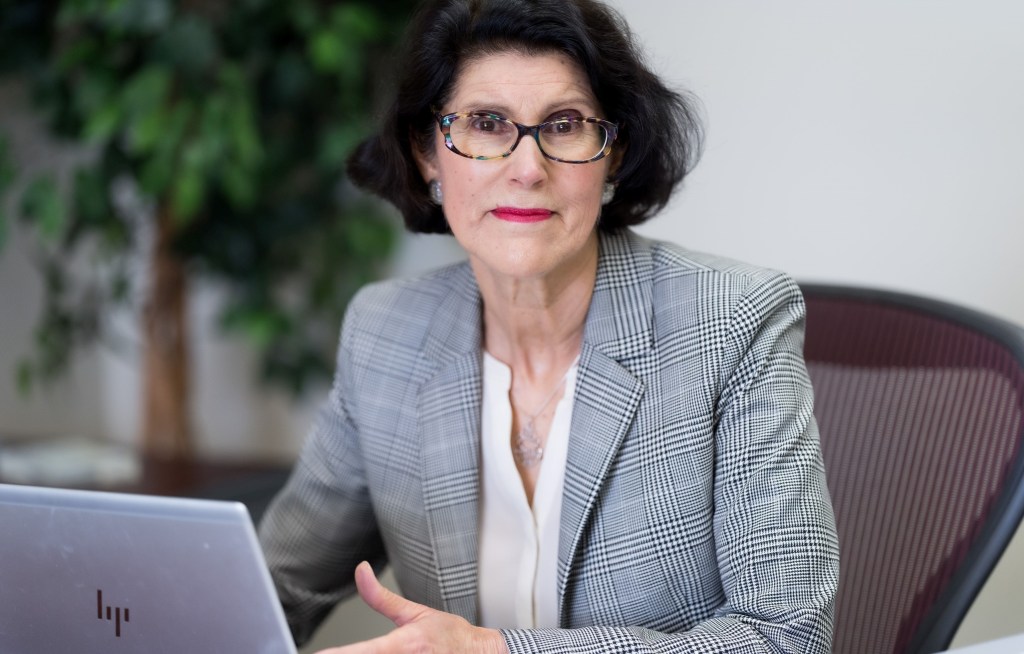
I wrote this article on a flight from cold, snowy Washington, D.C., as I returned from the annual winter meeting of the U.S. Conference of Mayors (USCM), at which mayors representing cities with populations of 30,000 or more gather to learn new ideas and better solutions to address the challenges our cities face.
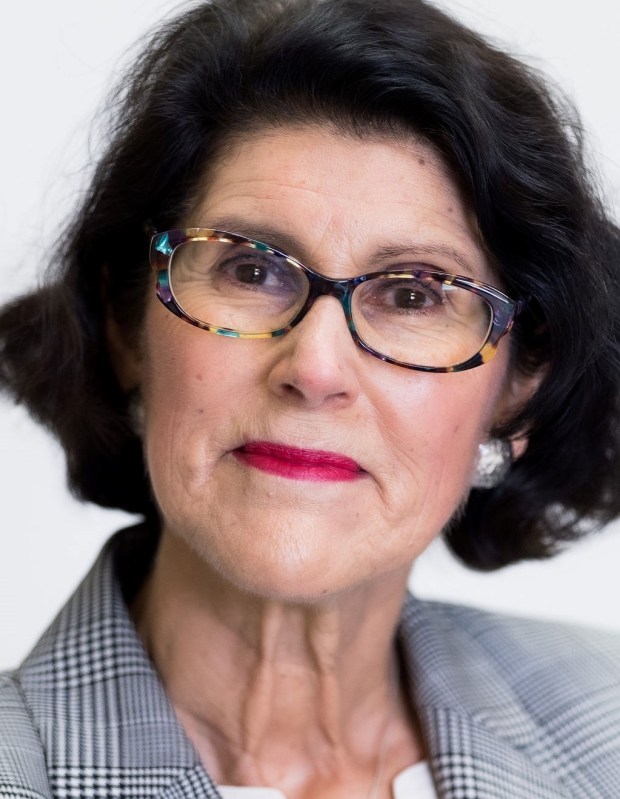 Marilyn Ezzy Ashcraft is the mayor of Alameda. (photo courtesy of Maurice Ramirez — BANG archives)
Also in attendance was a delegation of mayors from Ukraine, who face overwhelming challenges on a daily basis and received a standing ovation from the U.S. mayors. This was my eighth USCM winter meeting, but it felt different from previous sessions, including two that were held virtually during the COVID-19 pandemic.
We heard from mayors across the country whose cities have been thrown into chaos by the arrival of federal agents — from the U.S. Immigration and Customs Enforcement (ICE) and Customs and Border Protection (CBP) agencies — whose actions are sowing fear, mistrust and, tragically, death among residents.
Chicago Mayor Brandon Johnson, a former middle school social studies teacher, told us, “Our democracy is stronger because of protests, especially with what is happening now,” recalling the words of Martin Luther King Jr., who said, “Protests are the cry of the unheard.”
Minneapolis Mayor Jacob Frey wrote in a Jan. 24 New York Times commentary after resident Renee Nicole Good from his city was shot and killed by ICE agents (but before U.S. Veterans Affairs intensive care unit nurse Alex Pretti was fatally shot by CBP agents) that “I hope no more of my fellow mayors find their cities in this administration’s crosshairs.
“But for those who do, here is my advice: The best thing you can do is to build cities that work and love those streets and those citizens above any ideology. By bringing down violent crime, Minneapolis has been able to successfully push back against those who have tried to portray our city as a post-apocalyptic hellscape.
“By building housing and focusing on affordability, we have made our city a place that immigrants, transplants and native Minneapolitans can all call home. By supporting immigrant-owned small businesses, our city has become living proof that immigrants make our city and our nation stronger.”
As the granddaughter of Syrian and Lebanese immigrants myself, I am saddened and horrified by the demeaning terms the current administration uses to describe immigrants from certain parts of the world.
I have felt an affinity with Lansing, Michigan, Mayor Andy Schor since meeting him through the USCM and sharing the story of my Lebanese grandparents who made their home in Lansing, where my grandfather came to work in the automobile industry, one of thousands of hard-working immigrants who came to America seeking a better life for themselves and their families. We are a nation of immigrants and a nation built by immigrants.
Mayor Frey acknowledged, in a Jan. 31 interview with the New York Times, that people are feeling like there’s no one there to protect them. He also acknowledged the practical reality of what cities can do.
“We’re not going to outgun the federal government. Not to mention that would be wildly dangerous for the very communities that we want to protect. … Now, fortunately we don’t need to fight in a physical format. We can fight in a legal one. We can have the law be the court and the battlefield. And we believe that we’re on the right side of it, and we believe it’s a battle that we are going to win.”
I too believe that the path forward to counter abuse of government power lies with the courts. To that end, the City Attorney’s Office in Alameda and I have signed on to a number of amicus briefs supporting the rights of states and local governments, including Minneapolis, Los Angeles, and Portland, Oregon, to govern without being subjected to the militarization of their streets or being required to support federal civil immigration enforcement.
The city of Alameda has also joined other local jurisdictions in litigating against the federal government to protect local funding from unconstitutional conditions, such as requiring use of local resources to support federal civil immigration enforcement.
As we prepare to celebrate our nation’s 250th birthday — and 250 years of the American experiment! — we are reminded that Americans have experienced threats from government extremism before, including Jim Crow, racial injustice, the McCarthy era and the Japanese internment — and have risen up against them. We can do so again.
Now is the time to stay engaged and contribute in whatever way you can to holding our government accountable. We don’t give up and we don’t give in. We help one another. We are “Alameda Strong!”
Marilyn Ezzy Ashcraft is the mayor of Alameda. For contact information and other details, visit bit.ly/mayorashcraft online.