
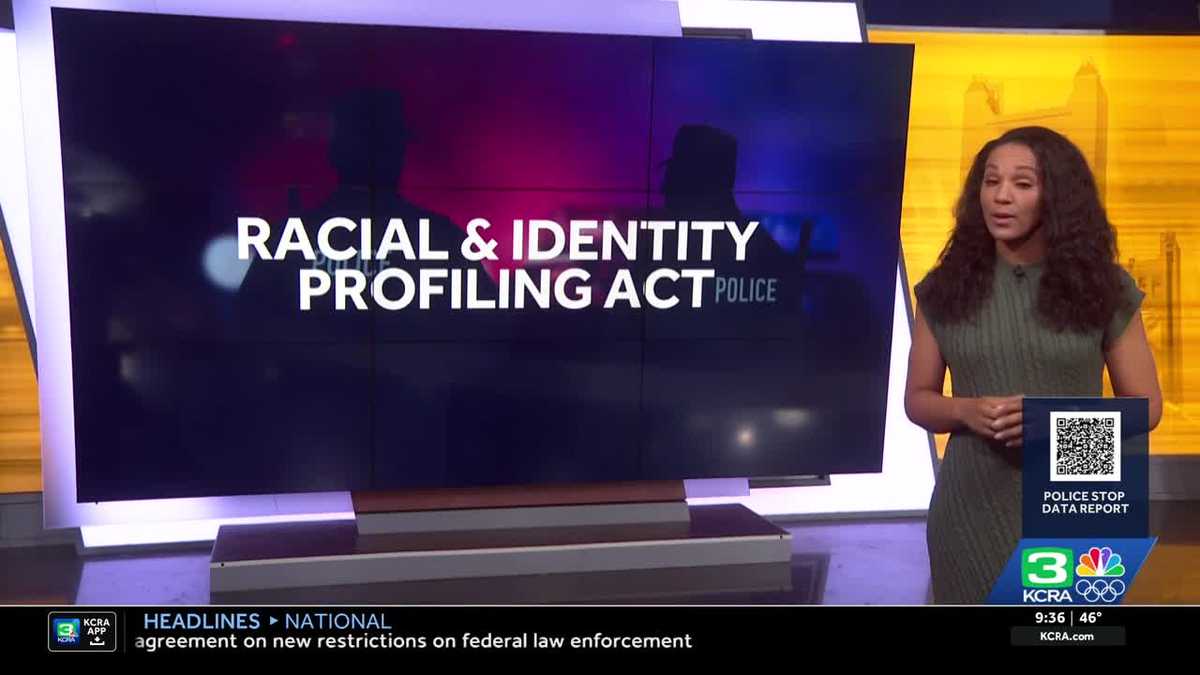
DISAPPEARANCE. NBC NEWS HAS NOT SEEN COPIES OF THOSE ALLEGED NOTES. AND FOR MORE THAN TWO YEARS, KCRA 3 INVESTIGATES HAS BEEN LOOKING INTO JUST WHO IS STOPPED BY LAW ENFORCEMENT, MOST OFTEN IN CALIFORNIA. AND THIS MORNING WE HAVE SOME NEW DETAILS FROM THE STATE BOARD THAT’S BEEN TRACKING ALL OF THIS. LET’S GET TO KCRA THREE INVESTIGATES BRANDI CUMMINGS, WHO’S BEEN COVERING THIS STORY FROM THE VERY START AND BREAKS DOWN THE FINDINGS OF THAT NEW REPORT. HEY, GUYS. GOOD MORNING. THE 2026 RACIAL AND IDENTITY PROFILING ACT, OR RIPA REPORT, SHOWS AN INCREASE IN THE NUMBER OF STOPS. NOW, THIS IS THE NINTH ANNUAL REPORT. THE BOARD ANALYZED 13,000 COMPLAINTS AND MORE THAN 5.1 MILLION POLICE AND PEDESTRIAN STOPS CONDUCTED IN 2024 FROM NEARLY ALL OF THE LAW ENFORCEMENT AGENCIES IN CALIFORNIA. NOW, FOR SOME PERSPECTIVE, LAST YEAR’S REPORT SHOWS, RELATIVE TO THE POPULATION, BLACK INDIVIDUALS WERE PULLED OVER 126% MORE OFTEN. THIS YEAR’S DATA SHOWS AN INCREASE WITH BLACK INDIVIDUALS PULLED OVER 128% MORE OFTEN. THE DATA SHOWS OVERALL, BLACK AND NATIVE AMERICAN INDIVIDUALS HAD MORE INTERACTIONS, MORE ACTIONS TAKEN BY OFFICERS PER AVERAGE STOP THAN OTHER RACIAL AND ETHNIC GROUPS. ADDITIONALLY, ACCORDING TO THE REPORT, 2024 STOP DATA SHOWED NOTABLE DISPARITIES OF INDIVIDUALS WHO ARE PERCEIVED AS UNHOUSED. IN PARTICULAR, PEOPLE PERCEIVED AS UNHOUSED WERE STOPPED MORE THAN ANY OTHER DEMOGRAPHIC GROUP, AND OFFICERS ALSO REPORTED TAKING MORE ACTIONS DURING THOSE STOPS, INCLUDING USE OF FORCE. NOW LET’S LOOK AT COMPLAINTS. AGAIN, WE’RE TALKING STATEWIDE DATA HERE. ACCORDING TO THE REPORT, THE NUMBER OF CIVILIAN COMPLAINTS THAT CONTAINED ALLEGATIONS OF RACIAL OR IDENTITY PROFILING ROSE SIGNIFICANTLY IN 2024 TO 17.5%. THAT’S COMPARED TO 9.7% OF COMPLAINTS IN 2023. IN 2024, 79% OF THOSE COMPLAINTS ALLEGED PROFILING ON THE BASIS OF RACE OR ETHNICITY. NOW, ACCORDING TO A NEWS RELEASE FROM THE CALIFORNIA ATTORNEY GENERAL’S OFFICE, THE REPORT FINDS THAT RACIAL AND IDENTITY PROFILING IN CALIFORNIA REMAINS A CONCERN THAT MUST BE PROPERLY ADDRESSED. THAT’S A QUOTE. NOW YOU CAN HEAR ALL OF THE DATA CONTAINED IN THE REPORT FOR YOURSELF LATER THIS MONTH. COMING UP ON FEBRUARY THE 26TH AT 1:30 P.M., THE CALIFORNIA DEPARTMENT OF JUSTICE’S OFFICE OF COMMUNITY AWARENESS, RESPONSE AND ENGAGEMENT OR CARE WILL HOST A COMMUNITY BRIEFING TO DISCUSS THE REPORT. YOU CAN FIND THE LINK TO REGISTER FOR THAT WEBINAR BY GOING TO THE AGS WEBSITE AND SEARCHING CARE COMMUNITY BRIEFING. NOW HERE AT KCRA THREE, WE HAVE EXTENSIVELY COVERED WHO STOPPED IN CALIFORNIA. RIGHT NOW YOU CAN FIND OUR STORIES TALKING TO PEOPLE WHO HAVE BEEN STOPPED, AS WE
California RIPA report highlights increase in police stops, significant racial disparities
The latest RIPA report reveals an increase in police stops and significant racial disparities, particularly affecting Black individuals and those perceived as unhoused in 2024.

Updated: 11:52 AM PST Feb 4, 2026
The latest California Racial and Identity Profiling Act (RIPA) report shows an increase in police stops and ongoing racial disparities, with Black individuals and those perceived as unhoused being disproportionately affected.The ninth annual RIPA report analyzed 13,000 complaints and more than 5.1 million police and pedestrian stops conducted in 2024 by nearly all law enforcement agencies in California. Read the RIPA report’s executive summary here. For some perspective, last year’s report showed that Black individuals were pulled over 126% more often relative to their population in 2023. This year’s data shows an increase, with Black individuals pulled over 128% more often in 2024.The data shows that overall, Black and Native American individuals had more actions taken by officers per average stop than other racial and ethnic groups. The highest arrest rates were for people perceived to be Native American and Black. Additionally, according to the report, 2024 stop data showed notable disparities of individuals who are perceived as unhoused. In particular, people perceived as unhoused were stopped for reasonable suspicion more than any other demographic group, and officers also reported taking more actions during those stops, including use of force. Nearly half of all stops for people who were unhoused ended with arrest. The data also tracked complaints about law enforcement stops. According to the report, the number of civilian complaints that contained allegations of racial or identity profiling rose significantly in 2024 to 17.5%, compared to 9.7% of complaints in 2023. In 2024, 79% of those complaints alleged profiling on the basis of race or ethnicity.According to a news release from the California Attorney General’s Office, “the report finds that racial and identity profiling in California remains a concern that must be properly addressed.”The report listed some recommendations and best practices for law enforcement agencies and policymakers. They included: Addressing “oversaturation policing” in marginalized communities that can increase the likelihood of racial profiling. Limiting pretextual stops based on hunches that someone is committing a crime. Civilian oversight agencies should work to eliminate racial and identity profiling. California’s Department of Justice should create a public data dashboard of RIPA data. On Feb. 26, at 1:30 p.m., the California Department of Justice’s Office of Community Awareness, Response, and Engagement (CARE) will host a community briefing to discuss the RIPA board’s report. You can register for the webinar on the AG’s website here.Previous Coverage of RIPA Reports belowSee more coverage of top California stories here | Download our app | Subscribe to our morning newsletter | Find us on YouTube here and subscribe to our channel–KCRA 3’s Daniel Macht contributed to this report.
The latest California Racial and Identity Profiling Act (RIPA) report shows an increase in police stops and ongoing racial disparities, with Black individuals and those perceived as unhoused being disproportionately affected.
The ninth annual RIPA report analyzed 13,000 complaints and more than 5.1 million police and pedestrian stops conducted in 2024 by nearly all law enforcement agencies in California.
For some perspective, last year’s report showed that Black individuals were pulled over 126% more often relative to their population in 2023. This year’s data shows an increase, with Black individuals pulled over 128% more often in 2024.
The data shows that overall, Black and Native American individuals had more actions taken by officers per average stop than other racial and ethnic groups. The highest arrest rates were for people perceived to be Native American and Black.
Additionally, according to the report, 2024 stop data showed notable disparities of individuals who are perceived as unhoused. In particular, people perceived as unhoused were stopped for reasonable suspicion more than any other demographic group, and officers also reported taking more actions during those stops, including use of force. Nearly half of all stops for people who were unhoused ended with arrest.
The data also tracked complaints about law enforcement stops. According to the report, the number of civilian complaints that contained allegations of racial or identity profiling rose significantly in 2024 to 17.5%, compared to 9.7% of complaints in 2023. In 2024, 79% of those complaints alleged profiling on the basis of race or ethnicity.
According to a news release from the California Attorney General’s Office, “the report finds that racial and identity profiling in California remains a concern that must be properly addressed.”
The report listed some recommendations and best practices for law enforcement agencies and policymakers. They included:
Addressing “oversaturation policing” in marginalized communities that can increase the likelihood of racial profiling. Limiting pretextual stops based on hunches that someone is committing a crime. Civilian oversight agencies should work to eliminate racial and identity profiling. California’s Department of Justice should create a public data dashboard of RIPA data.
On Feb. 26, at 1:30 p.m., the California Department of Justice’s Office of Community Awareness, Response, and Engagement (CARE) will host a community briefing to discuss the RIPA board’s report. You can register for the webinar on the AG’s website here.
Previous Coverage of RIPA Reports below
See more coverage of top California stories here | Download our app | Subscribe to our morning newsletter | Find us on YouTube here and subscribe to our channel
–KCRA 3’s Daniel Macht contributed to this report.