
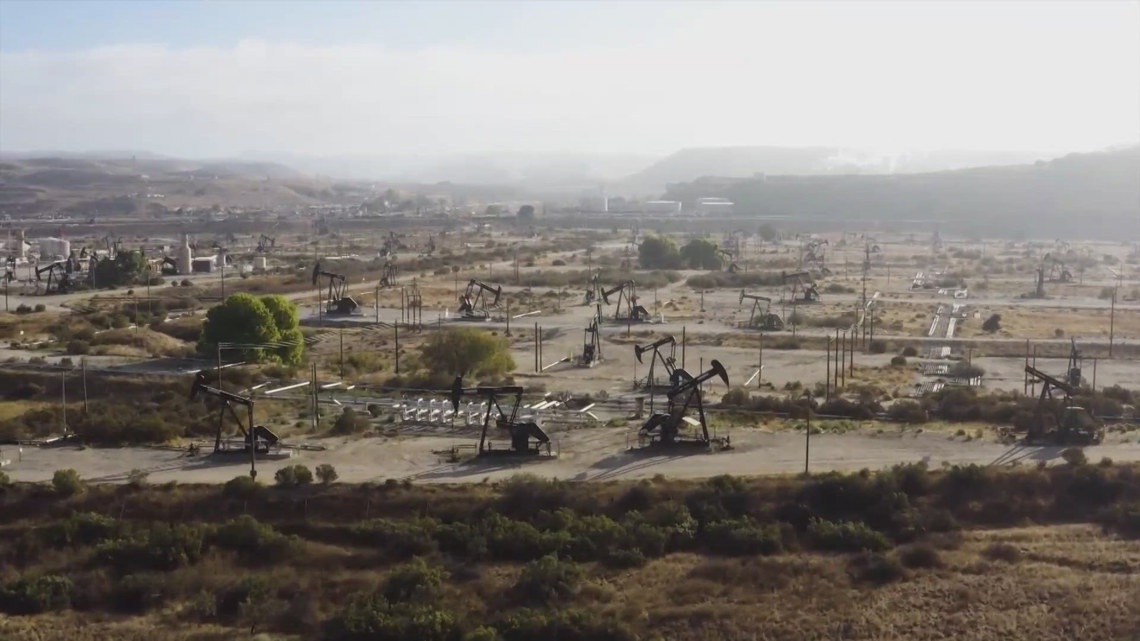
Advocates argue that the fossil fuels created by such companies are driving worsening climate change.
SACRAMENTO, Calif. — California lawmakers on Thursday introduced legislation aimed at holding large fossil fuel companies financially responsible for climate-fueled disasters, in a bid to shift the burden from homeowners, ratepayers, and insurers to corporations whose operations advocates say have contributed to climate change.
Democratic State Senator Scott Wiener of San Francisco unveiled SB 982, the Affordable Insurance and Recovery (AIR) Act, alongside disaster survivors and environmental advocates. Wiener cited recent climate-fueled catastrophes, including the Altadena Fire and the historic 2024 San Diego floods, as examples of how California families are paying the price for corporate activity.
“Californians should not have to continue to pay the full cost of climate-driven disasters given the role that fossil fuel corporations have played in getting us here,” Wiener said.
The bill would allow the California Attorney General to sue companies on behalf of victims to recover disaster-related costs. It would then put that money into a Climate Disaster Fund to help with victims and additional lawsuits.
Advocates said the legislation is intended to help homeowners and insurers struggling to cover claims, noting that even FAIR Plan, the state’s insurer of last resort, is under financial stress and considering major premium increases.
“Ratepayers are paying, insurance companies are paying, the government is paying; the only group not paying is big oil,” said Mary Creasman, CEO of California Environmental Voters.
Creasman added, “Insurance companies are leaving the state because of the cost of the cost of recovery here after a disaster is too great and doesn’t pencil out for them.”
SB 982 targets companies that have generated at least $500 million in revenue over the past three years and are or were involved in the fossil fuel industry in California. Wiener cited major players such as Shell, Chevron, and Exxon, while noting that any company meeting the size threshold could be held liable.
Disaster survivors at Thursday’s press event shared personal accounts of property and financial loss.
“My house was completely submerged. My car floated away. I had to carry my pitbull out. The water was up to my waist,” said Marisa Aguayo, a survivor of the 2024 San Diego floods. “And to be frank with you, since insurance was not enough, I’m the debt. The most that I’ve ever been in debt.”
Wiener’s team cites an independent economic analysis of the bill’s impacts, which states there could be up to $62 billion in compensation for households and businesses, as well as up to $5 billion in wildfire resilience funding.
Opponents, including Republican Assemblymember Carl DeMaio of San Diego, warned the proposal could raise the price at the pump for everyday Californians.
“Who’s going to pay for that? Yup, you got it. Me and you, ratepayers, drivers on the road,” DeMaio said. He also suggested an alternative approach could be to avoid additional state taxes on insurance premiums, which contribute to overall state revenue, noting “The state gets a massive excise tax on every insurance policy.”
The Western States Petroleum Association (WSPA) is also opposing the bill, releasing a statement: “At a time when Governor Newsom, the California Energy Commission, and the actual serious legislators are trying to retain the refineries remaining in California to protect consumers, Senator Scott Wiener’s proposal would wipe out all the hard work everyone has done collectively. This is a political stunt that will kill jobs and increase costs for consumers. If these legislators are serious about this issue, they should practice what they preach and walk between Sacramento and their districts.”
Wiener countered that such long-time concerns that holding oil companies accountable would increase gas prices, calling that claim “just not true” and “fear tactics.”
SB 982 is scheduled for its first committee hearing in the coming weeks.
Wiener introduced this bill after a similar piece of legislation — SB 222 — died in the Senate Judiciary Committee last year. That bill aimed to allow victims of climate disasters to sue oil companies for causing the crisis.
Watch more: Stockton businesses report losses after derailment-triggered power outage
ABC10: Watch, Download, Read