
After months of anticipation, the Sacramento Zoo officially revealed the name of its newest resident: Moki, the first okapi calf ever born in the zoo’s history.The calf, born in October, made a public debut as zoo staff held a name unveiling and welcomed visitors eager to catch a glimpse of the young animal up close.Okapi are rarely seen in human care. Zoo staff said fewer than 100 are currently cared for in zoos, and the species is considered endangered making the birth a significant milestone for both the zoo and broader conservation efforts.“A lot of planning and a lot of work has gone into this to bring okapi here to the Sacramento Zoo, and eventually have a pairing that could possibly bring a calf,” said Matt McKim, the zoo’s chief animal programs officer.McKim said the team learned the mother was pregnant last year and described the months that followed as a major effort by staff focused on supporting the animals and the zoo’s conservation goals.“When we learned that the mom was pregnant, we were very excited and happy that our work was possibly going to pay off,” McKim said. “The birth in October of the calf was just a wonderful experience for our team and the culmination of so much work and effort.”The zoo invited the public to help choose the calf’s name. On Saturday, staff announced the winner: Moki, a name created by combining the names of the calf’s parents, Molimo and Kivuli, McKim said.Families who heard the news filled in to see the calf. “We heard it on social media,” said Nicole Vanzant, who visited with her family. “We saw some news on social media that they had a baby.”Zoo officials also used the event to highlight ways the public can support okapi conservation. McKim pointed to habitat pressures in Central Africa, including impacts linked to mining for rare earth metals used in electronics.One simple way to help, he said, is by visiting the zoo, supporting conservation work tied to okapi habitats, and participating in the zoo’s cell phone recycling program, which collects old devices for recycling.For those hoping to see Moki active and exploring, keepers offered a tip: plan a visit on a warm, sunny day, which they say is the calf’s favorite weather.
SACRAMENTO, Calif. —
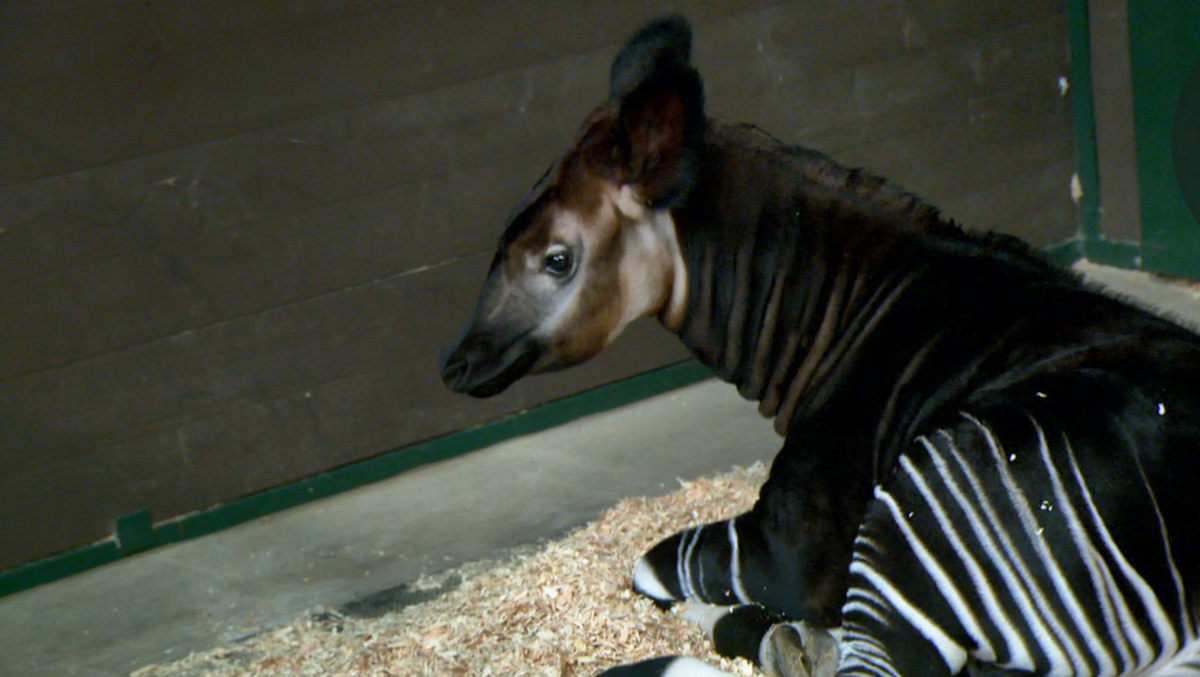
After months of anticipation, the Sacramento Zoo officially revealed the name of its newest resident: Moki, the first okapi calf ever born in the zoo’s history.
The calf, born in October, made a public debut as zoo staff held a name unveiling and welcomed visitors eager to catch a glimpse of the young animal up close.
Okapi are rarely seen in human care. Zoo staff said fewer than 100 are currently cared for in zoos, and the species is considered endangered making the birth a significant milestone for both the zoo and broader conservation efforts.
“A lot of planning and a lot of work has gone into this to bring okapi here to the Sacramento Zoo, and eventually have a pairing that could possibly bring a calf,” said Matt McKim, the zoo’s chief animal programs officer.
McKim said the team learned the mother was pregnant last year and described the months that followed as a major effort by staff focused on supporting the animals and the zoo’s conservation goals.
“When we learned that the mom was pregnant, we were very excited and happy that our work was possibly going to pay off,” McKim said. “The birth in October of the calf was just a wonderful experience for our team and the culmination of so much work and effort.”
The zoo invited the public to help choose the calf’s name. On Saturday, staff announced the winner: Moki, a name created by combining the names of the calf’s parents, Molimo and Kivuli, McKim said.
Families who heard the news filled in to see the calf. “We heard it on social media,” said Nicole Vanzant, who visited with her family. “We saw some news on social media that they had a baby.”
Zoo officials also used the event to highlight ways the public can support okapi conservation. McKim pointed to habitat pressures in Central Africa, including impacts linked to mining for rare earth metals used in electronics.
One simple way to help, he said, is by visiting the zoo, supporting conservation work tied to okapi habitats, and participating in the zoo’s cell phone recycling program, which collects old devices for recycling.
For those hoping to see Moki active and exploring, keepers offered a tip: plan a visit on a warm, sunny day, which they say is the calf’s favorite weather.