
For The Union-Tribune
There’s this habit I have, of looking at a map and selecting countries I know little about. Such was the case with Armenia, except for a reel that teased hiking, winemaking and a cultural renaissance that made me want to visit sooner rather than later.
My husband, Benjamin, agreed to join my crusade for trails and grapes, and away we went, landing in Yerevan, the capital and largest city in Armenia, a landlocked country in the Caucasus region in western Asia. Despite the 1 a.m. arrival, jetlag had us wired, chatting up our driver about everything from politics to population. Nodding, he asked Chat GPT for answers.
With a national population of roughly 3 million, Yerevan housed roughly a third of that. As we rolled into our hotel, it seemed the majority of Yerevanites were out that night. Even in the lobby of The Alexander, the bellman explained Armenia’s a late-to-bed, late-to-rise culture. Winking at my husband, I knew we were off to a good start.
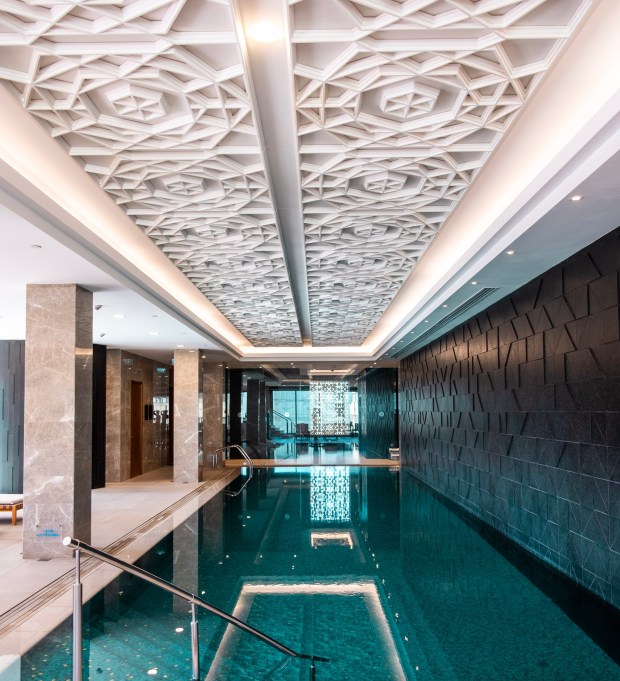 Jet lag cure found at The Alexander, a 5-star luxury hotel Yerevan’s city center. (Benjamin Myers)
Beyond the marble lobby and crystal chandeliers was an elevator that took us to our room, where turndown service left a platter of dried apricots, peaches and plums. That night we slept deep, clouded in luxurious Frette linens, heated floors and metallic silk pillows.
Acclimating our senses was rooftop breakfast served by a gracious staff who introduced us to Armenian coffee — finely ground into a powder and brewed in a jazzve pot. Ruby pomegranate juice brightened the table beside yogurt, figs, honey, olives, pastries, brined cheeses (chanakh and lori), cured beef (basturma) and other local delights.
Following breakfast, we met Lusine Guin Dalera, our guide and owner of Next Is Armenia. During COVID, she launched her business, which gained traction with viral videos introducing the other side of Armenia. Over the next five days, she would be our driver, translator, historian and magician unveiling that “other side.”
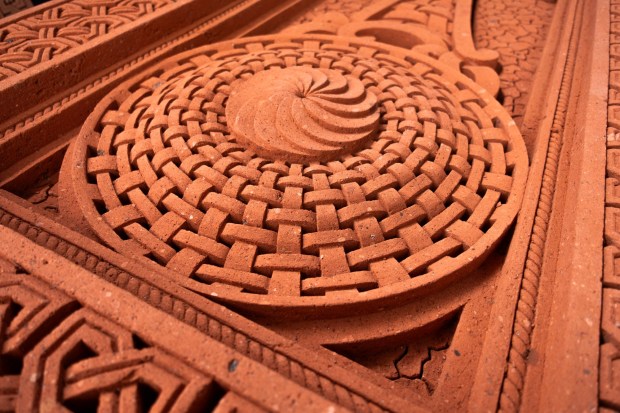 Rosettes and eternal knots on Armenian Khachkars (cross-stones) are intricately carved from volcanic tuff. (Benjamin Myers)
Within minutes, the entrepreneur was walking us through Yerevan — one of the oldest continuously inhabited cities in the world. Lusine rattled off dates and facts, as if reading a history book that had yet to be finished. Founded nearly 2,800 years ago, Yerevan became the capital of the Armenian republic in 1918. Situated at the crossroads of empires — from Persian and Roman to Byzantine, Arab and Ottoman — it has long been shaped by conquest and survival. At first glance, their story of resilience wasn’t something that could be seen.
At the center of the action was Republic Square, ringed by government buildings and the History Museum of Armenia, with a collection of roughly 400,000 artifacts, documents and archaeological findings, including the world’s oldest leather shoe, from 3500 B.C.E.
Outside the museum, Lusine pointed out neoclassical-style architecture in pink and yellow tufa stone, harmonizing with waterfalls, fountains and pools in an urban ensemble. Webbing from grand facades were narrow streets where cats sunned in doorways and artisans claimed corners for their craft, unfolding a space of inclusive second chances.
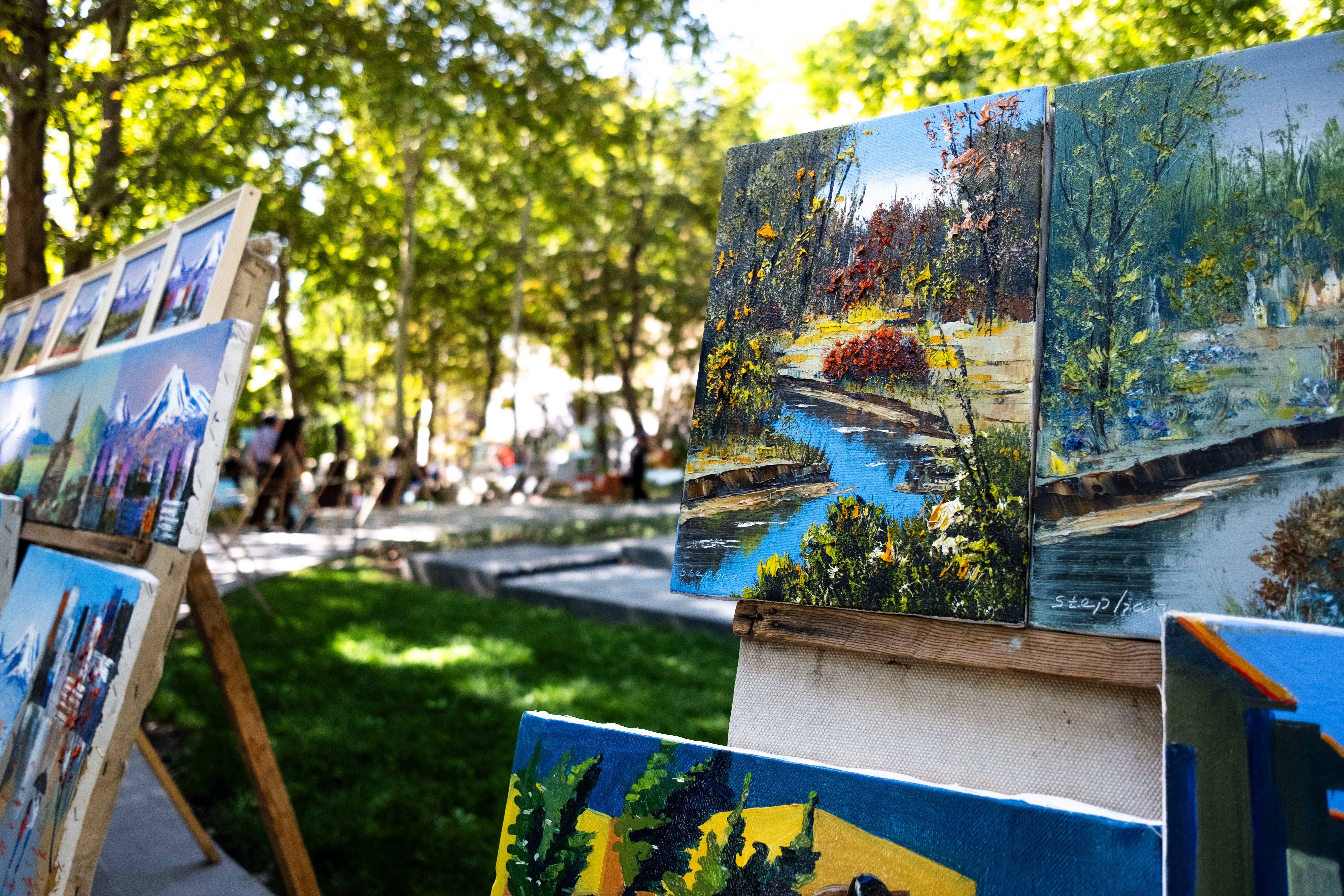
In Saryan Square, artists set up easels and brush color on canvases in this living gallery. (Benjamin Myers)
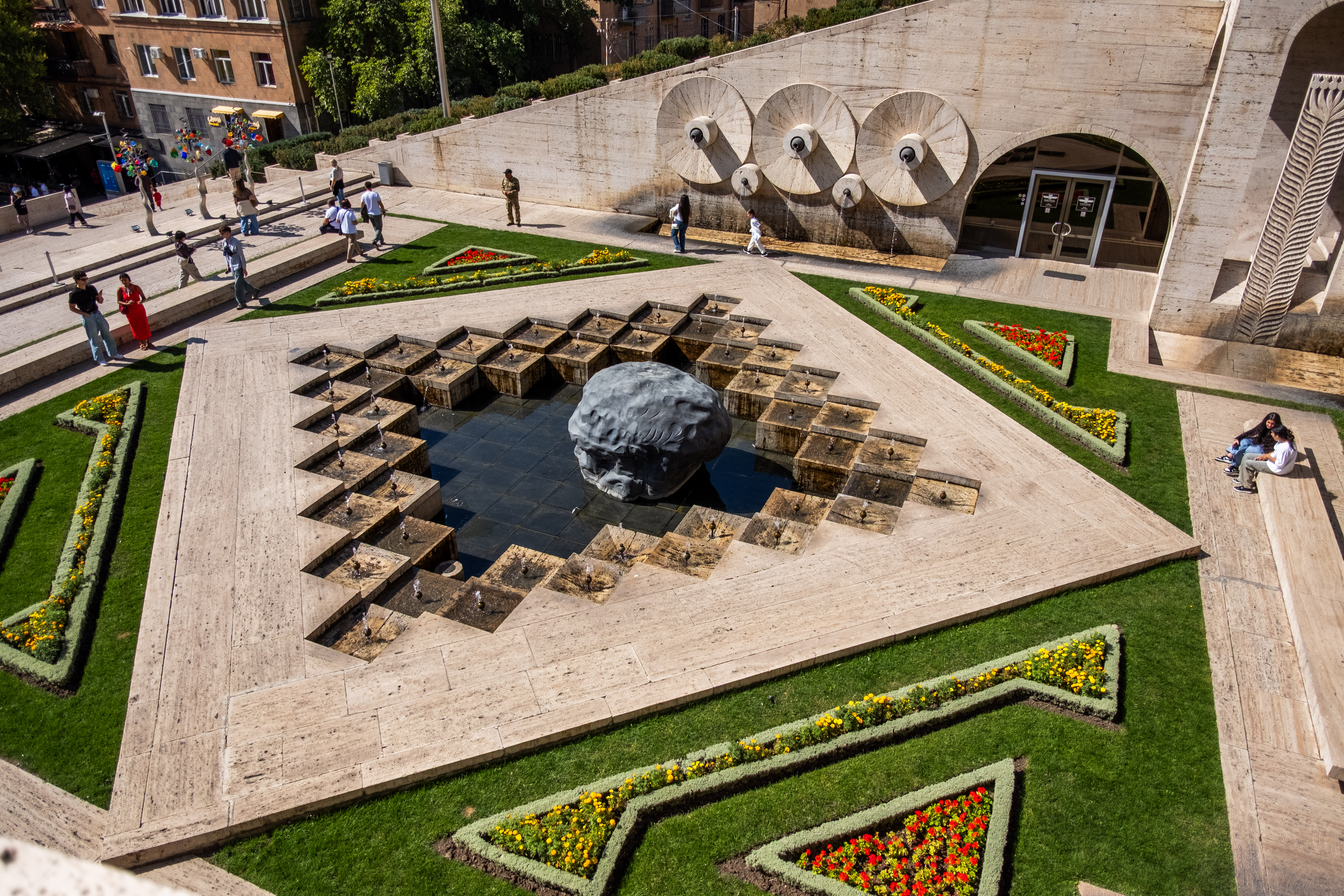
The Cafesjian Center for the Arts anchors the iconic Cascade, a pyramid-shaped complex doubling as one of Yerevan’s most important cultural spaces. (Benjamin Myers)
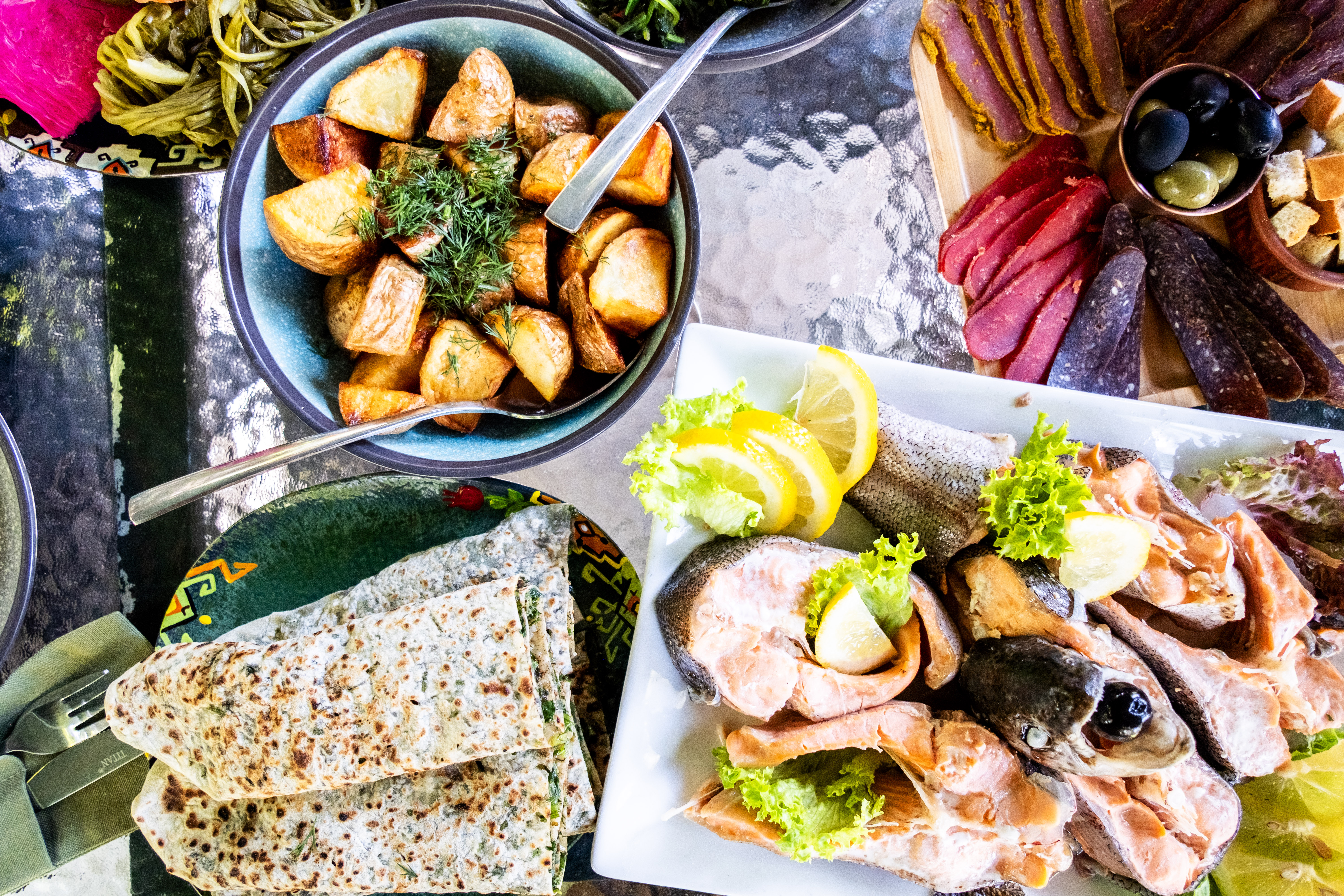
Traditional Armenian cuisine is served at Tumanyan’s ART in Yerevan, a restaurant serving hope in every dish. (Benjamin Myers)
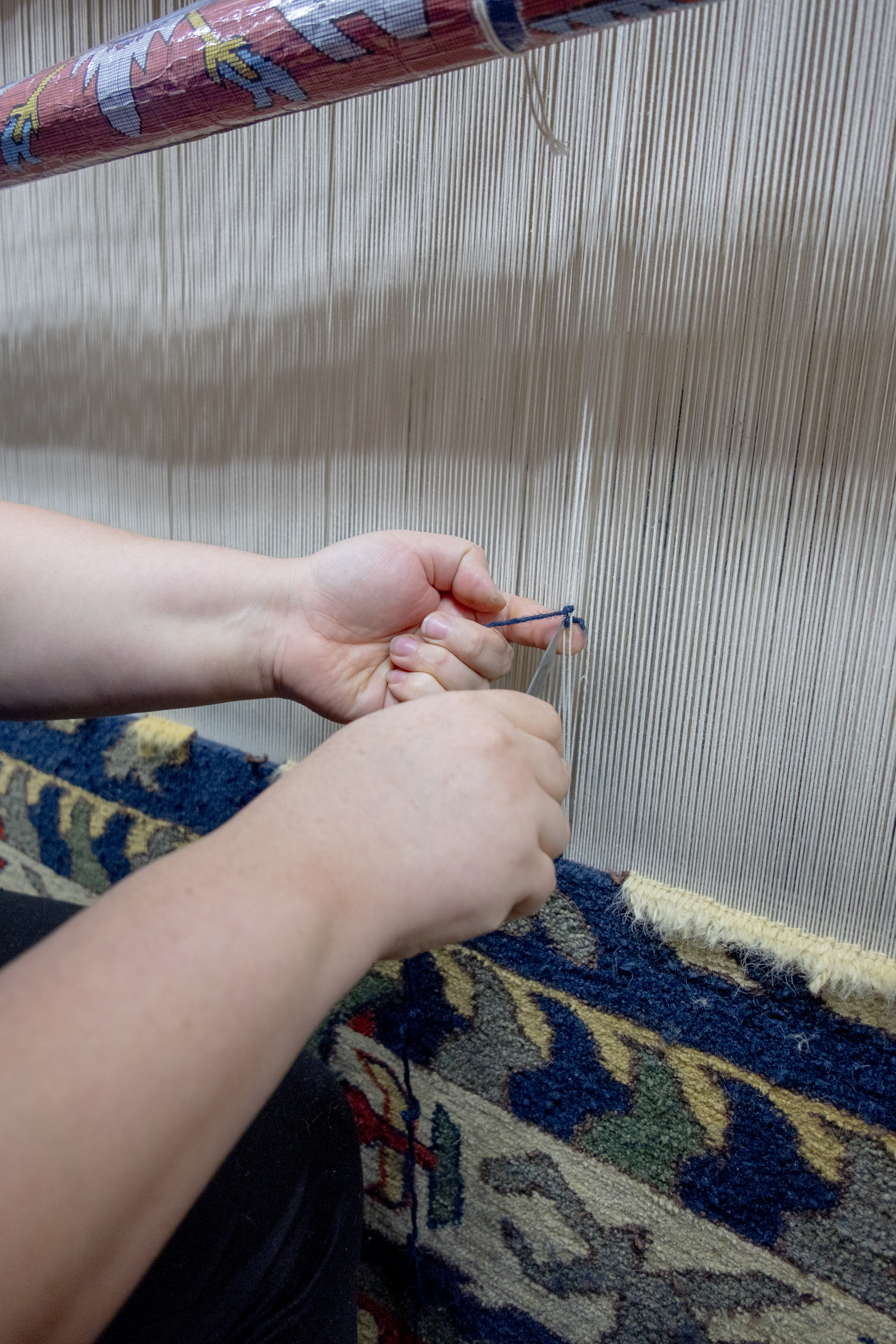
Natural dyes and double-knot methods are used on the hand-woven carpets at Megerian, which can take years to make. (Benjamin Myers)
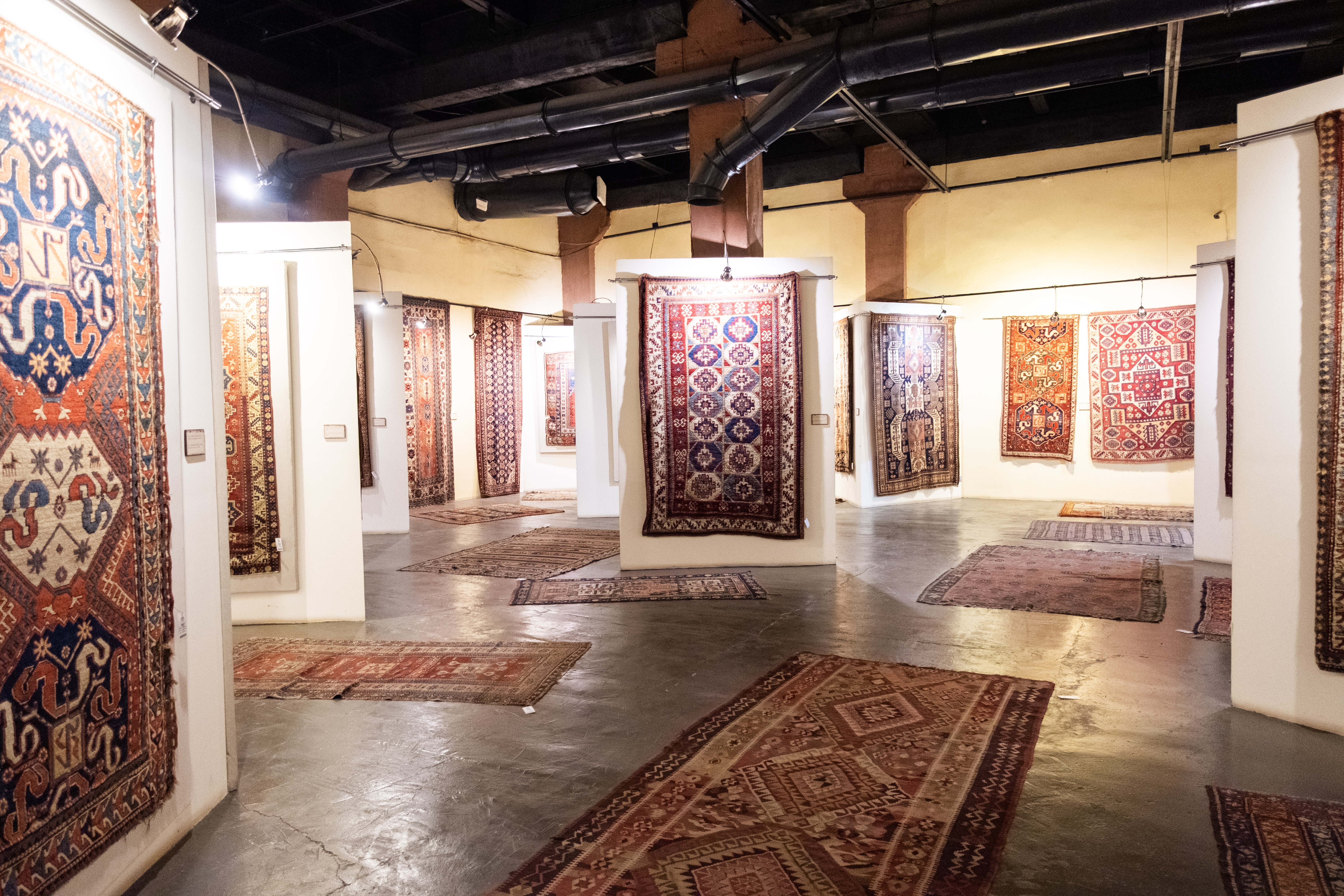
With over 22 weaving facilities across the country, Megerian has become a major force in preserving the craft. (Benjamin Myers)
Show Caption
1 of 5
In Saryan Square, artists set up easels and brush color on canvases in this living gallery. (Benjamin Myers)
We saw it in the hand-chiseled crosses (khachkars), symbols of faith intricately carved from volcanic tuff. Lusine waved us into an unattended shack, sheltered by tarp walls housing a half-dozen of these works in progress. Centering each crucifix was an eternal knot representing the strength of the Armenian faith. Long before Christianity spread across Europe, Armenia quietly became the first nation to adopt it, in 301 A.D. It was a decision that still shapes the landscape today. We saw it firsthand over lunch at Tumanyan’s ART.
It was the coffee and zhengyalov hats (stuffed flatbreads) that lured us to this neighborhood restaurant, but a heart of hope that left us in tears. At the center of it all was owner Kristina Balayan, who served us dolmas, trout, pickled vegetables, roasted potatoes, lubu shorva (red bean soup) and other specialties.
Before opening her restaurant in Yerevan, Tumanyan ART stood in Stepanakert, Artsakh’s capital. It operated as a restaurant and school for children with special needs. After the 2020 “44-Day War” reshaped the Nagorno-Karabakh (Artsakh) region, renewed fighting in September 2023 led to the displacement of Artsakh’s population.
Among those in the crossfire was Kristina, who refused to close her restaurant during the nine-month blockade. Instead, the cafe became a place of sustenance where she improvised daily with the few supplies she had. Despite the mass exodus, Kristinia stayed behind to feed the hungry, becoming one of the last to travel through the Lachin Corridor.
Upon arriving in Yerevan, Kristina joined World Central Kitchen to feed the displaced, eventually opening Tumanyan’s ART in December 2023. From orphans to widows, thousands of Armenians have found nourishment from this community protagonist, who is still comforting children who habitually ration their birthday cake.
Still, Kristina pours us wine and insists on raising a glass to “peace.”
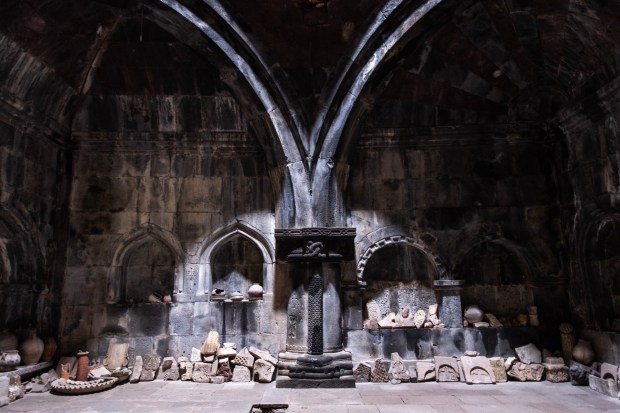 Haghpat Monastery, a UNESCO World Heritage site, is considered the pinnacle of Armenian architecture from the 10th to 13th centuries. (Benjamin Myers)
Having endured all that, I didn’t know how Armenians had the courage to find joy. As Lusine explained, “We can’t live in fear of today simply because the uncertainty of tomorrow.”
In Saryan Square, it seemed people were finding that joy, artists setting up easels and brushing color on canvases in this living gallery. Just off the Yerevan Opera House, this vibrant square celebrated Armenia’s deep ties to France, with Parisian-style cafes, a statue of French Armenian entertainer Charles Aznavour and flower carts stacked with fresh roses — so perfectly petaled, you’d swear they were photoshopped into life.
Just uphill, the Cafesjian Center for the Arts anchored the iconic Cascade, a pyramid-shaped complex doubling as one of Yerevan’s most important cultural spaces. Outside were tiered fountains with views spanning across the city to Mount Ararat. At the base of the terraces were sculpture gardens featuring Fernando Botero’s chubby bronze feline, El Gato, and Ji Yong-Ho’s black Lion, assembled from recycled tires.
By sunset we were counting fibers at the Megerian Carpet Museum. Ironically, the famed business launched in New York, where Armenian immigrant Hovannes John Megerian started restoring rugs in 1917. Leaning on natural dyes and double-knot methods, he revitalized the craft and established a cultural hub in Armenia with factories, museums and showrooms. With over 22 weaving facilities across the country, Megerian has become a major force in preserving the heritage. On their client list was everyone from Pope Francis to Kim Kardashian.
From carpet factories to blanketed hillsides, we headed north into the Debed River Valley, where cool misty air smelled of fire and fruit. Located in Armenia’s Lori Province, the deep gorge stretches from Vanadzor to the Georgian border. Cradled in the hillsides are UNESCO-listed monasteries and centuries-old settlements, drawing more visitors than the trails and rivers below. We came for all of the above, with history before hiking, starting with the Sanahin Monastery.
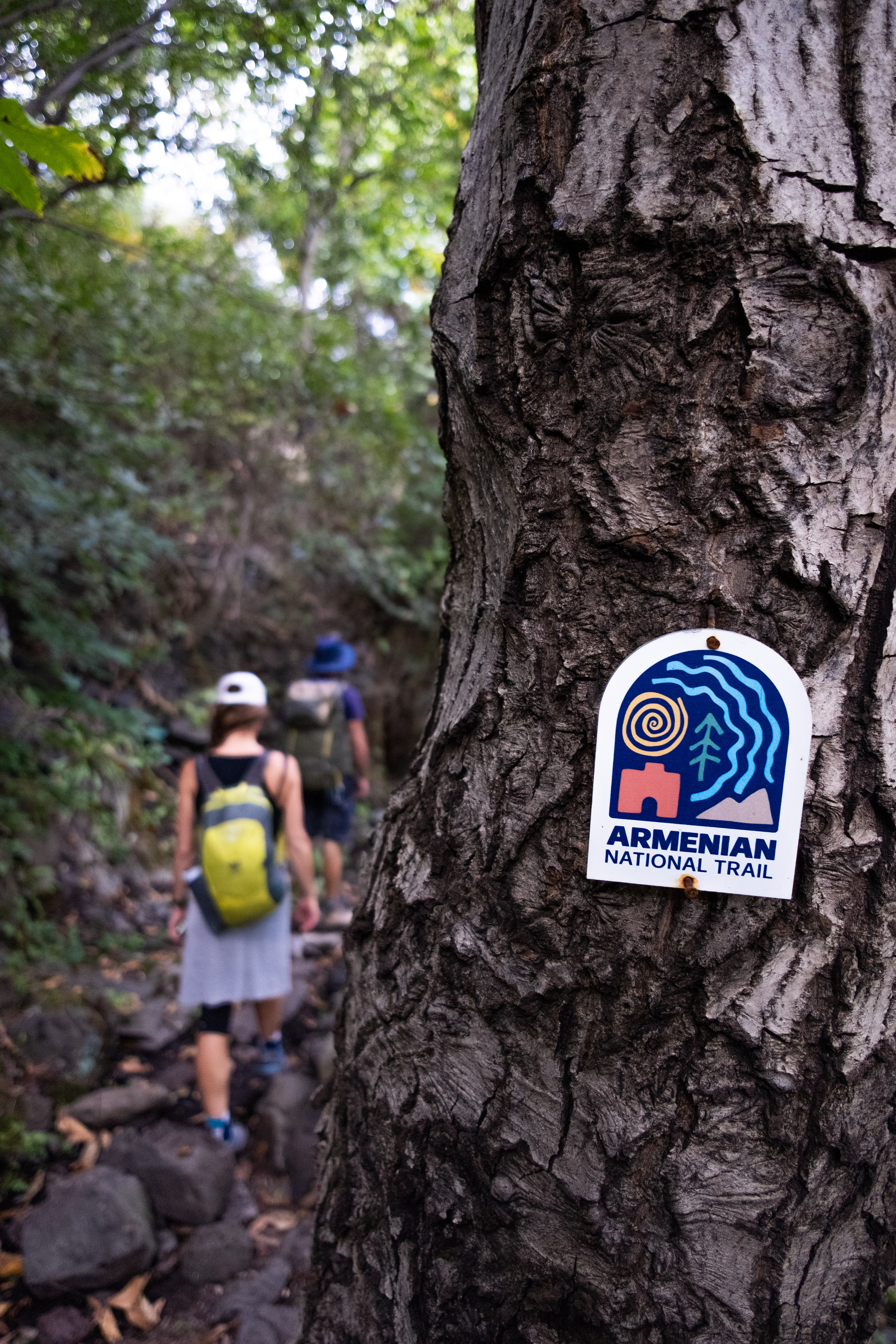
Hike Armenia has helped develop over 70 hiking trails across the country. (Benjamin Myers)
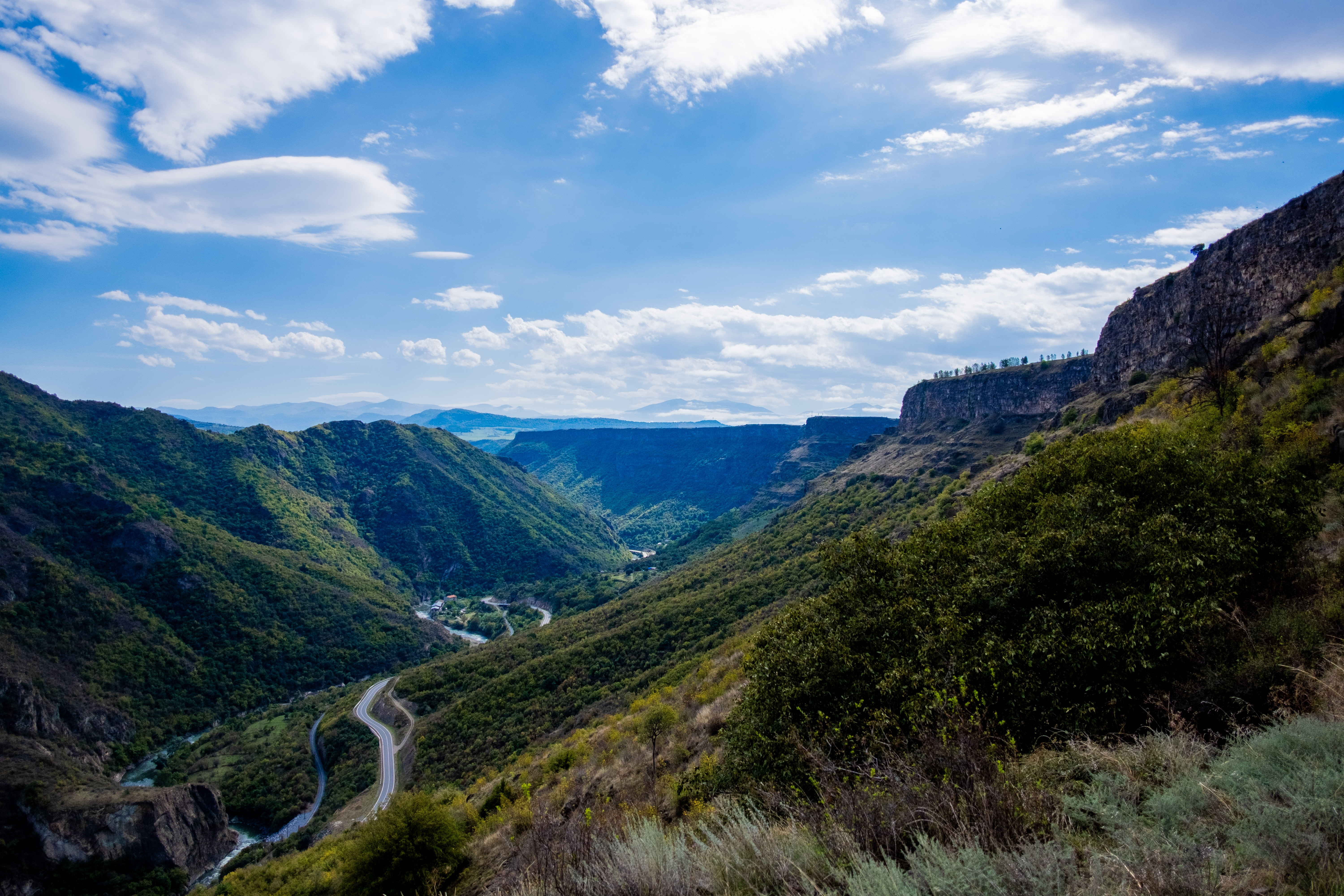
In the Lori region, this 5.6 mile-long trail travels from Kobayr Monastery through Horomayr Monastery all the way to Odzun Church. (Benjamin Myers)
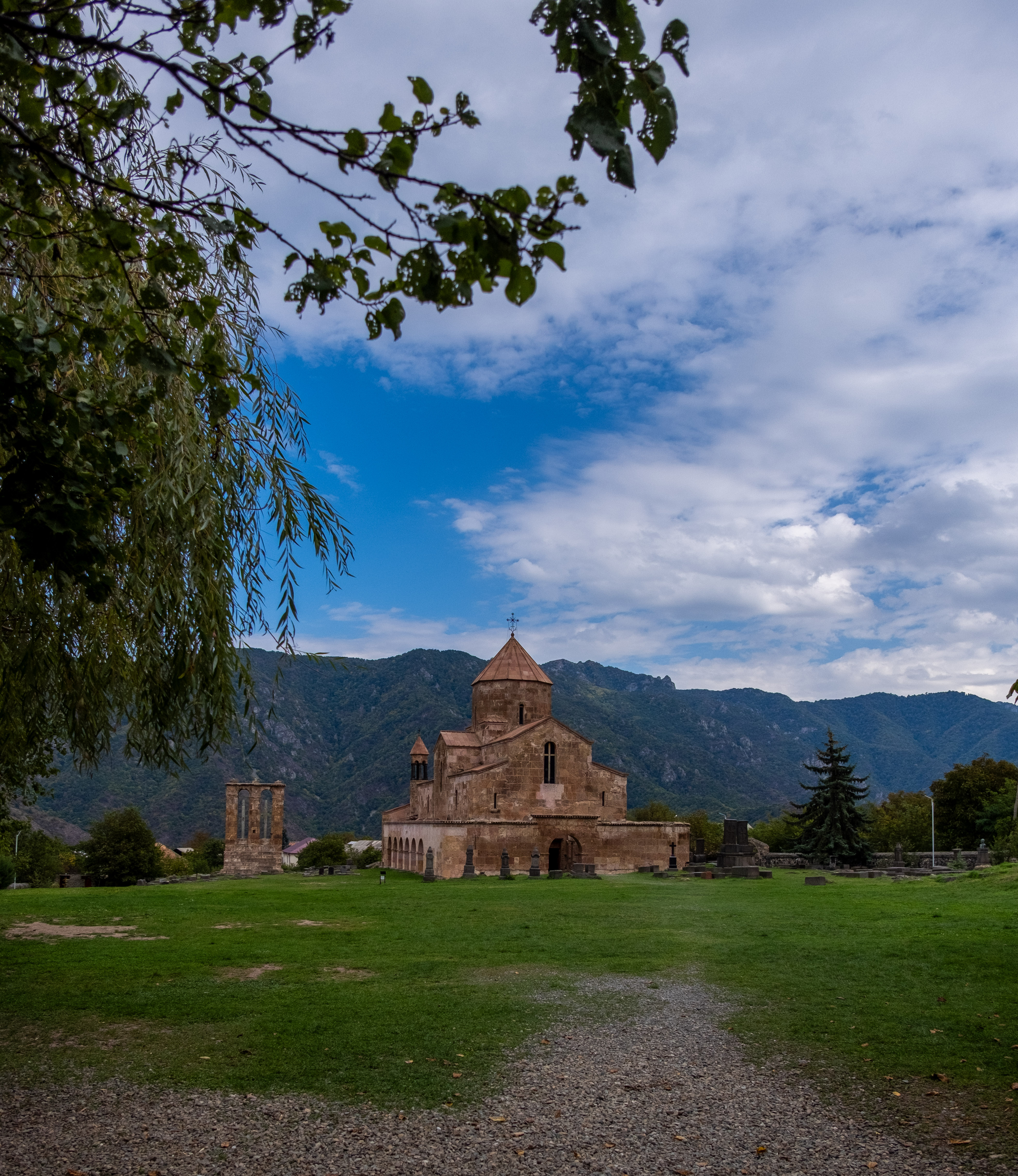
Odzun church is one of the oldest churches in Armenia. (Benjamin Myers)
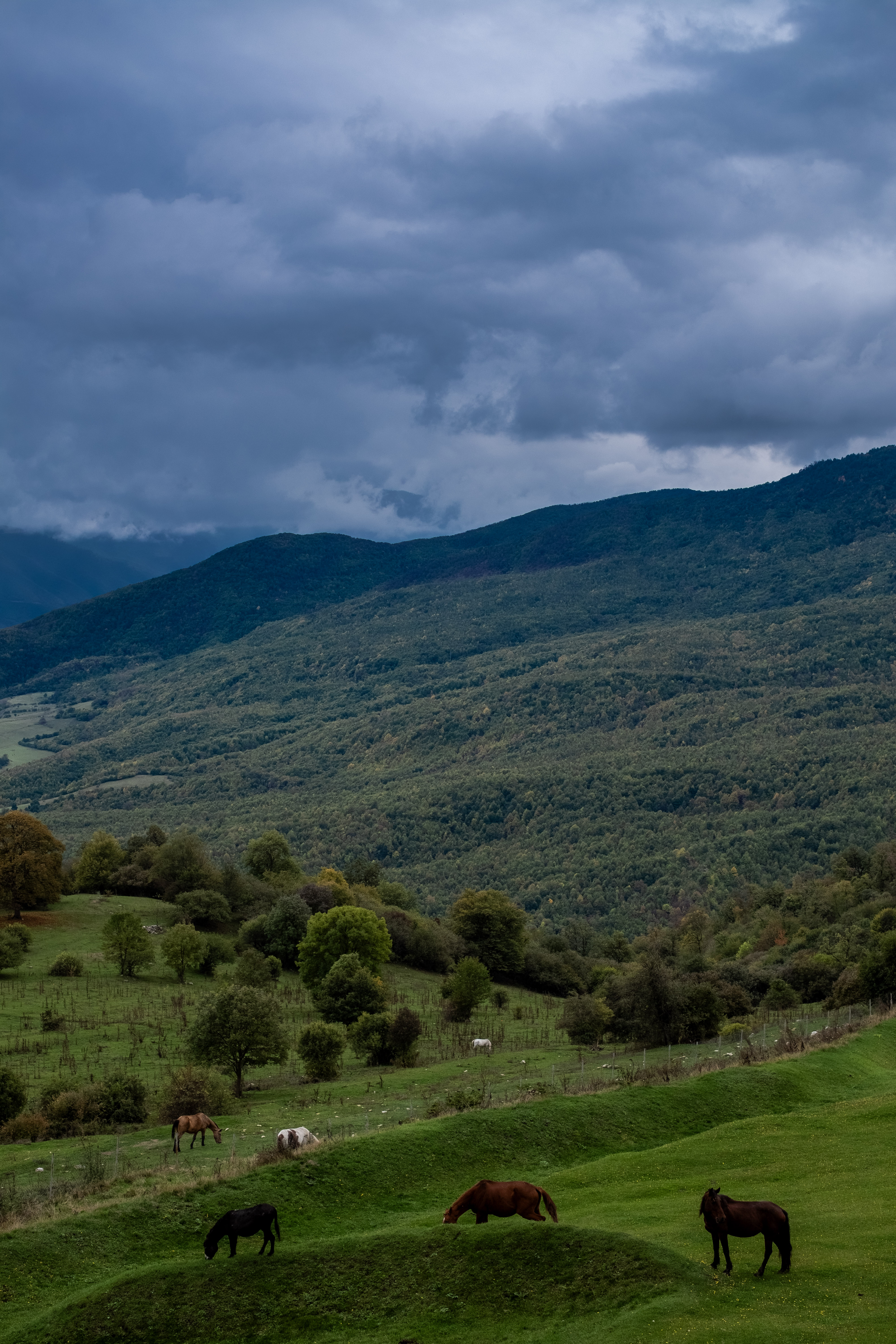
Horses grazing the fields at Apaga Resort in Yenokavan. (Benjamin Myers)
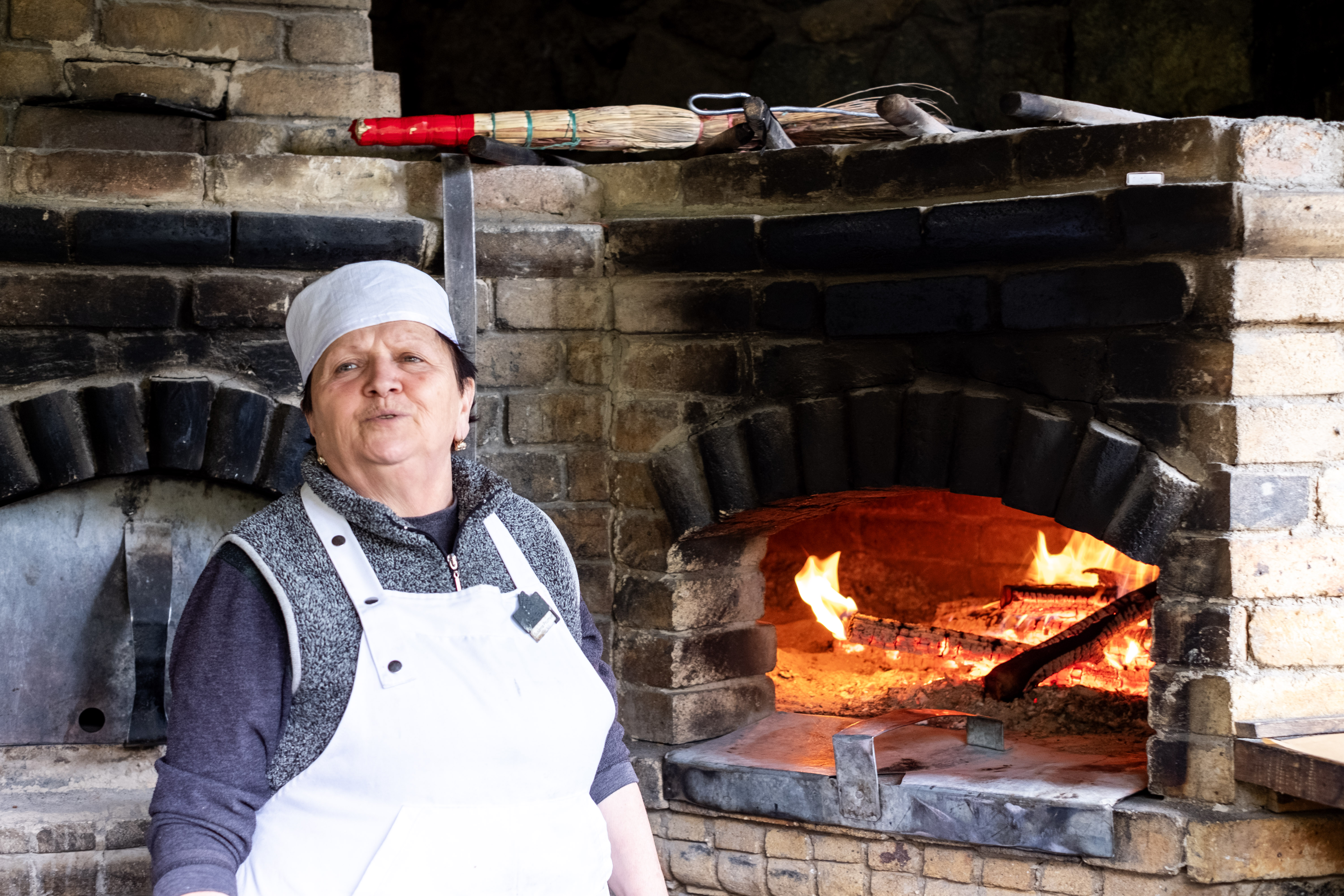
When visiting Haghartsin Monastery, pause for the flaky gata pastries filled with fragrant fillings. (Benjamin Myers)
Show Caption
1 of 5
Hike Armenia has helped develop over 70 hiking trails across the country. (Benjamin Myers)
Founded in the 10th century, this complex of churches was a crucible of wisdom for calligraphers, philosophers and illuminators. Despite the passing of time, rays of light broke into the darkness through crowned domes and arched windows.
Nearby was Haghpat Monastery, also named a UNESCO World Heritage site as the pinnacle of Armenian architecture. Among gravesites and crooked slabs, this medieval tapestry of bell towers, vaulted corridors and sacred frescoes whispered tales of faith and persecution.
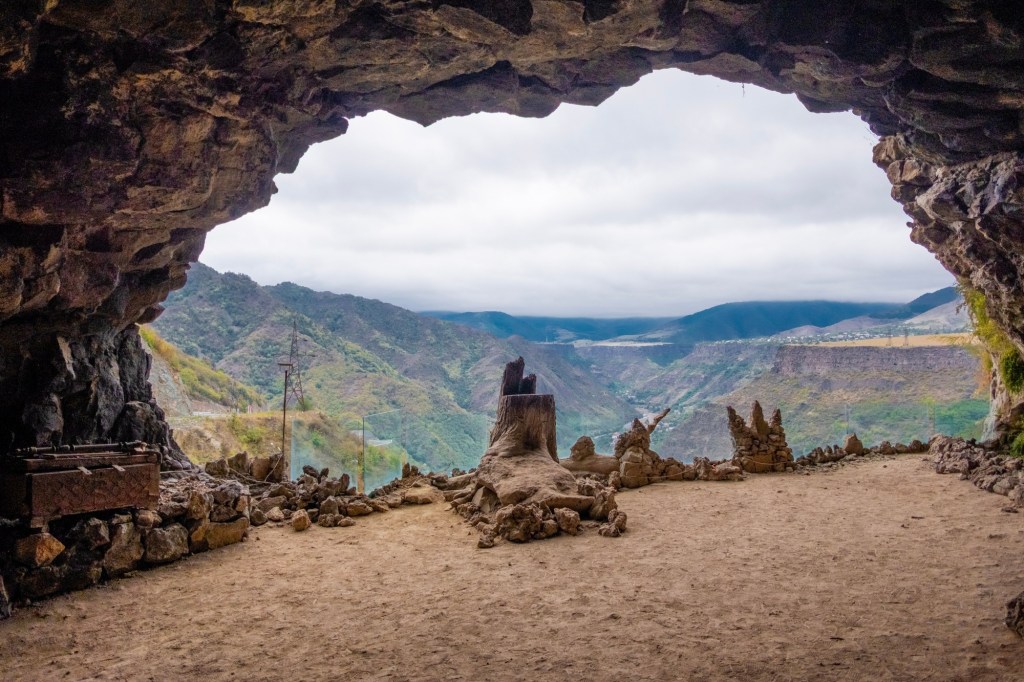
Just outside Alaverdi, Mendz Er Cave (Big Cave) was next on our route. Once believed to have sheltered early humans, the cave now housed a museum beside a restaurant, where we lunched on wraps and clay-pot stews reminiscent of shepherds’ fondue.
While admiring views across Debed Canyon, I heard the cry of a kitten, meowing for scraps and making figure 8s between my husband’s boots. In Armenia, strays are often tagged, a sign they have been neutered and released. Regardless, I wanted to save them all … feed, heal and take them home. The more I learned about Armenia, the more I wanted to rescue it from the past. But Armenia didn’t need rescuing. It needed understanding.
Just ask Vigen Mnatsakanyan, owner of ARMBEE Honey Farm and Meadery. Fifteen years ago, the beekeeper inherited two hives from his grandfather in Alaverdi. Today, Vigen is considered the swami of the craft, with over 300 hives, an education center, smart hive software, and a boutique hotel with “bee beds” for apitherapy. He shared his vision to open a honey-centric restaurant, and in the meantime, we sampled from the comb and wine that convinced us Vigen could save the world, one bee at a time.
That evening, we checked into Tufenkian Avan Dzoraget Hotel, where stone architecture melded into the Debed River. Resembling a medieval Armenian fortress, the hotel has rooms that boasted arched doorways, stone flooring and handwoven Tufenkian carpets.
By day, we hiked from Kobayr Monastery to Odzun Church, our trail slicing through the gorge past ruins of Horomayr — one of 4,000 religious structures in Armenia. Holding the pack was our guide from Hike Armenia, who corralled us through the verdant passage while pointing out rhythms of rural life. Farmers gathered walnuts into leather pouches beside hedgerows laden with berries, pears, plums and cornelian cherries.
Our trek ended in the village of Odzun, famous for its church constructed around the 5th to 7th century. Beyond religion, we visited the local TUMO center — Armenia’s free technology program for teens — a reminder that even in one of the country’s oldest landscapes, the future was being quietly shaped.
That night over dinner, the electricity suddenly went out: an anomaly for us, a common occurrence for them. Our guide Lusine didn’t miss a beat, telling us about Armenia’s exports of precious metals, tea and brandy, and how river rafting was best from May to October. I looked around, as conversation continued without pause or panic.
Candles were delivered tableside, and I had to ask about the absence of discomfort and chaos.
“This was all we knew during the ‘Cold and Dark Years,’” Lusine said.
In the early 1990s after the collapse of the Soviet Union, electricity in Yerevan flickered for as little as an hour a day. Lusine recounted days of homework by candlelight and the cheers when light would return. Daily life was reshaped during the energy crisis with the shutdown of Armenia’s nuclear plant, frozen rivers preventing hydroelectricity, and blockades cutting natural gas.
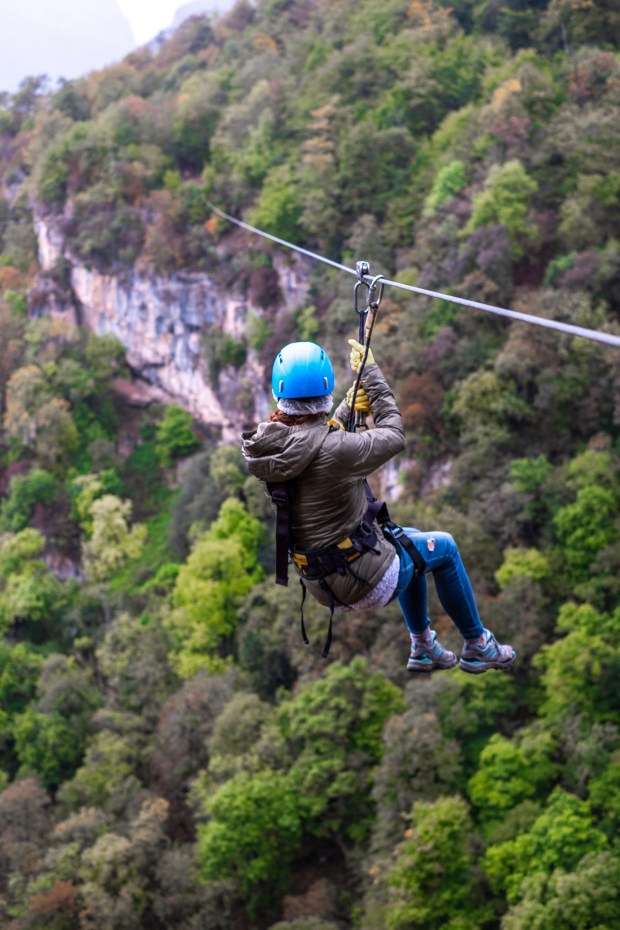 Yell Extreme Park at Apaga Resort is a hub for outdoor adventure, with horseback riding, zip-lining, rock climbing, off-roading and hiking. (Benjamin Myers)
“Winters were brutal,” she explained. “But we never complained because there was always someone enduring more.”
Babies were delivered in darkness, entire neighborhoods huddled in one warm home, and trees disappeared from parks with each “giving tree” chopped for firewood. The hardships sparked mass emigration and economic collapse, leaving an even deeper mark — one that still surfaces in quiet dinners with strangers like us.
The following morning echoed that past, a drive along barren roads dotted with abandoned factories. Climbing toward 4,600 feet, we headed to Tavush Province toward Apaga Resort in Yenokavan. Opened in 2003, this property in the clouds had cozy rooms in freestanding structures. Outside were grazing horses, raising their heads at nothing greener than the earth.
Yell Extreme Park was part of the property, a hub for adventure with horseback riding, zip-lining, rock climbing, off-roading and hiking. Elaborate meals were served in a glass-walled restaurant overlooking the valley, where paper-thin lavash came with platters of tree mushrooms, lamb and trout.
As the trip drew to a close, we stopped at Haghartsin Monastery, where Lusine lured us with gata, flaky Armenian pastries filled with blueberry, lemon and figs. Beyond those fragrant fillings was a rich history of the monastery dating to the 10th century. Once favored by scientists and royalty, Haghartsin now holds the graves of kings.
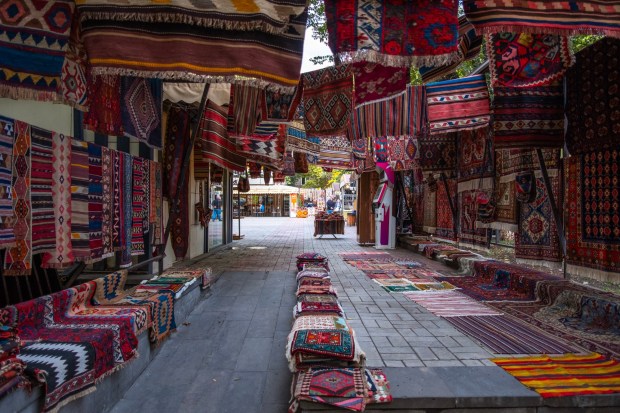 Vendors sell Armenian carpets near Tufenkian Historic Yerevan Hotel. (Benjamin Myers)
En route, we learned about Armenia’s wine renaissance, now guided in part by Vahe Keushguerian, considered “godfather of Armenian winemaking.” As owner of the Keush winery, Vahe and his daughter Aimee helped shift the industry from survival to intention. Investment followed, as did renewed interest at home and abroad, fueled in part by discoveries at Areni Cave, one of the world’s oldest winemaking sites.
In Vayots Dzor Highlands, winemakers at Trinity Canyon vineyards are returning to organic practices, fermenting wines in clay amphorae, and embracing styles like amber wines. Once known for only a handful of drinkable wines, Armenia now produces more than 500 native grape varieties.
Heading back to Yerevan, we stopped for lunch at Sevan Yasaman Restaurant on the shores of Lake Sevan. As the country’s largest lake, it’s often called “The Pearl of Armenia.” Clouds rolled in, darkening the water and bringing in a storm we never predicted.
Our timing was off. Back on the highway, the rearview mirror showed the clouds had lifted, the waters were still, and a rainbow had arched across the sky.
“We need to stop,” I told Lusine. “This is the best photo of the trip!”
She explained there was no exit, no shoulder, and no way to turn back. A guardrail was blocking the view, and so, we had to admire the moment from where we stood.
The irony wasn’t lost on me.
Within reach was the color of hope, in a land where borders have meaning, where honey flows, and fruit ripens under a generous sun; where wine isn’t a trend but rather a reclaiming of something ancient to be reshaped for the present; where stone churches rise from volcanic hills, monasteries cling to cliffs, and crosses are carved with eternal knots that strengthen with pull and tension.
Where monuments translate to “We are our mountains” and warriors raise a glass to “peace”; where resilience is not learned but rather intrinsic, in a country where yes, at first glance, that story cannot be seen … but with time, it can be understood.
Kast-Myers is a freelance travel writer based in Valley Center and the owner of Brick n Barn; marlisekast.com.