
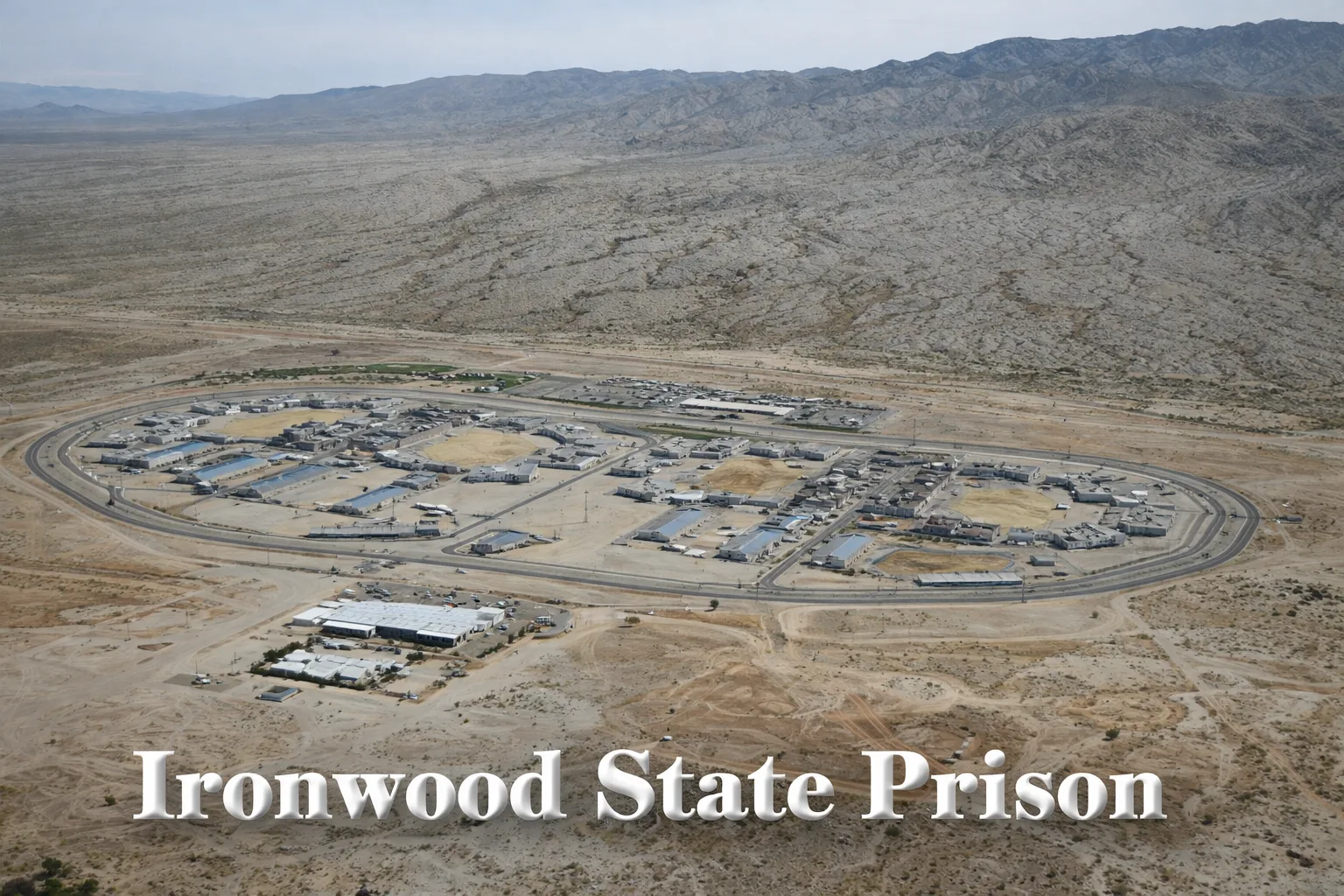
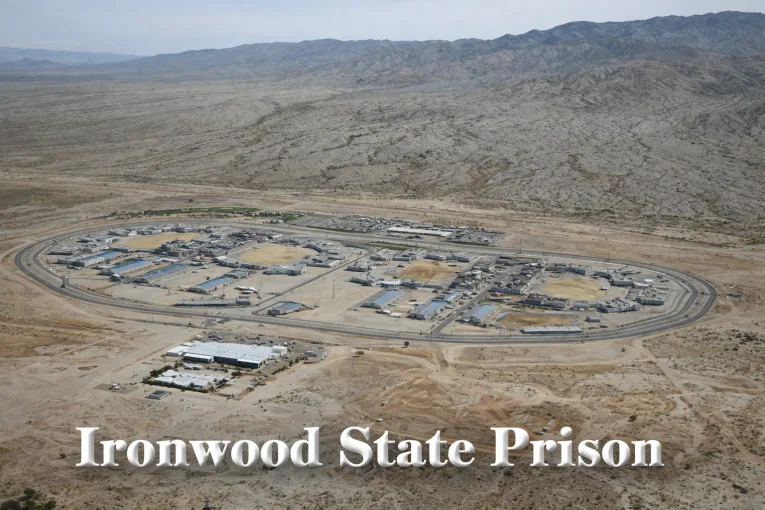
My name is Arthur Klein. I am 41 years old and currently serving a 15-life (indeterminate) sentence at Ironwood State Prison for a second-degree Watson murder. I was recently found suitable for parole after going to my Board of Parole Hearing (BPH) in October 2025. Being found suitable means I do not pose a current unreasonable risk to public safety.
This determination is made by a group of psychologists, former law enforcement, and other officials who are experts on the prison system, including what is required for successful rehabilitation and reentry. Their decision is then carefully reviewed by an even larger body of officials, and finally, by the Governor’s office.
Normally, after a successful Governor’s review — a period lasting five months — I would be placed on parole and reenter society through a transitional housing program. This elaborate process is found in only two states, California being one of them. It ensures an individual is truly ready to reenter society, as evidenced by its low recidivism rate.
The case brought by the Criminal Justice Legal Foundation (CJLF) against the California Department of Corrections and Rehabilitation (CDCR), however, works against this process. Due to this lawsuit, I am no longer eligible to be released until my base term of 15 years is up. I have been imprisoned for eight years, meaning I still have seven years until release.
At that point, my current parole plans will be null. My support network could drastically change (my grandparents are in their 90s, for example). I will be closer to 50 than 40, with fewer years to invest in retirement. And I will have used up another $952,000 of the State’s money to house me. Not to mention that prison can be a dangerous place, and one never knows what might happen.
The worst result of the CJLF lawsuit, however, is not any of the (possible) outcomes listed above. The worst thing is that it takes away the one thing that gives prisoners with indeterminate sentences a reason to rehabilitate and change in the first place: hope. Social engineering is a real thing. Look at the prison culture pre-2017. You will find that there was a lot of violence, criminal activity, and substance abuse. But ever since Prop 57 gave prisoners with indeterminate sentences the possibility of leaving prison before it had to be in a pine box, prison culture began to change. Individuals realized that they must genuinely do the work of rehabilitation in order to navigate the parole process successfully. Violence, criminal activity, and substance abuse diminished on many prison yards. And many former lifers successfully reintegrated into society.
But now hope is being extinguished. Violence, criminal activity, and substance abuse are all on the rise since 2024, the year milestones and good-behavior time were taken away from indeterminate sentences due to the CJLF lawsuit. Many lifers now wait to begin the work of rehabilitation until they are closer to their BPH dates. Many of those who were working successfully feel betrayed. Thankfully, there are still those who are doing their best to improve their lives, and the lives of others, during this time of uncertainty and waiting.
One concern I have regarding issues in prison is when I hear of all prisoners being lumped into the same group. This perspective results in confusion. It allows for subtle manipulation by those who do know better. Ultimately, it results in policies that negatively affect one prisoner group because of the bad behavior of another. These policies can then create new problems which cause more confusion, manipulation, misaligned policies, and so on. In this case, there are certain differences between those with determinate sentences and those with indeterminate sentences.
Prop 57 was passed to encourage rehabilitation. Initially, CDCR applied good time and milestones to both determinate and indeterminate sentences. In the case of determinate sentences, a person could attend educational and rehabilitative classes to receive milestones, and earn good time by staying out of trouble, to reduce their prison sentence. Alternatively, those with indeterminate sentences could earn both milestones and good time to bring their BPH date closer. Then, if they were found suitable through the BPH process, they were released on parole.
The results show that the individuals actually incentivized to rehabilitate under this arrangement were those with indeterminate sentences. This is evident by their recidivism rate of 2.7% for the period 2019-20 (the latest data available from the CDCR). When compared to the recidivism rate of those who during the same period had determinate sentences, roughly 67%, we find that Prop 57 does work to reduce crime by incentivizing rehabilitation, just not for the group it was intended for.
When I see how the lax sentencing laws during the early 2020s resulted in many short-timers (determinate sentences) serving even more reduced time, or none at all, and then returning to the street only to commit more crime, I was outraged. These types of individuals ruin the reputations of those who are rehabilitating themselves. They make it that much harder for the indeterminate sentences who remain in prison to be released. For those in society only hear the news reported in such a manner so as to make it seem that people with indeterminate sentences are following the same recidivism pattern.
Please be aware, and spread the knowledge of, the difference between these two groups. Those with determinate sentences often do use groups and incentives merely to reduce their sentences without actually doing the work of rehabilitation. Those with indeterminate sentences, on the other hand, can only bring their BPH date closer, they still have to go through an intensive process and prove to professionals that their change is real. The BPH decision is then reviewed several times, after which the individual transitions to society heavily monitored and in stages that are designed for their success.
AB 622 by Assemblyman Ash Kalra would undo the damage created by the CJLF’s lawsuit. It would allow the CDCR to award good time and milestone credits to those with indeterminate sentences in order to bring their BPH date closer and, if found suitable, reenter society on parole. Basically, it is Prop 57 extended to those with indeterminate sentences. And as we’ve seen, persons with indeterminate sentences are the ones utilizing the milestones to achieve the goals Prop 57 is purported to have put in place.
Personally, I know I do not deserve any leniency. I killed Mr. Martin Razo while driving under the influence. I deserve to spend the rest of my life in prison for the choices I made. Yet I have changed. I now know my purpose in life. One of my goals is to help others, especially in making better decisions than the ones I have made. Currently, I am restricted from doing so, mainly because I am so far removed from those on whom I could have the most impact (the youth, for example). Still, there are many in prison who need help, and I do my best to help however I can.
One of the ways I can help others is by sharing my story. This letter contains the truth of what is happening in prison from the perspective of those most affected, from those who are least able to resist the tides of change taking place which exude such a profound influence on the well-being of their lives. I ask those of you who can remedy this situation, those of you who can improve the condition of our communities by encouraging rehabilitation — please take action. Please help us. Please pass AB 622.
Thank you,
Arthur Klein
Note: Unfortunately, as of the posting of this piece, A.B. 622 has been voted down by the Assembly and will not move forward. However, the information in this letter is still pertinent. Thank you for your time and support.
Categories: Breaking News Everyday Injustice Tags: AB 622 Arthur Klein Assemblyman Ash Kalra Board of Parole Hearing Governor’s Office Ironwood State Prison