
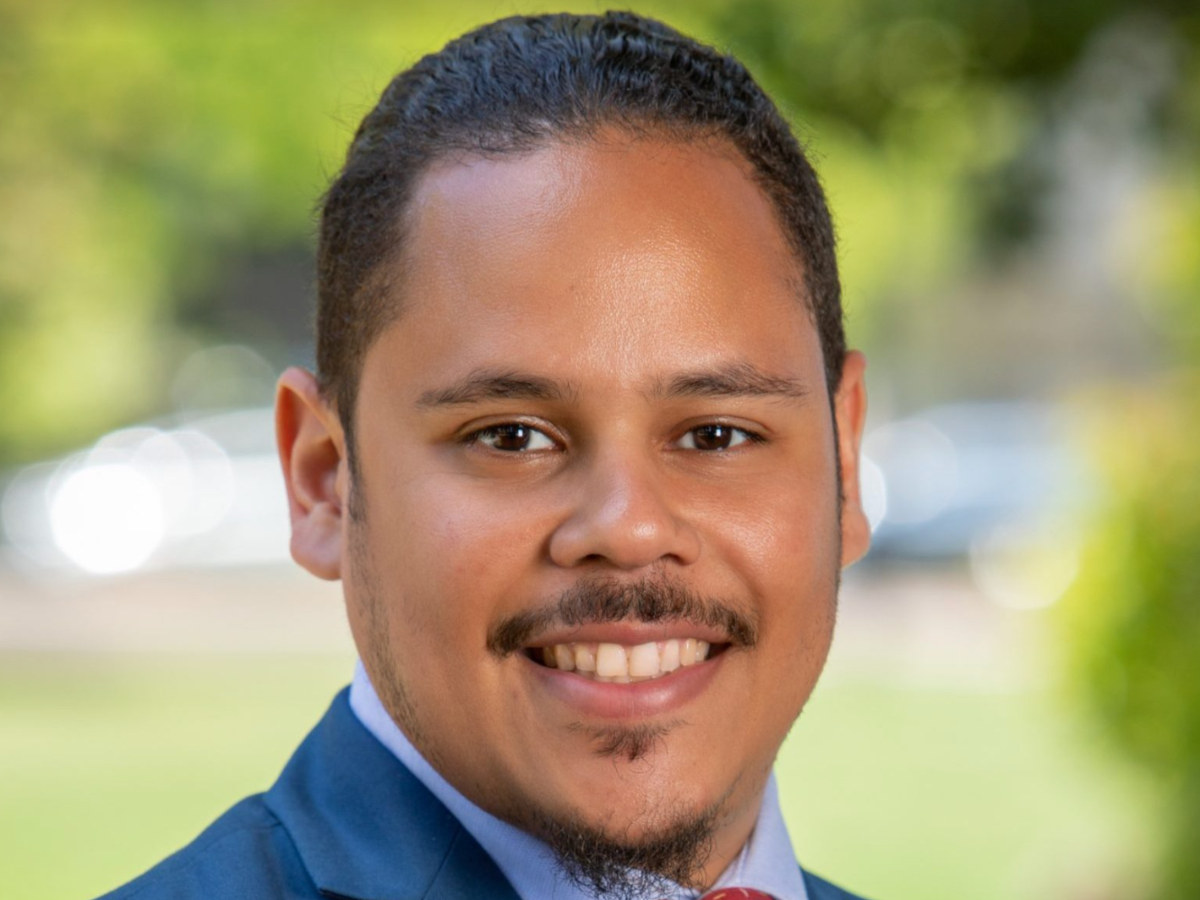
Berkeley is firing its top civilian police oversight official.
Mayor Adena Ishii confirmed Hansel Aguilar’s dismissal Monday night, after a closed-door session of the City Council. Eight council members voted unanimously to remove Aguilar, effective one month after he receives notice. Southside Councilmember Cecilia Lunaparra was absent.
Aguilar has run the administrative side of Berkeley’s civilian police oversight apparatus since October 2022. Berkeleyans created his agency, the Office of the Director of Police Accountability, along with the council-appointed Police Accountability Board (PAB), through a 2020 ballot measure that was supported by 85% of voters.
The PAB was supposed to be a beefed-up successor to the former Police Review Commission, with Aguilar’s office as its executive arm. But just a few years later, all of the original PAB members have moved on; several resigned in frustration, saying their work was stymied by Berkeley’s police leadership, city administration and City Council.
Meanwhile Aguilar’s firing was the culmination of months of mounting hostility between his office and the rest of City Hall, with council members excoriating Aguilar for what they have seen as failures in leadership and Aguilar suing Berkeley Police Department Chief Jen Louis over records her agency has refused to turn over.
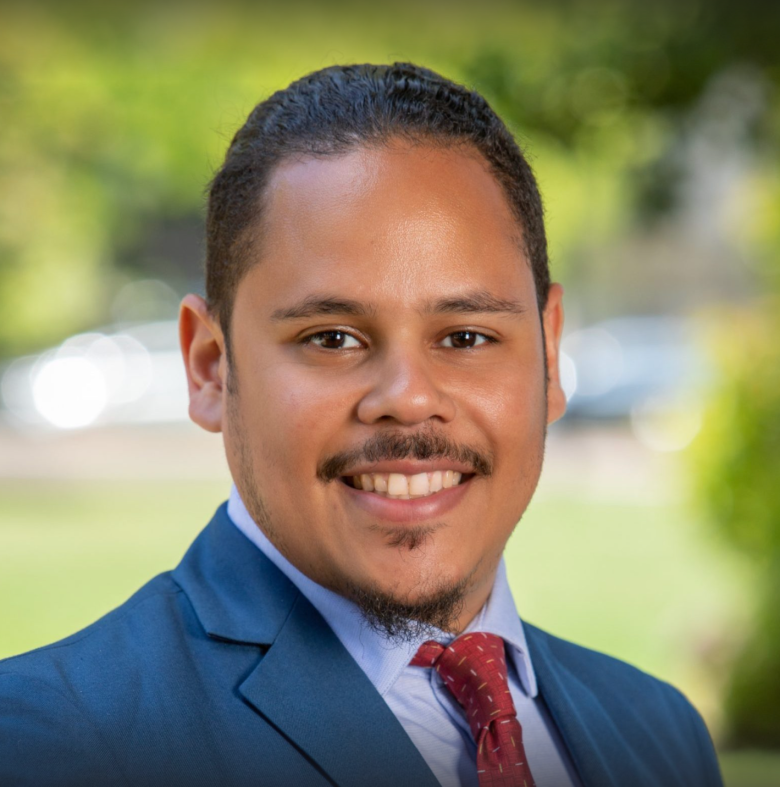 The City Council has voted to dismiss Hansel Aguilar, Berkeley’s Director of Police Accountability. Photo Courtesy Hansel Aguilar
Aguilar did not immediately respond to requests for comment Monday night, but Josh Cayetano, the PAB chair, said he was “surprised and disappointed” at Aguilar’s ouster, describing the director as “a committed and strong advocate” for accountability and oversight.
“Berkeley as a city faces systemic issues preventing effective independent civilian oversight of law enforcement that will not go away simply because of … Aguilar’s dismissal,” Cayetano said in a statement forwarded to Berkeleyside.
The Jan. 30 departures of Kitty Calavita and Julie Leftwich, the two longest-serving PAB members and its last two original commissioners, has left just four of the board’s nine seats filled, a new low for membership.
In a joint letter announcing their departure, Calavita and Leftwich wrote that they “have seen firsthand that the PAB has not been permitted to exercise its expanded oversight authority and is even less empowered than its predecessor.”
In her prepared statement, Mayor Adena Ishii said the council remained “committed to police accountability” and was focused on filling the PAB vacancies, finding a new director and “restoring credibility, trust and respect for both the accountability process and the people involved in this work.”
Lunaparra, who did not attend the vote, told Berkeleyside in a written statement, “I remain equally committed to Police accountability work in Berkeley, and equally concerned that the City and City Council does not prioritize or value Police accountability..”
The other seven council members either declined to comment or did not immediately respond to text messages seeking comment Monday night.
A ‘frustrating’ experience for oversight board members
The board bottomed out once before, at just five members, in 2023, before new appointments helped fill more of its positions. That low point was precipitated in part by the sudden departure of then-board member Cheryl Owens, who accused then-City Manager Dee Williams-Ridley of deferring to Louis and city staff of stymying the board’s oversight work.
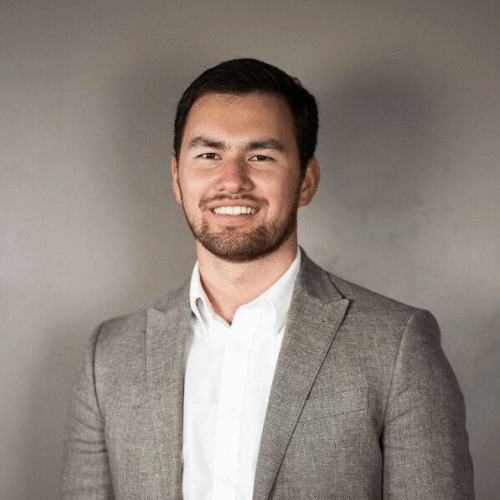 Joshua Cayetano is currently the chair of the Police Accountability Board. Image: Courtesy City of Berkeley
That second accusation, against the city’s administration writ large, would become a refrain for board members and ODPA workers over the next three years.
In 2023 through 2025, the PAB said police officials had not included enough information on military equipment use for the PAB to properly review it, the board’s chairman, Josh Cayetano, wrote to city leaders last May.
“What is incredibly frustrating for those of us who have been here for a while is that it seems apparent that people want us simply to trust the police to do the right thing,” Calavita said at a PAB meeting that month. “And I have great respect for this department, it’s not that I don’t. But we are the oversight body and it looks very much like some of the leaders here do not want a real oversight body.”
By the end of 2025, the relationship between Berkeley’s civilian oversight apparatus and the rest of the administration had frayed even further. Several council members, Ishii included, gave Aguilar a public dressing-down after he used the weight of his charter office to force two items onto a September council agenda. Aguilar and the PAB had resorted to subpoenas several times throughout the year to compel BPD to turn over records. Finally, in December, Aguilar sued Louis, asking a state court to compel her to turn over records from a June sweep of a homeless encampment in Northwest Berkeley.
Aguilar was former officer who shifted to oversight
Aguilar has a bachelor’s degree in criminal justice and sociology from Rutgers University in New Jersey, where he grew up after leaving his native Honduras at age 8. He later earned a master’s degree in sociology from George Mason University, and would work as a police officer at that university for the two years after he finished the master’s program.
In his last post before coming to Berkeley in 2022, Aguilar led the Police Civilian Oversight Board in Charlottesville, home to the University of Virginia. George Mason awarded him a doctorate in sociology in 2024, and he remains an adjunct processor there.
Aguilar was one of 17 applicants for the top police oversight post in Berkeley. After interviews with panels of community members and technical experts, Williams-Ridley and Brown and the City Council, Aguilar emerged as the top pick for the job in October 2022.
The terms of Aguilar’s hiring included a severance stipulation that if the council were to fire him “without cause” — encompassing nearly any circumstance other than a felony conviction against him — the city would have to keep him on for at least a month longer, and at twice his normal salary.
“*” indicates required fields