
Lauren Babb Tomlinson still remembers sitting at her grandmother’s kitchen table in Detroit, carefully practicing cursive and writing letters to City Hall about potholes and broken streetlights.
“It was how I learned that government is supposed to work for people,” she says. “If something’s wrong, you speak up and ask them to fix it.”
Now 33, the longtime labor organizer and reproductive rights advocate wants to be the one answering those letters.
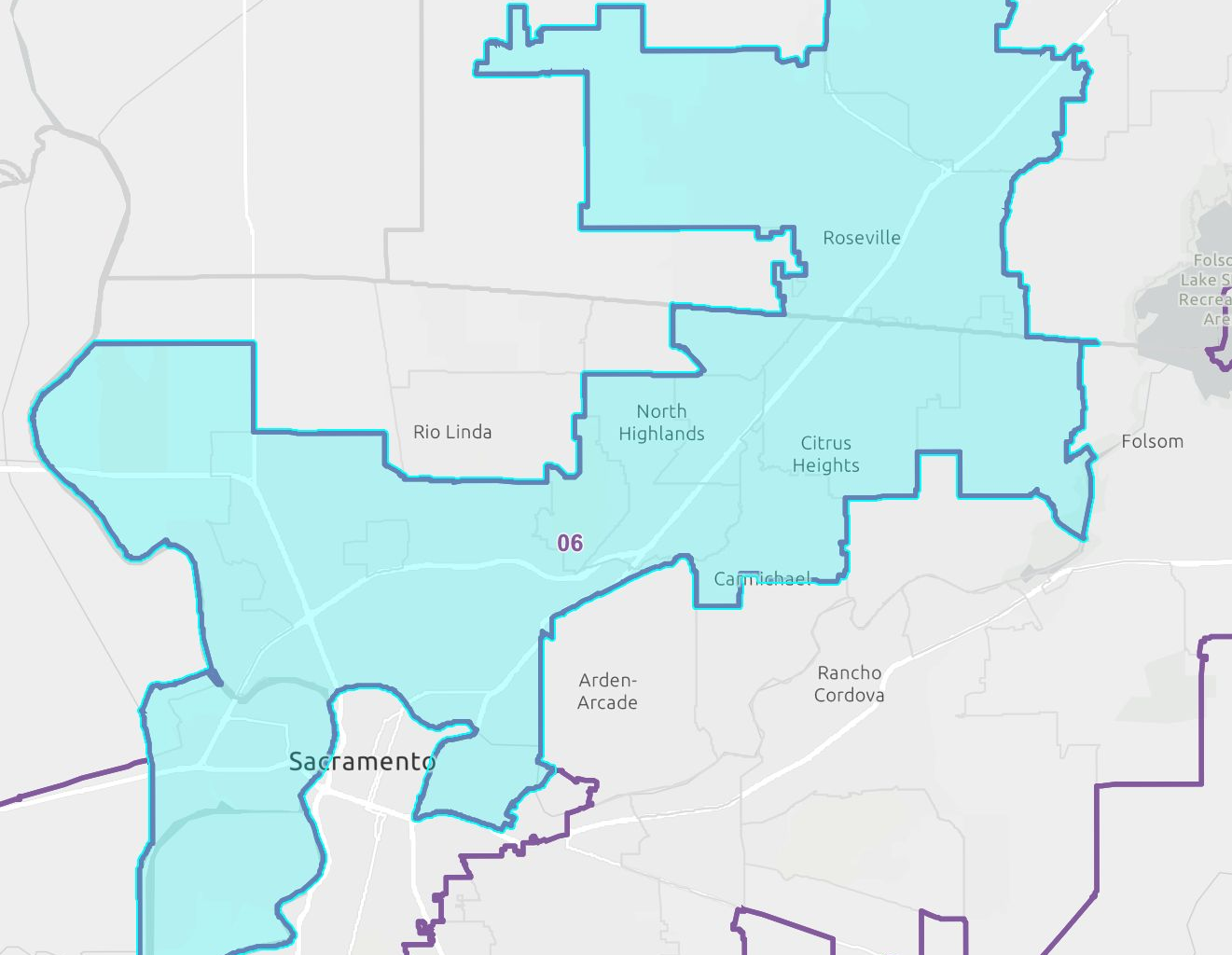
Tomlinson has entered the race for California’s newly redrawn 6th Congressional District, staking her campaign on health care access and the rising cost of living for working families. She joins a competitive field that includes Sacramento District Attorney Thien Ho, former state Sen. Richard Pan, and West Sacramento Mayor Martha Guerrero.
The seat is open because Rep. Ami Bera is running in a neighboring district under the newly drawn congressional map. Portions of the redrawn district previously were represented by Republican Kevin Kiley, who has not publicly announced which district he plans to seek in 2026.
With no incumbent on the ballot, the contest is expected to be one of the region’s most closely watched of the cycle.
Under California’s updated congressional map, the 6th District stretches across much of northern and eastern Sacramento County, including parts of Sacramento, Arden-Arcade, Citrus Heights, Fair Oaks, Antelope and Rancho Cordova, and extends west into West Sacramento. It also reaches into parts of Placer County, including Roseville and Rocklin, communities that tend to lean more conservative than Sacramento’s urban core.
The mix of older suburban neighborhoods, working-class communities and fast-growing exurbs has produced an electorate that is both politically diverse and older than those of many neighboring districts, setting up what could be a competitive general election.
California’s top-two primary is scheduled for Tuesday, June 2. Mail ballots are expected to begin going out to voters in early May, with early in-person voting opening in the days before Election Day. Under California’s election rules, the top two vote-getters, regardless of party, advance to November. If a candidate receives more than 50% of the vote in the primary, they win outright and the general election for that seat is canceled.
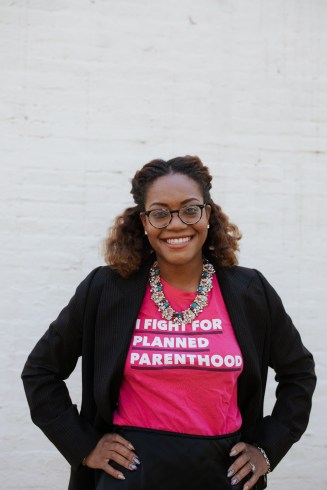 Lauren Babb Tomlinson joins the crowded race for California’s 6th District House seat. Courtesy of Lauren Babb Tomlinson.
Tomlinson traces her interest in public service to childhood.
Born and raised in Detroit, she says her grandmother — who raised six children on a union job and Social Security after Tomlinson’s grandfather died — impressed on her how government programs could keep families afloat.
“That was my first lesson in how government is supposed to take care of the most vulnerable,” she says.
She later studied political science at American University and political management at George Washington University in Washington, then went to work as an organizer.
Her early career took her across the West Coast with the American Federation of State, County and Municipal Employees, helping recruit workers and build retiree chapters. She later worked for the United Auto Workers at UC Berkeley and UC Davis, organizing postdoctoral researchers.
Five years ago, her husband’s job brought the family to Sacramento, where they bought a home.
“I’ve always been fascinated with how government works and how you actually move policy that improves people’s lives,” she says.
Tomlinson says her political identity sharpened most during her years with Planned Parenthood, where she served in public affairs and government relations roles in Northern California and beyond.
She returned to the organization as the fall of Roe v. Wade loomed, saying it felt urgent to protect access to reproductive and primary care.
“It wasn’t a shock,” she says. “We knew it was coming. But it showed how fragile access really is.”
She points to several wins: securing $1.2 million in funding for health centers in Nevada during a special legislative session; working with a Republican governor and lawmakers from both parties to keep clinics open; and helping advance legislation in California to make it easier for new clinics to open.
One of those efforts grew out of a fight in Visalia, where a planned health center faced local opposition and city officials revoked its conditional use permit after nearby businesses objected. Tomlinson says the episode exposed how easily local governments could stall or block health care facilities for political reasons.
Working with Assemblymember Rebecca Bauer-Kahan, she helped push Assembly Bill 2085, which streamlined the approval process for reproductive and primary care clinics.
The law limited the ability of cities and counties to deny or delay permits based solely on the type of services provided, effectively treating reproductive health centers like other medical offices under zoning rules and preventing local officials from blocking clinics for political reasons.
“For a lot of communities, if that clinic closes, there’s nowhere else to go,” Tomlinson says. “This was about making sure a city council couldn’t decide whether people get health care.”
On the campaign trail, Tomlinson frequently talks less about ideology and more about what she calls “kitchen-table issues.”
As the mother of a 1-year-old son, she says rising costs feel immediate.
“My child care bill is almost more than my mortgage,” she says. “Groceries are up. Prescriptions are up. Families are choosing between paying rent and getting their medication. That’s not how it should be.”
Her platform includes raising the federal minimum wage, strengthening unions and collective bargaining rights, expanding child care and paid leave, and cracking down on corporate price gouging.
She also supports federal efforts to lower prescription drug prices and health insurance costs, arguing Congress can directly target expenses people feel most: housing, health care and energy.
“We might not be able to magically make everything cheaper overnight,” she says, “but we can lower everyday costs and make sure wages actually keep up.”
Tomlinson has begun building early institutional support for her campaign, earning endorsements from Congressional Black Caucus PAC, Voter Protection Project and Leaders We Deserve.
Unlike the rest of the field, Tomlinson hasn’t held elected office, which she pitches as an asset rather than a liability.
“I’m someone who’s spent my career organizing, fighting for health care, fighting for working families,” she says.
The district’s large share of seniors and working households mirrors the communities she has worked with for years, she says, from union retirees to patients relying on safety-net clinics.
If elected, Tomlinson also would be among a small but growing number of Black women representing California in Congress, following leaders such as Barbara Lee, Maxine Waters and Kamala Harris.
“I’m standing on the shoulders of giants,” she says. “Black women have always been on the front lines of this work. Now it’s our turn to lead.”
She then returns to the image that started it all — a child writing letters about cracked streets.
“At the end of the day,” she says, “I’m still that kid who thinks government should fix what’s broken.”
Related