
By Ben Christopher, CalMatters
This story was originally published by CalMatters. Sign up for their newsletters.
In the fall of 2023, the California Legislature tasked the state’s fire safety regulators with writing a report that some housing affordability advocates say could make it easier to build bigger, airier and better lit apartment buildings in California’s housing-strapped cities.
The Office of the State Fire Marshal was given until January 1, 2026 to come up with a report on single-stair apartment buildings — a type of mid-sized multifamily development legal in much of the world, but effectively banned across most of North America.
More than a month later, single-stair advocates are still waiting on that report — though a draft version obtained by CalMatters hints that the office may be considering a modest change to the state building code.
“They were given a deadline,” said Stephen Smith, founder of the Center for Building in North America, which advocates for cost-reducing changes to building regulations.
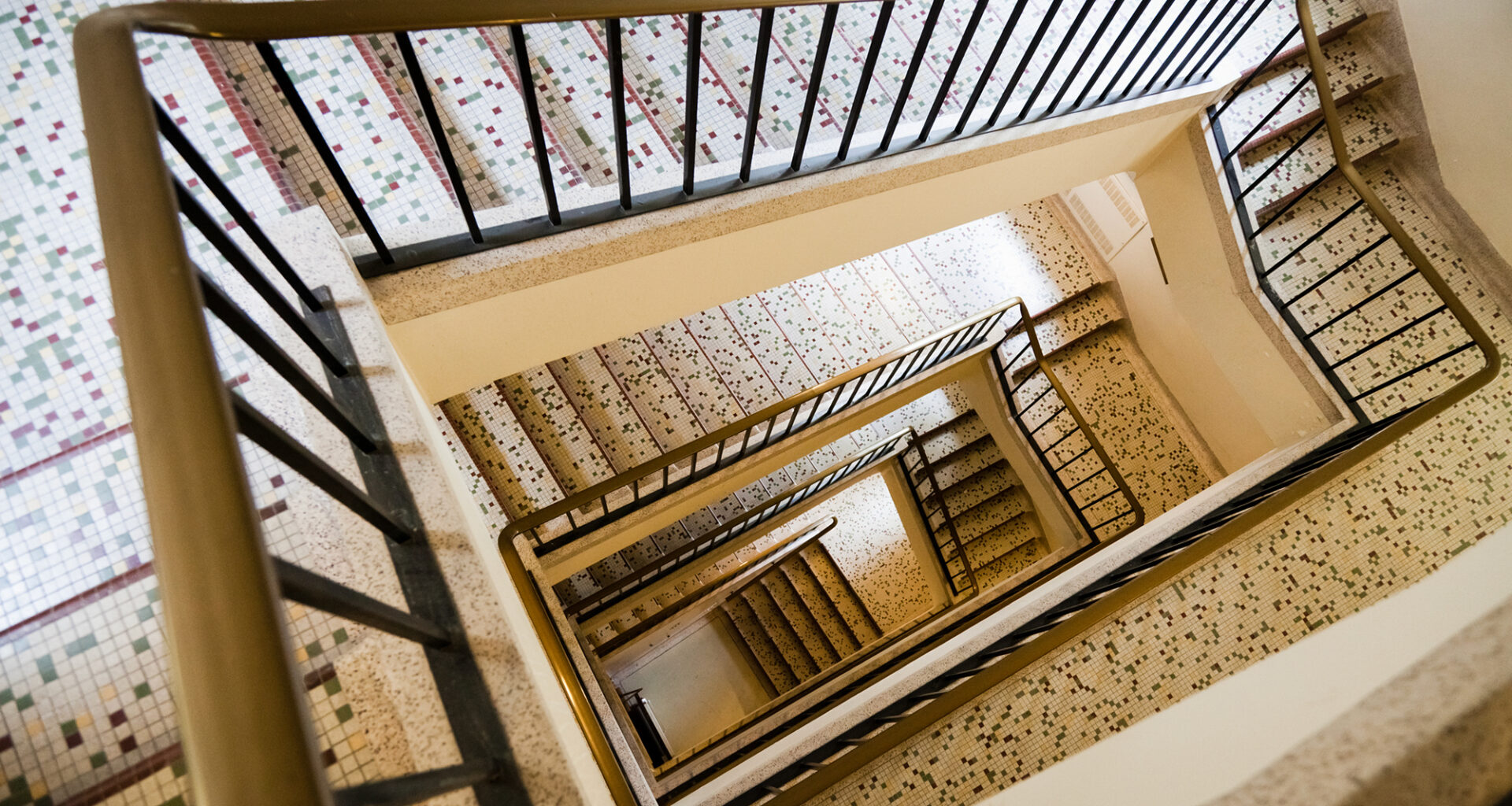
That safety-minded code is meant to provide residents with multiple escape routes in the event of a fire. But it has also become a focal point of criticism among a growing number of housing advocates, architects and urbanists, who say it raises the costs of multifamily construction, limits where apartments can be built, pushes developers toward darkened studios and away from family-sized apartments and provides limited health and safety benefits.
“I know there’s been a real desire among politicians in California to change the state’s image as a slow moving state, but in this case I don’t see it,” said Smith, who was also a member of the working group of fire service professionals, building code experts and housing advocates tasked with writing the first draft of the report for the state Fire Marshal. The group’s last meeting was on November 4.
“This report is still under review and we will publish the report as soon as it is approved for publication,” said Wes Maxey, CAL FIRE’s deputy director of legislation, in an email. He would not say when the report is expected to be released or what the hold up is all about.
The state legislature regularly assigns research reports of this kind to various corners of the state bureaucracy — and, as CalMatters has reported before, the state bureaucracy regularly blows past its assigned deadlines.
But the single-stair analysis has garnered considerable interest outside of Sacramento.
Current rules in California (with the one, recent exception of Culver City) require apartment buildings higher than three stories to have at least two staircases connected by a hallway.
The Legislature was clearly interested in raising that height limit when it ordered the report in the first place.
“Many European countries allow buildings with single staircases and have better records on fire safety than the United States,” said Assemblymember Alex Lee, a Milpitas Democrat, urging a “yes” vote on his bill in the summer of 2023. “I believe having the Fire Marshal conduct the study will start the conversation about leveraging existing fire and emergency response technologies and strategies to maximize housing projects.”
Local fire marshals, fire chiefs and fire fighting unions have, by and large, opposed easing staircase requirements in the building code wherever they’ve been proposed.
The final report is likely to disappoint either those organized fire services, a politically powerful constituency, or “Yes In My Backyard” advocates that have found an ally in Gov. Gavin Newsom.
A draft version of the report circulated among stakeholders in late October included a half-hearted endorsement of a change to the state building code. If the State Fire Marshal recommends new policy, the draft reads, the change should only be from a three-story maximum up to four. Any new four story single-stair structures should also be restricted in size and abide by a number of other added safety-oriented restrictions, the report added.
Culver City, west of downtown Los Angeles, passed a single-stair ordinance last year to nix the second-stair requirement in certain apartment buildings up to six stories. Six stories is also the cut-off in the four other jurisdictions that go above three: New York City, Seattle, Honolulu and Portland, Oregon.
The draft report, which is not final, also went out of its way to emphasize “the near unanimous feedback from California Fire Departments who are opposed to permitting single-exit stairway construction … greater than 3 stories.”
Whenever it is finalized and published, the report won’t have the force of law. But should state legislators opt to take up the issue in the future, its final recommendations are likely to carry weight with undecided lawmakers.
This article was originally published on CalMatters and was republished under the Creative Commons Attribution-NonCommercial-NoDerivatives license.