
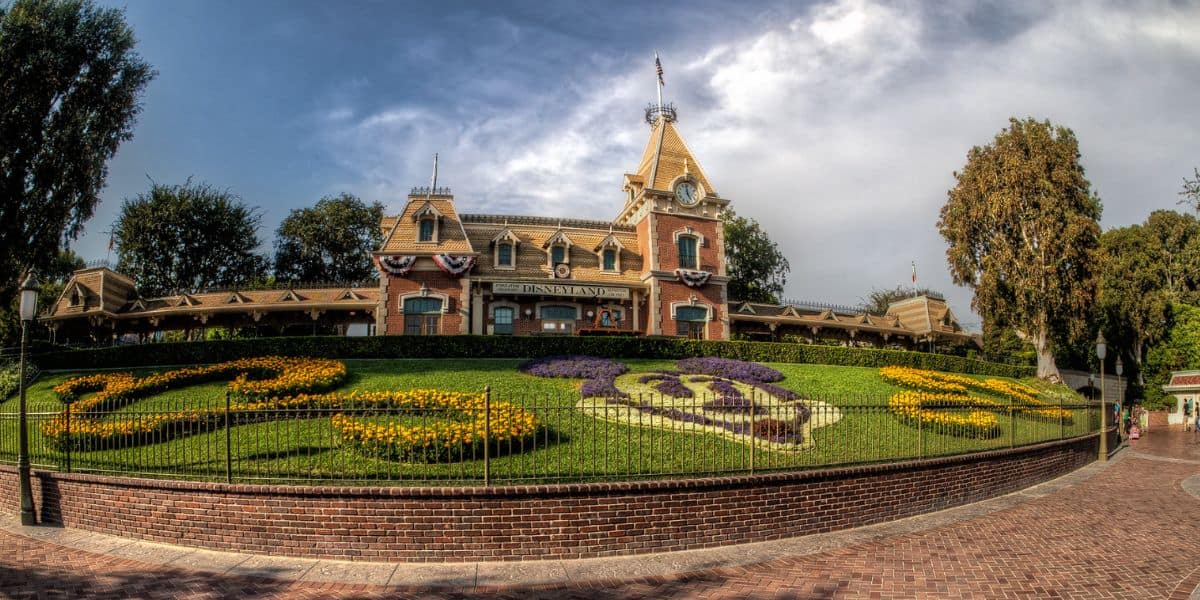
Transportation infrastructure rarely captures headlines until it disappears, at which point its absence becomes glaringly obvious to everyone who relied on it without realizing how essential it had become. The Anaheim Resort Transportation system, known universally as ART, has quietly served millions of annual riders throughout the Disneyland Resort area for years, providing crucial connections between hotels, the Toy Story parking lot, shopping destinations, and the theme parks themselves.
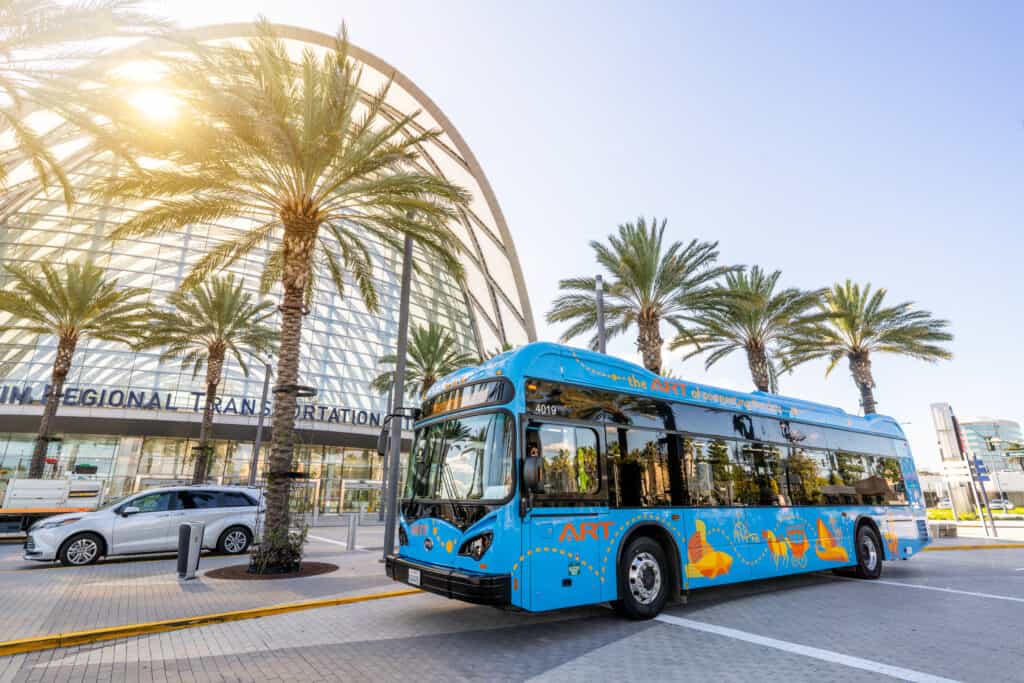 Credit: ART Bus Service
For visitors staying at hotels without their own shuttle services, ART buses represented the practical solution enabling car-free Disneyland vacations. For locals navigating the Anaheim area without vehicles, ART provided access to employment, entertainment, and essential services. The bright, distinctive buses became fixtures of the Anaheim landscape, their routes weaving through the tourism corridor that defines the city’s economic identity. That familiar presence is now disappearing faster than many expected.
The Anaheim Transportation Network, which operates the ART bus system, announced in January 2026 that it would cease all operations after March 31, 2026, citing insurmountable financial challenges despite exhausting all available options to continue service. The announcement sent shockwaves through the Disneyland Resort community, raising immediate questions about how hotels would transport guests, how employees would reach work, and what alternatives might emerge to fill the transportation void. Now, as February progresses, the promised “orderly wind-down” has begun in earnest with route consolidations and service eliminations that mark the beginning of the end for a transportation system that has served the Anaheim area for decades.
Route Consolidations Signal Beginning of End
 Credit: Video Screenshot, Instagram, @iamnojedi_either
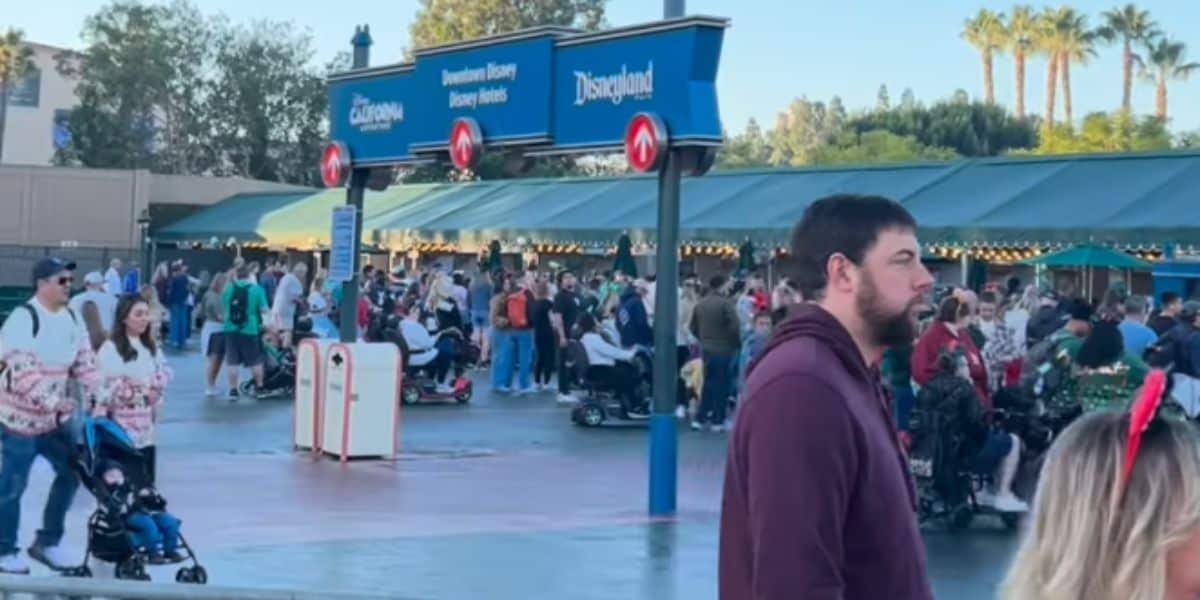
As of February 7, 2026, ART has implemented its first service reductions as part of the shutdown process. Routes 9 and 11 now operate as one combined service rather than maintaining separate schedules and pathways. Destinations previously served distinctly by these routes will continue receiving service through the consolidated route and via the Katella Avenue/Ball Road Line.
These consolidations represent the practical reality of winding down a transportation network. As the March 31 shutdown date approaches, maintaining full service across all routes becomes financially untenable for an organization already facing the budget crisis that precipitated the closure decision. Combining routes reduces operational costs while theoretically maintaining access to key destinations, though riders accustomed to specific schedules and pickup locations will experience disruptions.
The ATN’s original closure statement acknowledged this transition period, promising coordination and transparency as services conclude responsibly. The route consolidations fulfill that commitment while simultaneously demonstrating how quickly essential services can deteriorate once the decision to shut down has been made.
On-Demand Service Ending March 1
 Credit: Steven Miller, Flickr
Beyond route consolidations, ART will discontinue its on-demand service effective March 1, 2026, nearly a month before the system’s complete shutdown. The on-demand service covered various Anaheim-area destinations including local hotels, the Outlets at Orange, the Anaheim Indoor Marketplace, and other stops without regular service elsewhere in the network.
This on-demand component provided crucial flexibility for riders whose needs didn’t align with fixed route schedules or standard destinations. Its early elimination removes options for residents and visitors navigating areas outside the main tourism corridor, creating immediate transportation gaps even before the full system closure.
The March 1 cutoff also serves as a preview of the broader accessibility challenges that will emerge once ART ceases operations entirely on March 31. Communities and businesses that relied on on-demand service now face immediate questions about alternative transportation options with limited time to establish new patterns or providers.
Impact on Disneyland Hotel Guests
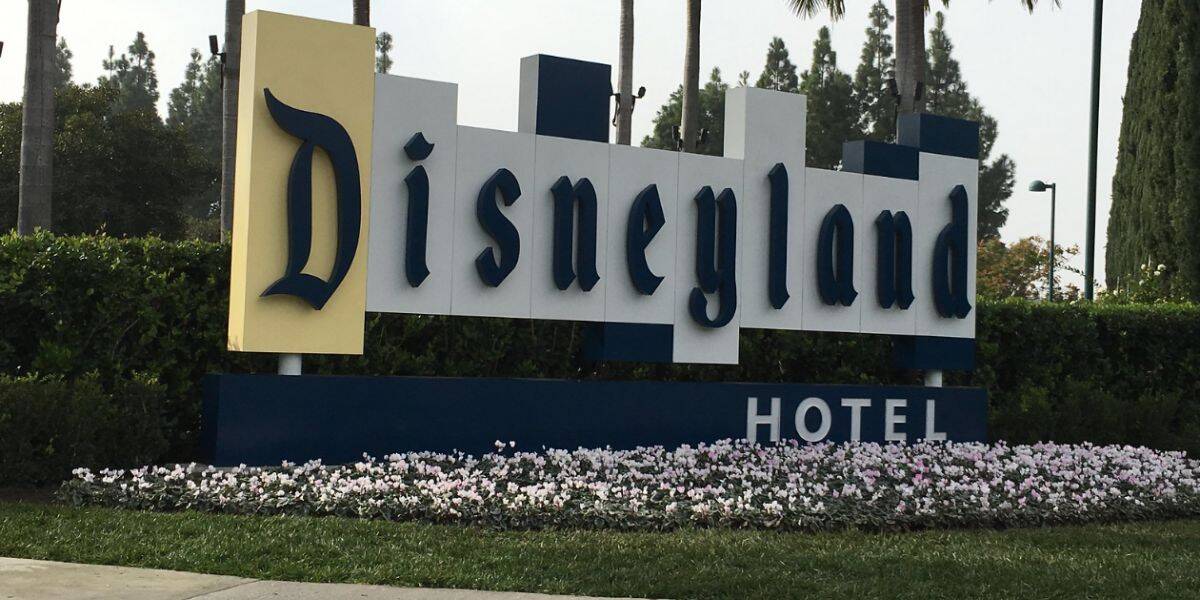
Disneyland Resort guests may recognize ART most readily through hotel shuttle services that transported visitors between their accommodations and the Toy Story parking lot. These shuttles provided essential connections for guests staying at hotels without dedicated Disney transportation, enabling access to the parks without navigating congested Anaheim streets or paying for parking.
Disney officials have confirmed that shuttle service from the Toy Story Parking Area will continue even after ART’s shutdown, though specific details about the replacement shuttle service remain unavailable. This commitment provides some reassurance for guests with upcoming Disneyland vacations, though the transition’s logistics remain unclear.
Questions persist about who will operate replacement shuttles, what routes they’ll serve, whether service frequency will match current ART schedules, and how the transition will be communicated to hotels and guests. The lack of detailed information creates uncertainty for both visitors planning trips and hospitality businesses that have incorporated ART service into their guest offerings.
Anaheim’s Search for Replacement Solutions
 Credit: Inside the Magic
The City of Anaheim is reportedly exploring options to maintain connections between locations currently served by ART following the system’s shutdown. However, no concrete plan for replacement service has been announced as the March 31 deadline approaches.
This lack of announced alternatives reflects the complexity of replacing an established transportation network. ART’s operations involved coordinating routes, schedules, vehicles, drivers, maintenance, and funding across a sprawling service area serving diverse constituencies. Replicating that infrastructure quickly presents enormous logistical and financial challenges, particularly for a city government facing its own budget constraints.
The tourism industry’s reliance on ART creates pressure for solutions, but political and financial realities may limit Anaheim’s ability to implement comprehensive replacement service. Private shuttle operators, hotel-specific transportation, and rideshare services may partially fill gaps, but likely won’t match ART’s coverage or affordability.
Broader Transportation Context in Southern California
The ART shutdown occurs against a backdrop of broader public transportation challenges throughout Southern California. Transit systems across the region face declining ridership following pandemic-era disruptions, rising operational costs, and political debates about funding priorities. ART’s closure represents a microcosm of these larger struggles.
Tourism-dependent areas like the Disneyland Resort corridor present unique transportation challenges. Demand fluctuates dramatically based on seasonal visitation patterns, special events, and convention schedules. Operating financially sustainable transportation serving this variable demand while maintaining accessibility for residents and workers creates tensions that ART apparently couldn’t resolve.
The shutdown also highlights how transportation infrastructure supporting theme park destinations often operates in precarious financial positions despite serving essential functions. When these systems fail, the resulting gaps affect workers, residents, and visitors simultaneously.
Downtown Disney Construction Continues
While transportation changes reshape access to Disneyland Resort, construction continues throughout Downtown Disney as the shopping, dining, and entertainment district undergoes multiple renovation projects. Recent additions include temporary fencing and green scrim blocking a walkway and landscaping bed near Salt & Straw.
Unlike typical construction walls at Disney properties, the scrim-covered barriers remain low enough that guests can observe work inside. Visible equipment includes landscaping materials, painting supplies, and what appears to be a new tree and shrubs. The barriers may remain in place until new plantings establish sufficient root systems to withstand guest traffic.
Larger Downtown Disney projects include completing construction at the former Tortilla Jo’s location, where two new restaurants from Michelin-starred Chef Joe Isidori will open later in 2026. Arthur & Sons Steak and Bourbon and Pearl’s Roadside BBQ represent significant dining additions to the district.
Construction also continues on a permanent two-story Earl of Sandwich location replacing temporary pop-up restaurants. The new building will house both a quick-service Earl of Sandwich restaurant and Gordon Ramsay at The Carnaby, a British Invasion-themed tavern.
These ongoing projects demonstrate Disney’s continued investment in Downtown Disney even as transportation access faces uncertainty following ART’s closure.
Planning Disneyland Visits During Transportation Transition
Guests with Disneyland Resort reservations between now and April should verify transportation arrangements with their hotels to understand how ART’s service reductions and eventual shutdown affect their specific situations. Hotels previously relying on ART may be implementing alternative shuttle arrangements or modifying guest transportation offerings.
For visitors accustomed to using ART for transportation between hotels and parks, confirming that replacement shuttle service will be available for your specific travel dates prevents arrival-day surprises. If your hotel can’t confirm shuttle availability, consider alternative transportation arrangements including rental cars, rideshare services, or booking accommodations within walking distance of park entrances.
The uncertainty surrounding replacement services makes flexibility particularly valuable for upcoming visits. Building extra time into travel plans accounts for potential transportation complications during this transition period.
What Comes Next for Anaheim Area Transportation
The March 31 shutdown represents a definitive ending for ART as currently constituted, but the transportation needs it served won’t disappear. Anaheim’s tourism economy depends on moving millions of annual visitors between hotels, theme parks, convention facilities, and commercial districts. Workers need access to employment throughout the area. Residents require transportation for daily life activities.
Some combination of private shuttles, expanded rideshare operations, hotel-specific transportation, and potentially new public transit initiatives will eventually fill portions of the void ART leaves. However, the transition period between ART’s closure and establishment of comprehensive alternatives will likely create significant disruptions and accessibility challenges.
If you’re planning a Disneyland trip between now and summer, call your hotel directly and ask specifically about their shuttle plans once ART shuts down. Don’t assume anything about transportation availability based on previous visits or what hotel websites currently say, because everything’s in flux right now. If you can’t get clear answers about how you’ll get from your hotel to the parks, seriously consider switching to a hotel within walking distance or one of the official Disney hotels with guaranteed transportation. The last thing you want is to arrive in Anaheim ready for your vacation only to discover there’s no reliable way to actually reach Disneyland without spending a fortune on rideshares or rental cars. And for locals who rely on ART for work or daily transportation, start identifying backup options now rather than waiting until the end of March when the system actually shuts down and you’re scrambling to figure out how to get where you need to go.