
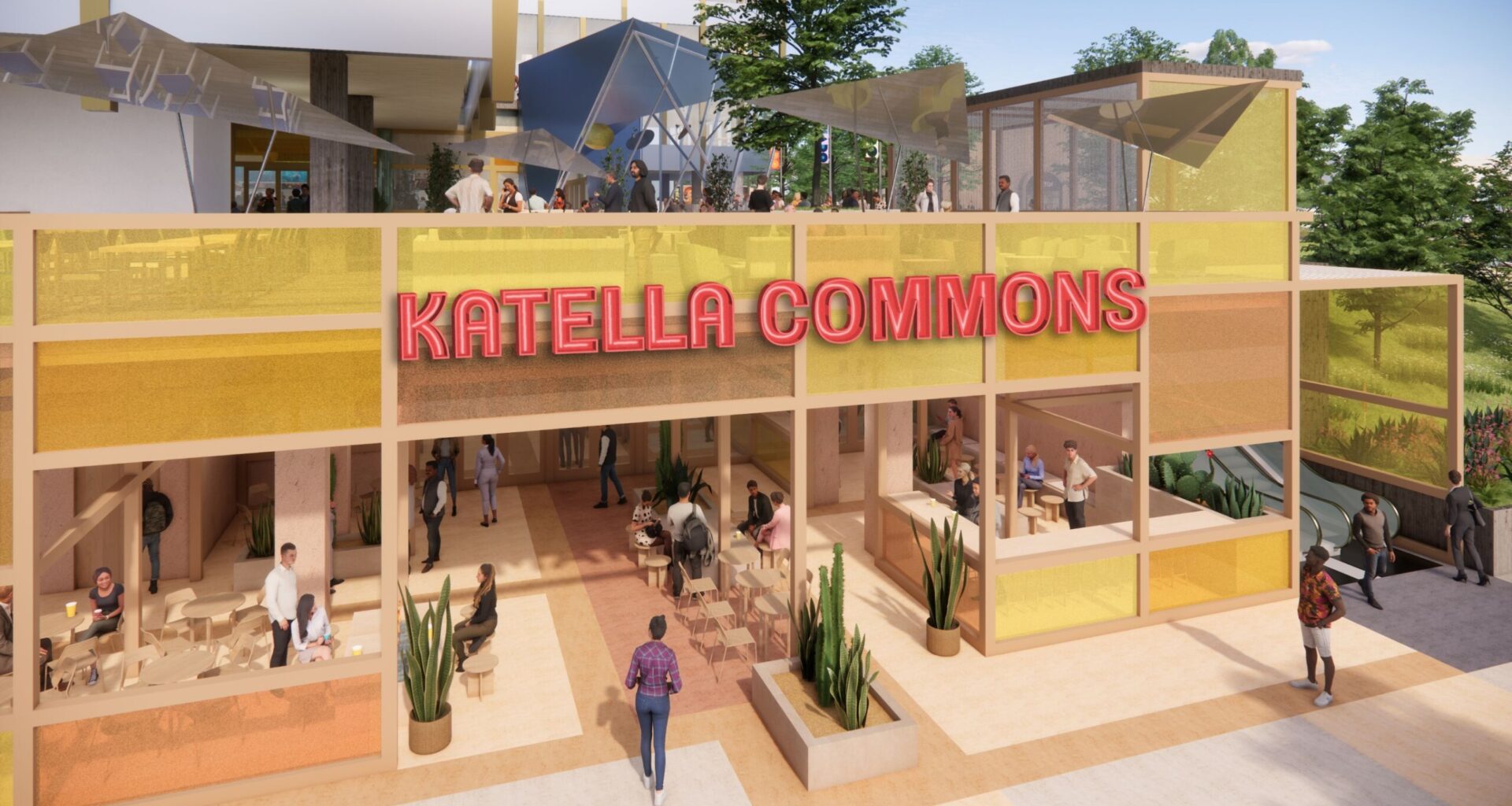

Anaheim is about to get a serious hospitality upgrade. And if you’re in the food and beverage industry, this is one you’ll want to watch closely.
OCVIBE just unveiled Katella Commons, a 50,000-square-foot, two-story market hall that’s rewriting the playbook on what a modern dining destination can be. Opening in early 2027, this isn’t your typical food hall with a handful of vendors and some communal seating. We’re talking 21 chef-driven kitchens working alongside six completely distinct bar and lounge concepts: all under one roof, designed to flow seamlessly from morning coffee to late-night cocktails.
This is part of a $5 billion privately funded development transforming the 100-acre area around Honda Center, and it signals a major shift in how Orange County approaches hospitality, nightlife, and culinary programming.
Why Katella Commons Is Different
Let’s be real: food halls have been having a moment for the past decade. But many have followed the same formula: grab-and-go counters, shared seating, minimal beverage programming. Katella Commons is taking a different approach by integrating bar and lounge culture directly into the market hall experience.
“Every kitchen, bar, and lounge within the OCVIBE district is intentionally designed to encourage discovery and give guests the freedom to experience the space and the food in their own way,” says Nick Pacific, Vice President of Katella Commons Operations.
The space is centrally located within OCVIBE, just below The Weave (the county’s first mass timber office building in a mixed-use development), and connects directly to the district’s central plaza. That means it’s designed to function as a true gathering place: not just a lunch spot, but a legitimate day-to-night social hub for both locals and visitors.
The Six Bar Concepts Redefining Anaheim’s Nightlife
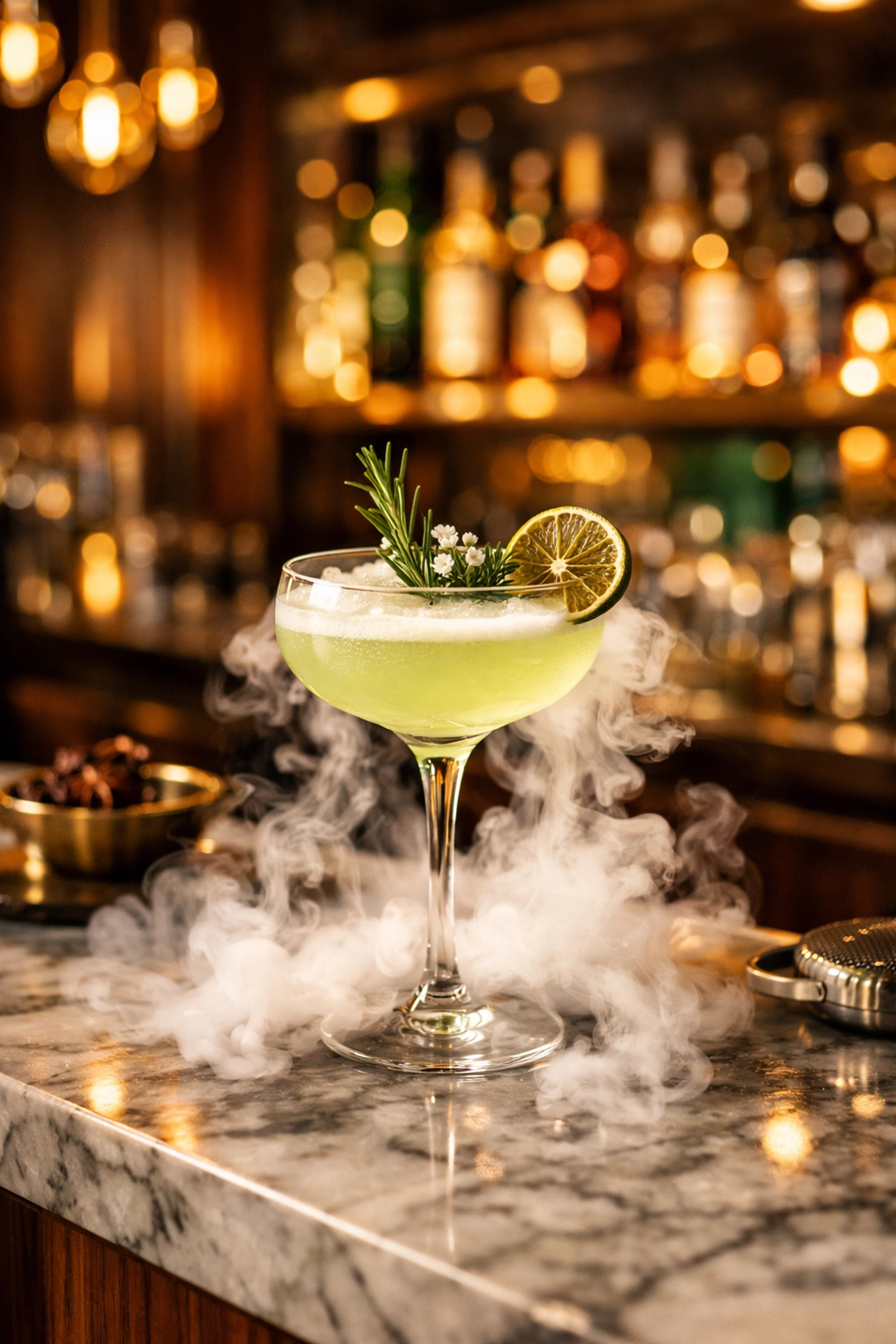
Anaheim has built a solid reputation around its brewery culture. But these six bar and lounge concepts bring something new to the table: craft cocktails, curated wine programs, botanical spirits, and late-night experiences that expand what “going out” looks like in Orange County.
Here’s the lineup:
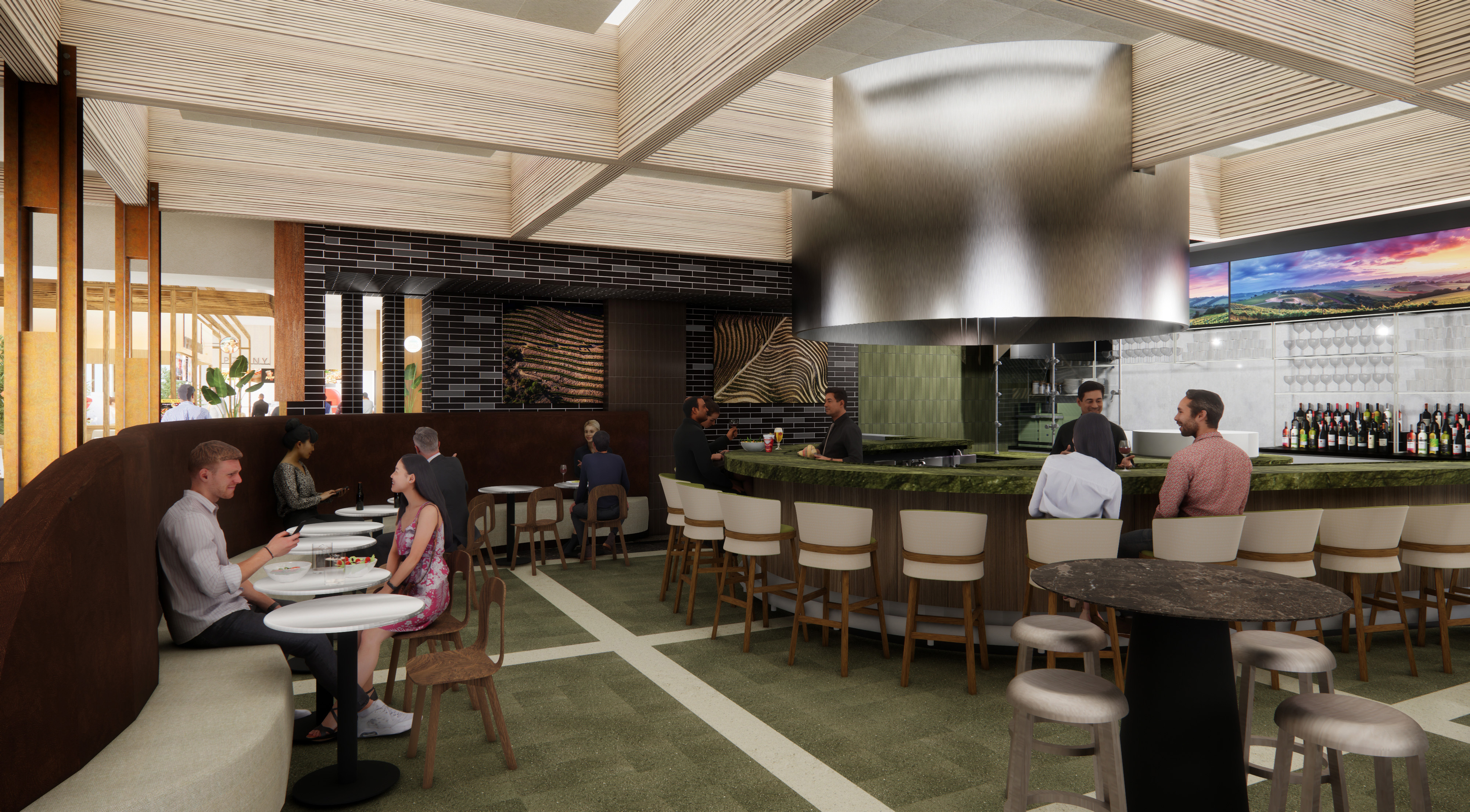
Bar Bacchia
Think wine caves meet ancient rituals. This moody tasting bar is all about amaro-forward cocktails, curated wines, and intimate pop-up tastings. It’s designed for the guest who wants to slow down, ask questions, and explore lesser-known bottles and bitters. Expect low lighting, intentional design, and a beverage program that leans into discovery.
Vesper Lounge
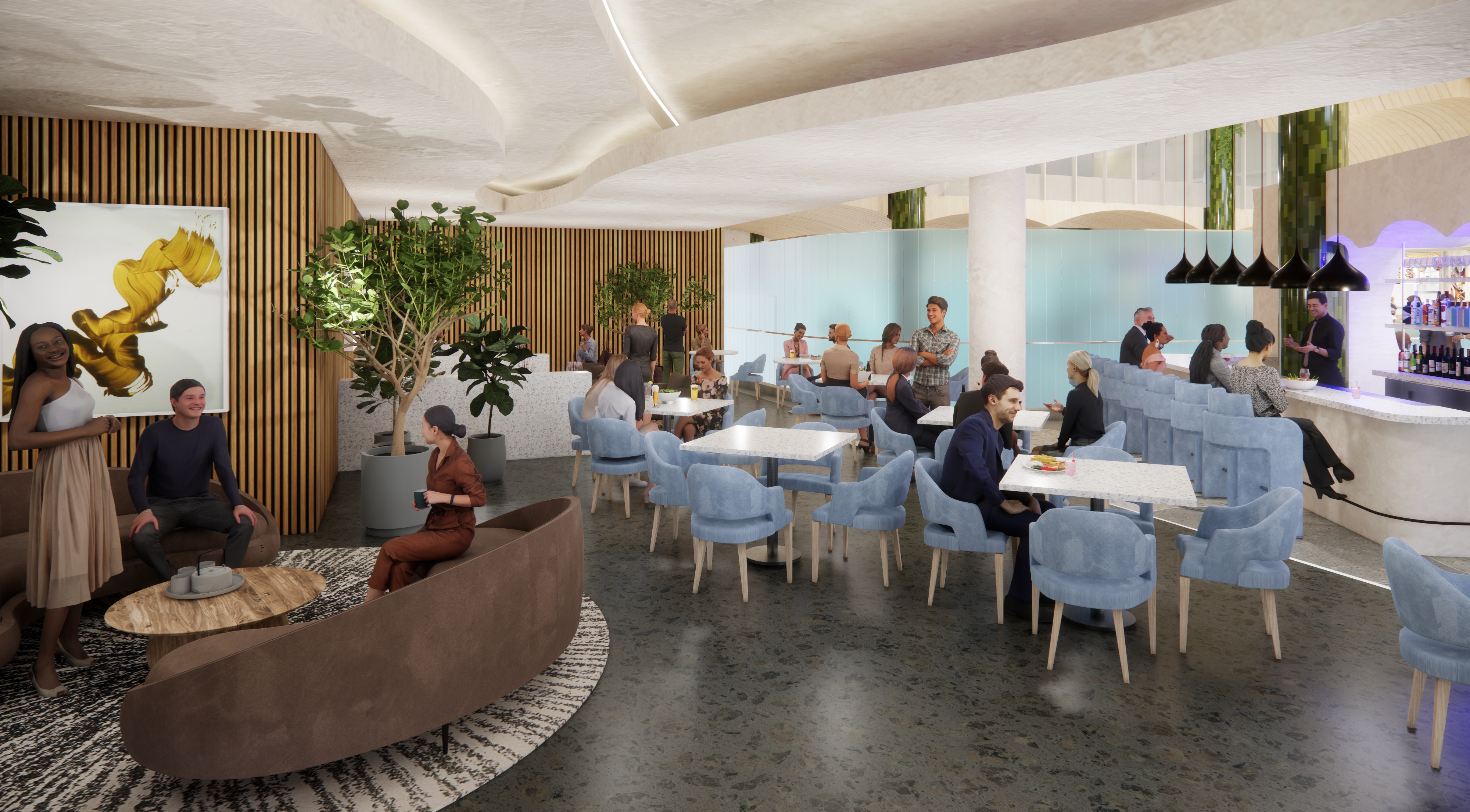
If you’re into Japanese and Scandinavian design principles: clean lines, natural materials, understated elegance: this is your spot. Vesper Lounge focuses on gin, martinis, spritzes, and botanical spirits. It’s a calm, refined experience that prioritizes clarity and precision in both design and drink.
Barrel Bar
A European café-style concept built to transition smoothly from day to night. Morning coffee? Check. Afternoon spritzes? Absolutely. Classic cocktails, beer, wine, and globally inspired small plates round out the menu. This is the kind of place where you can post up with a laptop at 2 p.m. and stay through happy hour without feeling out of place.
Rea’s Ranch
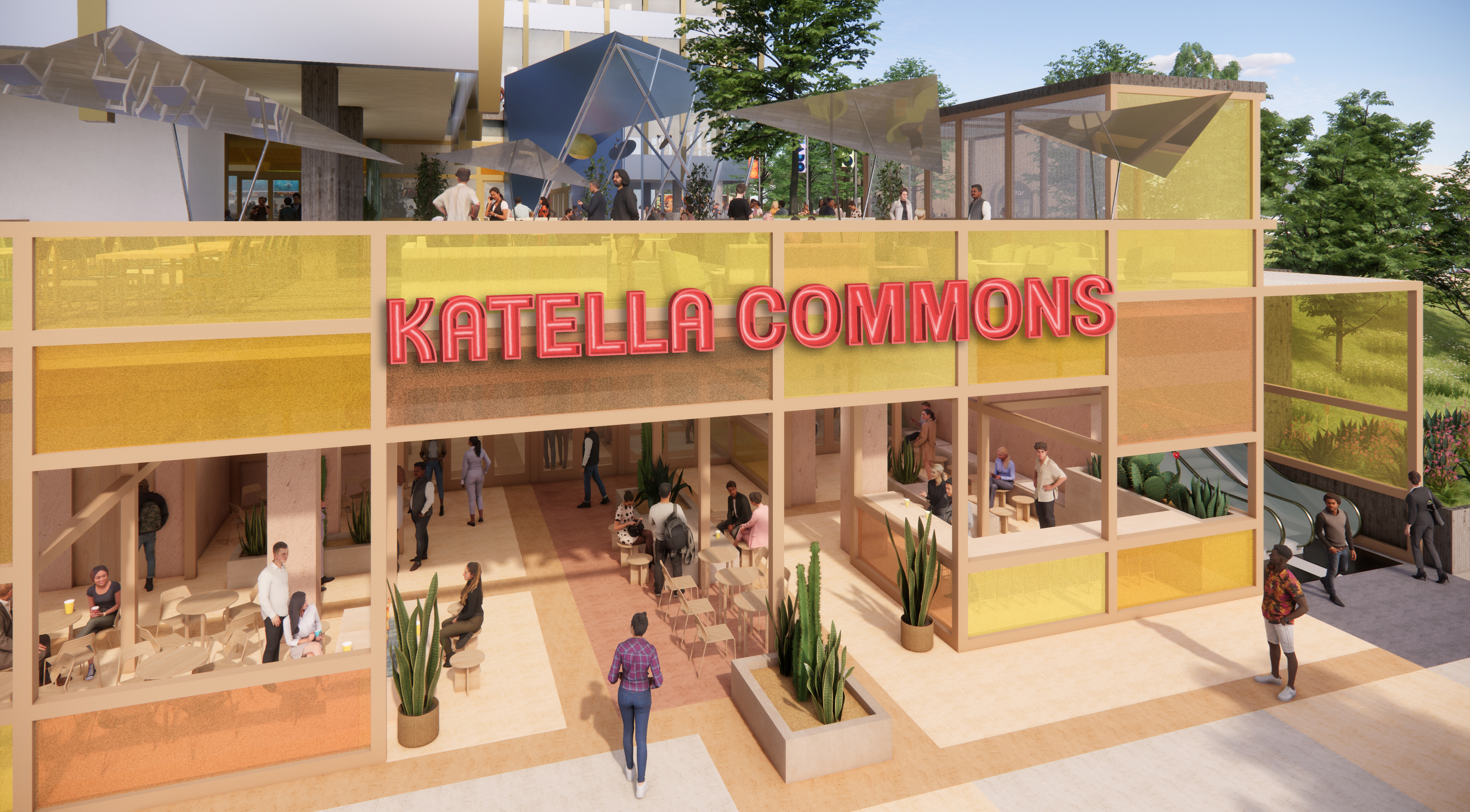
Named as a nod to the historical roots of the Katella name (more on that below), Rea’s Ranch brings a relaxed, beer-garden vibe with California desert character. Draft beers, natural wines, and daytime coffee service come together in an open, porch-style environment. It’s the kind of space that feels effortless: perfect for grabbing a cold one after work or settling in for a weekend afternoon hang.
The Greenery Space
Wrapped in lush plants and designed as a social gathering point, this concept leans into tropical vibes with frozen drinks, cocktails, and modern classics. It’s positioned as the literal heart of Katella Commons: the place where groups converge, celebrations happen, and the energy stays high.
The ’70s Glam Meets ’80s Maximalism Pavilion
This one’s bold. Think late ’70s glamour colliding with early ’80s excess: visually striking cocktails, saturated colors, high-energy design, and a party-ready atmosphere. It’s unapologetically theatrical, and it’s exactly the kind of space that will dominate Instagram feeds and become a destination in its own right.
Chef Rémi Lauvand Brings World-Class Culinary Vision
When you’re building a market hall with 21 kitchens and six bars, you need someone who understands not just food, but how all the pieces fit together. Enter Chef Rémi Lauvand.

Born and raised in France, Chef Rémi trained in some of the most respected kitchens in Paris and New York, including working as sous chef alongside Daniel Boulud. He later spent several years as Executive Chef of Montrachet in Tribeca, where his refined, expressive cuisine earned serious acclaim.
Now based in Los Angeles, Lauvand is known for blending classical techniques with creative improvisation. His background in food science gives him a unique perspective on flavor development and concept execution: exactly the kind of expertise needed to shape a project this ambitious.
“People today care deeply about how their food and drinks are made,” says Chef Rémi. “They want to understand ingredients, sourcing, and technique, and they’re excited to ask questions and try things themselves.”
That philosophy is baked into the DNA of Katella Commons. This isn’t about passive dining: it’s about engagement, discovery, and giving guests the knowledge and access to make informed choices.
The Name: Honoring Anaheim’s Roots
The name “Katella Commons” isn’t random. It’s a direct nod to Katella Avenue, which runs through the district and dates back to the late 1800s. Early settler John Rea named his ranch “Katella” by combining the first names of his two daughters: Kate and Ella Rea.
It’s a small but meaningful detail that ties the project back to the area’s agricultural and family-centered history. In an era where so many developments feel disconnected from their surroundings, this kind of intentional storytelling matters.
What This Means for the Food and Beverage Industry
Katella Commons represents a broader trend we’re seeing across the hospitality industry: the blurring of lines between dining, drinking, and social experience. Operators are moving away from single-use concepts and toward integrated destinations that can serve multiple needs throughout the day.
For restaurant and bar operators, there are a few key takeaways here:
1. Day-to-night programming is critical. Concepts that can pivot from coffee to cocktails, from brunch to late-night bites, are maximizing real estate and labor efficiency.
2. Beverage-forward design is gaining traction. Bars and lounges are no longer afterthoughts: they’re primary draws with distinct identities and dedicated fanbases.
3. Curation and expertise drive loyalty. Guests want to learn, not just consume. Concepts that prioritize education, transparency, and discovery are building deeper connections with their audiences.
4. Integrated experiences create competitive moats. Standalone restaurants face increasing competition. But when you’re part of a larger ecosystem: like Katella Commons: you benefit from shared traffic, cross-promotion, and a built-in sense of place.
As OCVIBE continues to develop (with a full completion target of 2033), Katella Commons will serve as the anchor for 35+ dining experiences, 2,500 residences, three entertainment venues, and 20 acres of open space. It’s one of the largest private investments ever made in Southern California, and it’s setting a new standard for mixed-use hospitality development.
If you’re a food and beverage director, hospitality manager, or culinary professional watching how the industry is evolving, Katella Commons is a case study worth following. This is what happens when culinary vision, intentional design, and long-term investment come together.
And if you’re planning a trip to Anaheim in 2027? Clear your schedule. This is going to be good.
Want to stay ahead of the latest food and beverage trends, restaurant innovations, and hospitality technology? Subscribe to Food & Beverage Magazine for weekly insights delivered straight to your inbox. And if you’re leading a culinary or beverage concept that’s pushing the industry forward, reach out to our team: we’d love to feature your story.
Written by Michael Politz, Author of Guide to Restaurant Success: The Proven Process for Starting Any Restaurant Business From Scratch to Success (ISBN: 978-1-119-66896-1), Founder of Food & Beverage Magazine, the leading online magazine and resource in the industry. Designer of the Bluetooth logo and recognized in Entrepreneur Magazine’s “Top 40 Under 40” for founding American Wholesale Floral. Politz is also the founder of the Proof Awards and the CPG Awards and a partner in numerous consumer brands across the food and beverage sector.