
What’s at stake?
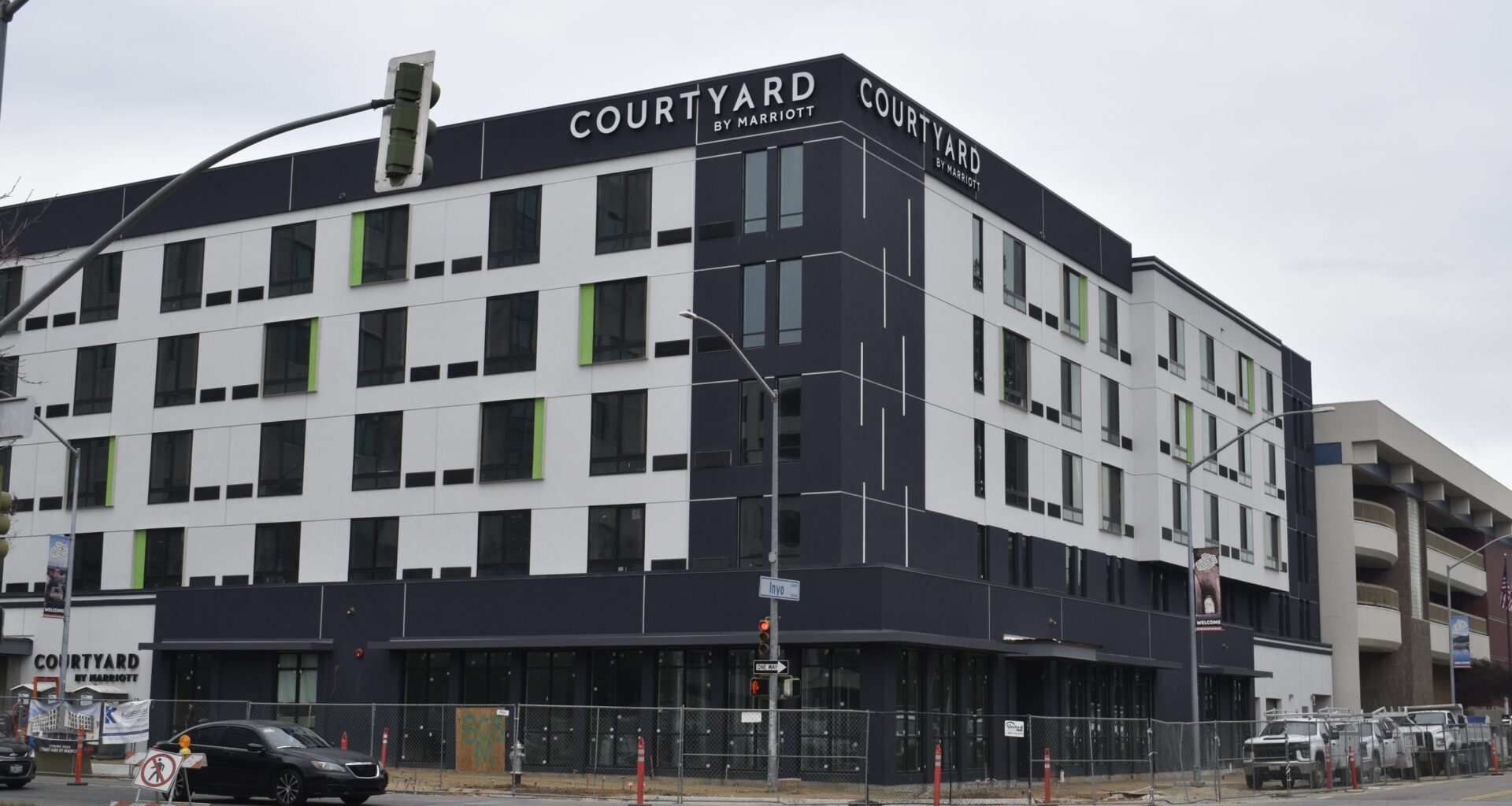
Fresno County could be asked whether they want to implement a Transient Occupancy Tax, a fee for out-towners staying at local hotels and other short-term rentals. The county could stand to gain over $5 million in tax revenue from the measure, with little, if any, coming from local residents
The board of supervisors unanimously agreed to direct county staff to work on getting a Transient Occupancy Tax in the works in Fresno’s unincorporated areas, a move that could see the region gain over $5 million in revenue.
A Transient Occupancy Tax is a fee imposed on guests of hotels, short-term rentals and other lodgings for stays of about 30 days or fewer. County residents would not pay the tax, only short-term visitors.
Transient Occupancy Taxes typically cover services like public safety and infrastructure maintenance, especially in the areas surrounding the taxed properties. That’s not the case right now, according to Paul Nerland, the county administrative officer.
“But rather, local county residents essentially are supplementing the services for tourists in the area,” Nerland said at the Tuesday meeting.
Fresno County Supervisor Nathan Magsig, a Republican who represents the western Sierra region, said he supports the proposed tax. He cited cabins and other short-term rentals at Shaver Lake that draw services from the fire department, sheriff’s office and waste management — all which local residents pay for.
The cities of Clovis and Fresno have a 12% tax on short-term rentals, according to Magsig.
Fresno is one of three counties in the state that does not have a tax on short-term visitors, the others being Colusa and Orange counties. However, Fresno is the only one of the three that has taxable properties in its unincorporated areas.
Paige Benavides, the county’s budget director, said the county stands to gain as much as $5.3 million in tax revenue by adding the fee. She later added that the number takes into account about 1600 units of hotels and campgrounds, and 660 in short-term rentals.
Nerland also said the decision to look toward implementing the new tax was spurred, at least in part, by the county’s need to develop new revenue sources.
Before ultimately supporting the measure, the board acknowledged that it’s always a challenge to get residents to pass a tax. Though this tax won’t affect local residents, they also mentioned the risk of confusing voters with a crowding of proposed tax measures on the ballot this year, with two alone likely coming in the fallout of Measure C.
“We know there’s a group trying to put a very flawed measure related to Measure C on the ballot,” said Board Chair Garry Bredefeld, critical of a recently announced signature-backed transportation tax proposal. He added that the county is also looking toward adding their own competing general tax in the election.
Nerland said county staff would be on a “tight timeline” to add the measure before voters in November. Public hearings on the proposed tax could come in April, with the board being able to approve the measure as early as June, leaving county staff with about four months to engage in public outreach to get the measure passed.
County staff said the transient occupancy tax could return in 2028 if it fails to make the deadline to get on this year’s ballot.
Supervisor is critical of recent ICE protest by FUSD students, staff
A wave of protests against the federal Immigration and Customs Enforcement agency deportation operations has been constant across the country this year. Locally, some recent protests have been staged by students of the Fresno Unified School District.
Bredefeld was critical of the students’ protests, saying on Tuesday that they “raise serious concerns about student safety, educational priorities and, frankly, the lack of leadership at Fresno Unified.”
Bredefeld has been one of ICE’s biggest vocal supporters locally, recently publishing multiple editorials and holding a news conference with local leaders on the issue last month.
The Old Fig Garden-area supervisor has mentioned in previous statements that ultimately supports these protestors’ right to voice their opinions, as provided by the First Amendment. However, he said that he takes issue with FUSD participation in the protests, which he said includes staff chaperoning and encouraging demonstrations.
“These student walkouts at Fresno Unified are a reflection that the superintendent, its administrators and the school board members continue to fail these students miserably,” Bredefeld said, “and that remains completely unacceptable.”
AJ Kato, communications manager for FUSD, told Fresnoland in a statement over email that they encourage students to stay on campus “by giving them alternate options of expression.” She also said that they cannot “physically restrain” students from leaving campus.
Kato added that the FUSD does what it can to balance students’ “right to peacefully protest” with the district’s “commitment to ensuring student safety,” including partnering with the Fresno Police Department to clear the students who choose to leave campus away from hazards like traffic.
Board continues to support Sanger modular housing project
Fresno County will submit an application for about $31.7 million in state housing funds toward the development of a modular housing development in Sanger.
The application was approved unanimously at the top of Tuesday’s meeting by a procedural vote.
The development was first approved by the Board last year following the death of a proposed housing project in Old Fig Garden.
The Sanger project is looking to add 88 homes.
Fresno has seen some modular developments, including the ribbon cutting of a community of three-bed, two-bath homes last month. Modular homes are considered cheaper and faster to build.
Related