
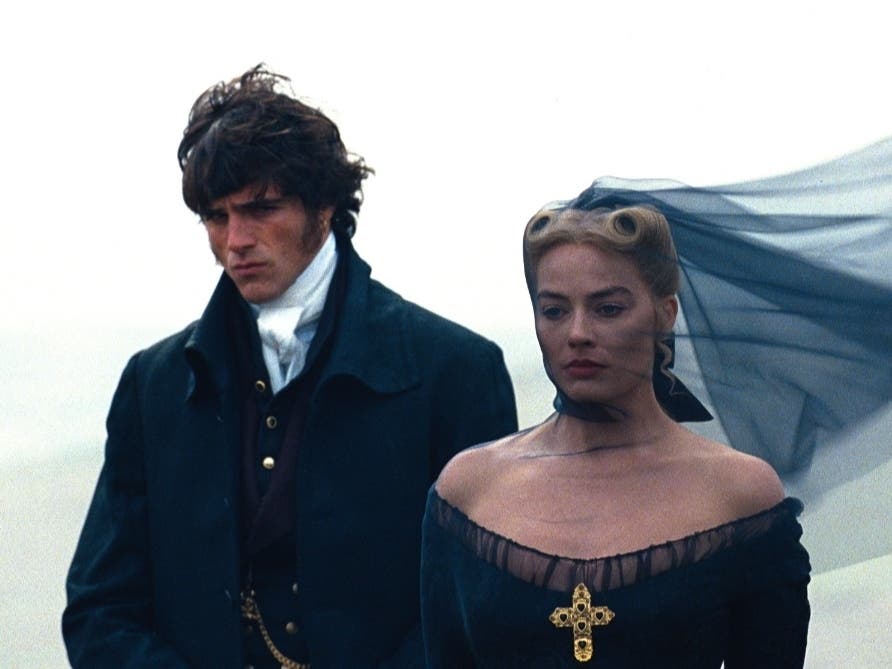
LOS ANGELES, CA — Emerald Fennell’s “Wuthering Heights” erupts in a tempest of two longing souls— a collision of class and passion that swells between calm and catastrophe, and a heartbreak as lingering and unyielding as the fog blanketing the Yorkshire moors. Anchored by Jacob Elordi and Margot Robbie’s magnetic turns as star-crossed lovers Heathcliff and Catherine, the film becomes a stark, haunting portrait of love and yearning.
As in the razor‑edged provocation of “Promising Young Woman” and the baroque excess of “Saltburn,” Fennell again navigates desire at its most volatile — a landscape where passion mutates into obsession and love transforms into something ravenous. Her artistic signature remains unmistakable: lush, confrontational, attuned to the ways emotional extremities can warp into something corrosive.
In this reimagining of Emily Brontë’s novel, the writer-director channels that vision through a modern, erotically charged rendering of the past, placing Fennell in conversation with filmmakers like Sofia Coppola in “Marie Antoinette” and Yorgos Lanthimos in “The Favourite.” Each recasts period settings with contemporary emotional immediacy.
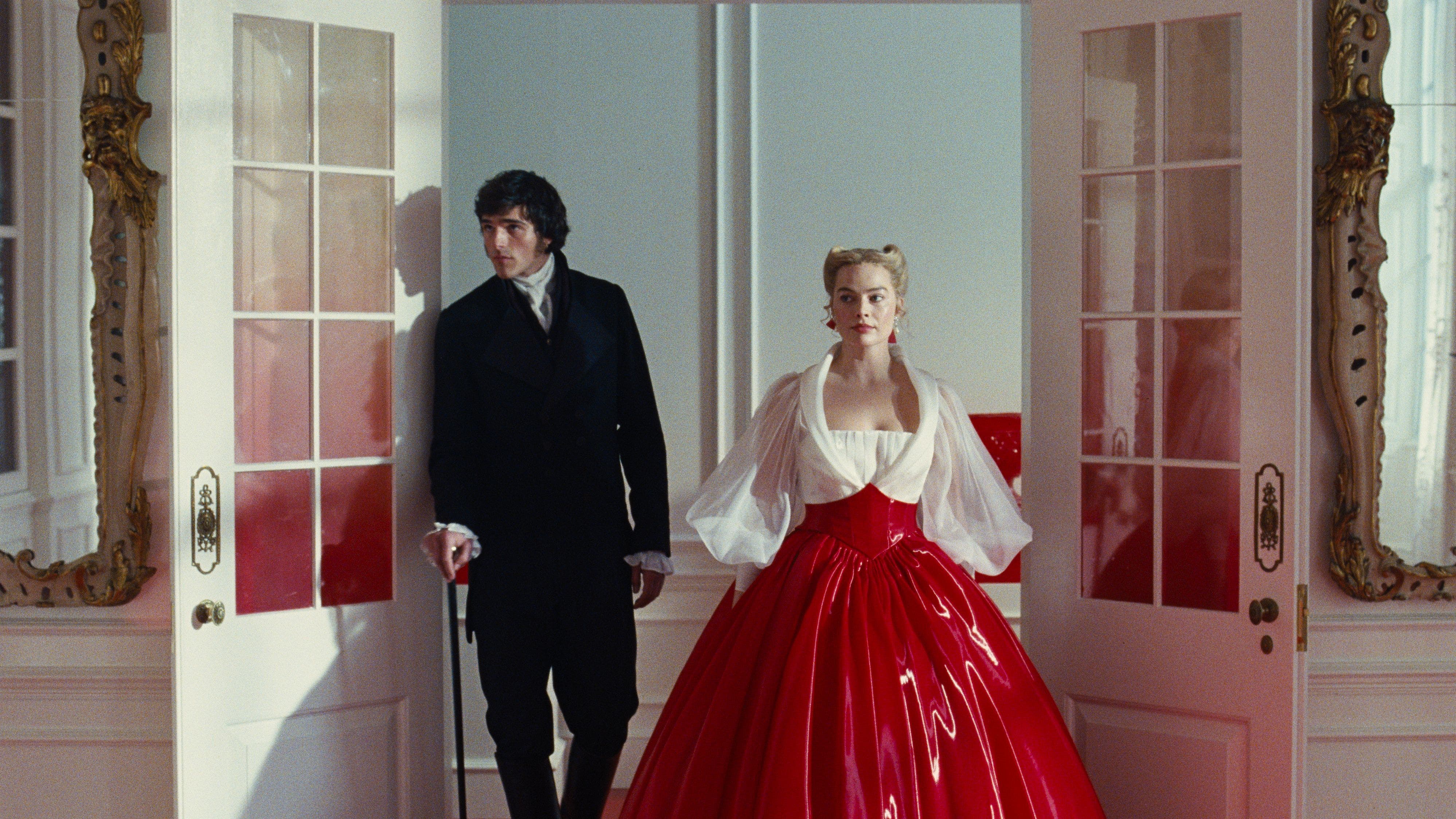 Jacob Elordi (left) and Margot Robbie in Emerald Fennell’s “Wuthering Heights.” (Warner Bros. Pictures)
Working within that charged, anachronistic frame, Fennell turns to the story’s central bond: the turbulent connection between Heathcliff — a bruised, volatile figure shaped by early childhood abuse — and Catherine, whose wild, untamable spirit both mirrors and provokes his.
Their romance deepens, but their bond gets tested as Catherine gravitates toward the privilege and affluence Edgar Linton (Shazad Latif) offers — a painful contrast to Heathcliff’s precarious circumstances. What once felt unbreakable begins to strain, spiraling toward a rupture that will consume them both.
Out of this devastation, Fennell reshapes “Wuthering Heights” with a sensibility as tempestuous as it is deliberate, leaning into the story’s pseudo‑masochistic core — a love that is wounding, compulsive, inescapable. She approaches Brontë’s material not as a period piece but as a romance rotting from within, its passions festering into something raw. The result feels brutally honest, brimming with an emotional clarity that is modern yet timeless.
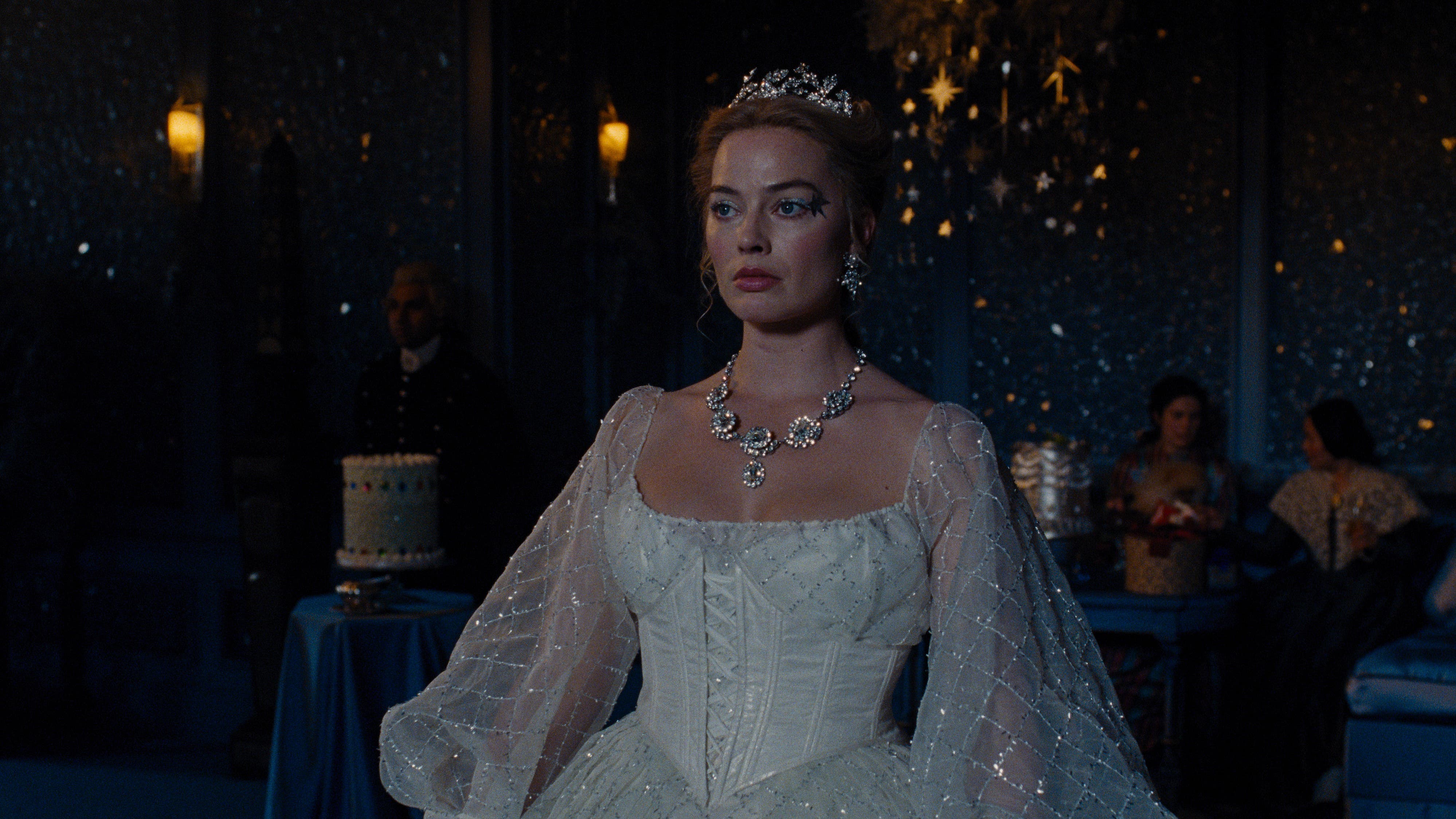 Margot Robbie in Emerald Fennell’s “Wuthering Heights.” (Warner Bros. Pictures)
Much of the film’s power lies in the leads. Robbie and Elordi charge “Wuthering Heights” with a combustible ferocity. Robbie plays Catherine with storm‑touched volatility, her gaze flickering between feral impulse and aching longing. Elordi, meanwhile, brings both menace and vulnerability to Heathcliff, his imposing physicality radiating a moor‑born virility that feels Byronic and dangerously alive. Around them, the supporting cast offers nuanced counterpoints — Hong Chau’s steady Nelly, Latif’s restrained Edgar, and Alison Oliver’s fragile Isabella.
If the film courts any real risk, it’s in its sheer seductiveness and modern anachronisms — a provocatively overripe sensuality that is potent, intoxicating, destabilizing. At times, the erotic charge becomes so intense it risks feeling gratuitous.
For viewers expecting a more austere Brontë‑esque bleakness, that sensuality may prove divisive. Yet even in its most polarizing passages, the film’s feverish intensity feels purposeful — a reflection of Fennell’s bold vision. Bruised. Volcanic. Lived‑in. Honest in its extremity.
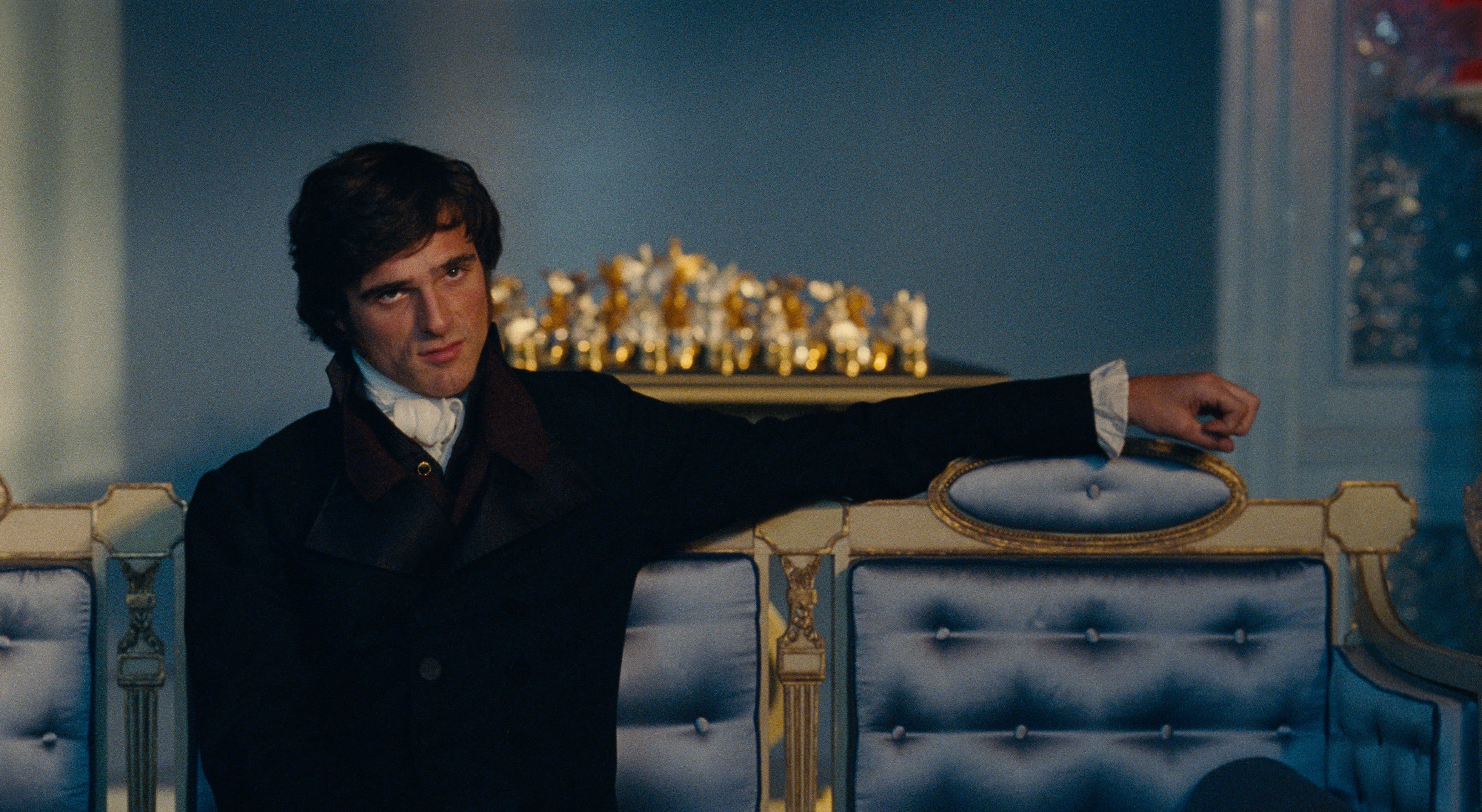 Jacob Elordi in Emerald Fennell’s “Wuthering Heights.” (Warner Bros. Pictures)
Visually, Linus Sandgren renders a world of sensual intensity: moors as volatile emotional terrain; Thrushcross Grange, the Linton family’s privileged estate, gleaming with a seductive modern sheen; Wuthering Heights, the Earnshaw home, weather‑scarred and eroding toward eternity; and the couple’s intimate moments sparking with a raw, unbridled pull — all serving Fennell’s vision of a bond pulsing between beauty and danger.
Composer Anthony Willis’ score swells with destructive tides on an operatic scale. Charli XCX’s sparing contributions add a contemporary edge. Together, they shape a soundscape that feels at once mythic and immediate, deepening the film’s sense of longing and devastation.
In the end, Fennell’s “Wuthering Heights” becomes a reminder that love wounds as often as it sustains — and some hearts break, and keep breaking, because some emotional storms never pass. Robbie and Elordi embody this volatile passion with bruising clarity, held beneath the ravishing romantic‑gothic spell Fennell casts with such unflinching ferocity.
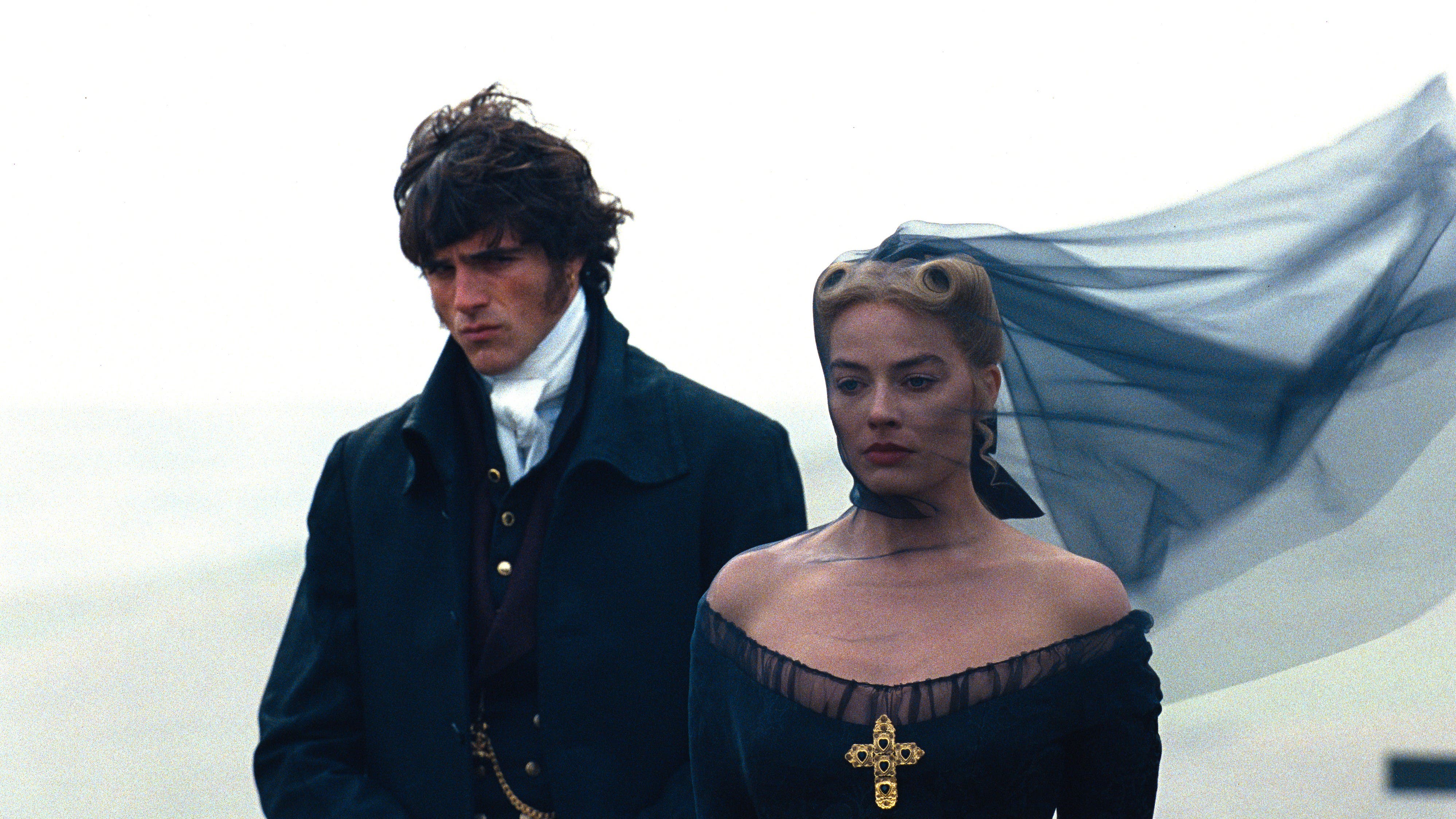 Jacob Elordi and Margot Robbie in Emerald Fennell’s “Wuthering Heights.” (Warner Bros. Pictures)