
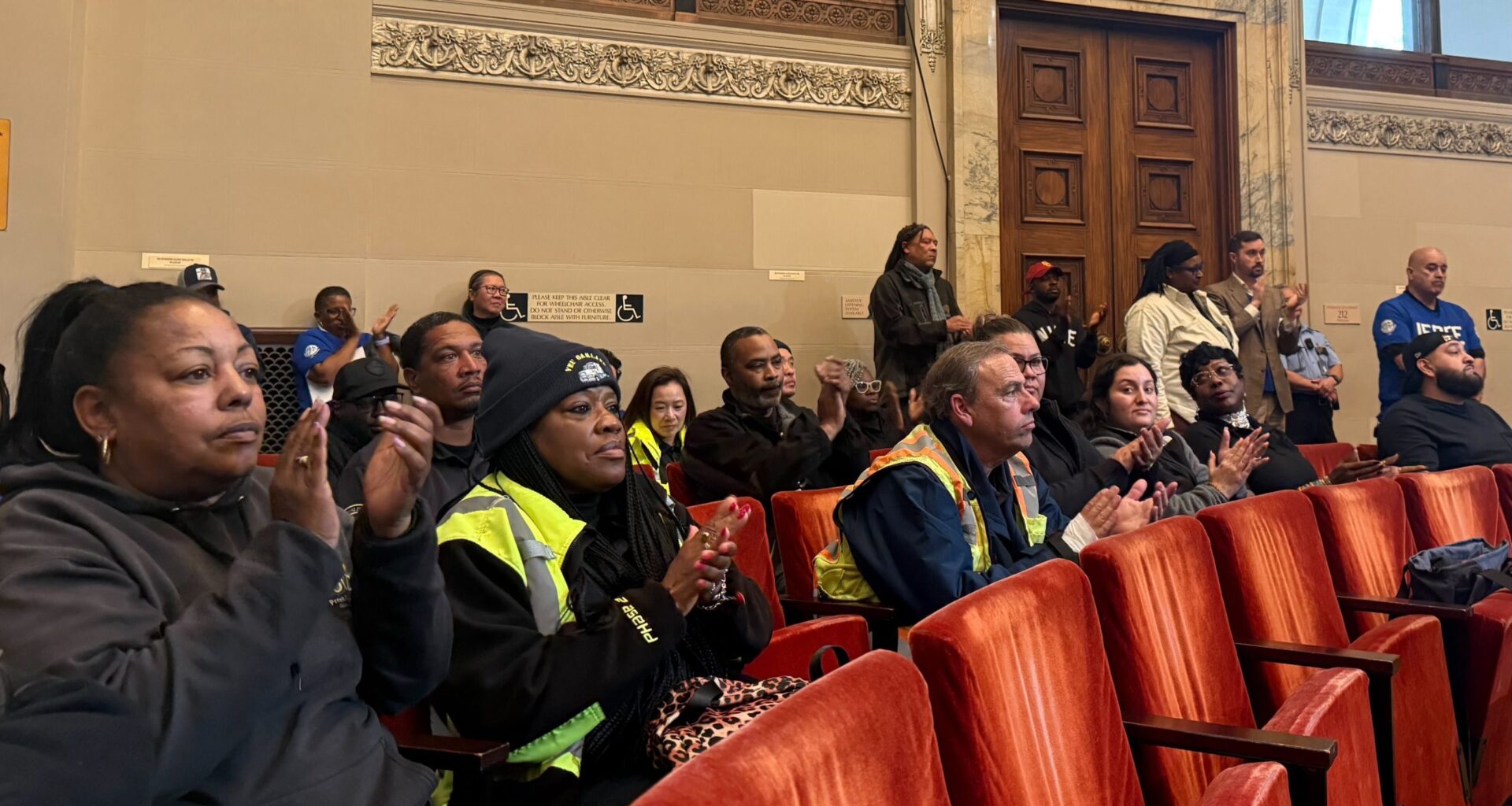
An attempt by Oakland’s finance department’s to take over parking functions from the city’s transportation department faced stiff opposition yesterday afternoon at a meeting of the City Council’s Public Works and Transportation Committee. More than 40 people, from senior staff to parking technicians and transit advocates, showed up at City Hall to oppose the plan.
“There’s no evidence that aligning parking under the finance department will increase revenue, but there is evidence that revenue has grown, and consistency of parking enforcement has improved under [transportation] leadership,” Ruth Meza, an OakDOT staffer, said to loud applause from other employees.
“The proposed move back to finance does not address a performance problem because there is no performance problem to fix,” said staffer Shala Azimi. “Instead, at risk is disrupting a high-functioning team, undermining morale.”
“What this administration is proposing to dismantle is the closest thing that this city has to a perfect organization,” said Michael Ford, who served as parking director until recently, when he was moved to another role in OakDOT in the lead-up to the anticipated reorganization. “Moreover, this department and this division in particular are the product of 10 years of public process” led by the council.
Ford has argued, yesterday at the dais and in a previous letter to the council, that the finance department and the city administrator were making, at the very least, a hasty and ill-thought-out move and, at worst, a potentially illegal one, which bypassed approval by the city’s elected representatives. Several speakers yesterday, including former public works director Brooke Levin, said reorganizations of this type usually occur during the budget process in the middle of the calendar year after being tested through rigorous data analysis, which she said the finance team had not produced.
“Every reorganization I know of in the city of Oakland has happened with the budget process, so you can dig in and get all those financial pieces lined up, ” she said. “There’s a lot of moving parts here. I don’t agree with this proposal, but it should be done with the budget process so you can actually see the dollars and cents on paper. What are the real costs?“
The public comments opposing the move occurred in the second half of the meeting, around 12:30 p.m., after city staff attempted to explain their plan, which was first announced in early October, to a surprised and angry staff.
Seeking to ‘streamline’ citation collections
Bradley Johnson, the city’s finance director; Jestin Johnson, the city administrator; and Deborah Edgerly, a former city administrator who now serves as a finance consultant to the city, all spoke at the meeting in support of the change. They referenced a report Johnson submitted to the council on January 28, written in response to a request for information about the reorganization from councilmembers Zac Unger and Rowena Brown. That report explained in broad terms why the finance team wants to take over parking operations, including to “streamline and improve the citations collection process” and fix “delays or inaccurate data in citations.”
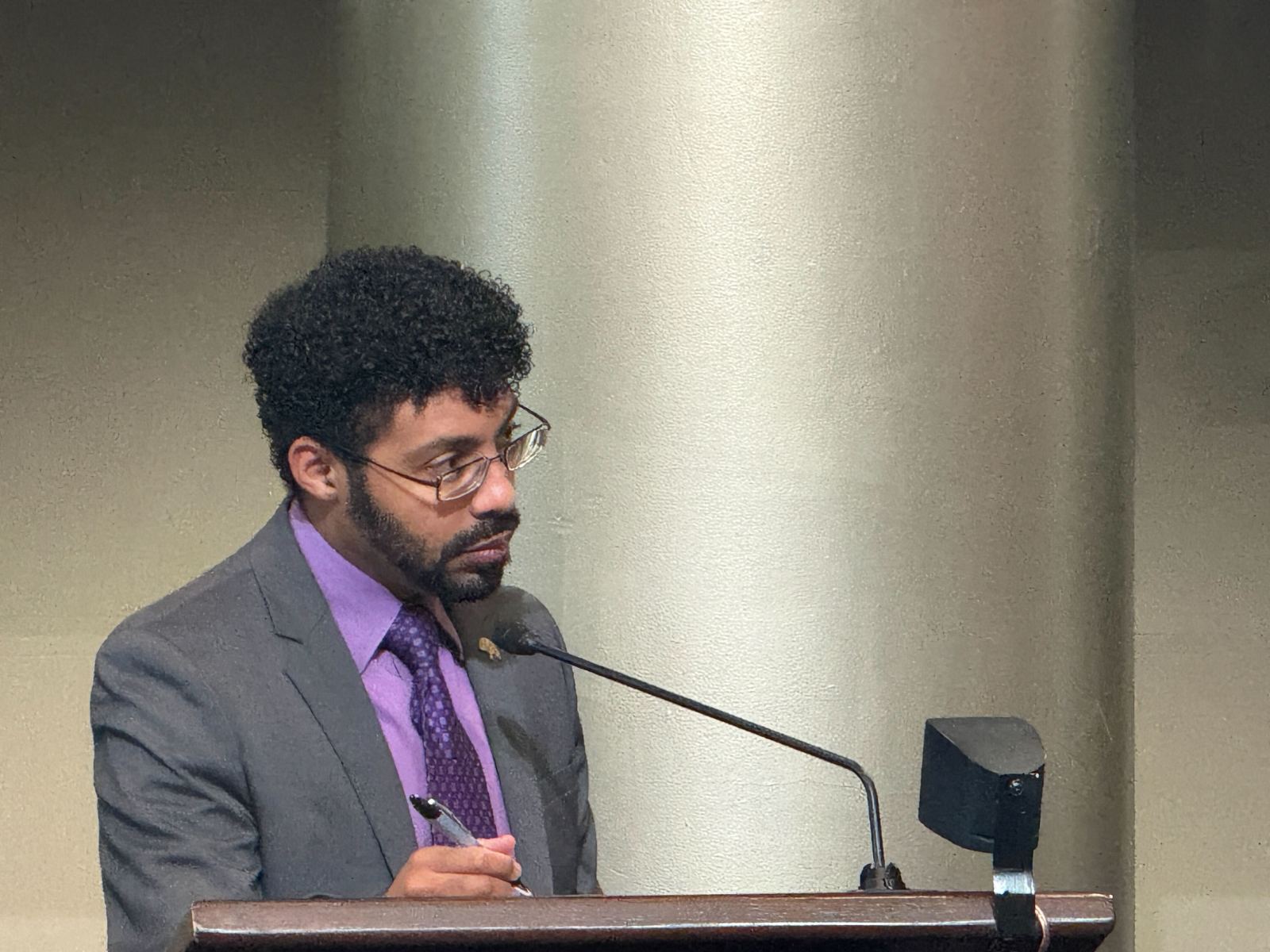 Bradley Johnson, who directs Oakland’s finance department, argued that parking functions should fall under his purview. Credit: Jose Fermoso/The Oaklandside
Bradley Johnson focused his pitch on a promise: if his department took over collections of parking citations, they would become more “efficient, fair, and speedy.”
That approach, he said, would include “seamless access to our methods of payment” as well as payment plans “to ensure that we are able to rapidly collect on that revenue.”
“Time is money in a very specific way,” he said. “Having a very tight interior collection practice is super important to ensuring that we’re maximizing our revenue” from both citations and garages.
The finance director also said that while the OakDOT team has done “a little bit better” on collecting citations in the last year, they had not reached revenue targets.
City Administrator Jestin Johnson said the finance team would pursue outstanding fare collections as “aggressively as possible.”
Edgerly, who joined the city as a consultant last year, 17 years after she was fired by then-Mayor Ron Dellums for allegedly interfering in a police investigation amid other claims such as giving jobs to her friends, joined yesterday’s meeting by Zoom. She argued that the city’s fiduciary responsibilities should be managed by the finance department “alone.” She also said parking enforcement was successful under that department for many years in the 1990s and 2000s and that their staff already puts “boots on the ground” to collect revenue from scofflaws.
The discussion on Tuesday was the first time the reorganization was publicly discussed by the council. City officials had previously hoped to fast-track the reorganization and implement it on Feb. 7; then, as city communications officer Jean Walsh told The Oaklandside last week, they moved the date to Feb. 21. At yesterday’s meeting, the finance director did not say whether the public pushback and council review would force the city to move the reorganization data again. Joan Walsh, a city spokesperson, did not immediately respond to queries.
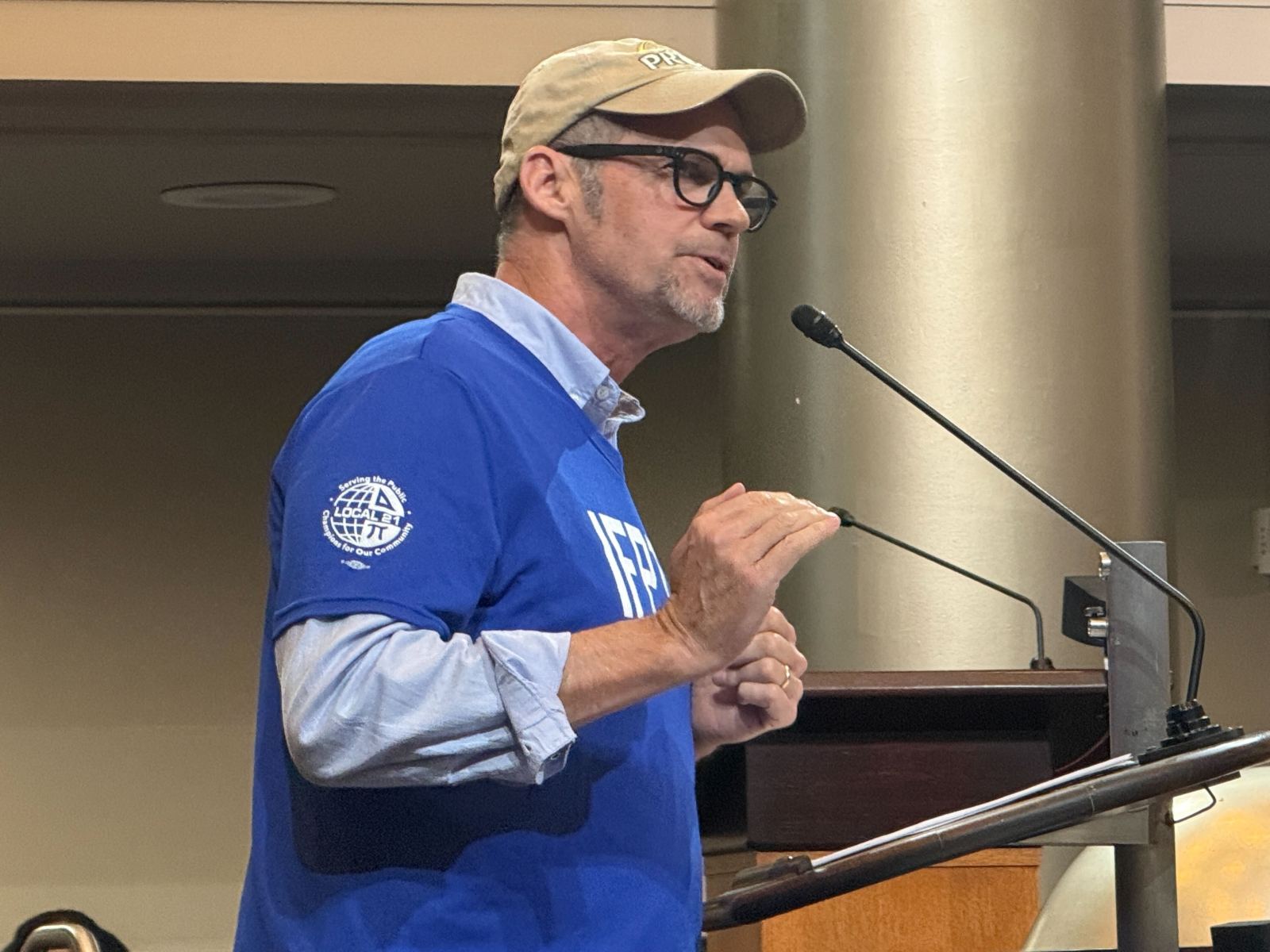 Michael Ford, who was until recently Oakland’s director of parking, is strongly opposed to the proposed reorganization. Credit: Jose Fermoso/ The Oaklandside
Late last year, Ford, while he was still director of parking, asked Mayor Barbara Lee and the council to slow the process down to allow proper analysis of the proposal. Once they did, he said in his letter to the council, he suspected the city would find the reorg did not make sense.
At the meeting yesterday, Unger, the District 1 councilmember, said he didn’t care who ran parking as long as its staff ran things competently and were treated well.
“I care about the functionality of the department and in the case of parking, have a few criteria: our revenues are strong and growing, our abandoned autos are being removed efficiently and quickly, is the public right of way being maintained clear and safe, and are workers themselves safe, experiencing high morale,” he said.
Skepticism over handing abandoned vehicle recovery to OPD
Unger expressed skepticism about one key part of the reorganization plan: giving abandoned auto recovery back to the Oakland Police Department, whose leaders have repeatedly said they don’t have enough officers to do their regular police and investigative work.
Edgerly responded that she had spoken to the interim police chief and that he had assured her the department could handle the additional work. Finance director Johnson said in his presentation that “probably” 70% of operations related to abandoned auto “are housed within the police department.”
“The hope for realigning abandoned auto functions is to ensure that there’s a continued build capacity for ensuring that our right-of-ways are clear of vehicles that are not operable, that our neighborhoods are clean and secure, and that OPD has the functions by which to do that,” Johnson said.
An OPD press officer did not immediately respond to a request for comment.
Councilmember Noel Gallo and others at yesterday’s meeting remained unconvinced that OPD could or should get back in the business of recovering abandoned vehicles.
The councilmember, who represents District 5, said that when he has referred abandoned autos to the police, including after a City Hall staffer had her car stolen, it took police officers a long time to get in touch. By comparison, he said, OakDOT parking division staff have responded quickly to pick up abandoned cars he reported. Councilmember Ken Houston, who represents District 7, concurred, saying he had recently worked with OakDOT to pick up 32 abandoned cars, and that OPD had been involved in only two of the recoveries.
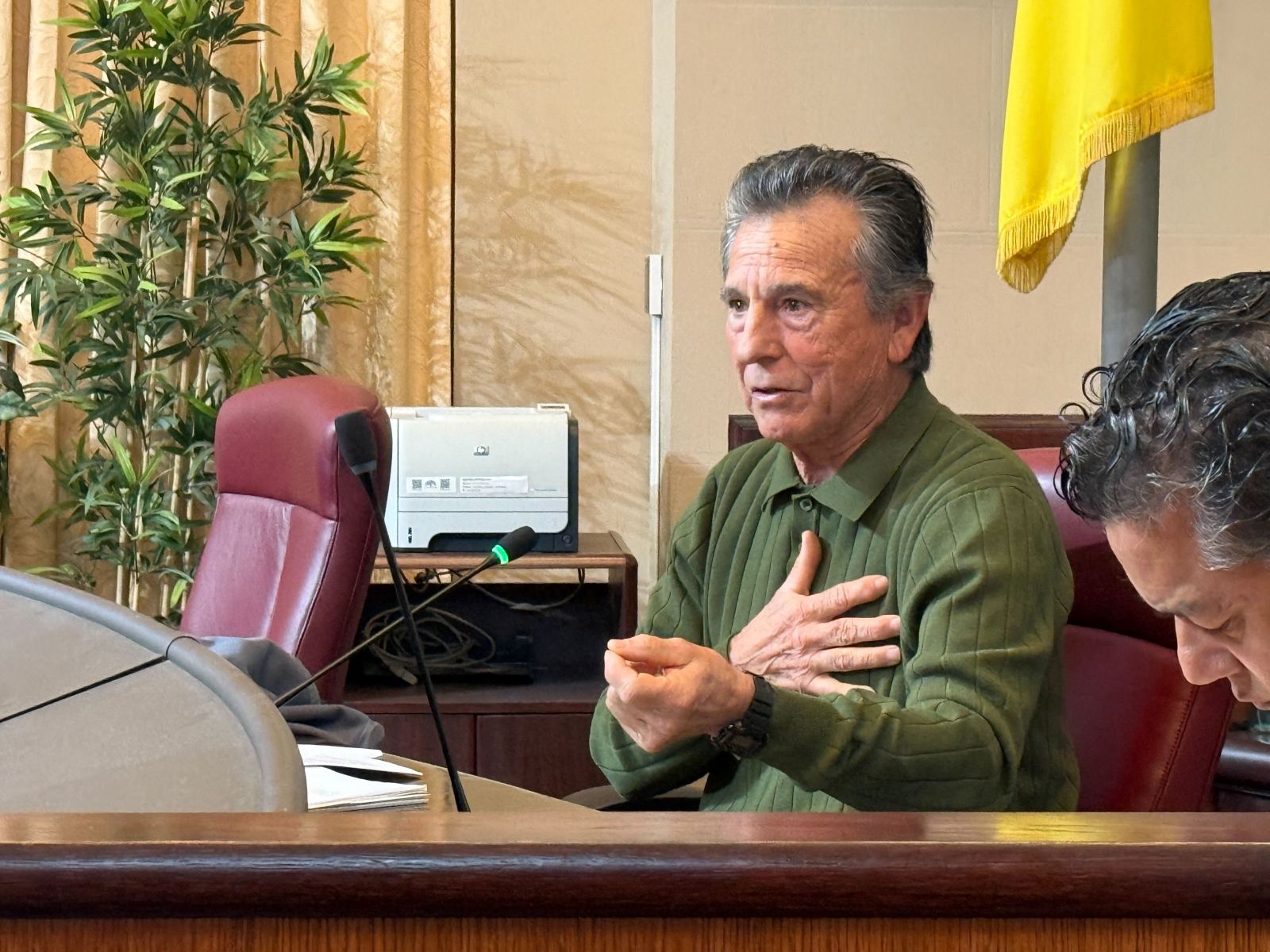 Councilmember Noel Gallo said he’s found Oakland’s transportation department far more responsive than police when he reports abandoned vehicles. Credit: Jose Fermoso/The Oaklandside
“I can call transportation, and they go immediately,” Gallo said. “The police? Why, I gotta give out the reasons why I gotta have a police officer, and 90% of the time, the police are too busy. And the only time that an officer would respond to me is if a vehicle is blocking a driver.”
Frustration over lack of data
District 2 Councilmember Charlene Wang said Bradley Johnson’s report recommending the reorganization lacked adequate detail and data.
“ Parking revenue generation, including before and after the reorg that happened in 2012, I’d like to see a breakdown of how much was collected from meters,” Wang said, “and I’ve been interested in seeing overlaying the sales tax revenue alongside that to see if there’s an inverse relationship at all between parking revenue generation as well as sales tax.”
During the public comment period, OakDOT parking planner Kerby Olsen, speaking as a member of his union, IFPTE Local 21, argued that the report’s lack of detail failed to justify such a drastic move in the middle of the fiscal year.
“High rates of delinquent citations and some unnamed customer service issues that justify the reorg, yet they offered no data or evidence to back this up,” he said. “In fact, they provided no data or evidence at all. They’re basically saying, ‘Trust me, bro.’”
Olsen noted that dozens of OakDOT staff had signed a petition opposing the move. He said that most other cities place parking management under their transportation departments, not under finance, a claim Ford made in a late-year analysis, which found that peer comparisons of other California cities showed that most parking management fell under either transportation or police departments. Finance Director Johnson was asked by council members yesterday whether he had done a similar city comparison, and said he had not.
Olsen also said the finance director may have underestimated the reorganization’s cost.
“I’m sure you have better ideas for what to do with $1.42 million per year than a Game of Thrones-style hostile takeover,” he said to the council committee.
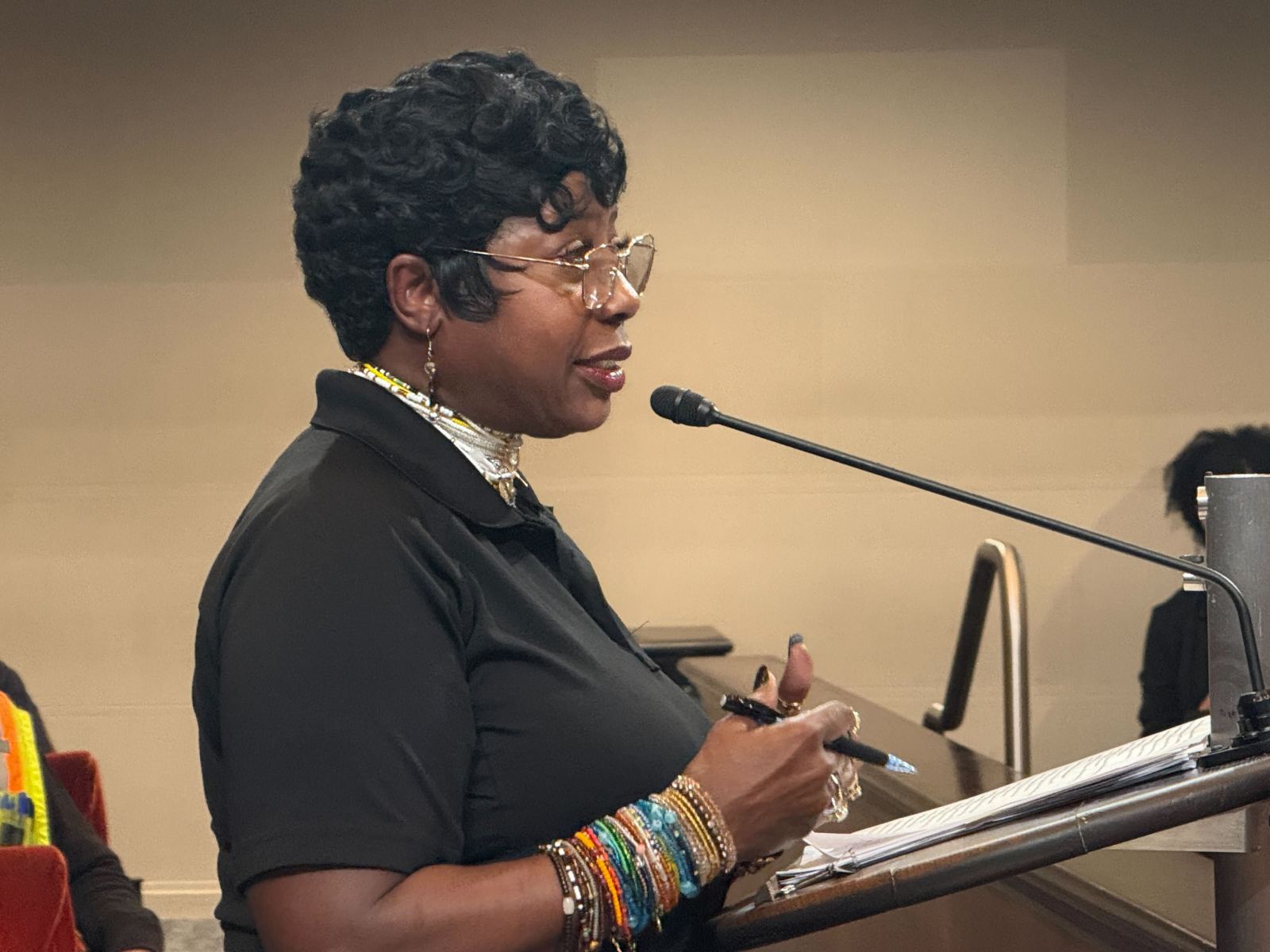 Charlotte Niles, a city parking technician with over a decade of experience, also spoke out against the potential reorg on Tuesday. Credit: Jose Fermoso
The absence of detailed data in the Johnson report stood in sharp contrast to an “unofficial” 14-page supplemental report authored by Local 21 members, which included parking transaction history, citation revenue analysis over nine years, and a detailed comparison of current annual management costs and those with a possible reorganization.
The union report offered concrete examples of how the reorg might cause a disconnect between OakDOT and the finance department, such as a scenario in which finance department managers might choose to de-emphasize a task if it wasn’t revenue-generating.
“While OakDOT might prioritize meeting business needs for goods loading by installing new commercial loading zones, the Finance Department may not prioritize loading zone enforcement as it is time-consuming and may provide less citation revenue per hour,” the unofficial report reads. “Without enforcement, new loading zones would add less value to legitimate commercial delivery vehicles, resulting in double parking and obstruction of bike lanes and bus lanes.”
An explosive allegation
Toward the end of his comments, Ford, the former head of parking, raised an explosive claim in order to highlight the importance of an independent parking division.
Ford said that over the last 10 years, he was periodically approached by “people in power” in Oakland who asked him to fix their parking citations or obtain other parking privileges. He routinely turned them down, he said.
“I’m able to do that with the confidence that nobody can take me out and that I can consistently uphold the law and city policies,” he said. “You put a parking administrator at a bureau level, they will be at will, and the next time they will be tested, they’re gonna have to make a decision. Is my career more important, or is the interest of the city more important?”
Ford did not respond to a query about who he meant by “people in power.” If any were elected officials, the requests may have violated Section 218 of the City Charter, which prohibits elected officials from directing city staff or interfering with administrative matters. Walsh, the city spokesperson, did not immediately respond to a request for comment on Ford’s claims.
Davina Hurt, director of government ethics at the Markkula Center for Applied Ethics at Santa Clara University, said she found Ford’s claim “shocking.” If his allegations are true, she said, it could mean that an “abuse of a public office for personal benefit” was going on for years.
“ To ask someone to change a parking violation,” Hurt said, “truly undermines equal treatment under the law, that concept that we all share, and it could also demonstrate a broader culture of entitlement and abuse” in the city, she said.
The meeting concluded with the committee members voting to move the issue to the full City Council, which next meets on March 5, so that other councilmembers, including Board President Kevin Jenkins and District 3’s Carroll Fife, could provide their assessments.
“*” indicates required fields