
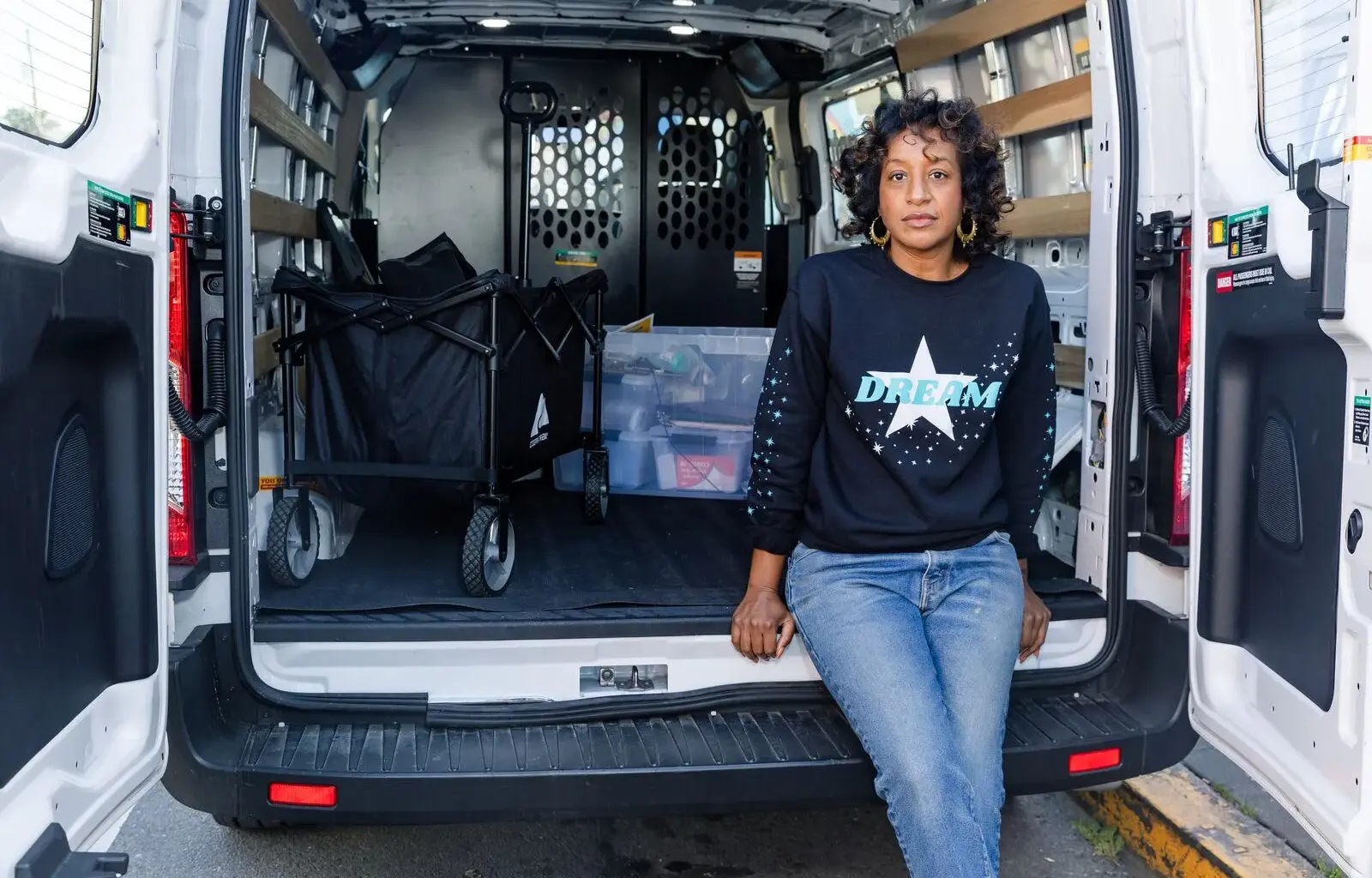
Along stretches of International Boulevard in East Oakland, young women can often be seen standing along the street. Some of them are engaged in commercial sex work. Many of them, including children, are being commercially exploited or trafficked for sex.
Some of these young people avoid hospitals or traditional medical centers due to discrimination from health care staff, feelings of shame, fears of retaliation from traffickers, and other barriers, according to a 2022 study published in the Journal of Pediatric Nursing. As a result, they lack equitable access to medical and reproductive health care.
One Oakland nonprofit is working to tear down these barriers by bringing medical services directly to the streets.
Location: International Boulevard and 15th Avenue, Oakland
Hours: Tuesdays from 9 a.m.–noon and Fridays from noon–4 p.m.
In January, Dream Youth Clinic launched a mobile clinic at the intersection of International Boulevard and 15th Avenue, serving sex-trafficked youth ages 13 to 25 and other people who show up seeking care. On Tuesdays and Fridays, the clinic offers rapid HIV testing, COVID testing, pregnancy testing, over-the-counter birth control pills, internal and external condoms, menstrual products, fentanyl test kits, and naloxone — all at no cost.
Dr. Aisha Mays, founder and CEO of Dream Youth Clinic, said the mobile clinic is the first of its kind in Oakland.
“We’re quite literally meeting young people where they’re at,” Mays said.
The initiative is a partnership with CAL-PEP, another Oakland-based organization that provides street-based medical services and outreach to marginalized communities. CAL-PEP was on site to serve adults over the age of 25.
While the mobile clinic is new, Dream Youth Clinic’s wellness center in the Jack London District has long provided free reproductive health care and wraparound services to some of the community’s most vulnerable populations, including sex-trafficked youth, people in the juvenile justice system, foster youth, and LGBTQ+ people. The nonprofit offers primary care, mental health services, case management, and referrals to other community resources.
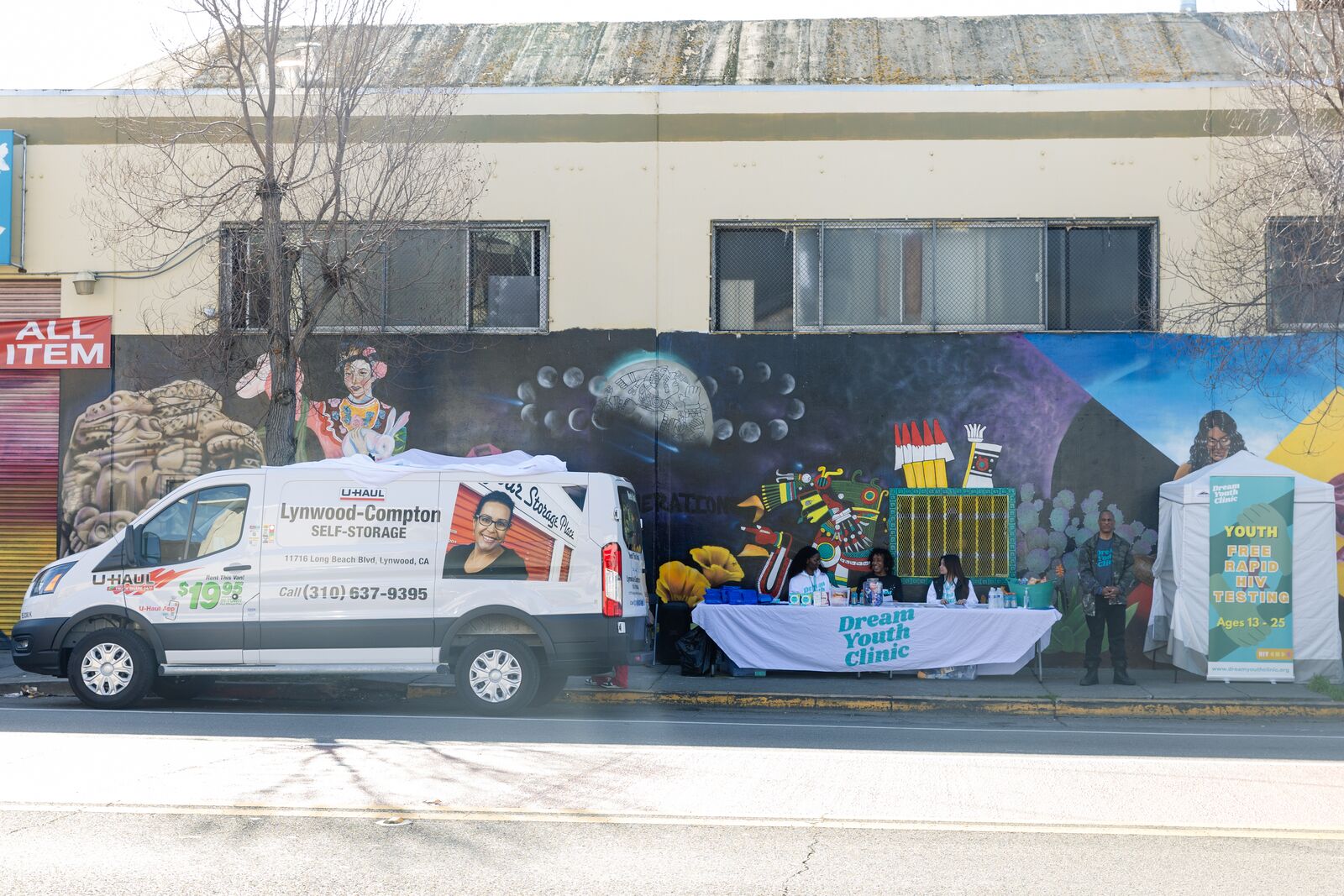 The mobile clinic is located at International Boulevard and 15th Avenue. Credit: Estefany Gonzalez for The Oaklandside
Mays said the organization’s work is rooted in reproductive justice, a movement created by Black women in the 1990s that emphasizes bodily autonomy and equity within health care systems.
“We operate with the framework that these young people are facing multiple systems of oppression, including discrimination,” Mays said. “What we want to do is welcome them with open arms and foster an environment where they feel safe and supported.”
The clinic’s location is both deliberate and strategic. Often referred to as “the Blade,” International Boulevard is widely known as the Bay Area’s epicenter for sex trafficking. Interim Oakland Police Chief James Beere has said at recent press conferences that the issue spans generations, with people being commercially exploited along the Blade as far back as the 1970s.
A mobile clinic designed for youth
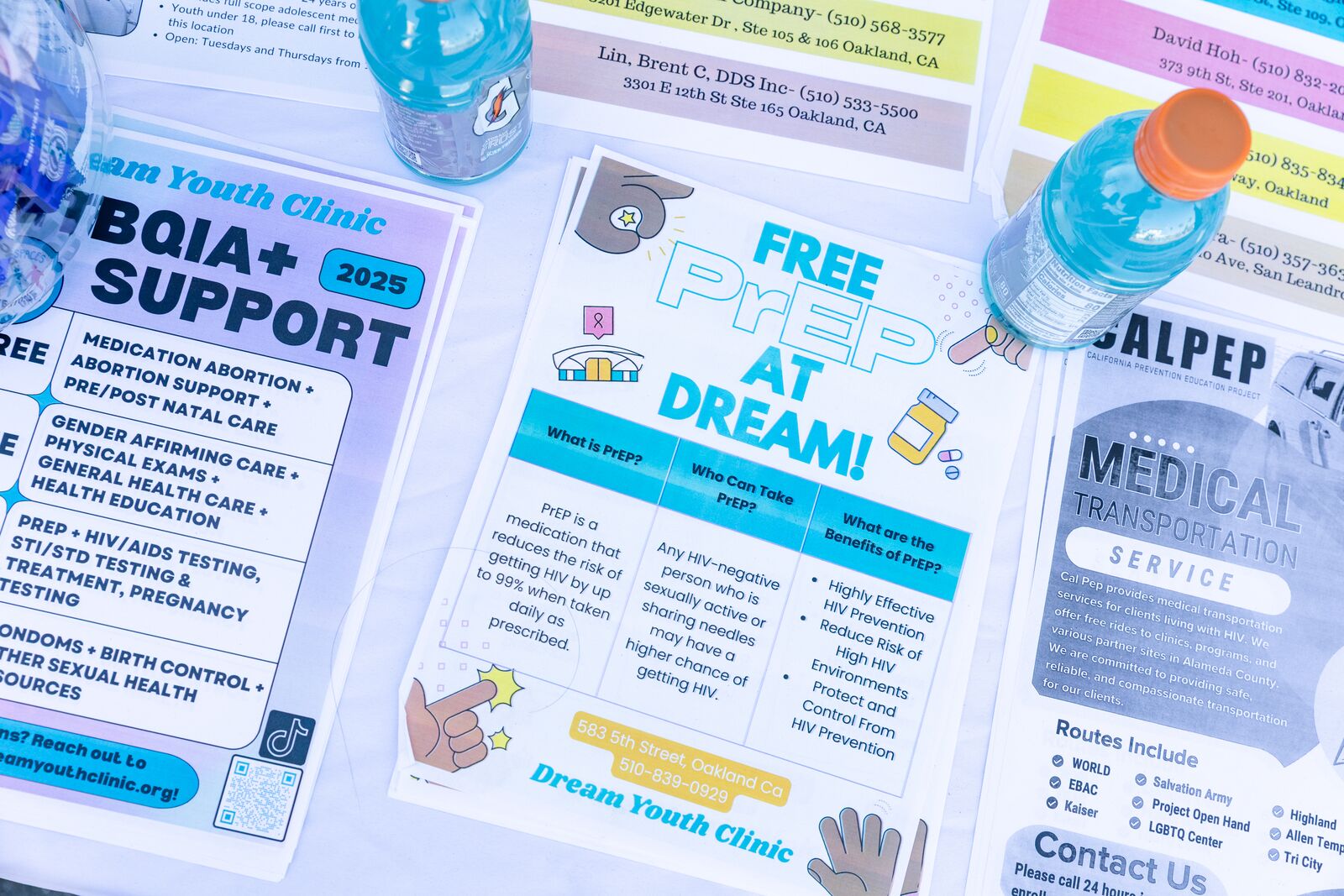 Health resources on display at the mobile clinic. Credit: Estefany Gonzalez for The Oaklandside
Last Friday, the sidewalk around the mobile clinic felt more like a block party than a medical appointment. A loudspeaker blasted rap and R&B hits from the early 2000s. Colorful flyers advertising resources for abortion access, PrEP, child care, LGBTQ+ peer support groups, and vision and dental care were spread across a table. Gatorade, bottled water, and bags of chips were free for anyone to take.
Kamora McDaniels, a medical assistant with Dream Youth Clinic, said the welcoming setup was intentional.
“We want to help the youth feel more secure while they’re accessing our services,” she said.
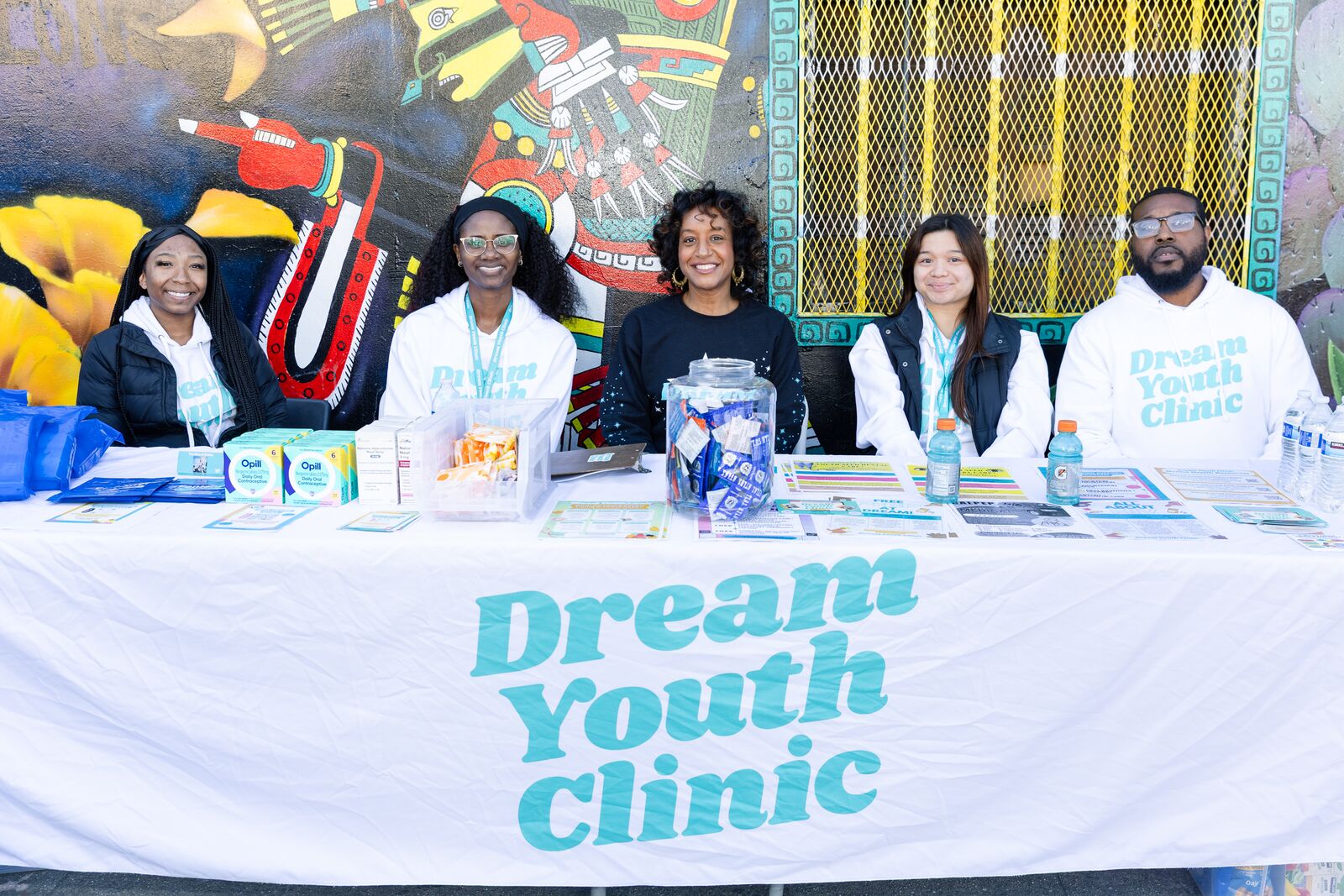 Dream Youth Clinic staff at the mobile clinic on Friday, Feb. 6, 2026. From left to right: Kamora McDaniels, Megan Richardson, Dr. Aisha Mays, Juliette Perez, and Alex Cowart. Credit: Estefany Gonzalez for The Oaklandside
The table was flanked by two small tents: one outfitted with medical equipment and tests for common sexually transmitted infections — including gonorrhea, chlamydia, trichomoniasis, HIV, and syphilis — and another with chairs where youth could speak privately with staff about referrals to housing, legal support, and other community resources.
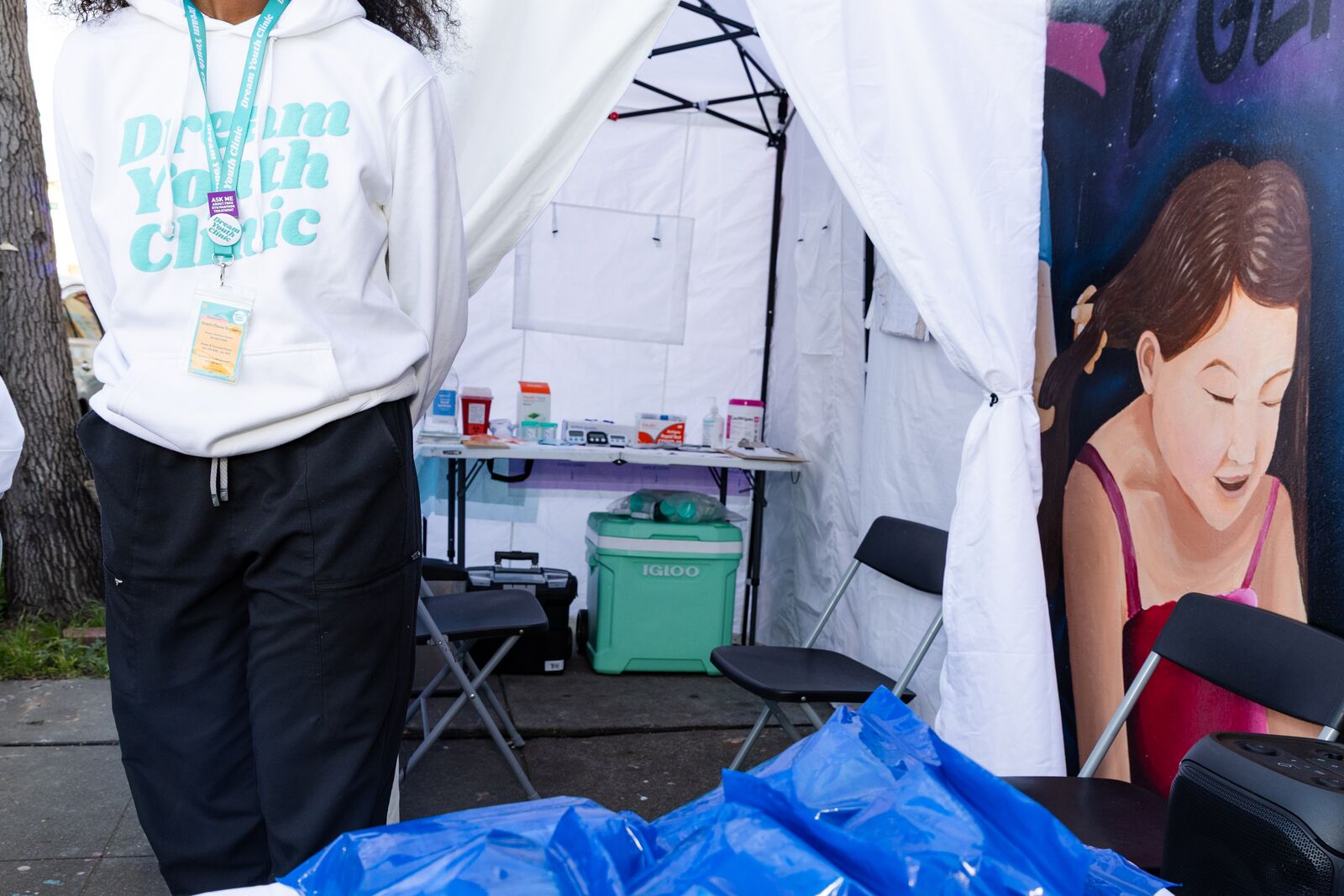 A tent at the mobile clinic is equipped with COVID tests, specimen containers, and other medical items. Credit: Estefany Gonzalez for The Oaklandside
To encourage participation in rapid HIV testing, Dream Youth Clinic offers gift cards to businesses of the client’s choosing, such as DoorDash, Starbucks, or local movie theaters. The nonprofit also provides assistance with gas, groceries, and transportation. No one is turned away due to lack of insurance or ability to pay.
“We want to remove all the barriers for those who are most vulnerable,” Mays said.
Economic instability is a major risk factor for sex trafficking. In a recent Dream Youth Clinic survey of 230 Bay Area sex trafficking survivors ages 25 and under, 70% reported experiencing housing insecurity, and 60% said they had no personal income. Mays said these factors make youth more vulnerable to coercion and exploitation.
A community ambassador was also present at the mobile clinic to help de-escalate conflicts on the street and provide unarmed security.
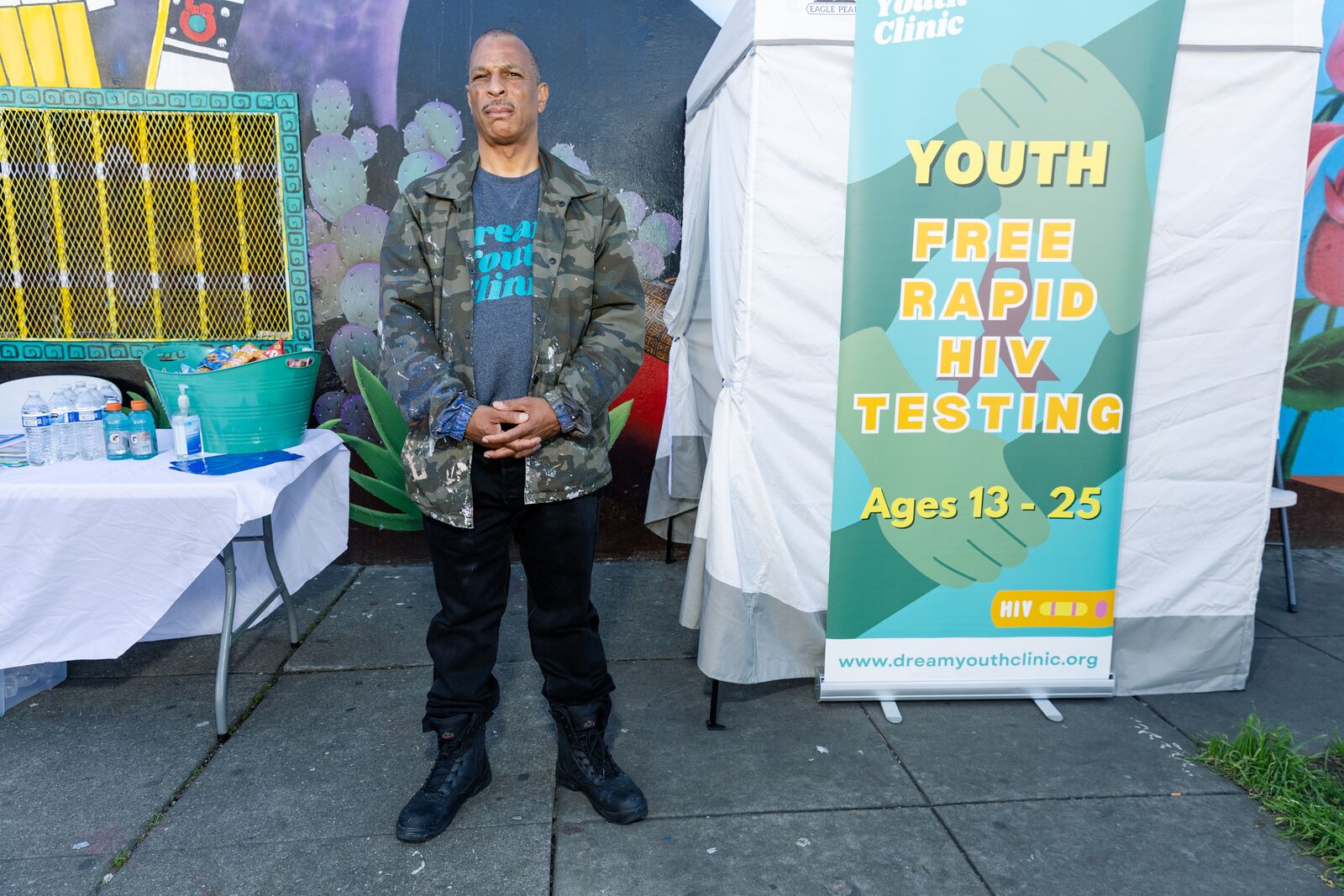 Edwin Hagler, a community ambassador, assists at the Dream Youth Clinic’s mobile clinic on Friday, Feb. 6, 2026. Credit: Estefany Gonzalez for The Oaklandside
Alex Cowart, a community health advocate coordinator with Dream Youth Clinic, said young people generally approach the mobile clinic with curiosity. “Some of the youth have been hesitant because this is new to them, but most have been very open.”
Staff also distributed harm reduction kits containing naloxone, fentanyl test strips, and hygiene items such as toothpaste, deodorant, Vaseline, and menstrual pads and tampons.
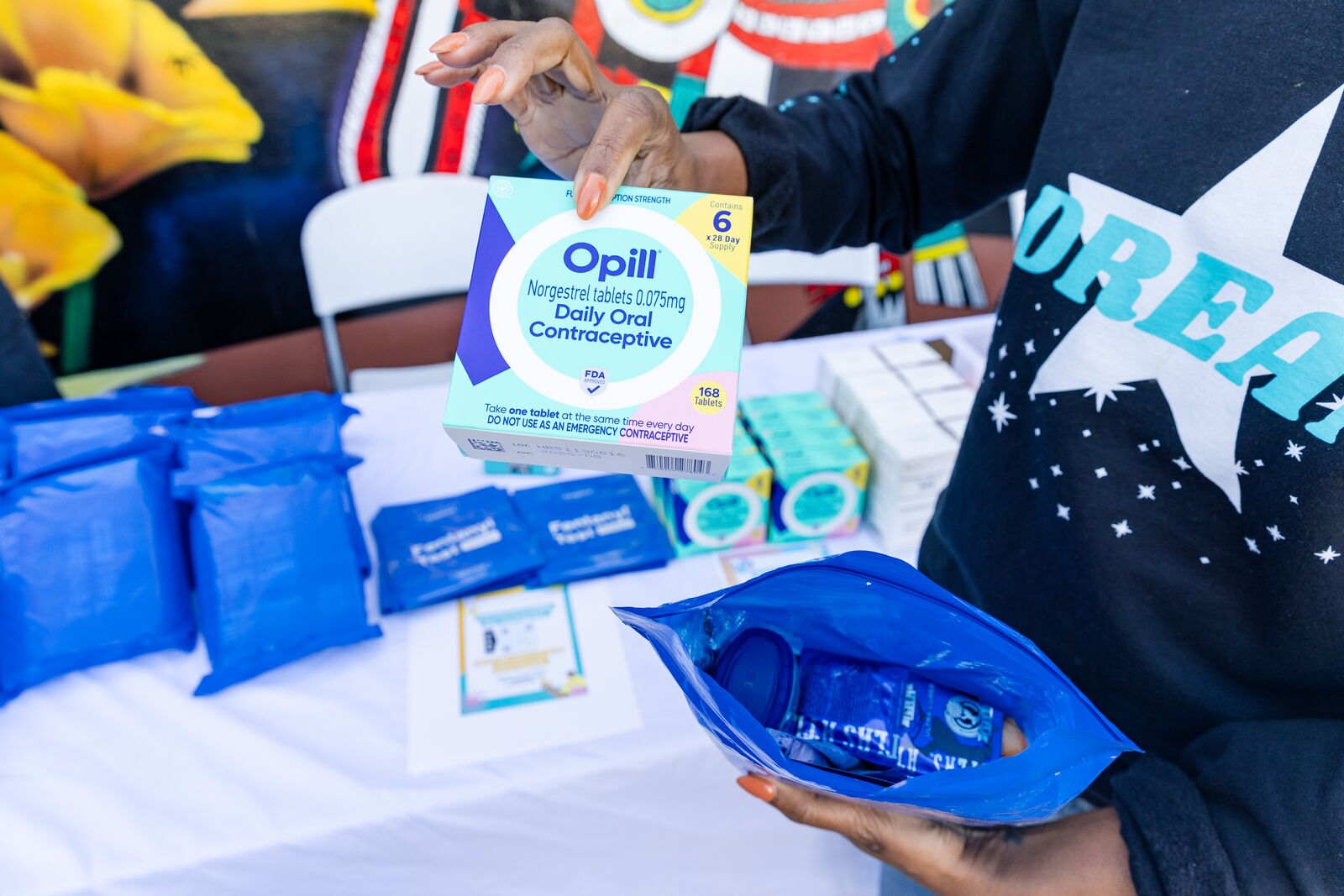 Mays goes through one of the free go-bags for youth who stop by the pop-up clinic. Credit: Estefany Gonzalez for The Oaklandside
According to Megan Richardson, a family nurse practitioner with Dream Youth Clinic, the goal is to show up at the same location consistently to build trust and allow word to spread organically among youth on the street.
“We don’t force them to do anything,” said McDaniels. “They can check out our clinic and feel no pressure to take anything or sign up for services.”
“There aren’t many organizations willing to do this type of work for youth on the streets,” Cowart added. “Everyone here is genuine and committed to helping in a non-judgmental way.”
Mays emphasized that many Dream Youth Clinic clients have had their autonomy stripped away through the foster care system, the criminal justice system, or exploitation on the streets. The mobile clinic’s approach centers on restoring that autonomy and supporting young people in making their own decisions.
“This is what real, open access looks like,” Mays said.
“*” indicates required fields