
The state is cracking down on defensible space.
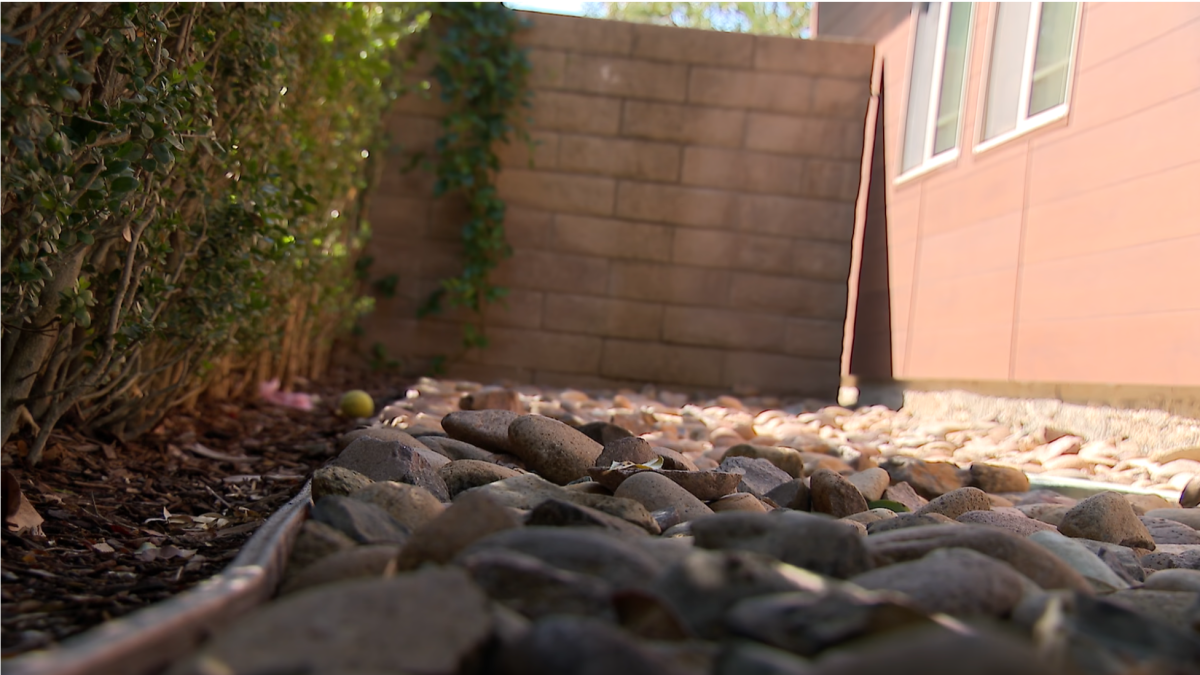
Known as Zone Zero, the mandate requires structures in high-fire-risk areas to have the first five feet clear of anything that could go up in flames if an ember were to reach it.
On Thursday, the city of San Diego announced it will be following these guidelines for all new structures built within very-high-fire-severity zones.
“So, for new structures, Zone Zero goes into effect in February 2026, and for existing structures, it’ll be February 2027 where we start that proactive education, and, last resort, is our goal on that,” said San Diego Fire-Rescue Fire Marshal Tony Tosca.
Having lived through both the 2003 Cedar Fire and the 2007 Witch Fire, Scripps Ranch resident Bob Ilko has been researching and implementing the requirements of Zone Zero around his home for the past three years.
“If embers hit my house right now, they land on the rock,” Ilko said. “I can remain calm and know that I’ve done everything I can control, and I have 100% control around my house.”
Ilko, who is the president of the Scripps Ranch Civic Association, said he has helped hundreds of community members learn about and understand how to implement the five feet of defensible space around their properties.
”60-70% of homes burn because of embers,” Ilko said. “The idea of Zone Zero is to break that cycle of the embers flying three miles and then landing on your house and not igniting.”
The mandate requires that any flammable materials like vegetation, firewood, trash cans or anything that can combust must be removed within five feet of a structure. According to the city, the layer of defensible space pertains to areas where research points to homes and structures that are ignited by wind-driven embers in a wildfire.
“These embers travel on a fire front many miles away, and we can’t be everywhere at once, and it’s critically important people work with our communities, work with the fire department, and we collaborate together to reduce risk,” Tosca said.
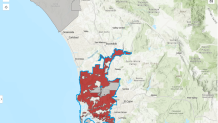
The new rules impact San Diegans living in a Very High Fire Hazard Zone, which is illustrated below. The areas shaded in red on the fire-hazard severity zone map are a very-high-fire-hazard-severity zone. About two-thirds of San Diegans fall within these parameters and will have to take a closer look at the first five of their property by next year.
The mandate doesn’t have everyone’s support.
On Friday, NBC7 spoke with one local who did not want to be interviewed on camera. Despite his home being in high-risk area, he was not interested in taking out all the plants and vegetation around his property to comply. Others pointed out the cost that comes with making changes to follow the rules.
”Because a lot of that yard work, you know, and stuff like that, that’s very expensive,” Janet Faught, another local resident, told NBC7.
Michael Soller, who works with the California Department of Insurance, told NBC7 in an emailed statement that the agency’s goal is to help Californians be safer and have insurance coverage they can rely on, and that Zone Zero is part of a comprehensive approach to wildfire safety helping keep insurance available for everyone who needs it.
In that same statement, Soller wrote, “Under our Safer from Wildfires regulations, insurance companies are required to offer wildfire safety discounts for Zone Zero and other actions. These work like a ‘good driver discount,’ helping reduce the costs, driving down the cost. While it won’t pay for all the costs, it will help you – not just one time, but for the life of your policy. Data shows that complying with all the steps in Safer from Wildfires (including Zone Zero) can reduce your premium by 4% to 40%, depending on how close you live to wildfire-prone areas and your company.”
In the city’s news release about the changes, Tosca said the city’s goal is to partner with residents to offer education, guidance and resources that can reduce wildfire risk.