
California is a state that’s famously dependent on the very wealthy to generate a huge chunk of the revenue that funds K-12 education, its three college systems, social services and much more. State data show the top 1% of earners pay 40% to 50% of all income taxes. The dependence in particular on capital gains taxes leads to boom and bust cycles in revenue that have more to do with the stock market than the overall health of the California economy.
The risk this creates is why even such stalwart liberals as George Skelton of the Los Angeles Times have called for lowering the state’s highest-in-the-nation income tax rates and broadening the tax base.
Given this backdrop, the last thing California should want to do is drive very wealthy people away. But despite the warnings of Gov. Gavin Newsom and the Legislative Analyst’s Office, that is exactly what many state progressives are actively trying to do by supporting the “2026 Billionaire Tax Act.” The measure sponsored by the Service Employees International Union is depicted as a one-time, 5% levy on billionaires’ net worth. If it makes the November ballot and passes, it is retroactive to Jan. 1, 2026.
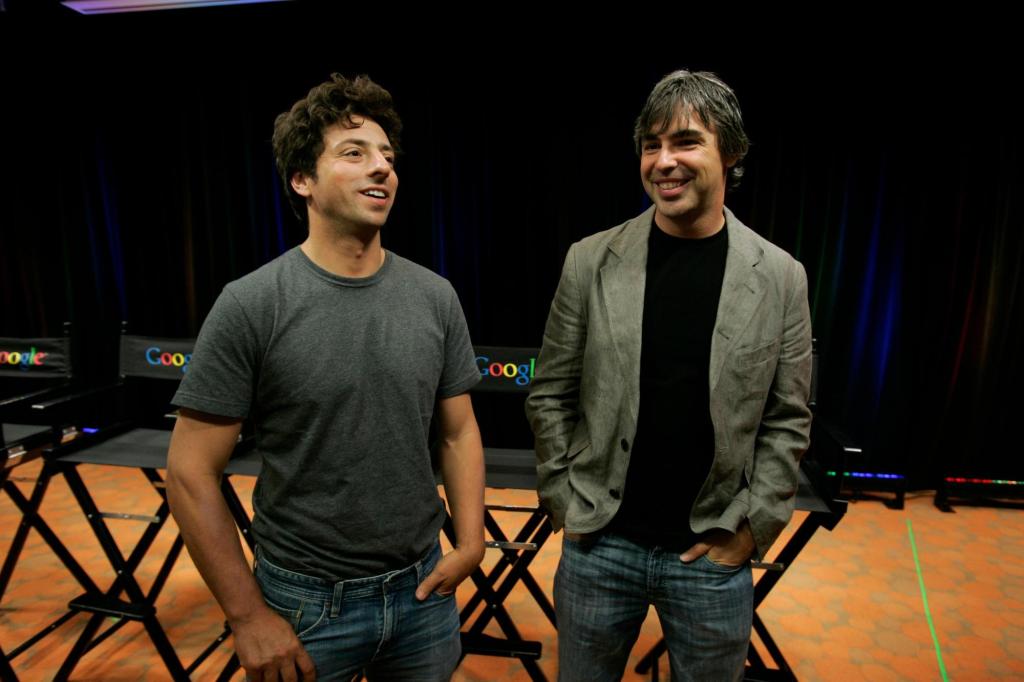
That provision is why the first, second and eighth richest Californians — Google co-founders Larry Page and Sergey Brin and PayPal co-founder Peter Thiel — moved out in December. The exodus is sure to continue; Mark Zuckerberg is reportedly Miami-bound. That’s because given the state’s extremely grim financial condition, the idea that it would actually be a one-time tax is laughable. If the SEIU and its allies succeed once, of course they’ll go back to the well again.
But the problems with the tax don’t end there. One of its key provisions, rather incredibly, would allow the state to tax people for property they don’t own. Tech entrepreneurs — including Page, Brin and Zuckerberg — often create two different classes of stock in their corporations, with one class having far greater weight in shareholder votes. This allows them to own a minority of total shares but maintain majority control.
The lawyers who crafted the SEIU proposal saw taxing billionaires based on how much of a company they control rather than how much they actually own as an easy way to get a much bigger chunk of their wealth than 5%. The result: The Tax Foundation found that DoorDash founder Tony Xu — who owns 2.6% of his company but controls 57.6% of shareholder voting power — would have to pay not 5% of his total wealth but 109%.
In United States v. Carlton, a 1994 case, the U.S. Supreme Court voted unanimously to continue its tradition of upholding laws creating retroactive tax assessments — so long as they serve a legitimate legislative purpose and are not so harsh as to violate due process. There is nothing in the history of the current court’s six conservative justices — or that of pragmatic liberal Justice Elena Kagan — that suggests a retroactive wealth tax this confiscatory wouldn’t be seen as an egregious assault on due process.
In a state with a long history of deeply flawed ballot measures, the SEIU may have come up with the worst of all. And even if voters figure this out and turn it down, the proposal will add to the state’s fiscal woes for decades to come. Page, Brin and Thiel — and all the many millions they paid annually to the state — are gone for good.