
Should California require photo ID at the polls? It’s a question voters in the state could see on the ballot in November. Republican San Diego Assemblyman Carl DeMaio, who is lead proponent of the initiative, and California’s Democratic Secretary of State Dr. Shirley Weber did separate interviews on California Politics 360 to talk about the issue and likelihood it heads to voters. Supporters have said the measure would add another layer of security to California’s elections, while opponents worry it could make it harder for low-income and people of color to vote. Assemblyman Carl DeMaio DeMaio said in the interview supporters this upcoming week will be submitting 1.35 million petition signatures and is confident they have the required number of verified signatures for the initiative to land on the ballot. “What the politicians refuse to do, the citizens must act on our own,” DeMaio said, noting signature gathering is expensive and hard. “Getting a million signatures in California, not easy, particularly when we don’t have a lot of funding. There’s no muddied interest behind Voter ID, it’s just good government.” DeMaio noted his proposal does not conflict with the SAVE Act, which would implement Voter ID requirements nationwide. He said he didn’t have a lot of confidence that the U.S. Senate will pass it. California’s legislative leaders rejected DeMaio’s initial voter ID proposal early last year when DeMaio proposed it at the state Capitol. Democratic lawmakers warned requiring photo ID at the polls could make elections less accessible for lower income communities and people of color. Secretary of State Weber has said California already has several elections security protocols and requires proof of citizenship and identification in order to register to vote. DeMaio said she hasn’t done her job properly. “The best way to prove she’s not telling the truth is while she says we’re already doing this she then told the fiscal analyst, it would cost millions of millions of dollars, so my question to the secretary of state is, which is the lie?” DeMaio asked. “This should not be hard, this is done by other states, 28 other states have a similar voter ID requirement. We should be giving our voters from any party- Democrat, Republican and Independent – the highest level of trust and confidence in the outcome of elections.” You can watch the full interview below. Secretary of State Shirley WeberWhen asked for her reaction to DeMaio’s claim that he has the signatures for the initiative to qualify for the ballot she said, “that’s fine.” “That’s what the initiative process is all about,” she said at the beginning of the interview. “He has a right to do it and we will give him the fairness that his initiative deserves.” When presented with his remarks, when he asked her “which is the lie” when it comes to her stance on the proposal. “That’s not uncommon for people to make those allegations that are not true,” she said, pointing to other issues with the measure that she’s concerned about including that it could create less opportunities for Californians to participate in elections. “When he’s talking about money, that has never been a major factor in the Secretary of State’s office, that things have to be cheap. We try to make sure our stuff is correct, accurate and we change it,” Weber said. California’s Democratic leaders in the past have deployed different strategies when something lands on the ballot that they don’t like it. One maneuver could be a lawsuit to ask a judge to remove it. When asked if that’s something she would try to push for if the initiative qualifies, Weber said, “that is something the Legislature would have to do, not us.” “If the initiative is valid, my responsibility is to put it on the ballot,” Weber said, stating its DeMaio’s right to have it on the ballot and reflected accurately. “If the Legislature decides there’s some sort of illegal aspect that’s there then they would probably go and argue it.” She noted while it’s not her office’s job, litigation can be part of the process, pointing to how Republicans sued over Prop 50. “We’re not here to deny him the process as he’d probably like to say we are,” Weber said. Another strategy Democrats could use to fight the measure is placing a competing or counter measure on the ballot. Sometimes this strategy can be used to give voters an alternative option or to try to confuse them. The secretary of state’s daughter, State Sen. Akilah Weber, has filed placeholder legislation on Voter ID. The bill doesn’t have any details. When asked if Weber knows what the legislation is for, she replied by saying “you’d have to talk to her.” She said she didn’t think a ballot measure isn’t going forward, but said she wants to keep her daughter’s work and her work separate. “That’s the right of others though,” Weber said in the interview. “We’re not here to advantage the Republicans or to disadvantage Democrats one way or the other, nor will I be bullied into basically saying I must do this to demonstrate to somebody to be equally fair, we’re going to be fair.” You can watch the full interview below. KCRA 3 Political Director Ashley Zavala reports in-depth coverage of top California politics and policy issues. She is also the host of “California Politics 360.” Get informed each Sunday at 8:30 a.m. on KCRA 3.
SACRAMENTO, Calif. —
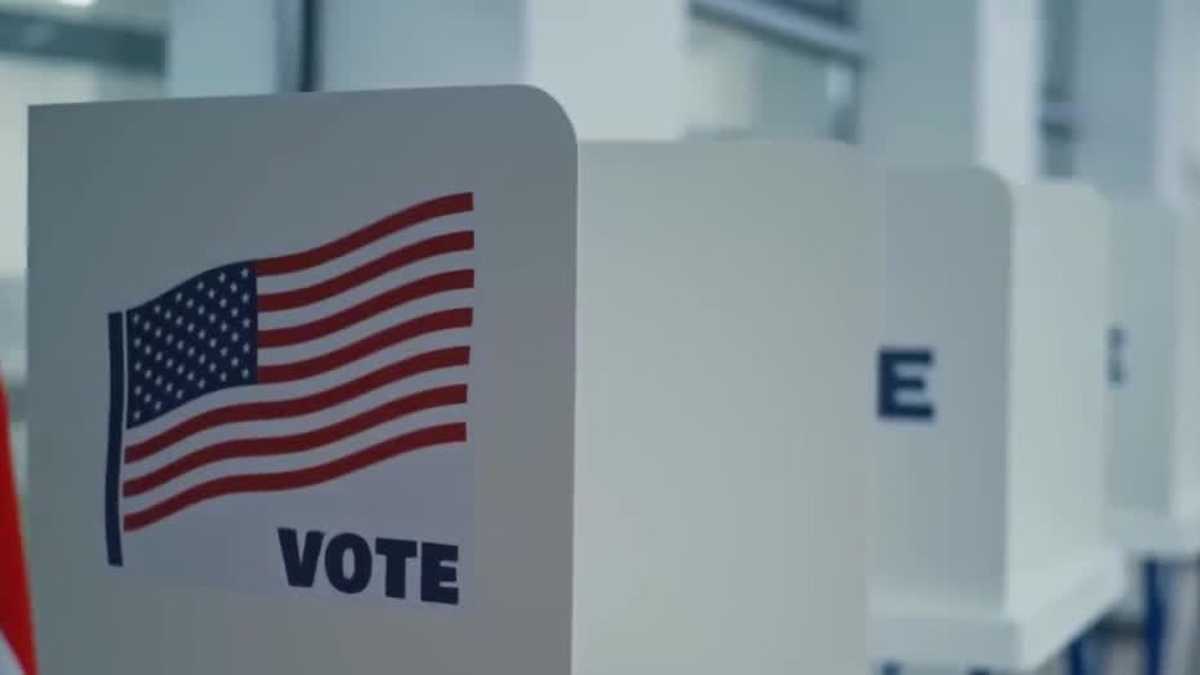
Should California require photo ID at the polls? It’s a question voters in the state could see on the ballot in November.
Republican San Diego Assemblyman Carl DeMaio, who is lead proponent of the initiative, and California’s Democratic Secretary of State Dr. Shirley Weber did separate interviews on California Politics 360 to talk about the issue and likelihood it heads to voters.
Supporters have said the measure would add another layer of security to California’s elections, while opponents worry it could make it harder for low-income and people of color to vote.
Assemblyman Carl DeMaio
DeMaio said in the interview supporters this upcoming week will be submitting 1.35 million petition signatures and is confident they have the required number of verified signatures for the initiative to land on the ballot.
“What the politicians refuse to do, the citizens must act on our own,” DeMaio said, noting signature gathering is expensive and hard. “Getting a million signatures in California, not easy, particularly when we don’t have a lot of funding. There’s no muddied interest behind Voter ID, it’s just good government.”
DeMaio noted his proposal does not conflict with the SAVE Act, which would implement Voter ID requirements nationwide. He said he didn’t have a lot of confidence that the U.S. Senate will pass it.
California’s legislative leaders rejected DeMaio’s initial voter ID proposal early last year when DeMaio proposed it at the state Capitol. Democratic lawmakers warned requiring photo ID at the polls could make elections less accessible for lower income communities and people of color. Secretary of State Weber has said California already has several elections security protocols and requires proof of citizenship and identification in order to register to vote.
DeMaio said she hasn’t done her job properly.
“The best way to prove she’s not telling the truth is while she says we’re already doing this she then told the fiscal analyst, it would cost millions of millions of dollars, so my question to the secretary of state is, which is the lie?” DeMaio asked.
“This should not be hard, this is done by other states, 28 other states have a similar voter ID requirement. We should be giving our voters from any party- Democrat, Republican and Independent – the highest level of trust and confidence in the outcome of elections.”
You can watch the full interview below.
Secretary of State Shirley Weber
When asked for her reaction to DeMaio’s claim that he has the signatures for the initiative to qualify for the ballot she said, “that’s fine.”
“That’s what the initiative process is all about,” she said at the beginning of the interview. “He has a right to do it and we will give him the fairness that his initiative deserves.”
When presented with his remarks, when he asked her “which is the lie” when it comes to her stance on the proposal.
“That’s not uncommon for people to make those allegations that are not true,” she said, pointing to other issues with the measure that she’s concerned about including that it could create less opportunities for Californians to participate in elections.
“When he’s talking about money, that has never been a major factor in the Secretary of State’s office, that things have to be cheap. We try to make sure our stuff is correct, accurate and we change it,” Weber said.
California’s Democratic leaders in the past have deployed different strategies when something lands on the ballot that they don’t like it. One maneuver could be a lawsuit to ask a judge to remove it.
When asked if that’s something she would try to push for if the initiative qualifies, Weber said, “that is something the Legislature would have to do, not us.”
“If the initiative is valid, my responsibility is to put it on the ballot,” Weber said, stating its DeMaio’s right to have it on the ballot and reflected accurately. “If the Legislature decides there’s some sort of illegal aspect that’s there then they would probably go and argue it.”
She noted while it’s not her office’s job, litigation can be part of the process, pointing to how Republicans sued over Prop 50.
“We’re not here to deny him the process as he’d probably like to say we are,” Weber said.
Another strategy Democrats could use to fight the measure is placing a competing or counter measure on the ballot. Sometimes this strategy can be used to give voters an alternative option or to try to confuse them.
The secretary of state’s daughter, State Sen. Akilah Weber, has filed placeholder legislation on Voter ID. The bill doesn’t have any details.
When asked if Weber knows what the legislation is for, she replied by saying “you’d have to talk to her.”
She said she didn’t think a ballot measure isn’t going forward, but said she wants to keep her daughter’s work and her work separate.
“That’s the right of others though,” Weber said in the interview. “We’re not here to advantage the Republicans or to disadvantage Democrats one way or the other, nor will I be bullied into basically saying I must do this to demonstrate to somebody to be equally fair, we’re going to be fair.”
You can watch the full interview below.
KCRA 3 Political Director Ashley Zavala reports in-depth coverage of top California politics and policy issues. She is also the host of “California Politics 360.” Get informed each Sunday at 8:30 a.m. on KCRA 3.